
Указание Латунные гайки с насечкой на заказ, размеры M4, M6 и M8. Для правильного выбора гайки с рифленой вставкой требуется больше, чем просто размер резьбы — рисунок накатки, сплав латуни, способ установки и соотношение внешнего диаметра к резьбе в совокупности определяют, надежно ли гайка зафиксируется в полимерном корпусе или выскочит при первом же цикле вибрации. Это руководство предоставляет инженерам-конструкторам и менеджерам по закупкам данные о размерах, сравнение материалов и критерии квалификации поставщиков, чтобы правильно подобрать гайки с рифленой вставкой с первого раза.
Краткое содержание — Основные выводы
- Латунные гайки с насечкой размеров M4 (шаг резьбы 0,7 мм), M6 (шаг резьбы 1,0 мм) и M8 (шаг резьбы 1,25 мм) являются тремя наиболее востребованными типоразмерами вставок в автомобильной, электронной и бытовой технике.
- CW614N (CuZn39Pb3) — это стандартный сплав. Для гаек с насечкой, изготовленных на станках с ЧПУ: индекс обрабатываемости ~100, предел текучести ~140 МПа, хорошая коррозионная стойкость.
- Рисунок рифления под углом 45° превосходит рисунок рифления с прямым рифлением. для обеспечения комбинированной устойчивости к вырыванию и затягиванию в термопластичных корпусах.
- Существует три способа установки: термофиксация, ультразвуковая обработка и формование — для каждого из них требуются разные допуски по внешнему диаметру и геометрия накатки.
- Кейфикс держит ±0,005 мм на наружных диаметрах гаек с насечкой, изготовленных на станках с ЧПУ, что является минимальным разрешением, необходимым для обеспечения стабильной посадки с натягом в термопластичных отверстиях.
Что такое латунная гайка с насечкой и зачем она нужна? Индивидуальный?
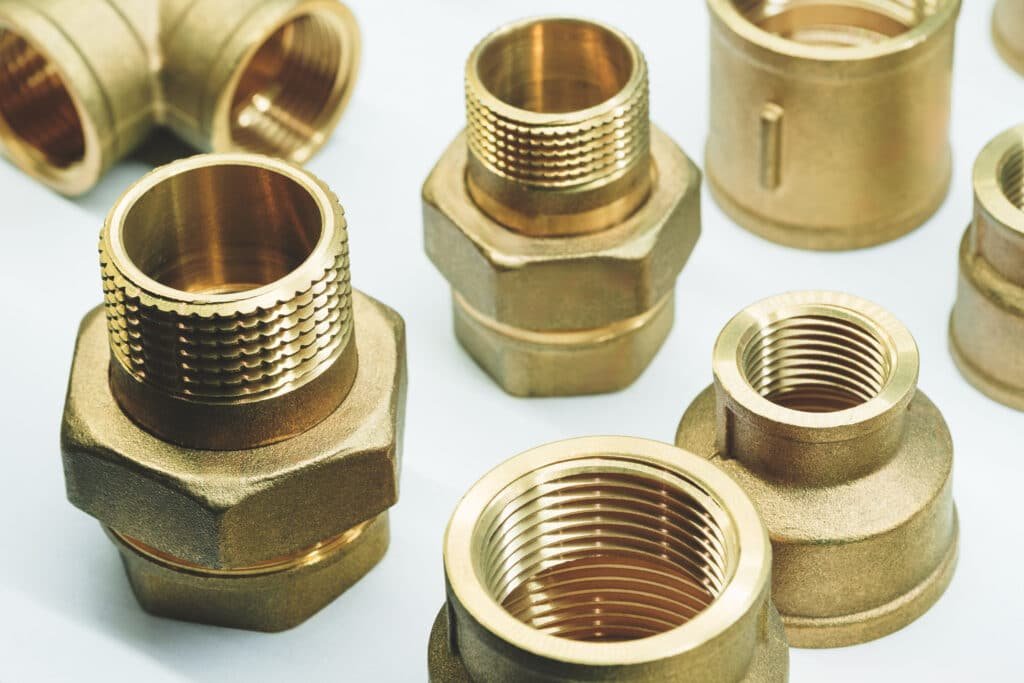
A латунная рифленая гайка Гайка с насечкой (также называемая рифленой вставкой, резьбовой вставкой или ввинчиваемой гайкой) представляет собой цилиндрический крепежный элемент с внутренней метрической резьбой и внешним текстурированным наружным диаметром, который крепится к пластиковым, композитным или древесным основаниям. Насечка — единственная механическая особенность, предотвращающая вращение и осевое вырывание после ввинчивания гайки.
Стандартные размеры из каталога охватывают распространенные геометрические формы. Изготовление на заказ требуется, когда это необходимо. нестандартные соотношения внешнего диаметра к длине, фланцевые кольца для монтажа на печатные платы, варианты с глухой резьбой для герметичных корпусов, модифицированный шаг накатки для пластмасс высокой твердости или маркировка головки для отслеживания партии в автомобильных программах.
“Индивидуальные” размеры важнее, чем кажется. Гайка M6 с насечкой и внешним диаметром 9 мм правильно устанавливается в отверстие диаметром 9,0 мм. Та же самая гайка со стандартным внешним диаметром 8 мм в отверстии диаметром 9 мм имеет... Радиальный зазор 0,5 мм с каждой стороны. — и будет вращаться под любым моментом затяжки. Указание внешнего диаметра в соответствии с допуском отверстия вашей пресс-формы или подложки — это то, на чем заканчивается каталог деталей и начинается изготовление на заказ.
Накатанные гайки M4, M6, M8: Стандарт Размерная привязка
В таблице ниже представлены следующие данные: Технические характеристики метрической резьбы ISO и типичный диапазон размеров для каждого типа. Нестандартные внешние диаметры и длины выходят за пределы этих диапазонов — это зона возможностей Keyfix.
| Параметр | М4 × 0.7 | М6 × 1.0 | М8 × 1.25 |
|---|---|---|---|
| Шаг резьбы (ISO 262) | 0,7 мм | 1,0 мм | 1,25 мм |
| Класс допуска резьбы | 6H (стандарт) | 6H (стандарт) | 6H (стандарт) |
| Типичный диапазон внешнего диаметра | 5,5–7,0 мм | 7,5–10,0 мм | 10,0–13,0 мм |
| Типичный диапазон длин | 5–12 мм | 6–16 мм | 8–20 мм |
| Малый диаметр отверстия (номинальный диаметр бурения) | ~3,3 мм | ~5,0 мм | ~6,75 мм |
| Типичная толщина стенки | 0,75–1,5 мм | 0,75–2,0 мм | 1,0–2,5 мм |
| Стандартный допуск на наружный диаметр накатки | ±0,05 мм (каталог) | ±0,05 мм (каталог) | ±0,05 мм (каталог) |
| Индивидуальный допуск Keyfix | ±0,005 мм | ±0,005 мм | ±0,005 мм |
📋 Совет специалиста: При указании на чертеже латунной гайки с насечкой необходимо указать все четыре критически важных размера: Класс внутренней резьбы (6H), внешний диаметр с допуском, длина с допуском и тип накатки (прямая / ромбовидная / крестообразная).. Если оставить хотя бы один из этих вариантов открытым, поставщик получит возможность отгрузить деталь, которая соответствует диаметру резьбы, но не пройдет тест на прочность соединения с основным материалом.
Какой сплав латуни вам следует выбрать? Указать?
Практически все серийно выпускаемые гайки с накаткой относятся к трем семействам сплавов. Выбор сплава влияет на обрабатываемость, коррозионную стойкость и соответствие требованиям RoHS, а не только на стоимость.
| Сплав | Обозначение EN | ASTM / UNS | Индекс обрабатываемости | Предел прочности | Ключевая характеристика |
|---|---|---|---|---|---|
| Свободнорежущая латунь | CW614N | C36000 | ~100 (лучший) | 340–390 МПа | Стандарт для высокопроизводительных станков с ЧПУ |
| Свинцовая латунь | CW617N | C37700 | ~90 | 350–420 МПа | Материал, пригодный для ковки, реже используется для вставок. |
| Латунь с низким содержанием свинца | CW603N | C35330 DZR | ~70 | 330–380 МПа | Программы, соответствующие требованиям регламента ЕС REACH / RoHS. |
| Устойчивый к децинкованию | CW602N | C35330 DZR | ~65 | 330–370 МПа | Морская среда, контактирующая с водой |
CW614N (CuZn39Pb3) — это значение по умолчанию. Для латунных гаек с насечкой, изготовленных на станках с ЧПУ. Сталь C36000 является отраслевым стандартом для общей механической обработки и крупносерийного производства; ее обрабатываемость позволяет в полной мере использовать возможности токарного станка.
Для программ в области автомобилестроения и электроники, подпадающих под действие следующих условий: Директивы ЕС REACH / RoHS, Укажите явно CW603N или его вариант с низким содержанием свинца. Содержание свинца в CW614N (~3%) ограничено для применений, контактирующих с питьевой водой, в соответствии с Директивой ЕС 2020/2184, но не ограничено для сухих электронных или конструкционных применений.
⚠️ Распространённая ошибка: Заказ латунных гаек с насечкой без указания материала и при условии поставки стали CW614N. Некоторые недорогие поставщики предлагают альтернативные варианты. сталь с медным покрытием Для латуни малых размеров — внешний диаметр и резьбовой калибр соответствуют требованиям, но коррозионная стойкость и электропроводность — это совершенно разные вещи. Всегда требуется... 3.1 Протокол заводских испытаний (MTR) согласно EN 10204 для производственных программ.
Узор рифления ВыборПрямой узор против ромба против креста
Геометрия накатки определяет, насколько хорошо гайка противостоит двум основным видам разрушения: осевое вытягивание (гайка выходит из отверстия под действием растягивающей нагрузки) и крутящий момент (Гайка вращается под действием момента затяжки).
| Тип насечки | Сопротивление вытягиванию | Сопротивление выкручиванию | Лучший способ установки | Типичное применение |
|---|---|---|---|---|
| Прямой (осевой) | Высокий | Низкий | Термофиксация, прессовая посадка | Глухие отверстия, тонкие стенки |
| Алмаз (45°) | Умеренный | Высокий | Вплавленный, ультразвуковой | Корпуса для электроники, стойки для печатных плат |
| Перекрестное / Твиловое (двунаправленное) | Высокий | Высокий | Все три метода | Автомобильный пластик, 3D-печать |
| Накатка + подрезная канавка | Очень высокий | Высокий | Только формованные | Конструкционные несущие соединения |
Накатка под углом 45 градусов значительно повышает сопротивление крутящему моменту и прочность на растяжение, обеспечивая более надежное крепление по сравнению с накаткой с прямым рисунком. Для большинства применений в OEM-производстве, где важны как вырыв, так и крутящий момент, cross-knurl — это правильный параметр по умолчанию..
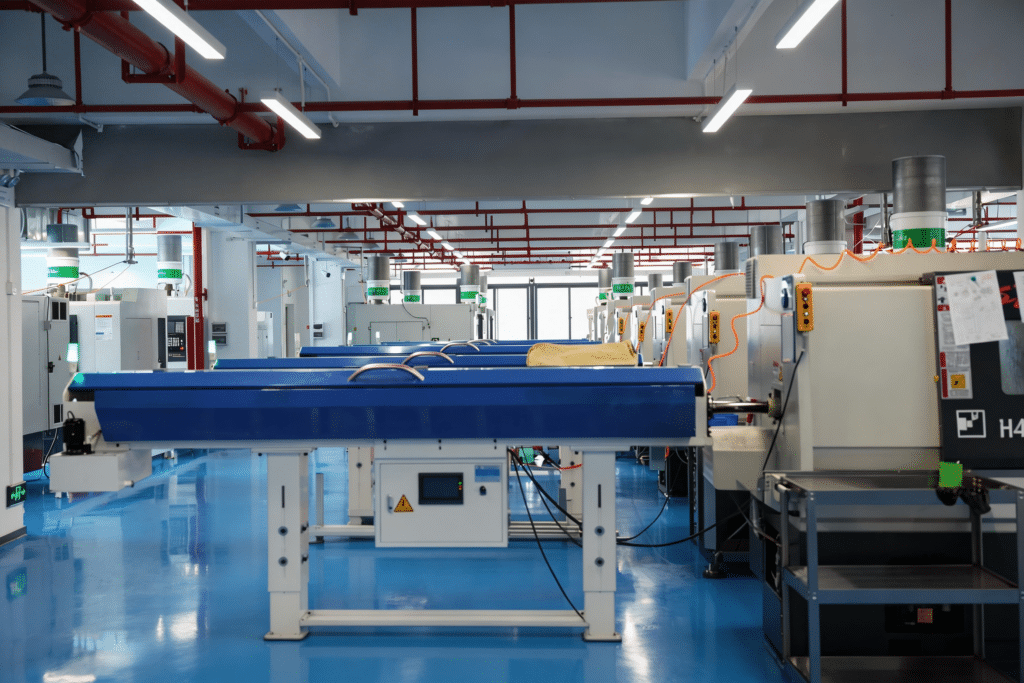
Токарные станки с ЧПУ Keyfix обрабатывают все три шаблона для обеспечения единообразия. шаг и глубина накатки по всей окружности наружного диаметра, с использованием формовочных инструментов, которые проверяются после каждой смены инструмента. Неравномерная глубина накатки — когда часть наружного диаметра плоская — является одним из наиболее распространенных видов отказов при серийном производстве рифленых вставок в недостаточно оборудованных инструментальных цехах.
Способ установки: термофиксация, ультразвуковая обработка и формование.
Для каждого способа установки требуются различные размеры и геометрические параметры гайки с насечкой. На чертеже следует указывать способ установки, а не только размер резьбы.
| Способ установки | Описание процесса | Требуемый допуск по внешнему диаметру | Предпочтение насечки | Совместимые пластмассы |
|---|---|---|---|---|
| Термофиксация | Паяльник или термофен расплавляют пластик вокруг гайки. | Допустимое отклонение ±0,05 мм. | Прямой или крест | PLA, ABS, PETG, PPS, PC |
| Ультразвуковой | Высокочастотная вибрация генерирует локальное тепло. | Предпочтительно ±0,02 мм | Крест или ромб | ABS, PC, PA, PPS |
| Встроенный | Вставка устанавливается на штифт сердечника пресс-формы; пластик обтекает её. | требуется ±0,005–0,01 мм | Алмаз или крест + андеркат | Все термопласты |
| Прессовая посадка (холодная) | Механическая сила при комнатной температуре | требуется ±0,005 мм | Прямой или крест | Полиэтилен высокой плотности, нейлон |
Установка методом формования является наиболее точной. Если наружный диаметр гайки с насечкой превышает стандартный на 0,1 мм, При попадании в сердечник пресс-формы деталь не может плотно прилегать; при уменьшении размера на 0,1 мм пластик не полностью обтекает насечку, образуя пустоты, которые снижают прочность фиксации на 30–50%. Именно здесь допуски по каталогу ±0,05 мм становятся недостаточными для производственных пресс-форм, и требуется точность ±0,005 мм.
🔧 Keyfix на практике: Для программ по изготовлению литых гаек с насечкой компания Keyfix предоставляет предсерийные образцы с полными отчетами КИМ (координатно-измерительной машины) по внешнему диаметру, длине и глубине накатки до квалификации инструмента. Это позволяет команде, занимающейся литьем под давлением, проверить соответствие стержня и штифта перед резкой стали, что исключает наиболее дорогостоящий сценарий внесения изменений на поздних этапах разработки пластиковых деталей.
Ищете программу для вставки элементов методом литья или термофиксации? Отправьте свой чертеж и информацию о материале основы инженерам Keyfix, и мы порекомендуем подходящую геометрию накатки, латунный сплав и допуск на внешний диаметр для вашего способа установки — как правило, в течение 48 часов.
Варианты обработки поверхности латунных гаек с насечкой M4, M6, M8
Необработанная латунь (естественное золотистое покрытие после обработки на станке с ЧПУ) является стандартным вариантом и подходит для большинства сухих помещений. При изменении условий эксплуатации обработка поверхности существенно влияет на коррозионную стойкость и электрические характеристики.
| Отделка поверхности | Диапазон толщины | Коррозионная стойкость | Электрический эффект | Типичный сценарий использования |
|---|---|---|---|---|
| Натуральный / обработанный механическим способом | — | Умеренный (необработанная латунь) | Базовая проводимость | Стойки для печатных плат, общая электроника |
| Никелированная пластина | 3–8 мкм | Хороший | Немного более низкая проводимость | Автомобильная промышленность, бытовая электроника |
| Жестяная пластина | 3–10 мкм | Хороший | Повышена надежность контактов | Вставки электрических контактов |
| Серебряная тарелка | 1–5 мкм | Отличный | Лучшая проводимость | ВЧ-разъемы, сильноточные клеммы |
| Цинковая пластина | 5–12 мкм | Хороший | — | Общая промышленность |
| Хромированная пластина | 0,5–3 мкм | Отличный | — | Декоративный + функциональный |
Для автомобильных пластиковых корпусов в рамках программ IATF 16949, никелевая пластина толщиной 5–8 мкм Это наиболее распространенное преимущество: материал выдерживает 240-часовое испытание солевым туманом в соответствии со стандартом ISO 9227 и циклическую перегрев под капотом в диапазоне от −40°C до +125°C.
Совместимость: Какие виды пластика лучше всего подходят для латунных гаек с насечкой?
Прочность на разрыв, термические свойства и твердость поверхности пластика — все эти факторы влияют на удерживающие свойства. Мягкие или очень гибкие полимеры не обеспечивают такого же сцепления с рифленой поверхностью, как жесткие конструкционные пластики.
| Пластик | Твердость по Шору D | Совместимость с термофиксацией | Встроенный | Примечания |
|---|---|---|---|---|
| АБС | 75–85 | ✅ | ✅ | Стандарт для корпусов электронных устройств |
| НОАК | 80–90 | ✅ | ❌ (слишком хрупкий) | только 3D-печать |
| ПЭТГ | 75–80 | ✅ | ✅ | Подходит для 3D-печати конструкционных деталей. |
| PA6 / PA66 (нейлон) | 75–85 | ✅ | ✅ | Автомобильные зажимы, кронштейны |
| Поликарбонат (ПК) | 80–90 | ✅ | ✅ | Оптика, медицина, электроника |
| ППС | 85–95 | ✅ | ✅ | Автомобильные высокотемпературные детали под капотом |
| ПП | 55–70 | ✅ (незначительно) | ✅ | Потребительская упаковка, малогабаритная |
| ПИК | 85–95 | ❌ (требуется ультразвуковая обработка) | ✅ | Аэрокосмическая отрасль, медицинские приборы |
💡 Примечание инженера: В нейлоне PA66 влагопоглощение достигает 2,5% по весу В условиях повышенной влажности это приводит к расширению внутреннего диаметра. Для гаек с насечкой, запрессованных в нейлон, укажите внешний диаметр. размер на 0,1–0,2 мм больше стандартного. по сравнению с номинальным диаметром для поддержания силы удержания после достижения равновесия при поглощении влаги.
Как Соответствовать требованиям Поставщик латунных гаек с насечкой на заказ
Пять технических контрольных точек отличают компетентного поставщика от того, кто проходит визуальный осмотр, но не проходит тесты на сохранение данных.
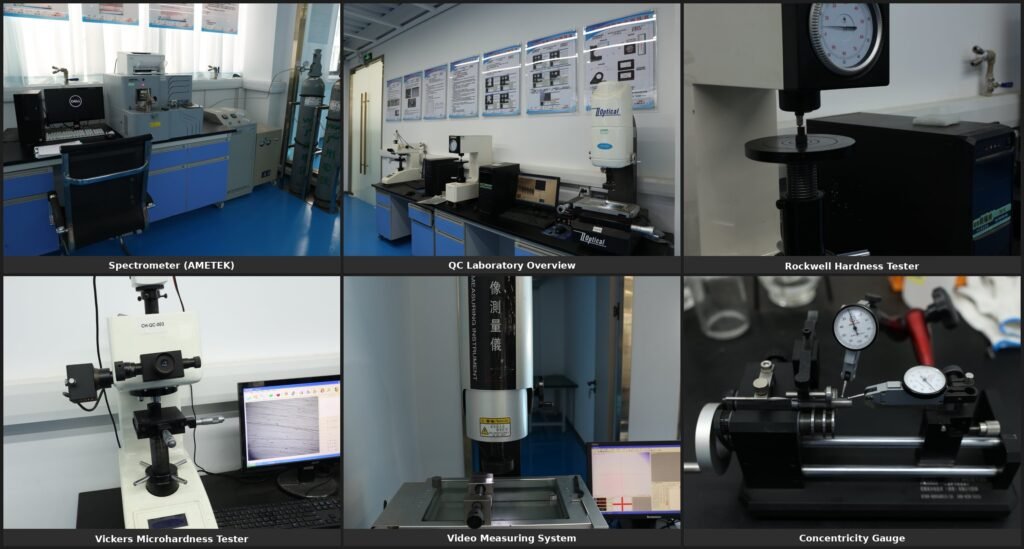
1. Прослеживаемость размеров. Может ли поставщик предоставить отчеты КИМ (координатно-измерительной машины) по внешнему диаметру, длине и внутреннему диаметру отверстия (для подтверждения резьбы 6H) для каждой производственной партии, а не только для первого образца?
2. Равномерность насечек. Проводит ли поставщик проверку? глубина накатки по окружности, А что насчет не только нити? Неравномерная глубина означает неравномерное удержание. Запрашивайте данные о профиле поверхности, а не просто визуальный результат «прошел/не прошел».
3. Сертификация материалов. Является ли 3,1 м по стандарту EN 10204 Выдается ли она с каждой партией груза, с указанием конкретного латунного завода и номера партии?
4. Система качества. Для автомобильных программ, IATF 16949 Минимальные требования включают наличие полного пакета PPAP уровня 3. Для электронных и общепромышленных программ базовым стандартом является ISO 9001. Компания Keyfix работает в соответствии со стандартом IATF 16949 и имеет собственную метрологическую базу, включая измерение резьбы, координатно-измерительные машины и измерение качества поверхности.
5. Поддержка индивидуального дизайна. Квалифицированный поставщик анализирует материал основания, метод монтажа и эксплуатационную нагрузку, а затем... рекомендуемый допуск по внешнему диаметру и рисунок накатки Перед изготовлением режущего инструмента, а не после того, как первый запуск пресс-формы выявит нарушение фиксации.
Часто задаваемые вопросы
Каков минимальный объем заказа (MOQ) для изготовления гаек с накаткой из латуни M4, M6 и M8 по индивидуальному заказу?
Для изготовленных на заказ латунных гаек с насечкой, обработанных на станках с ЧПУ, минимальный объем заказа обычно начинается от 500–2000 штук на размер, В зависимости от внешнего диаметра, рисунка накатки и обработки поверхности. Варианты со стандартной геометрией и нестандартной длиной часто могут производиться при более низких минимальных объемах заказа. Перед началом производства доступны первые образцы (50–100 штук) с полными отчетами КИМ.
Каков срок изготовления образцов латунных гаек с насечкой на заказ?
Программирование ЧПУ и изготовление оснастки для новой нестандартной геометрии рифленой гайки требуют 3–5 дней. Первые образцы обычно отправляются в течение 1–2 недели. При необходимости нанесения гальванического покрытия (никель, олово, серебро) добавьте 1–2 недели. Полная подача документов PPAP уровня 3 для автомобильных программ добавляет еще 2–4 недели после утверждения образцов.
Вы можете поставлять гайки с насечкой и фланцевыми головками для применения на печатных платах?
Да. Варианты с фланцами — где воротник большего диаметра располагается над рифленым корпусом — это стандартный запрос на изготовление стоек для печатных плат, где фланец прилегает к поверхности платы и обеспечивает как электрическое заземление, так и механический упор. Внешний диаметр фланца, толщина и длина корпуса могут быть указаны по желанию заказчика.
Какой стандартный допуск на резьбу для латунных гаек с насечкой?
Внутренняя резьба обрабатывается для ISO 965-1 класс 6H В стандартной комплектации. Для программ, где точность измерения критически важна, доступны более жесткие классы (5H). Все резьбовые отверстия проверяются с помощью калибровочных приборов, откалиброванных по прослеживаемым стандартам; данные о точности и воспроизводимости измерений предоставляются по запросу для подачи документов в PPAP.
Вы поддерживаете использование латуни, соответствующей требованиям RoHS/REACH, в программах ЕС?
Да. Латунь с низким содержанием свинца (CW603N / C35330) Для программ, требующих соответствия Директиве ЕС 2020/2184 или ограничениям REACH, установленным заказчиком, доступны сплавы, устойчивые к обесцинкованию (CW602N). Декларация о материалах IMDS и документация о соответствии требованиям REACH включены в пакеты PPAP без дополнительной платы.
Какая документация поставляется с каждой производственной партией?
Стандартная документация включает: 3.1 Протокол испытаний мельницы Для латунных заготовок в соответствии со стандартом EN 10204 предоставляются протоколы контроля размеров критически важных элементов с помощью координатно-измерительной машины (КИМ), протоколы проверки резьбы на проходной/непроходной диаметр, измерения толщины обработки поверхности и сертификат соответствия. Для автомобильных программ IATF 16949 доступен полный пакет PPAP уровня 3 с анализом видов и последствий отказов (FMEA), планом контроля и анализом безопасности материалов (MSA).
Какие правила Инкотермс вы поддерживаете?
Условия поставки FOB Гуанчжоу стандартные. Доступны также CIF, CIP и DDP. Морские перевозки из Нинбо в Лос-Анджелес осуществляются на условиях FOB. 18–22 дня; в Гамбург или Роттердам 25–30 дней. Авиаперевозки доступны для заказов первого образца и срочных заказов — как правило, 3–5 дней Доставка до двери. Все латунные крепежные элементы поставляются в влагозащитной упаковке с антипиренами для предотвращения потускнения во время транспортировки.
Отправьте чертеж гайки с насечкой, включая размер резьбы, внешний диаметр, длину, тип насечки, материал основы и способ установки, по адресу [адрес электронной почты]. Команда инженеров Keyfix. Мы проверим геометрию в соответствии с возможностями нашего станка с ЧПУ, подтвердим правильный выбор латунного сплава и обработки поверхности для ваших условий эксплуатации и в течение 48 часов предоставим отчет о проектировании с учетом технологичности (DFM) и коммерческое предложение.
Автор: Команда инженеров Keyfix Опубликовано: 17 мая 2026 г. Последнее обновление: 17 мая 2026 г.