
Комплекты шплинтов, изготовленные на заказ, охватывают гораздо более широкий инженерный спектр, чем простой разрезной штифт, который обычно представляют себе люди. Полный комплект включает в себя разрезные шплинты (DIN 94 / ISO 1234), R-образные стопорные кольца, шпильки, резьбовые штифты с шплинтами и алюминиевые или нержавеющие предохранительные штифты — каждый из которых разработан для конкретных условий нагрузки, вибрации и коррозии. Независимо от того, что вы ищете... сельскохозяйственная техника, автомобильные шасси, наземное оборудование для аэрокосмической отрасли или морское оборудование, Правильное сочетание материала, процесса и отделки определяет, выдержит ли штифт однократное использование или нет. Более 20 000 циклов вибрации. Это руководство предоставляет вам структуру на уровне технических характеристик для составления запроса предложений по шплинтам, позволяющего получить точные расценки от квалифицированных производителей в Китае.
Краткое содержание — Основные выводы
- Разрезные шплинты DIN 94 / ISO 1234 охватывают диаметры от от 0,6 мм до 20 мм со стандартизированной геометрией длины зубцов, что обеспечивает стабильное раскрытие.
- Углеродистая сталь (1010, 1018) используется по умолчанию; нержавеющая сталь A2 (304) и A4 (316L) добавляются по мере необходимости. 300–500 часов солевого тумана улучшение; алюминий снижает вес штифта на 65 % для аэрокосмической отрасли и применений, где важен вес.
- Цинковое покрытие, горячее цинкование и покрытия Dacromet охватывают широкий диапазон коррозионной стойкости, начиная с... от 96 часов до 1000+ часов Согласно стандарту ASTM B117 — выбирайте, исходя из условий окружающей среды, а не по внешнему виду.
- Резьбовые штифты с интегрированными отверстиями для шплинтов объединяют два крепежных элемента в одну сборку, сокращая количество строк в спецификации и время сборки. 30–40 % на сельскохозяйственных орудиях.
- Прочность на сдвиг шплинта из нержавеющей стали A2 диаметром 5 мм составляет приблизительно 2,8 кН на плоскость сдвига — При закупке у нового поставщика проверяйте товар физическими испытаниями, а не по каталогу.
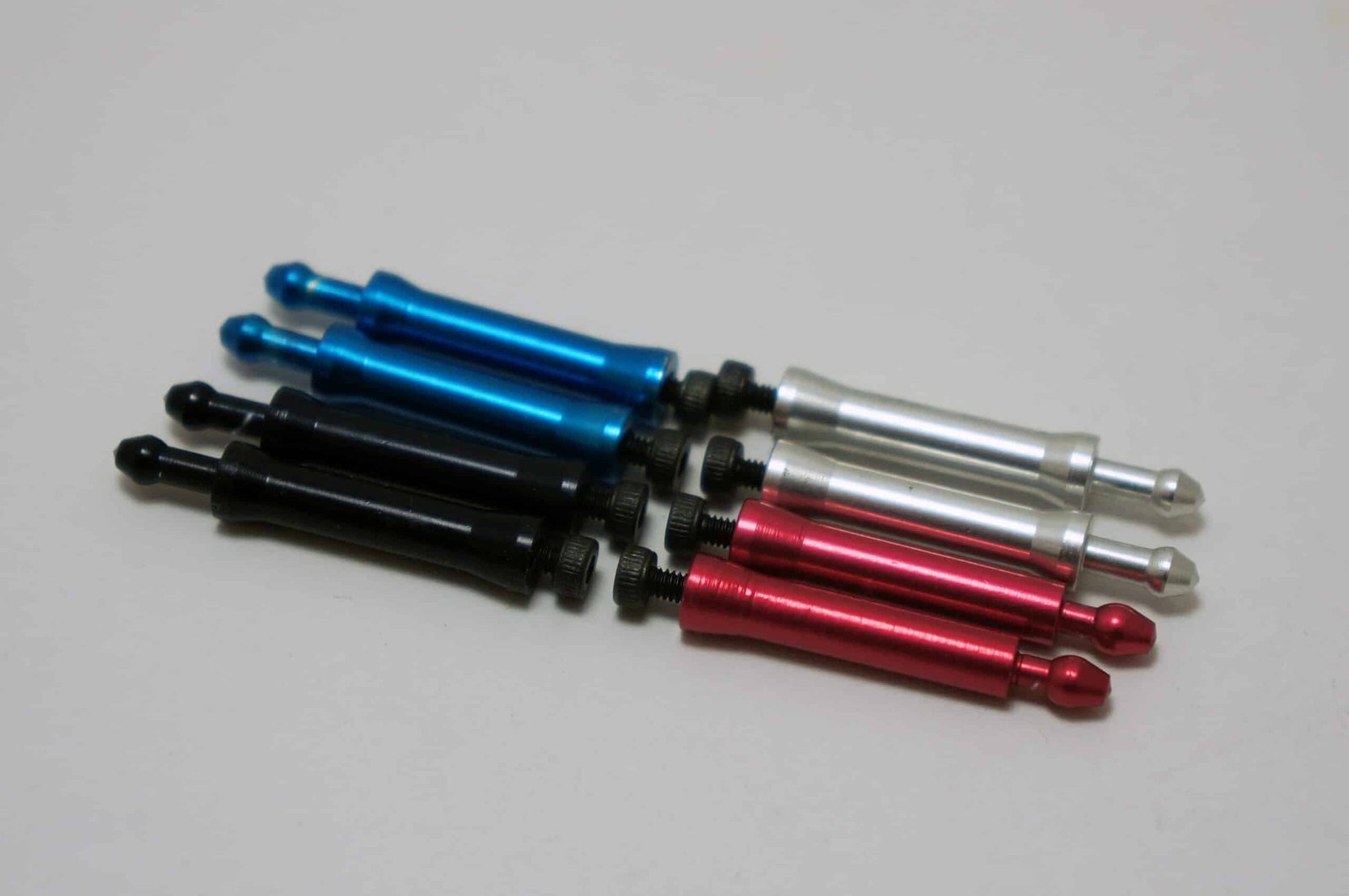
Какие типы шплинтов входят в полный комплект для самостоятельной сборки?
Комплект шплинтов — это не один продукт, а семейство стопорных штифтов, объединенных общей функцией (предотвращение осевого перемещения сопрягаемых деталей), но различающихся геометрией, способом установки и возможностью повторного использования.
| Тип контакта | Стандарт | Установка | Съемный? | Типичное применение |
|---|---|---|---|---|
| Разрезной шплинт (DIN 94 / ISO 1234) | DIN 94, ISO 1234, ASME B18.8.1. | Вставьте и согните зубцы. | Одноразовое использование (изгиб повреждает контакты) | Гайки с коронкой, шарнирные соединения, полуоси. |
| R-образный зажим (шплинт в форме шпильки) | DIN 11024, ASME B18.8.1 | Пружинный щелчок в пазу | Да — многоразовое использование, более 50 циклов. | Быстросъемные устройства, сельскохозяйственные |
| Запорный штифт в форме бабочки | Нет — собственность | Вставьте в отверстие, пружинный фиксатор | Да | Промышленное оборудование, конвейерные системы |
| Резьбовой штифт с отверстием для шплинта | ASME B18.8.1 тип 7 | Вставьте шплинт через отверстие | Да (заменить шплинт) | Тракторные сцепные устройства, гидравлические цилиндры |
| Линч-пин | DIN 11023 | Вставьте подпружиненный шариковый замок. | Да | Фаркопы, буксировочное оборудование |
| Алюминиевая английская булавка | Пользовательская геометрия | Изогнутый замок | Одноразовое использование | Аэрокосмические узлы, критически важные по весу |
| Быстросъемный шариковый фиксатор | Военный стандарт MS17984/17985 | Нажмите кнопку, чтобы убрать шарики. | Да — более 1000 циклов | Аэрокосмическая отрасль, военная промышленность, наземное обеспечение |
Разрезной шплинт DIN 94 занимает лидирующие позиции в мировом рынке — именно его чаще всего подразумевают под “шплинтом”. Но для инженеров-закупщиков, разрабатывающих полный комплект по индивидуальному заказу, это не совсем то, что нужно. R-образный стопор и резьбовой штифт Они несут одинаковый вес: R-образный зажим используется для быстроразъемных соединений (для снятия не требуются инструменты), а резьбовой штифт заменяет отдельный узел штифт-плинт на единое болтовое соединение, которое быстрее устанавливается на линии.
💡 Примечание инженера: Если вы сотрудничаете с производителем сельскохозяйственной техники, рассмотрите возможность указания стопорных колец R-типа и резьбовых штифтов для любых соединений, которые обслуживаются чаще одного раза в год. Конечные пользователи не носят с собой плоскогубцы — они носят с собой гаечный ключ, который уже есть на тракторе. Быстросъемная конструкция значительно сокращает время обслуживания и количество обращений по гарантии по поводу “отсутствующего шплинта”.
Какие стандарты на шплинты действуют во всем мире?
Технические характеристики шплинтов подразделяются на три группы региональных стандартов, а также существуют аэрокосмические и военные стандарты, которые имеют приоритет над региональными нормами в соответствующих отраслях.
| Стандарт | Область | Объем | Диапазон диаметров | Технические характеристики материала |
|---|---|---|---|---|
| DIN 94 | Германия / ЕС | Разрезные шплинты, метрические | 0,6 – 20 мм | Сталь, нержавеющая сталь A2/A4, латунь |
| ISO 1234 | Международный (эквивалент DIN 94 по стандарту ISO) | Разрезные шплинты, метрические | 0,6 – 20 мм | Сталь, нержавеющая сталь A2/A4 |
| ASME B18.8.1 | США | Шплинты, вилочные штифты, дюймовая серия | 1/32″ – 3/4″ | Углеродистая сталь, нержавеющая сталь 18-8 |
| GB/T 91 | Китай | Разрезные шплинты, метрические (национальный стандарт) | 0,6 – 20 мм | Сталь, нержавеющая сталь |
| JIS B 1351 | Япония | Разрезные шплинты, метрические | 0,6 – 13 мм | Сталь, нержавеющая сталь |
| AS9100 / NAS | Аэрокосмическая отрасль | Система контроля качества + габаритные обозначения | Согласно чертежу | Сталь с кадмиевым покрытием, нержавеющая сталь A286 |
| MS24665 / MS17984 | Военные США | Шплинты, быстросъемный фиксатор с шаровым фиксатором | Согласно технической спецификации | кадмиевое покрытие, нержавеющая сталь, инконель |
Для большинства коммерческих автомобильных, сельскохозяйственных и промышленных применений, Стандарты DIN 94 и ISO 1234 имеют идентичные размеры. — Деталь, соответствующая стандарту DIN 94, будет удовлетворять требованиям стандарта ISO 1234. То же самое в значительной степени справедливо и для стандарта GB/T 91 (китайский национальный стандарт), который практически не отличается от ISO 1234. Если вы закупаете продукцию в Китае для экспорта в Европу, указание на чертеже “DIN 94 / ISO 1234 / GB/T 91” устраняет любую двусмысленность относительно того, какая система размеров применяется.
⚠️ Распространённая ошибка: Указание “шплинт согласно ASME B18.8.1” для узла, изготовленного в метрической системе, вынуждает производителя использовать проволоку дюймового ряда, что часто влечет за собой надбавку к стоимости материала в 30–50 тонн (%) и увеличение срока поставки на 3–4 недели. Если отверстие в узле метрическое, укажите метрический стандарт шплинта — даже для узла, предназначенного для производства в США.
Как это сделать Материал Какие факторы влияют на эффективность работы шплинта?
Приводы для отбора материалов срок службы при коррозии, прочность на сдвиг, поведение, связанное с усталостью, и стоимость за штуку. Пять основных семейств материалов занимают свою особую, оптимальную нишу.
Низкоуглеродистая сталь (1010, 1018) Это стандартный объем. Он дешев, легко формуется и поддается любой распространенной обработке поверхности. Прочность на растяжение умеренная (350–420 МПа), но шплинты редко работают вблизи предела прочности материала — это геометрические замки, а не несущие элементы.
Среднеуглеродистая сталь (1035, 1045) Используется, когда шплинт также выполняет функцию элемента, воспринимающего сдвиговую нагрузку (редко, но встречается в некоторых быстроразъемных соединениях в сельском хозяйстве). Растягивающий потенциал достигает... 600 МПа с термообработкой методом закалки и отпуска.
Нержавеющая сталь A2 (304 / 18-8) Это универсальный материал для работы на открытом воздухе и в условиях слабой коррозии. Присущая ему коррозионная стойкость исключает необходимость нанесения покрытия, а прочность на растяжение повышается. 500–700 МПа в состоянии холодной вытяжки.
Нержавеющая сталь A4 (316L) содержит молибден (2–3 %), что делает его правильным выбором для морская среда, среда, контактирующая с пищевыми продуктами, и среда с высоким содержанием хлоридов. Стоимость составляет приблизительно 1,4 × нержавеющая сталь A2.
Алюминий (5052, 6061) сбрасывает вес на 65 % По сравнению со сталью, это достигается ценой снижения прочности на сдвиг примерно на 40 %. Он используется почти исключительно в аэрокосмической отрасли и в областях применения, где критически важен вес, и где штифт не несет номинальной нагрузки на сдвиг.
| Материал | Предел прочности на растяжение (МПа) | Предел прочности на сдвиг (МПа) | Плотность (г/см³) | Коррозия без покрытия | Относительная стоимость | Лучшее приложение |
|---|---|---|---|---|---|---|
| Низкоуглеродистая сталь 1010 | 350–420 | 280–340 | 7.87 | Плохое качество (требует покрытия) | 1.0× | Оцинкованная сталь для общего промышленного и сельскохозяйственного применения. |
| Среднеуглеродистая сталь 1045 | 580–620 | 420–460 | 7.85 | Бедный | 1.1× | Быстроразъемные соединения, подверженные сдвиговой нагрузке |
| Нержавеющая сталь A2 (304) | 500–700 | 450–550 | 8.00 | Отличный | 2,8× | На открытом воздухе, в автомобильной отрасли, в сфере общественного питания. |
| Нержавеющая сталь A4 (316L) | 500–700 | 450–550 | 8.00 | Выдающийся (хлорид) | 3,9× | Морской, химический, прибрежный флот |
| Алюминий 5052 | 195–230 | 125–140 | 2.68 | Хорошо (анодирование улучшает качество) | 1,8× | Аэрокосмическая отрасль, критически важный вес |
| Алюминий 6061-Т6 | 290–320 | 200–230 | 2.70 | Хорошее (анодирование) | 2.0× | Повышенная прочность, критически важный по весу |
| Латунь C26000 | 310–380 | 215–270 | 8.53 | Отличный | 4,5× | Электротехнические, морские, декоративные |
| Медь C110 | 200–250 | 140–180 | 8.96 | Окисляется (образует патину) | 5.0× | Контакты заземления электропроводки |
В большинстве случаев при принятии решений о закупках практический короткий список сужается до трех вариантов: углеродистая сталь + цинковое покрытие (самая низкая стоимость), нержавеющая сталь A2 (средней стоимости, коррозионностойкий) или нержавеющая сталь A4 (Премиум-класс по защите от коррозии для морского/химического применения). Алюминий и латунь — это специальные материалы, используемые в зависимости от веса или электрических характеристик.
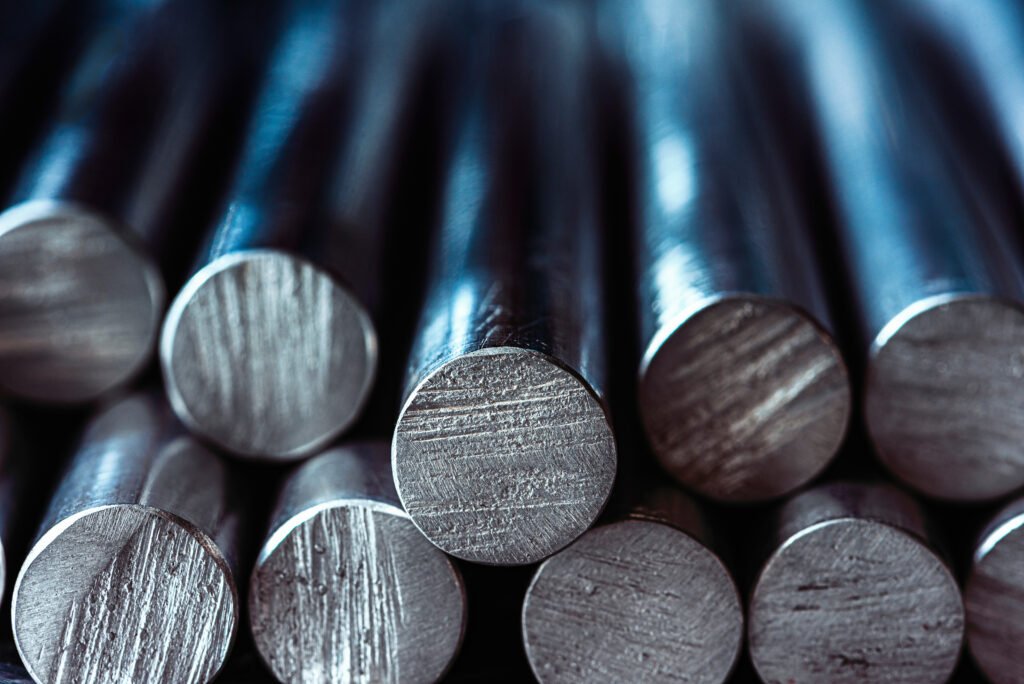
Какие виды обработки поверхности следует предусмотреть для шплинтов?
Для стальных шплинтов обработка поверхности является обязательной — голая сталь ржавеет в течение нескольких дней при воздействии внешней среды. Выбор метода обработки должен учитывать баланс. срок службы при коррозии, появление, расходы, и соответствие нормативным требованиям (RoHS, REACH, ограничения на использование веществ в автомобильной промышленности).
| Уход | Толщина (мкм) | Солевой туман (часы) | Индекс стоимости | Наилучшее применение |
|---|---|---|---|---|
| Электролитическое покрытие трехвалентным цинком | 5–12 | 96–240 | 1.0× | В помещении, умеренно тепло на улице |
| Горячее цинкование | 25–85 | 500–1500 | 1,6× | Тяжелый наружный, сельскохозяйственный, инфраструктурный |
| Цинк-никель (12–15 % Ni) | 8–15 | 720–1000+ | 2,2× | Днище автомобиля, эксплуатация в тяжелых условиях |
| Дакромет / Геомет (цинковые хлопья) | 6–10 | 500–1000 | 2,5× | Высокопрочная сталь (отсутствие риска охрупчивания водородом) |
| Черный оксид + масло | 1–3 | 24–96 | 0,6× | Внутреннее устройство механизмов, декоративное |
| Фосфат + масло | 3–8 | 48–96 | 0,8× | Временная защита, автомобильный узел |
| Механическое цинкование | 8–15 | 200–500 | 1,4× | Высокопрочная сталь, для которой обжиг при температуре H₂ нецелесообразен. |
| Кадмиевое покрытие (устаревшая технология) | 5–13 | 200–500 | 2.0× | Аэрокосмическая и военная отрасли (ограничения в соответствии с регламентом REACH в ЕС) |
Горячее цинкование Это подходящий выбор для шплинтов в сельском хозяйстве, судостроении и для наружной инфраструктуры. Толщина покрытия 25–85 мкм значительно тяжелее гальванического цинка, что обеспечивает... В 5–15 раз более длительный срок службы при коррозии при испытаниях в солевом тумане. Компромисс: гальванизация приводит к увеличению размеров, что может потребовать установки отверстий увеличенного диаметра, а толстый слой цинка может препятствовать изгибанию зубцов в очень маленьких шплинтах (M2 и ниже).
Для автомобильной промышленности, где важны вес, точность размеров и устойчивость к солевому туману, Дакрометные или цинково-никелевые покрытия доминировать. Оба добиваются успеха. солевой туман более 720 часов без риска водородного охрупчивания, который возникает при традиционном цинковании высокопрочной стали.
Keyfix обслуживает собственными силами Линии нанесения дакрометного и цинк-никелевого покрытий, Толщина каждого изделия проверяется методом рентгеновской флуоресценции (XRF) на каждой производственной партии. Горячее цинкование осуществляется квалифицированными субподрядчиками в соответствии с протоколами прослеживаемости IATF 16949.
Как изготавливаются шплинты на заказ в Китае?
Для производства комплектов шплинтов используются три основных процесса, каждый из которых подходит для различных геометрических форм, объемов и марок материалов.
Формирование проволоки с помощью изгиба Это основной процесс изготовления разъемных шплинтов DIN 94. Предварительно нарезанные заготовки проволоки загибаются сами на себя, головная петля формируется в обжимной матрице, а два зубца выравниваются по заданной разнице длин. Производительность автоматизированных линий по формовке проволоки достигает 300–800 штук в минуту для штифтов малого диаметра (M2–M6).
Холодная головка Применяется, когда шплинт имеет увеличенную головку, выступ или интегрированную резьбу (шплинт с отверстием для шплинта). Холодная штамповка обеспечивает непрерывный поток зерна через переход от головки к стержню, обеспечивая 40–60 % более высокая усталостная прочность чем аналогичные обработанные детали.
Обработка на станках с ЧПУ Обрабатывает резьбовые штифты, детали нестандартной геометрии и мелкосерийные специальные штифты. Токарные станки швейцарского типа обеспечивают... ±0,005 мм по критическим диаметрам — точности, необходимой для шарнирных соединений с жесткими допусками, где зазор между штифтом и отверстием влияет на жесткость соединения.
| Процесс | Лучше всего подходит для | Диапазон громкости | Допуск | Время цикла |
|---|---|---|---|---|
| Формирование и гибка проволоки | Стандартные разрезные штифты DIN 94 | 50 тыс. – 50 млн. | Диаметр проволоки ±0,05 мм. | 300–800 шт/мин |
| Холодная головка | Шарнирные штифты, штифты с головкой | 10 км – 5 м | ±0,05 мм (в исходном состоянии); ±0,02 мм с использованием вторичного ЧПУ | 60–150 шт/мин |
| Обработка на станках с ЧПУ (швейцарская технология) | Резьбовые штифты, нестандартная геометрия. | 500 – 50 тыс. | ±0,005 мм | 1–4 мин/шт. |
| Штамповка + гибка | Алюминиевые заколки-шпильки, R-образные зажимы | 100 тыс. – 5 млн. | ±0,10 мм | 200–500 шт/мин |
| Намотка пружин + формовка | Штифты крепления, быстросъемный шариковый фиксатор | 5K – 500K | ±0,10 мм | 60–200 шт/мин |
Компания Keyfix эксплуатирует линии по формовке проволоки, многопозиционные установки для холодной штамповки, 5-осевые обрабатывающие центры с ЧПУ серии STS C, токарные станки швейцарского типа с системой управления SYNTEC и прогрессивные штамповочные прессы грузоподъемностью 50–300 тонн. Данный профиль оборудования охватывает все типы шплинтов, начиная от... Шплинт DIN 94 0,6 мм к Резьбовой штифт M16 с плоской поверхностью, предотвращающей вращение., Все это в рамках единой системы качества IATF 16949.
🔧 Keyfix на практике: В рамках недавнего заказа от производителя сельскохозяйственной техники... 1,2 миллиона наименований шплинтов различного типа в год. — охватывая 8 различных диаметров для разъемных соединений DIN 94, R-образных зажимов и резьбовых штифтов — Keyfix объединила всю линейку продукции на двух производственных линиях (проволочная формовка для разъемных соединений и R-образных зажимов, швейцарский станок с ЧПУ для резьбовых штифтов). Подход с одним поставщиком позволил сократить накладные расходы заказчика на закупки примерно на 40 % в отличие от их предыдущего соглашения с тремя поставщиками.
Какие варианты резьбовых штифтов заменяют стандартные шплинты?
Резьбовые штифты — это современная альтернатива традиционным соединениям типа «штифт-плинт». Они преобразуют двухкомпонентное фиксирующее соединение в единый резьбовой крепеж с эквивалентной или даже лучшей степенью фиксации.
| Резьбовой штифтовой тип | Метод блокировки | Можно использовать повторно? | Лучшее приложение |
|---|---|---|---|
| Резьбовой штифт (наружная резьба + гайка) | Гайка + стопорный состав или нейлоновая вставка | Да | Проушины штока гидравлического цилиндра, сцепные устройства для тракторов. |
| Резьбовой штифт с отверстием для шплинта | Шплинт проходит через поперечно просверленное отверстие | Коттер является расходным материалом. | Тяжелая техника, сельскохозяйственное оборудование |
| Штифт с резьбовым концом | Резьбовой конец + гайка прижата к упору | Да | Шарнирные соединения, соединительные штифты |
| Штифт с самоконтрящейся резьбой | Предварительно нанесенная нейлоновая заплатка | Да (3–5 циклов) | Вибрационные соединения |
| Быстросъемный штифт с фиксатором резьбы | Пружинный фиксатор + зацепление резьбы | Да | Частые отключения сервиса |
При принятии решения о том, что лучше: шплинт или резьбовой штифт, обычно все сводится к следующему: частота обслуживания и класс загрузки. Для периодов обслуживания с низкой частотой (год или более) и умеренных нагрузок традиционный штифт с клином оказывается дешевле. Для периодов обслуживания с высокой частотой или значительных сдвиговых нагрузок резьбовой штифт обеспечивает лучшую общую стоимость владения.
Нужна помощь в выборе подходящего шплинта или резьбового штифта? Отправьте свой сборочный чертеж инженерам Keyfix — мы укажем, какие разъемные штифты DIN 94, R-образные зажимы, резьбовые штифты или нестандартное гибридное решение лучше всего подойдут для вашего применения. Срок выполнения обычно составляет 48 часов. Электронная почта: sales@keyfixpro.com
Как проверить работоспособность шплинта?
Четыре теста определяют, соответствует ли изготовленный на заказ комплект шплинтов техническим требованиям.
испытание на прочность при сдвиге — Измеряет усилие, необходимое для разрушения штифта при одинарном или двойном срезе. Для штифта из нержавеющей стали A2 стандарта DIN 94 диаметром 5 мм разрушение при одинарном срезе обычно происходит при 2,5–3,0 кН.
Прочность на изгиб зубцов — Проверяет, можно ли разогнуть штифты разъемного типа. 90° с каждой стороны без растрескивания, проверка пластичности проволоки после формовки.
Солевой туман (ASTM B117) — Стандартный раствор NaCl 5 % при температуре 35 °C. Оцинкованные стальные штифты, как правило, должны выдерживать такую нагрузку. 96–240 часов без красной ржавчины.
Сила вытягивания/удержания — Для R-образных зажимов и шариковых фиксаторов измеряется осевая сила, необходимая для смещения штифта. Отраслевые рекомендации: ≥ 30 Н для шпилек, ≥ 80 Н для шариковых фиксаторов.
| Тест | Метод | Критерии прохождения (типичные) | Оборудование |
|---|---|---|---|
| прочность на сдвиг | Одинарный или двойной сдвиг в калиброванном приспособлении | В соответствии со спецификацией материала (например, 2,8 кН для стали A2 толщиной 5 мм) | Универсальный испытатель на растяжение + приспособление для сдвига |
| Изгиб зубцов | Согните зубцы на 90° с каждой стороны, проверьте на наличие трещин. | Видимых трещин нет. | Ручной тест на изгиб + увеличительное стекло |
| Предел прочности на растяжение (проволоки) | Испытание на растяжение неформованной проволоки | В соответствии со спецификацией материала | испытатель на растяжение |
| Солевые брызги | ASTM B117, 5 % NaCl, 35 °C | 96–1000 часов в зависимости от покрытия | Камера для солевого тумана |
| Твердость | Виккерс или Роквелл B на поперечном сечении | В соответствии со спецификацией материала | Твердомер |
| Усилие фиксации (R-образный зажим) | Осевое усилие от калиброванного отверстия | ≥ 30 Н | Испытательный стенд для определения прочности на растяжение с зажимным штифтом |
| Габаритная схема | Оптический компаратор или КИМ | Допуск по DIN 94/ISO 1234 | КИМ, оптический компаратор |
| Устойчивость к вибрации | Случайная вибрация в соответствии со стандартом SAE J1455 или спецификациями производителя оборудования. | Отсутствие переломов или выпадений | Вибровибратор |
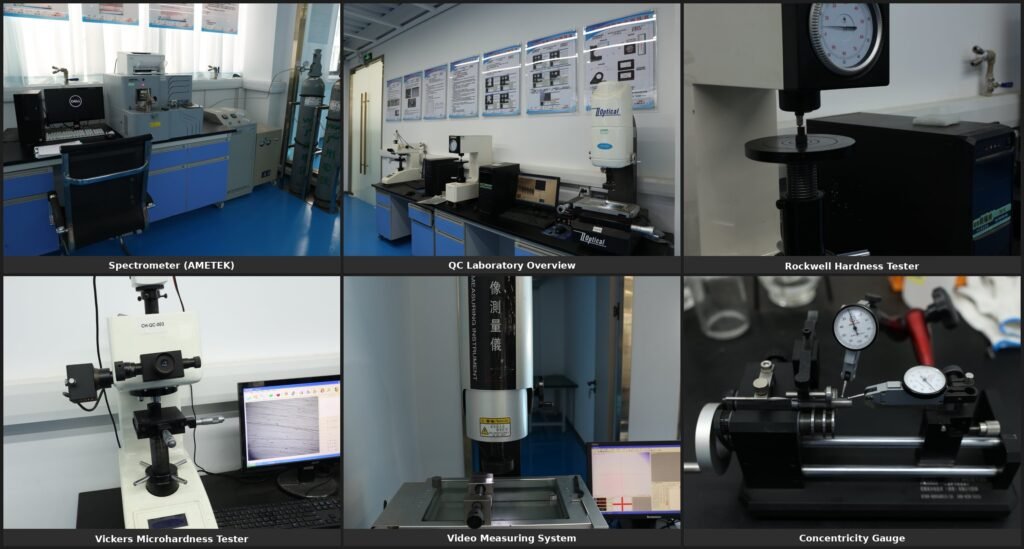
Лаборатория контроля качества Keyfix проводит все восемь тестов собственными силами, а результаты документируются. PPAP Уровень 3 Пакеты для OEM-программ. Сочетание контроля с помощью КИМ (координатно-измерительной машины) на ±0,001 мм, проверка на устойчивость к солевому туману Более 1000 часов На образцах с покрытием, а также при проведении испытаний на прочность на сдвиг в соответствии со стандартом ASTM F606, обеспечивается документально подтвержденная история качества, требуемая для аудитов Tier 1 и Tier 2 в автомобильной промышленности.
Что следует указать на чертеже нестандартного шплинта?
Полная схема шплинта предотвращает неправильную интерпретацию, которая приводит к проценту брака выше 1 % при входном контроле. Вот что должно быть на каждом чертеже.
| Обозначение рисунка | Что указать | Почему это важно |
|---|---|---|
| Стандартная справочная информация | DIN 94, ISO 1234, ASME B18.8.1 или по индивидуальному заказу. | Размеры привязки по умолчанию |
| Номинальный диаметр | Диаметр проволоки (например, 5 мм, 1/8″) | Материал привода, прочность, размер отверстия в головке привода. |
| Общая длина | Длина от кончика до петли с допуском | Обеспечивает соответствие размеров при сборке. |
| Разница в длине зубцов | Длинный зубец против короткого зубца (например, L + 4 мм) | Обеспечивает легкое разведение зубцов |
| Материал | Обозначение сплава (например, нержавеющая сталь A2-70, сталь 1010) | Контролирует прочность, коррозию и стоимость. |
| Обработка поверхности | Тип, толщина, часы воздействия солевого тумана | Определяет срок службы при коррозии |
| Количество / упаковка | Количество штук в упаковке, количество упаковок в коробке, информация на этикетке. | Упрощает комплектацию и отслеживаемость. |
| Соответствие требованиям RoHS / REACH | Заявление RoHS 3 (ЕС 2015/863) | Необходимо для доступа на рынок ЕС. |
📋 Совет специалиста: Для комплектов шплинтов OEM, где несколько артикулов поставляются вместе в виде набора, укажите формат комплектации (блистерная упаковка, полиэтиленовый пакет с картонной этикеткой или коробка с отделениями) на чертеже. Производители обрабатывают комплектацию принципиально иначе, чем оптовые поставки, и этот выбор влияет на себестоимость единицы продукции на 5–15 %.
Как определить производителя шплинтов из Китая?
Поставщики шплинтов охватывают весь спектр качества, от обычных цехов по гибке проволоки до сертифицированных по стандарту IATF 16949 производителей автомобильных комплектующих первого уровня. Приведенный ниже контрольный список позволяет отличить квалифицированных производителей от остальных.
| Точка аудита | Минимальные требования | Статус исправления ключей |
|---|---|---|
| Система качества | Минимальный уровень сертификации: ISO 9001; IATF 16949 для автомобильной промышленности. | Сертифицировано по стандартам IATF 16949 + ISO 9001 + ISO 14001 |
| Проверка материалов | Сертификат производителя на каждую партию; выборочная проверка методом рентгенофлуоресцентного анализа. | AMETEK OES на 100 % входящих тепловых потоков |
| Контроль размеров | Доступен оптический компаратор + координатно-измерительная машина. | Специализированная координатно-измерительная машина в метрологической комнате с регулируемой температурой. |
| Проверка толщины покрытия | Рентгенофлуоресцентный анализ (XRF) каждой партии с покрытием. | Внутреннее рентгенофлуоресцентное исследование каждой партии. |
| Возможность воздействия солевого тумана | Камера ASTM B117 на месте или у квалифицированного субподрядчика. | Разработано внутри компании; проверено в течение более 1000 часов. |
| Испытание на прочность при сдвиге | Универсальный испытатель на растяжение + приспособление для сдвига | Доступно на производственных образцах |
| Реализация SPC | Cpk ≥ 1,33 по критическим размерам | Поддерживается значение Cpk ≥ 1,67, SPC в реальном времени. |
| готовность к применению PPAP | Минимум 3-й уровень для автомобильной отрасли. | Уровни 3–5 с цифровой отслеживаемостью |
| Соответствие экологическим нормам | RoHS, REACH, отчетность по конфликтным минералам | Полный комплект документов, подтверждающих соответствие требованиям. |
| Производственная мощность для выполнения производственных циклов | Стабильный объем производства: более 100 000 изделий в месяц. | Многолинейная формовка проволоки, холодная высадка, ЧПУ |
| Интеграция процессов | Формование + термообработка + нанесение покрытия + контроль качества на собственном производстве | Вертикальная интеграция в рамках единой системы IATF 16949 |
| Срок выполнения образца | Прототип будет готов в течение 2 недель. | 10–14 рабочих дней (стандартный срок) |
Keyfix Вертикально интегрированный производственный комплекс охватывает каждый этап производства, от заготовки проволоки до готового, покрытого гальваническим покрытием и упакованного шплинта, в рамках единой системы качества IATF 16949, что устраняет задержки в координации и пробелы в отслеживаемости, возникающие при разрозненных цепочках поставок на каждом этапе производства.
Что движет изменениями в технических характеристиках шплинтов?
Три отраслевых изменения меняют подход производителей оригинального оборудования к закупке комплектов шплинтов на заказ.
Гальваническая совместимость в сборках из смешанных материалов — Поскольку в конструкциях все чаще используются алюминий, высокопрочная сталь и углепластик, при выборе материала для шплинтов теперь учитывается гальваническая совместимость с основной конструкцией. Для конструкций из смешанных материалов все чаще используются шплинты из нержавеющей стали A4 или анодированного алюминия.
Цели по снижению веса в условиях электрификации — В платформах для электромобилей к каждой строке спецификации применяются агрессивные меры по снижению веса. Алюминиевые и титановые шплинты обеспечивают 40–65 % снижение веса В отличие от стали, более высокая себестоимость единицы продукции оправдана, если суммировать ее по сотням штифтов на один автомобиль.
Ужесточение регулирования в отношении шестивалентного хрома и кадмия. — Переход от пассивации шестивалентным хромом к пассивации трехвалентным хромом, а также поэтапный отказ от кадмирования на рынках ЕС привели к тому, что в целях соответствия требованиям RoHS 3 / REACH выбор покрытия для шплинтов сместился в сторону цинк-никелевых и дакрометных систем.
Часто задаваемые вопросы
Каков минимальный объем заказа (MOQ) для изготовления шплинтов на заказ?
Стандартные шплинты DIN 94 начинаются с 10 000 штук за каждый артикул. Для изготовления изделий нестандартной геометрии (особая длина зубцов, нестандартные материалы, нестандартное покрытие) обычно требуется 50 000 штук для амортизации производственных затрат. Прототипные объемы 100–500 штук Они доступны для проверки конструкции, как правило, в течение 10–14 рабочих дней.
Какие сертификаты имеет компания Keyfix для производства шплинтов на заказ?
Keyfix удерживает IATF 16949, ISO 9001, и ISO 14001 Сертификаты, охватывающие весь спектр формованных, обработанных и штампованных штифтовых изделий. Полный комплект документации PPAP уровня 3, включая габаритные размеры, сертификаты соответствия материалов, отчеты рентгенофлуоресцентного анализа покрытий, данные испытаний на солевое распыление и результаты испытаний на прочность при сдвиге, является стандартным для каждого нового артикула.
Может ли компания Keyfix поставлять комплекты шплинтов разных типов (наборы с несколькими артикулами)?
Да. Компания Keyfix производит комплекты шплинтов в блистерной упаковке, полиэтиленовых пакетах с картонными этикетками или коробках с отделениями в соответствии со спецификацией заказчика. Смешанные комплекты, объединяющие разрезные штифты DIN 94, R-образные зажимы, резьбовые штифты и алюминиевые предохранительные штифты, поставляются в виде единых комплектов с консолидированной документацией CoC.
Каковы сроки выполнения заказа на изготовление шплинта по индивидуальному заказу?
Типичный график: 48 часов для проверки DFM и составления сметы, 2–3 недели для первых статей после одобрения PO и PPAP, и 4–5 недель для полномасштабного производства. Затраты на оснастку для стандартных проволочных шплинтов минимальны; для штифтов, изготовленных методом холодной штамповки, требуются 2–3 недели время, затраченное на изготовление специализированной оснастки, амортизируется в течение первого производственного заказа.
Компания Keyfix поставляет оцинкованные горячим способом шплинты?
Да. Горячее цинкование осуществляется квалифицированными субподрядчиками в соответствии с протоколами прослеживаемости IATF 16949 компании Keyfix. Толщина покрытия, устойчивость к солевому туману и размерная структура проверяются перед отгрузкой. При необходимости после нанесения покрытия проводится цикл галтовки для удаления излишков цинка с кончиков зубцов.
Какие варианты покрытия лучше всего подходят для применения в морской отрасли?
Для шплинтов, используемых в морской и прибрежной зоне., Нержавеющая сталь A4 (316L) Это предпочтительный материал, поскольку он не требует покрытия. Если же экономически целесообразен выбор углеродистой стали, горячее цинкование при толщине 65–85 мкм обеспечивает самый длительный срок службы в полевых условиях — как правило. 5–10 лет В прибрежных районах срок службы покрытия из трехвалентного цинка составляет 1–2 года, тогда как при покрытии трехвалентным цинком — 1–2 года.
Может Keyfix Производить ли резьбовые штифты с защитой от проворачивания?
Да. Резьбовые штифты с фрезерованными плоскими поверхностями, квадратными плечами или рифленым корпусом для предотвращения вращения изготавливаются на швейцарских токарных станках с ЧПУ компании Keyfix. ±0,005 мм точность позиционирования при объемах производства от от 5000 до 500 000 штук за вариант.
Какая документация по качеству поставляется с каждым заказом шплинтов?
Каждый участок включает в себя Сертификат соответствия Включает в себя информацию о материале, размерах, обработке поверхности и визуальном осмотре. Пакеты PPAP дополнительно содержат: Разметка, выполненная на координатно-измерительной машине (CMM), сертификаты производителя, рентгенофлуоресцентные отчеты по гальваническому покрытию, данные испытаний в солевом тумане, результаты испытаний на прочность при сдвиге и документация по технике безопасности материалов. (RoHS, REACH, IMDS для автомобильных программ).
Если для вашей следующей сборки требуется комплект шплинтов, изготовленных по индивидуальному заказу — разрезные штифты DIN 94, R-образные зажимы, резьбовые штифты, оцинкованные методом горячего цинкования штифты для полевого обслуживания или алюминиевые предохранительные штифты с оптимизированным весом — отправьте чертеж и необходимые количества по адресу: Команда инженеров-разработчиков приложений компании Keyfix. Вы получите бесплатный анализ DFM (проектирование с учетом технологичности), наиболее экономичное сочетание материала, процесса и покрытия, а также подробное коммерческое предложение в течение 48 часов. Свяжитесь с нами. sales@keyfixpro.com или посетите www.keyfixpro.com чтобы начать разговор.
Автор: Команда инженеров Keyfix Опубликовано: 17 мая 2026 г. Последнее обновление: 17 мая 2026 г.