Automotive self tapping screws are essential fasteners in modern vehicle manufacturing, designed to create their own mating threads as they are driven into materials. These versatile fasteners eliminate the need for pre-tapped holes, reducing assembly time and costs while providing reliable connections across diverse automotive materials. As an IATF 16949 certified China manufacturer, Keyfix specializes in producing custom automotive self tapping screws engineered for demanding vehicle applications.
Product Introduction: Automotive Self Tapping Screws Explained
Understanding Self Tapping Screw Technology
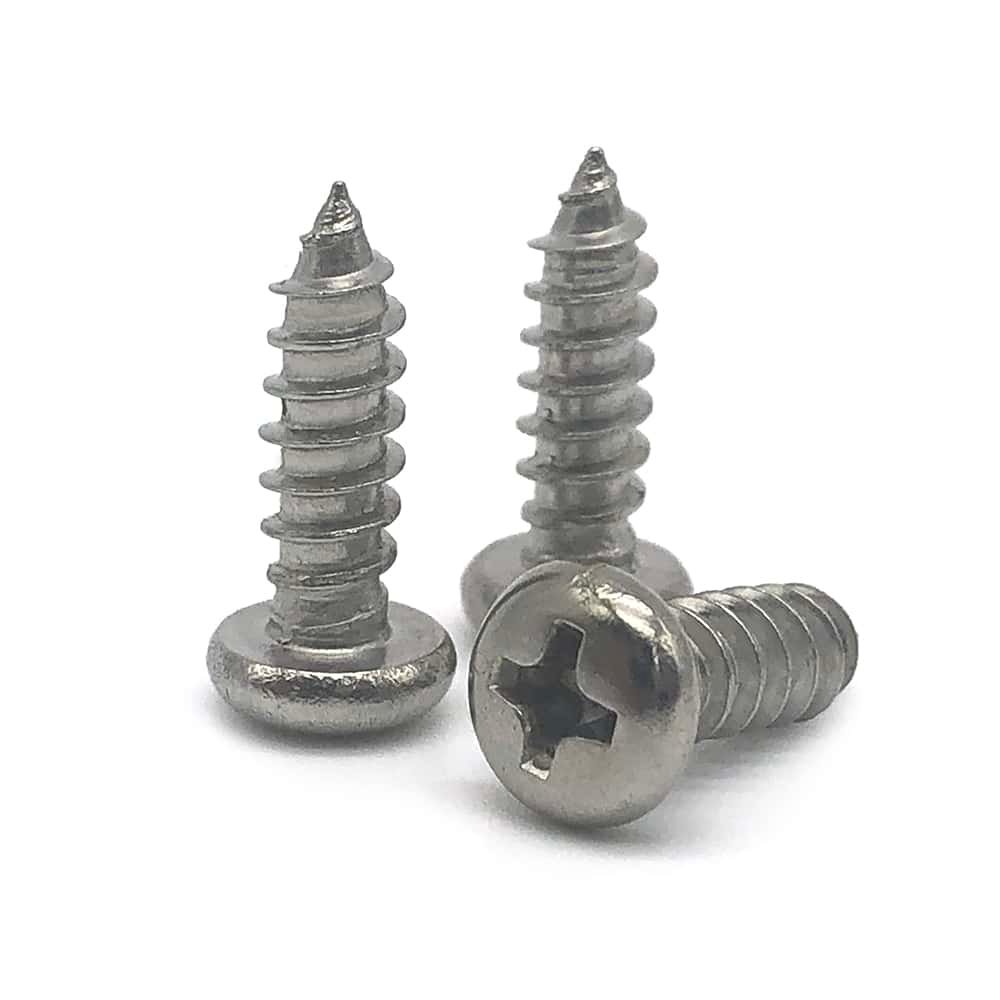
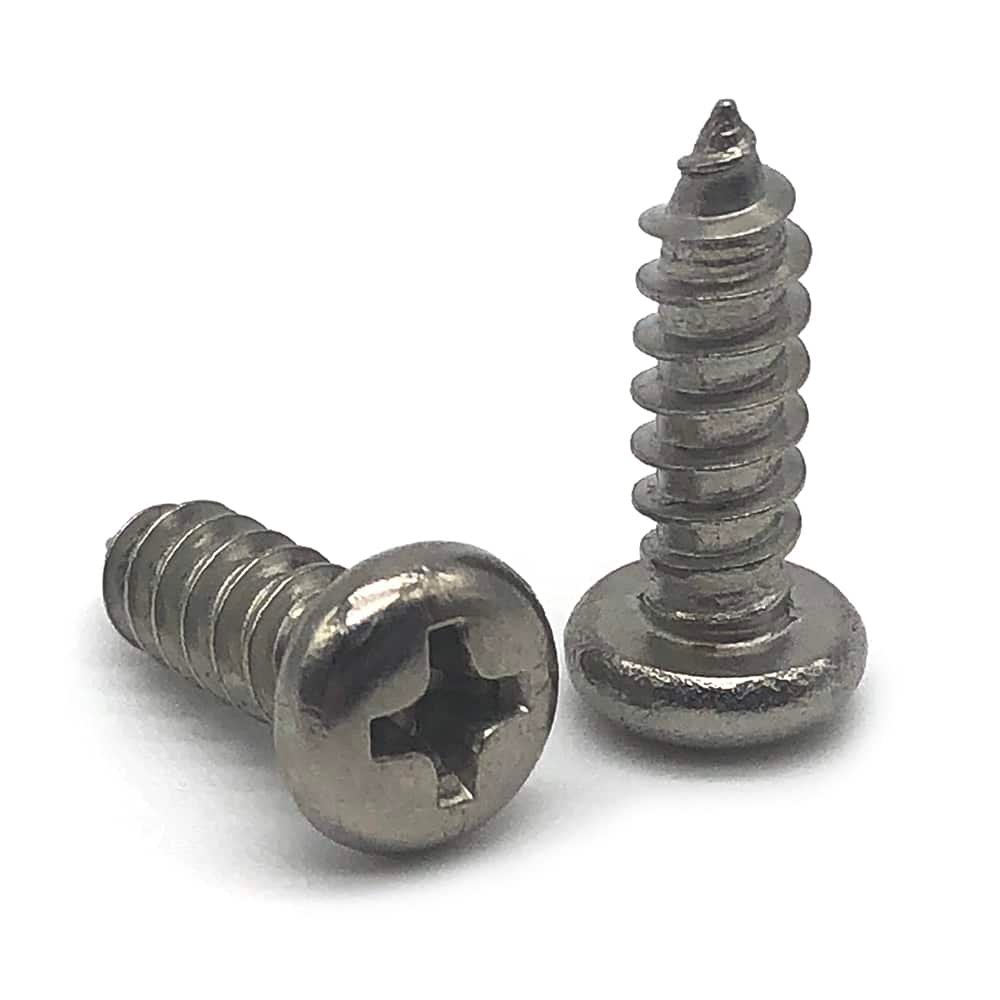
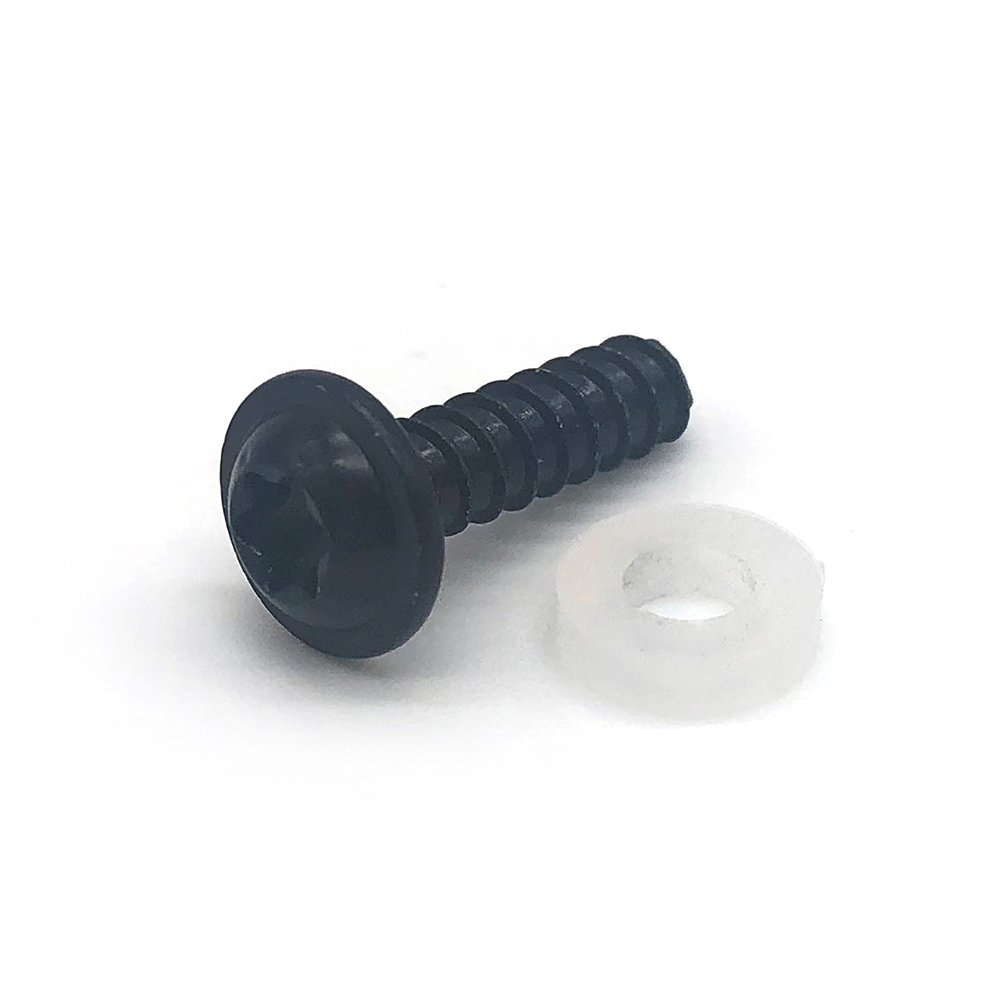
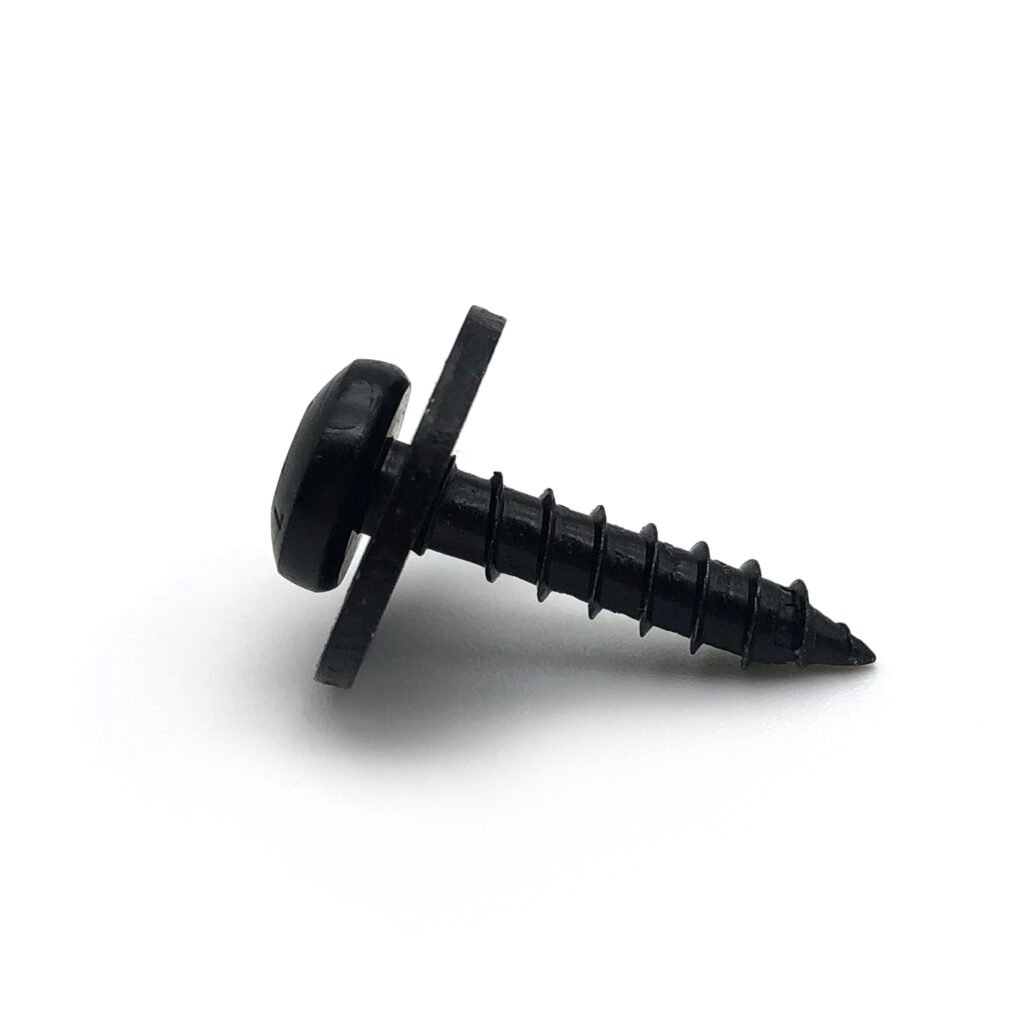
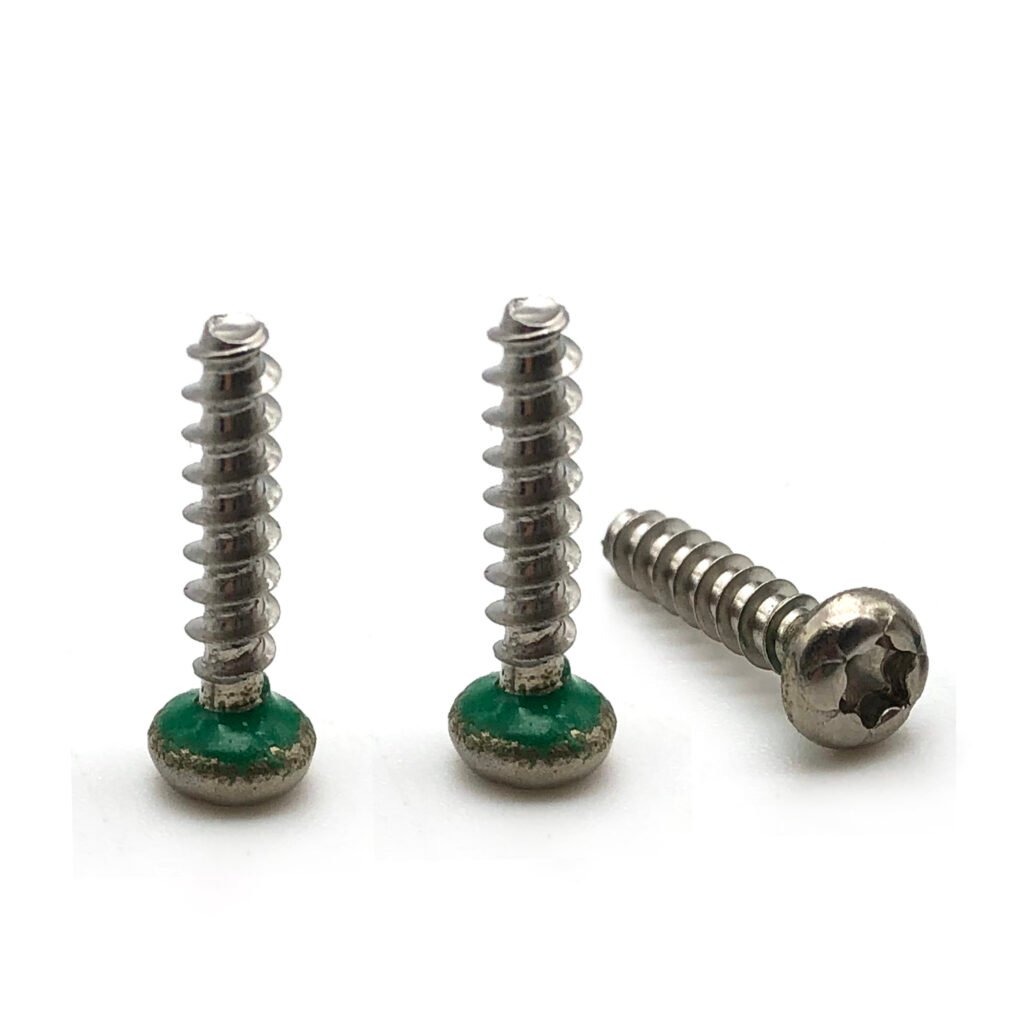
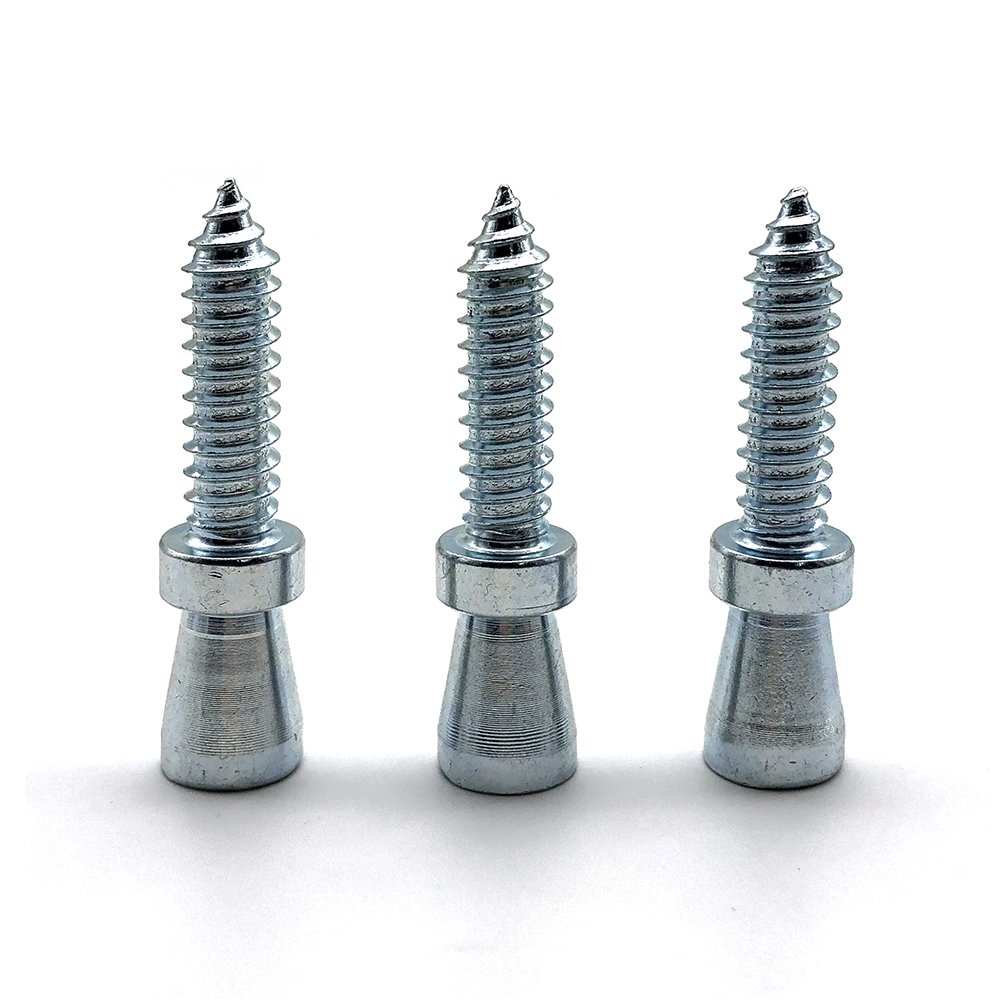
Self tapping screws feature specially designed points and threads that cut or form threads in the material during installation. Unlike machine screws requiring pre-tapped holes, self tapping screws create their own threads, offering significant advantages in automotive assembly including elimination of tapping operations reducing manufacturing time, simplified assembly processes for production efficiency, reliable thread engagement in various materials, and compatibility with automated assembly equipment.
Automotive applications utilize two primary self tapping screw types. Thread cutting screws feature sharp cutting edges that remove material to form threads, ideal for plastics, aluminum, and softer materials. Thread forming screws (also called thread rolling screws) displace material without removing it, creating stronger threads through cold forming, perfect for sheet metal and ductile materials.
Why Choose Custom Automotive Self Tapping Screws?
While standard self tapping screws serve many applications, automotive manufacturing often demands specifications beyond catalog offerings. Custom manufacturing from a specialized China automotive screws factory allows you to specify thread designs optimized for specific materials and thicknesses, custom point geometries for different material hardnesses, specialized head styles for clearance and aesthetic requirements, precise lengths for exact assembly depths, advanced coatings for corrosion resistance and durability, and drive types suited for automated assembly or security requirements.
Modern vehicles incorporate diverse materials including high-strength steel, aluminum alloys, engineering plastics, and composite materials, each requiring optimized self tapping screw designs for maximum performance and reliability.
Manufacturing Technologies
Keyfix employs advanced technologies specifically suited for automotive self tapping screw production.
Cold Heading is the primary method for high-volume automotive self tapping screws, providing superior strength through work hardening, consistent point and thread geometry, excellent material utilization, and cost-effectiveness for automotive production volumes. Cold heading produces millions of identical screws with tight tolerances essential for automated assembly.
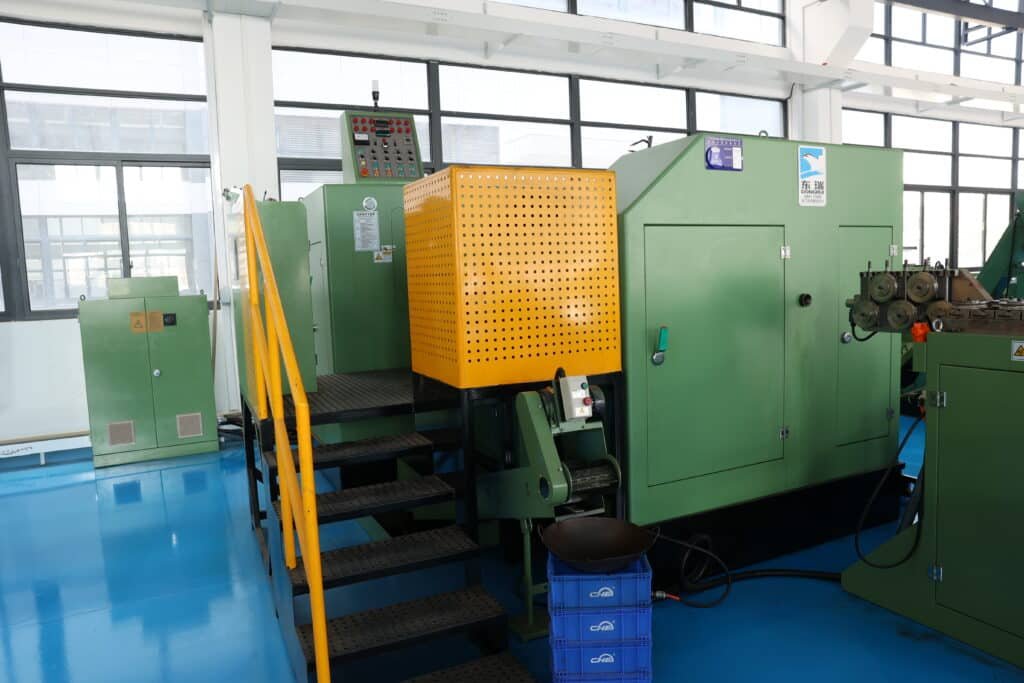
Thread Rolling creates precise threads with work-hardened surfaces for enhanced strength, superior fatigue resistance for vibration environments, smooth finish reducing friction during installation, and no material waste. Thread rolling is critical for automotive self tapping screws subject to cyclic loading and vibration.
Heat Treatment optimizes screw hardness for penetration while maintaining ductility, ensures consistent performance across production batches, and meets automotive material property requirements. Proper heat treatment is essential for screws penetrating high-strength automotive materials.
Material Selection for Automotive Applications
Carbon Steel provides high strength for demanding applications, excellent hardness after heat treatment for penetration, cost-effectiveness for high-volume production, and compatibility with various coatings. Carbon steel self tapping screws with appropriate surface treatments serve most automotive applications.
Stainless Steel (410, 304) offers outstanding corrosion resistance for harsh environments, good strength characteristics, no coating requirements reducing process steps, and attractive appearance for visible components. Stainless steel self tapping screws are essential for exterior trim, underbody components, and corrosion-prone areas.
Hardened Alloy Steel delivers maximum penetration capability for high-strength materials, exceptional wear resistance, superior fatigue properties, and performance in critical applications. Hardened alloy steel screws serve structural components and safety-critical assemblies.
Popular Specifications for Automotive Self Tapping Screws
Thread Types and Point Styles
Type AB (Spaced Thread) features coarse threads with wide spacing, designed for plastics and soft materials, provides quick installation, and offers good pull-out resistance. AB screws are common in interior trim, dashboard assemblies, and plastic component mounting.
Type B (Blunt Point) includes sharp cutting edges with blunt point, ideal for thin sheet metal and light-gauge materials, and provides clean thread cutting. Type B screws serve body panels, brackets, and thin metal assemblies.
Type C (Sharp Point) features extra-sharp point for easy penetration, cuts precise threads in harder materials, and suits medium-gauge sheet metal. Type C screws are used in chassis components and structural assemblies.
Type F (Thread Forming) displaces material without cutting for stronger threads, ideal for ductile materials like aluminum and steel, creates vibration-resistant connections, and extends thread life. Type F screws serve engine components, transmission housings, and critical assemblies.
Type T (Cutting Point for Plastics) is specifically designed for thermoplastics, features trilobular thread form reducing stress, and minimizes cracking in brittle plastics. Type T screws are essential for modern plastic-intensive automotive interiors.
Common Sizes for Automotive Applications
Automotive self tapping screws typically range from M2.9 to M6.3 (ST2.9 to ST6.3) for metric applications, #6 to #14 for imperial specifications, with lengths from 6mm to 50mm depending on material thickness and application requirements. Custom sizes are available for specialized applications.
Head Styles
Pan Head provides low-profile appearance with large bearing surface, distributes clamping load effectively, and offers versatile compatibility. Pan head self tapping screws are common throughout vehicle assembly.
Flat Head (Countersunk) allows flush mounting for aerodynamic surfaces, smooth interior finishes, and safety requirements. Countersunk screws serve exterior panels, headliners, and door trim where flush surfaces are essential.
Hex Washer Head features integrated washer for increased bearing area, provides excellent load distribution, resists loosening from vibration, and enables higher torque application. Hex washer head screws are popular in underbody and chassis applications.
Truss Head offers extra-wide bearing surface, minimizes surface damage on soft materials, and provides professional appearance. Truss head screws serve trim panels and plastic components.
Low Head provides minimal profile for tight clearances, maintains adequate drive capability, and offers clean appearance. Low head screws serve dashboard assemblies and compact installations.
Drive Types
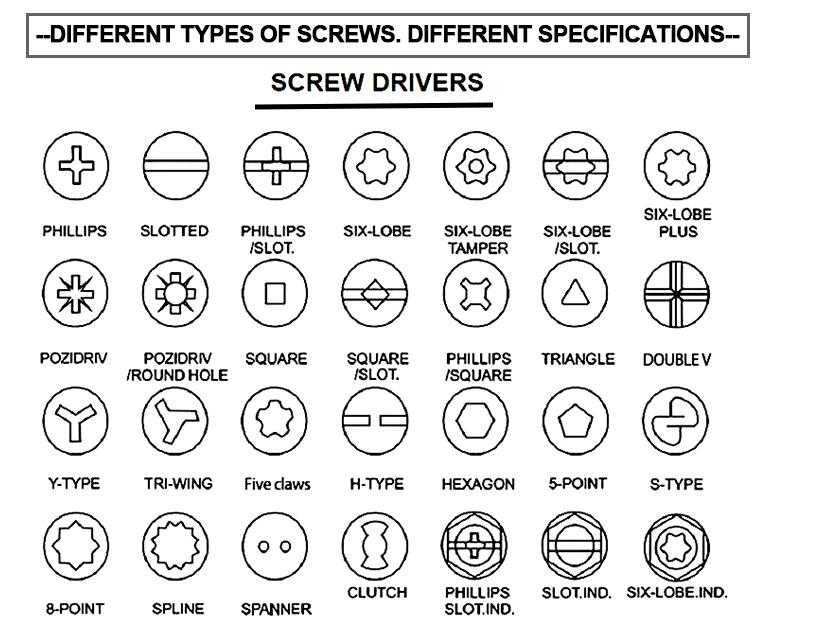
Phillips allows use of common tools, facilitates manual and automated assembly, and offers adequate torque for many applications. Phillips remains popular despite some cam-out tendency.
Pozidriv provides improved torque transfer over Phillips, reduces cam-out significantly, and extends driver bit life. Pozidriv is increasingly common in European automotive assembly.
Torx offers superior torque capability, virtually eliminates cam-out, enables consistent automated assembly, and reduces driver wear. Torx drives are becoming standard in modern automotive manufacturing.
Hex Socket provides high torque capacity, compatibility with power tools, and recessed drive preventing damage. Hex socket drives serve applications requiring maximum installation torque.
Surface Treatments and Coatings
Automotive environments demand robust corrosion protection. Common treatments include zinc plating (clear, yellow, black) for economical corrosion resistance, zinc-flake coating (Geomet, Dacromet) for superior underbody protection, phosphate coating for lubricity and paint adhesion, black oxide for mild protection and aesthetic appeal, and geomet coating for maximum corrosion resistance meeting automotive standards.
Applications: Where Automotive Self Tapping Screws Excel
Interior Trim and Dashboard Assembly
Interior components benefit from self tapping screws’ efficient assembly. Applications include dashboard and instrument panel mounting, door panels and pillar trim, center console assemblies, seat components and adjusters, headliner and sunroof trim, and glove box and storage compartments. Interior applications require consistent torque for quality assembly without stripping, compatibility with various plastics and composites, anti-loosening features for rattle prevention, and aesthetic head finishes for visible areas.
Exterior Body Panels and Trim
Exterior components require corrosion-resistant self tapping screws. Applications include bumper covers and reinforcements, fender liners and splash shields, door handles and mirror housings, grille and emblem mounting, and weatherstrip retention. Exterior applications demand superior corrosion resistance for environmental exposure, reliable engagement in sheet metal and plastics, vibration resistance for long-term reliability, and compatibility with paint processes.
Underbody and Chassis Components
Underbody applications expose fasteners to extreme conditions. Self tapping screws serve heat shields and sound deadening, underbody protective panels, brake dust shields, fuel tank mounting straps, and wiring harness brackets. Underbody applications require maximum corrosion protection for salt and moisture, high-strength materials for safety-critical mounting, thread-forming designs for vibration resistance, and proven performance in harsh environments.
HVAC and Climate Control Systems
Climate control systems use self tapping screws for ductwork and plenum assemblies, blower motor housing, evaporator and heater core mounting, and control panel installations. HVAC applications benefit from corrosion resistance for condensation exposure, compatibility with plastics and thin metals, vibration resistance for blower operation, and reliable long-term performance.
Electrical and Electronic Assemblies
Modern vehicles contain extensive electrical systems. Self tapping screws serve ECU and control module mounting, battery tray and terminal assemblies, sensor and camera installations, wiring harness brackets and clips, and infotainment system mounting. Electrical applications require non-magnetic materials when necessary, ESD-safe options for sensitive electronics, precise dimensions for proper grounding, and corrosion resistance for electrical reliability.
Engine Bay Components
Under-hood applications require heat-resistant fasteners. Self tapping screws serve plastic engine covers, air intake ducting, coolant reservoir mounting, washer fluid tank installation, and accessory bracket mounting. Engine bay applications demand heat resistance for high-temperature exposure, chemical resistance for automotive fluids, vibration resistance for engine operation, and corrosion protection for condensation and environmental factors.
Frequently Asked Questions
What is the difference between thread cutting and thread forming self tapping screws?
Thread cutting screws have sharp edges that remove material to create threads, ideal for brittle plastics and harder materials. Thread forming screws displace material without cutting, creating stronger threads through cold forming, better for ductile materials like aluminum and steel. Thread forming screws generally provide superior vibration resistance and pull-out strength in appropriate materials.
How do I select the correct self tapping screw type for my automotive application?
Selection depends on material type and hardness, material thickness, required pull-out strength, vibration environment, and assembly method. Our engineering team can recommend optimal screw type, point style, and thread design based on your specific application requirements, materials, and performance criteria.
What are minimum order quantities for automotive self tapping screws?
As an automotive supplier, we understand volume requirements. Minimum quantities for prototypes start at 1,000-2,000 pieces for testing. Production orders typically begin at 10,000-50,000 pieces depending on complexity. We work with automotive manufacturers to establish economical supply agreements for ongoing production needs.
Do your automotive self tapping screws meet industry corrosion standards?
Yes, our self tapping screws with appropriate coatings meet or exceed automotive corrosion standards including neutral salt spray testing per ASTM B117, accelerated corrosion testing per GMW 3044, VW PV 1210, and similar OEM requirements. We conduct comprehensive testing and provide documentation to verify corrosion performance.
Can you provide PPAP documentation for automotive programs?
Absolutely. As an IATF 16949 certified manufacturer, we provide complete Production Part Approval Process (PPAP) documentation including dimensional inspection reports, material and performance test results, process flow diagrams and control plans, appearance approval reports, and customer-specific requirements documentation. We regularly support automotive PPAP submissions.
How long does production take for automotive self tapping screws?
Prototypes and samples typically ship within 7–14 business days, and production typically ships 4–6 weeks after sample approval, depending on part complexity, quantity and surface treatment. Repeat orders are scheduled when the order is confirmed.
What installation torque specifications do you recommend?
Installation torque depends on screw size, material being fastened, and application requirements. We provide torque specifications based on testing for each custom screw design. Typical ranges are 0.5-2.0 Nm for small screws (ST2.9-ST3.5) in plastics, 2.0-5.0 Nm for medium screws (ST4.2-ST4.8) in sheet metal, and 5.0-10.0 Nm for larger screws (ST5.5-ST6.3) in structural applications. Our engineering team can provide specific recommendations for your application.
Can self tapping screws be reused in automotive assembly?
Generally, self tapping screws are designed for single-use installation. Reuse can damage the formed threads and reduce pull-out strength and vibration resistance. For applications requiring repeated assembly and disassembly, we recommend machine screws with threaded inserts or captive nuts. However, some heavy-duty thread forming screws can withstand limited reuse cycles depending on material and application.
Keyfix: Your Trusted China Automotive Self Tapping Screws Factory and Manufacturer
IATF 16949 Certified Automotive Manufacturer Since 2005
Established in 2005, Keyfix is a specialized China automotive fastener manufacturer serving global automotive OEMs, Tier 1 suppliers, and aftermarket companies. With IATF 16949 certification and nearly two decades of automotive manufacturing expertise, we consistently deliver precision automotive self tapping screws meeting stringent quality requirements.
Advanced Automotive Manufacturing Capabilities
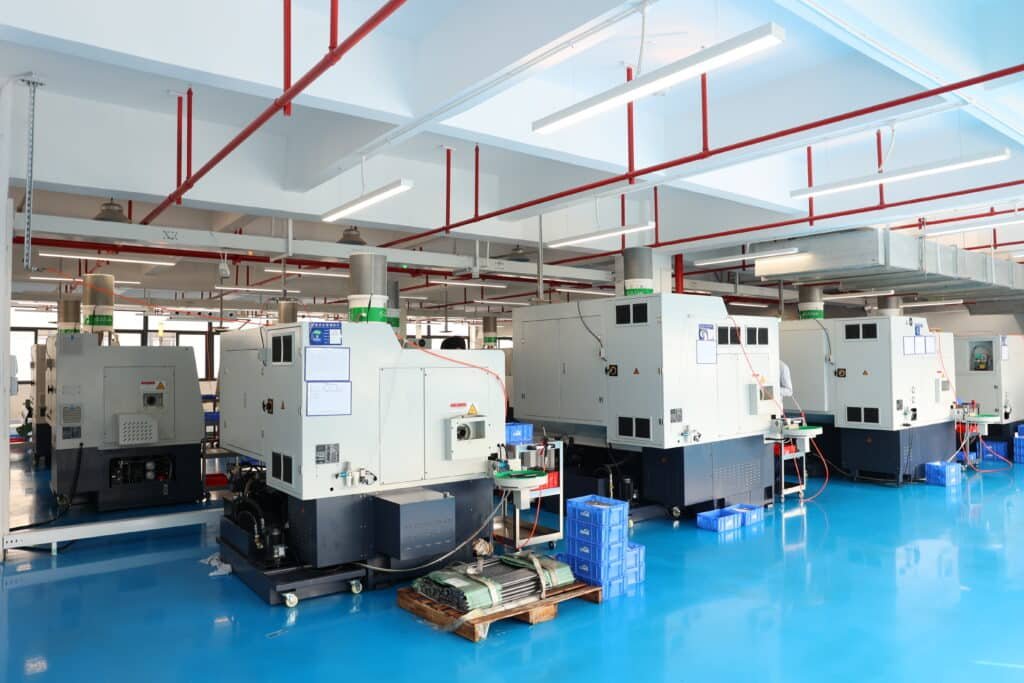
Our China factory features high-speed cold heading equipment for automotive volume production, precision thread rolling machines, heat treatment facilities with automated controls, comprehensive inspection systems with statistical process control, and automated packaging lines for efficient delivery. This capability supports automotive programs from prototyping through high-volume production.
Automotive Quality Systems and Engineering Support
Beyond IATF 16949 certification, we maintain PPAP documentation and submission capability, APQP processes for new product development, FMEA and control plan development, dimensional and performance testing laboratories, and automotive quality engineers experienced in OEM requirements. Our team provides design optimization, material and coating selection, torque and performance validation, and ongoing technical support throughout your product lifecycle.
Global Automotive Supply Chain Experience
With extensive experience supplying the automotive industry worldwide, we understand just-in-time delivery requirements, kanban and VMI programs, EDI integration and electronic communication, automotive packaging and labeling standards, and global logistics coordination. We maintain strategic inventory for high-volume customers ensuring uninterrupted supply to production lines.
Start Your Automotive Self Tapping Screw Project Today
Whether you’re developing new vehicle platforms, optimizing current production, requiring a qualified automotive supplier, or seeking cost reduction without compromising quality, Keyfix delivers the precision and reliability your automotive applications demand.
Contact us with your specifications and requirements. Our automotive engineering team will provide design recommendations, material selection guidance, and comprehensive quotations. We’ll develop prototypes for validation, support PPAP submission, and establish reliable production supply.
Visit our website at https://keyfixpro.com/ to learn more about our automotive self tapping screw manufacturing capabilities.
Contact Keyfix today—your trusted IATF 16949 certified China automotive self tapping screws manufacturer for quality, reliability, and partnership.