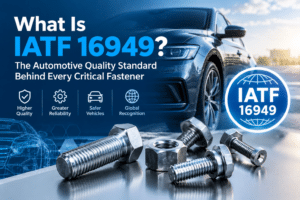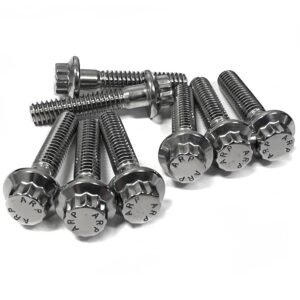
Automotive industrial screw-machining is a precision manufacturing process that produces high-volume turned components for vehicle applications using advanced CNC and Swiss-type equipment. This specialized manufacturing method delivers the tight tolerances, consistent quality, and production efficiency required by modern automotive manufacturers. As an IATF 16949 certified China screw-machining manufacturer, Keyfix provides precision automotive components engineered for demanding performance and reliability.
Product Introduction: Automotive Industrial Screw-Machining Explained
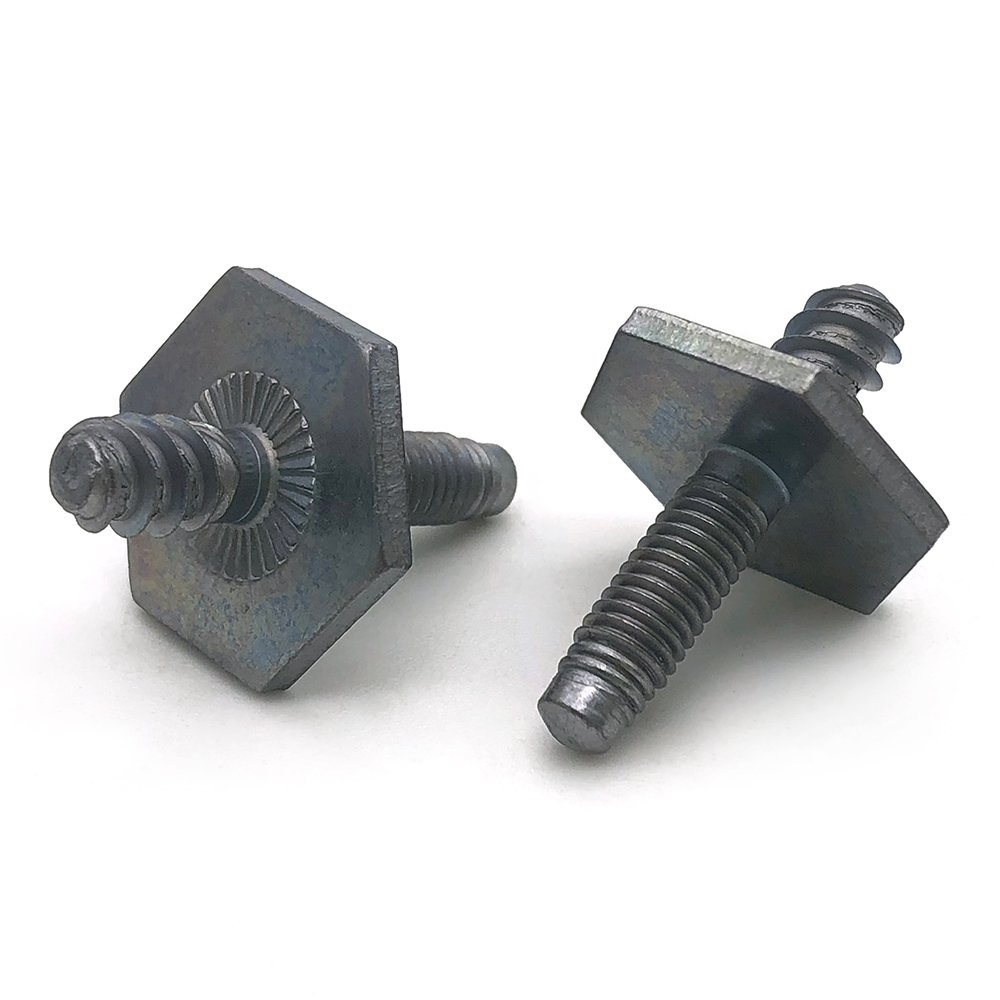
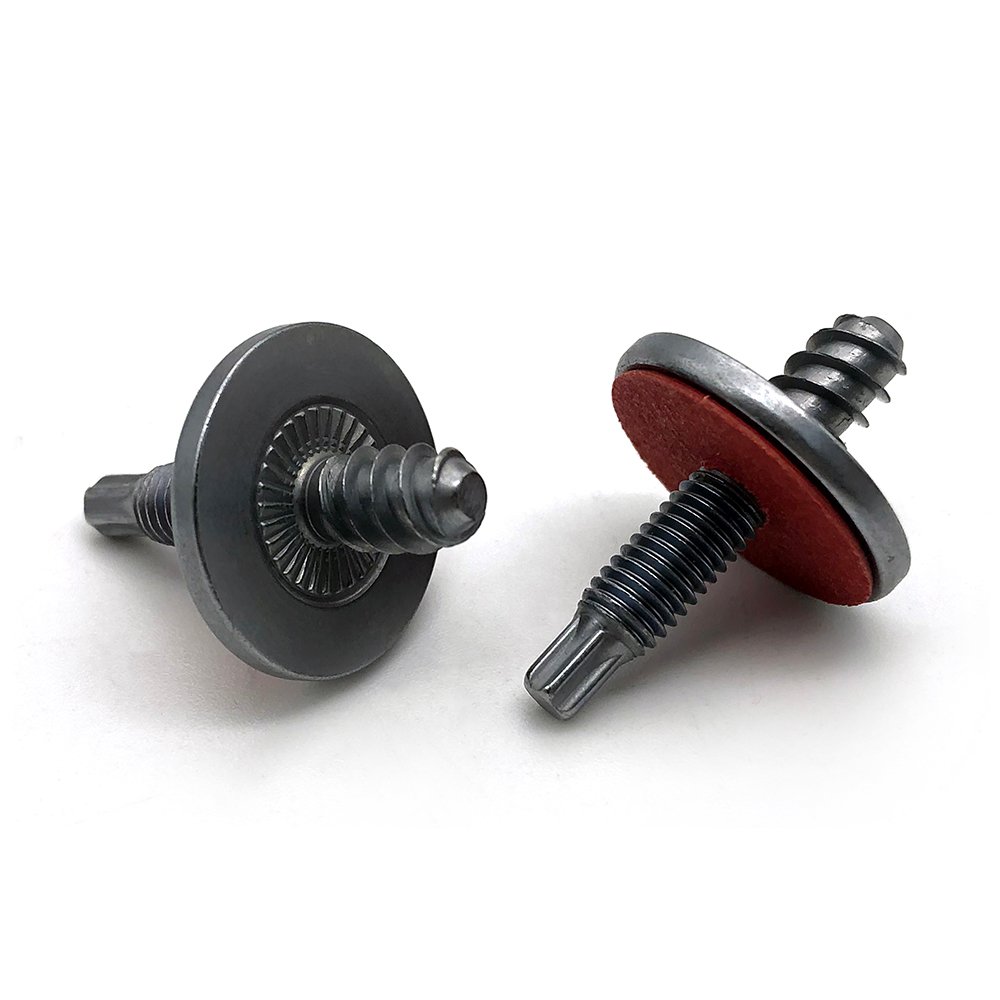
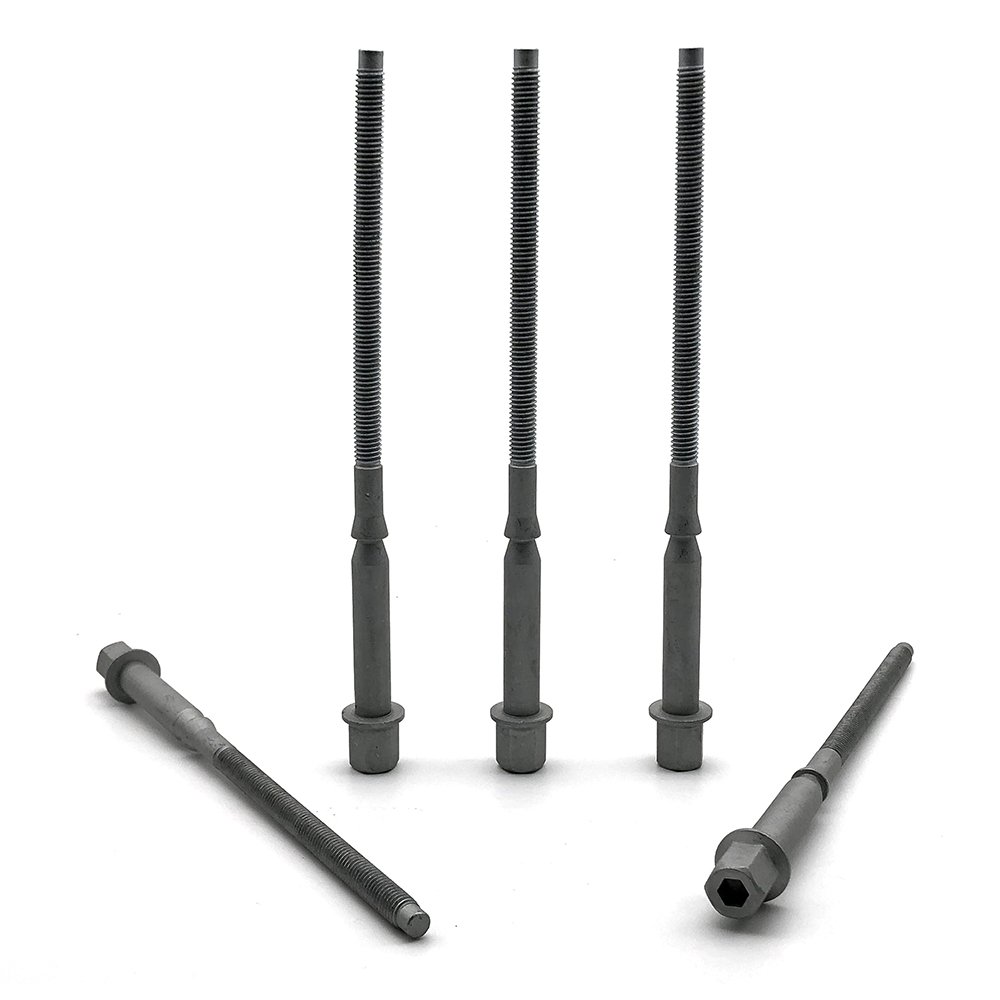
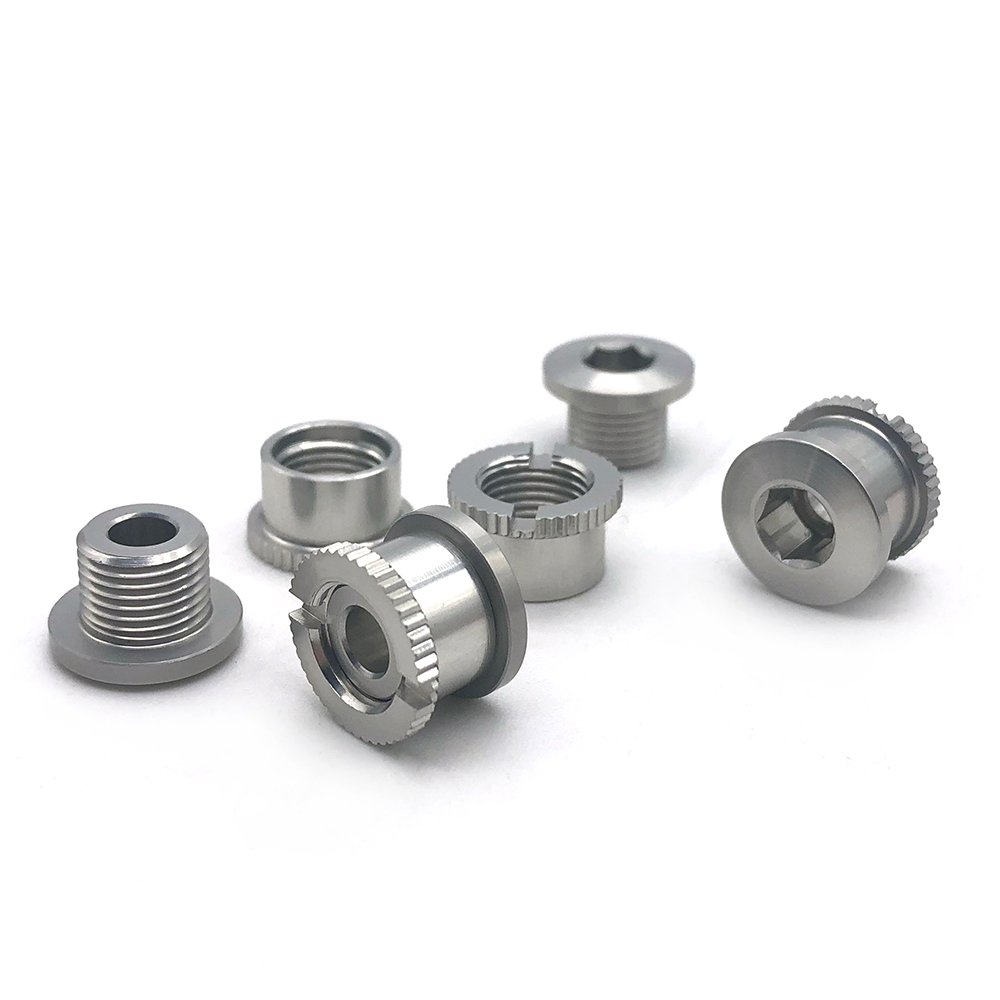
Understanding Industrial Screw-Machining
Industrial screw-machining refers to high-precision turning operations that produce cylindrical components in high volumes with exceptional repeatability. Modern screw-machining combines CNC automation, multi-axis capability, and statistical process control to manufacture automotive parts meeting stringent dimensional and quality requirements including tolerances of ±0.01mm to ±0.05mm, surface finishes to Ra 0.4μm, consistent mechanical properties, and automotive quality standards compliance.
Automotive screw-machining produces critical components including precision shafts for transmission and steering systems, bushings and sleeves for chassis applications, threaded fasteners and specialty bolts, fuel system precision components, brake system elements, and sensor mounting hardware.
Why Choose Custom Automotive Industrial Screw-Machining?
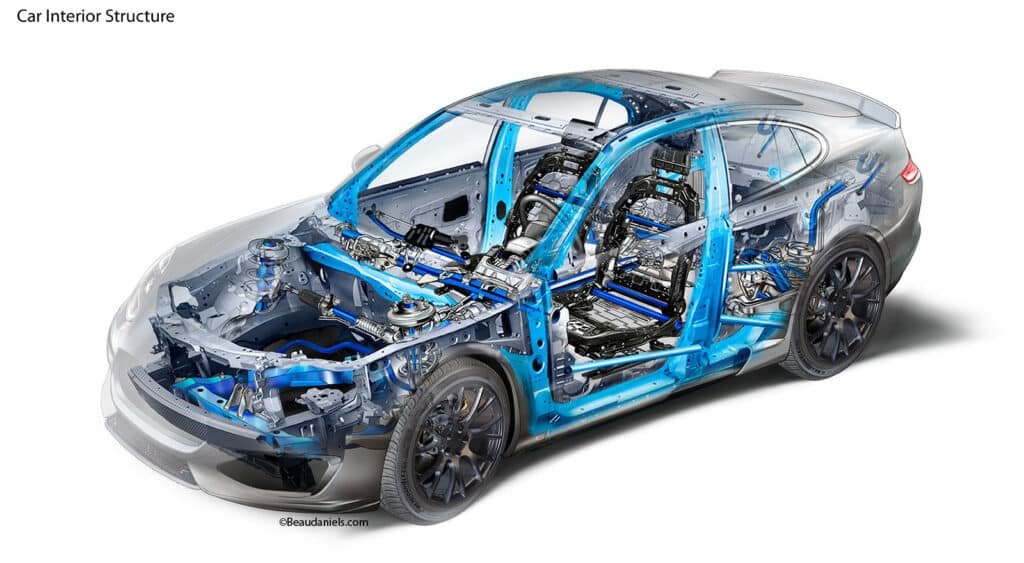
Standard machined parts serve general applications, but automotive manufacturing often demands specifications beyond catalog offerings. Custom screw-machining from a specialized China automotive factory allows you to specify exact dimensions for precise fits and clearances, optimized materials for strength and environmental conditions, complex geometries integrating multiple features, reduced assembly operations through integrated design, application-specific surface treatments, and cost optimization for high-volume production.
Modern vehicles require thousands of precision-machined components. Custom automotive screw-machining ensures optimal performance, weight reduction, and manufacturing efficiency.
Manufacturing Technologies
CNC Multi-Axis Turning Centers provide versatility for complex automotive components, offering simultaneous multi-axis machining for efficiency, live tooling for secondary operations in single setup, large diameter capability up to 300mm, and high-volume production capacity. These machines produce transmission shafts, brake components, and structural elements.
Swiss-Type CNC Screw Machines excel at small-diameter precision parts under 32mm, featuring guide bushing support for minimal deflection, superior concentricity and roundness within 0.01mm, exceptional length-to-diameter ratios, and high-speed automated production. Swiss machines produce fuel injector components, sensor pins, and miniature precision shafts.
Secondary Operations Integration includes thread rolling for superior fatigue resistance, cross-drilling and milling for complex features, grinding for ultra-precision surfaces, heat treatment for optimized properties, and automated inspection ensuring quality.
Material Selection for Automotive Screw-Machining
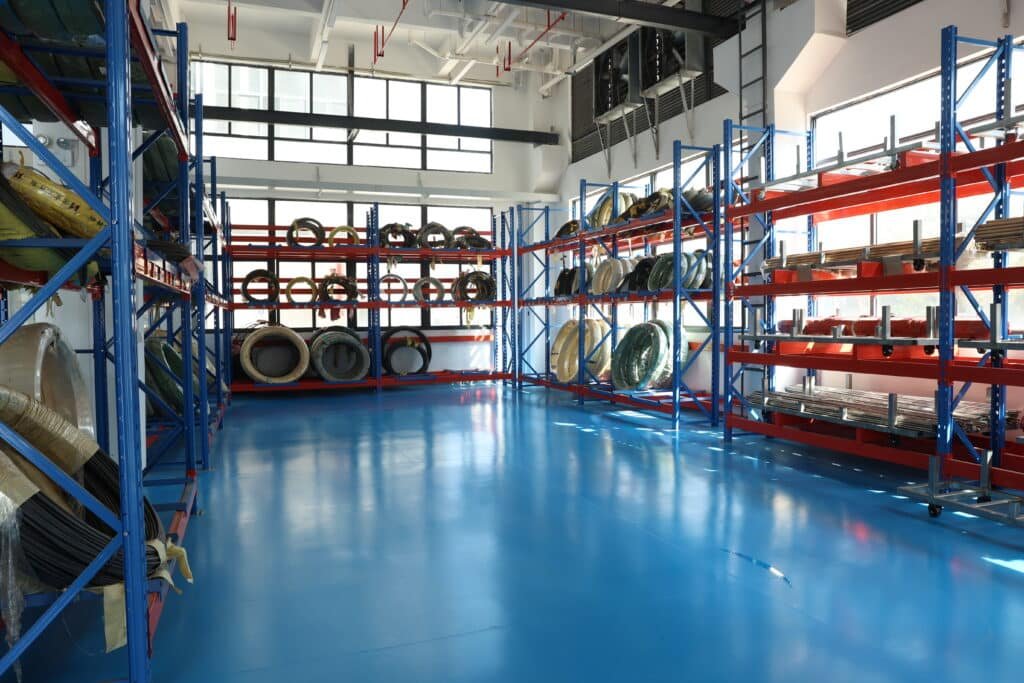
Free-Machining Carbon Steel (12L14, 1215) provides excellent machinability for high-speed production, good strength for general applications, cost-effectiveness for volume manufacturing, and compatibility with various surface treatments.
Alloy Steel (4140, 4340, 8620) delivers high strength for critical components, superior fatigue resistance, excellent wear properties after heat treatment, and performance in high-stress applications.
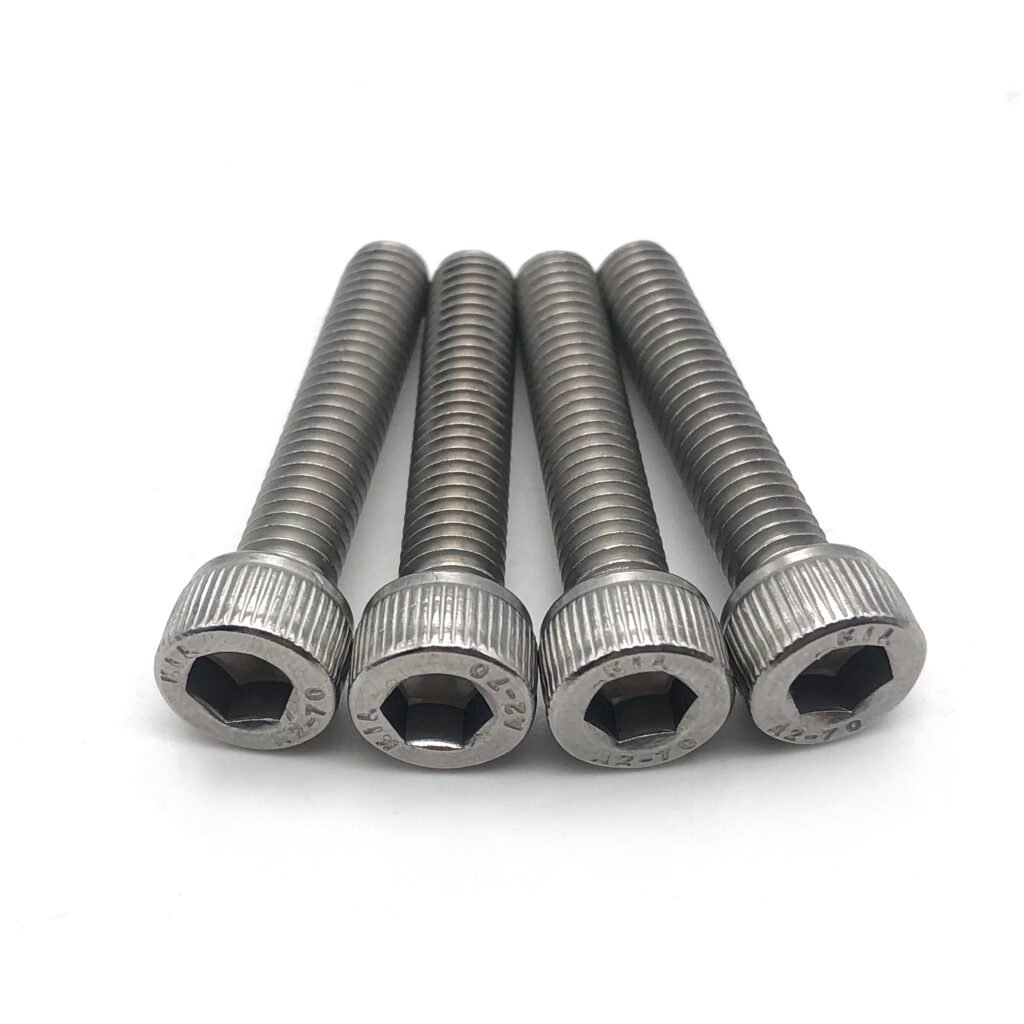
Stainless Steel (303, 304, 316, 416) offers outstanding corrosion resistance, good machinability in free-machining grades, no coating requirements, and attractive appearance for visible components.
Brass and Bronze Alloys provide superior machinability for high-speed production, self-lubricating properties for bearing applications, excellent corrosion resistance, and electrical conductivity for grounding components.
Aluminum Alloys (6061-T6, 7075-T6) deliver significant weight reduction for fuel efficiency, good strength-to-weight ratio, excellent corrosion resistance, and good machinability for complex geometries.
Popular Specifications for Automotive Industrial Screw-Machining
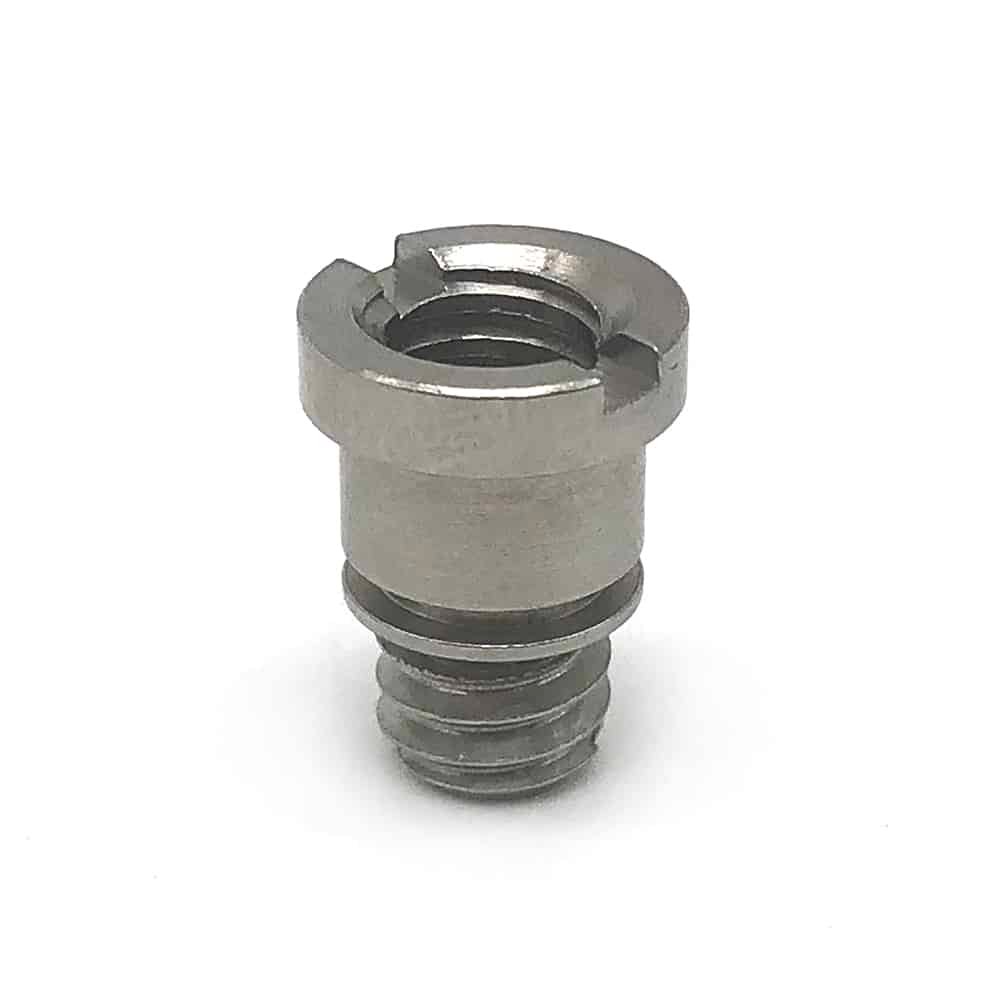
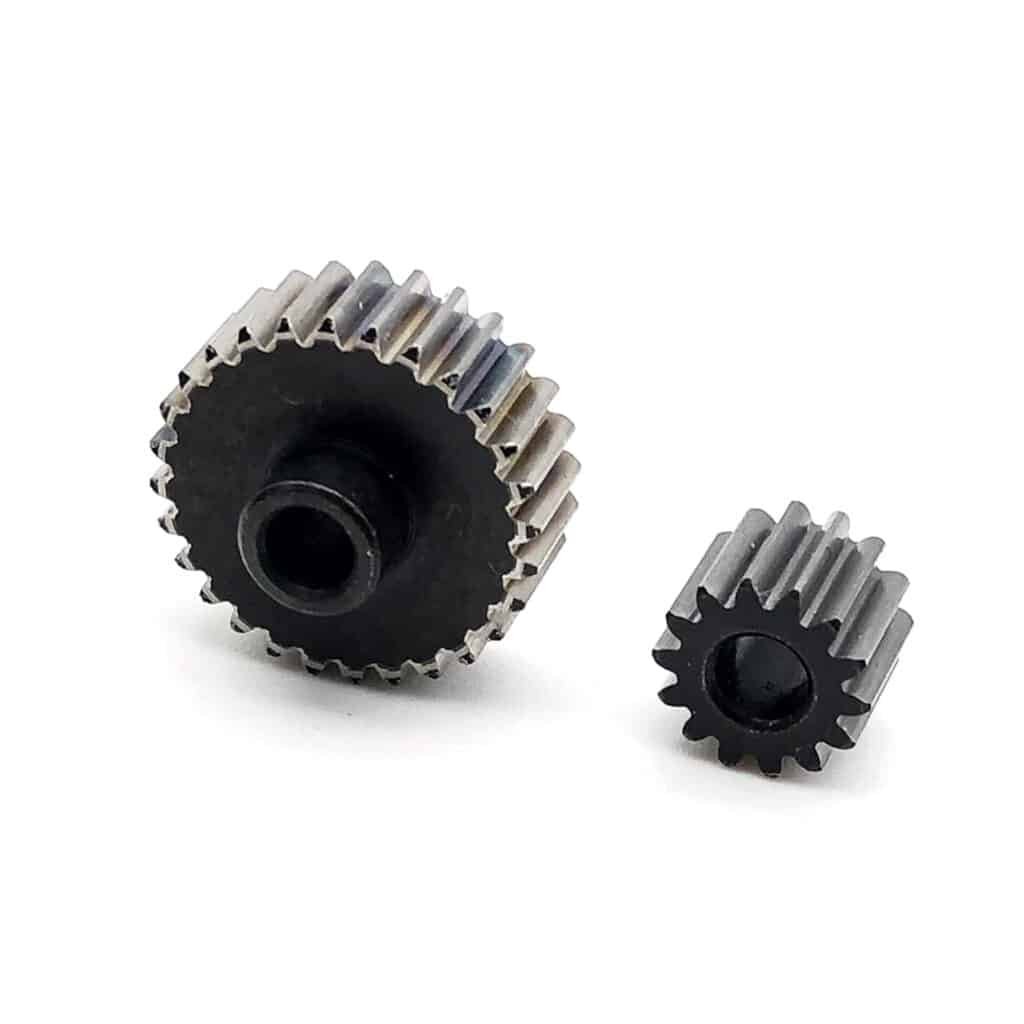
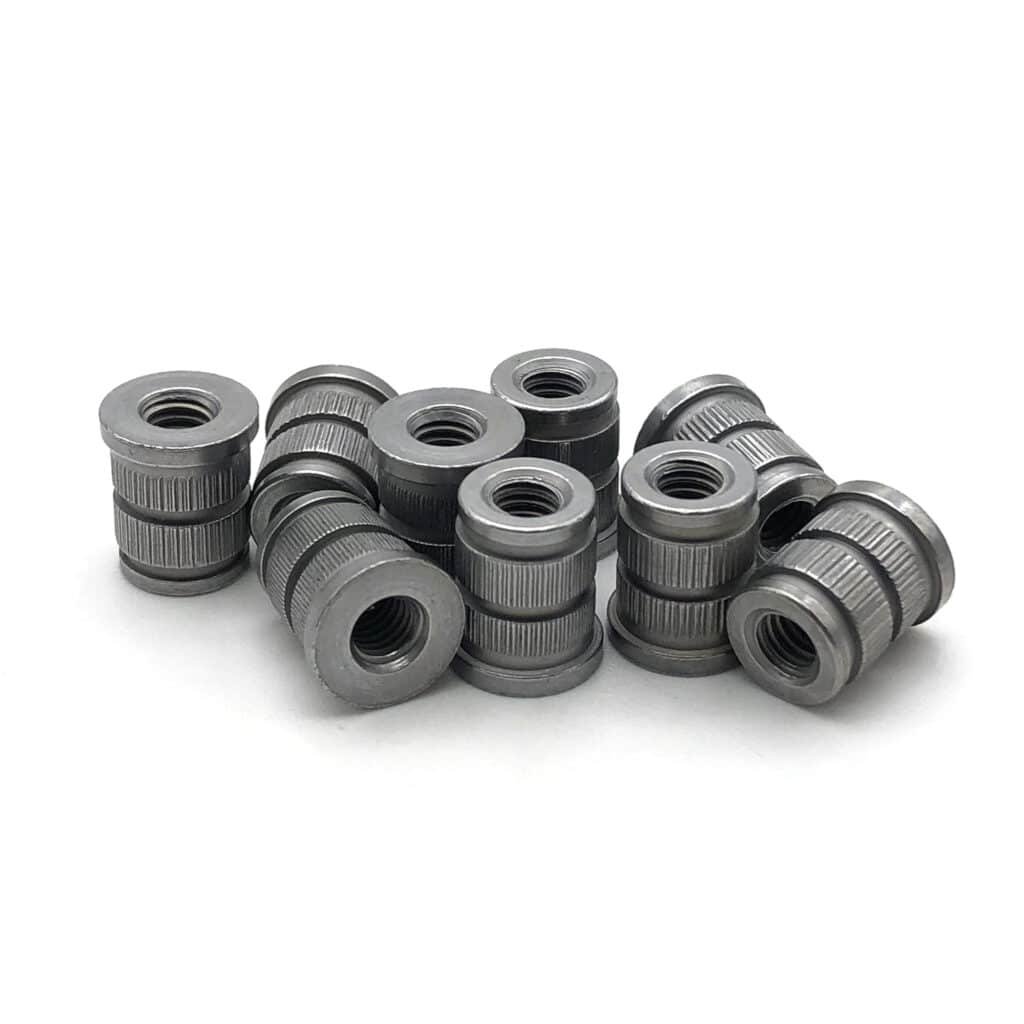
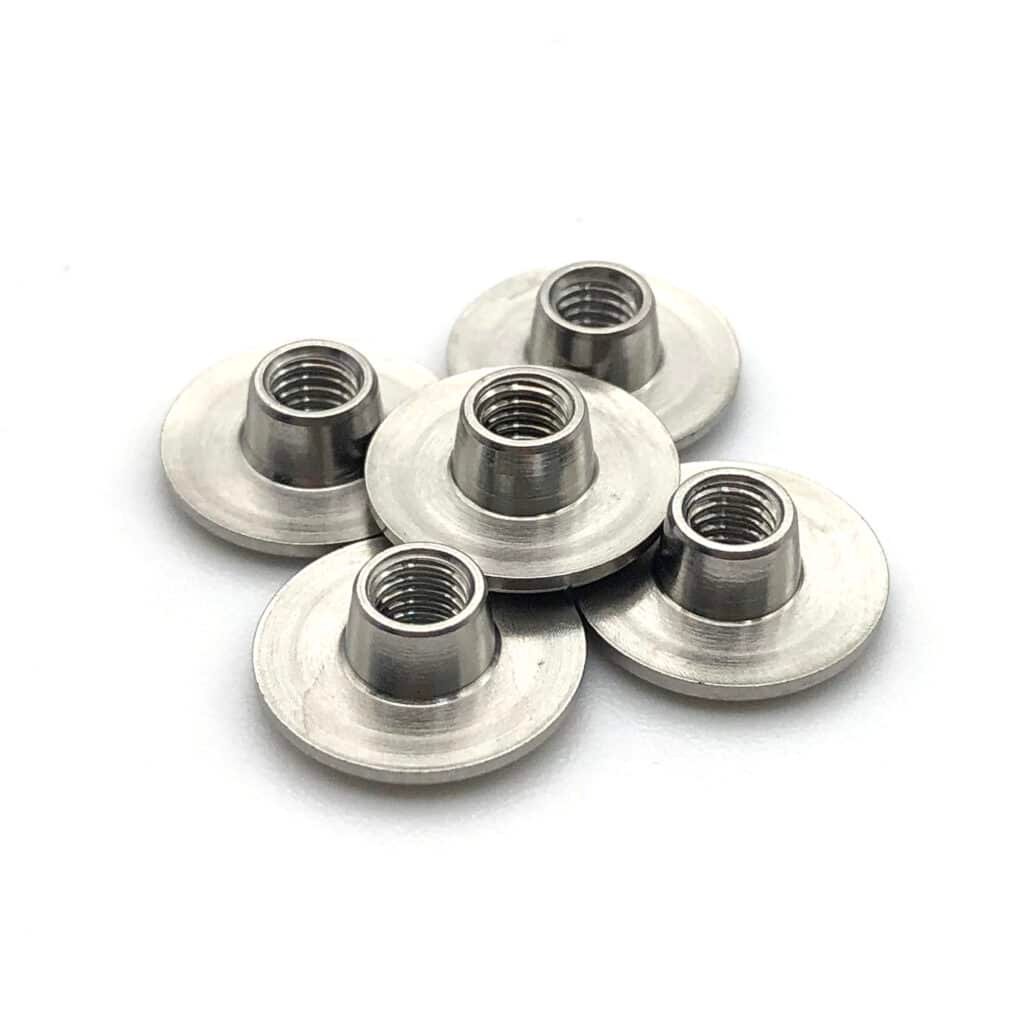
Common Component Types
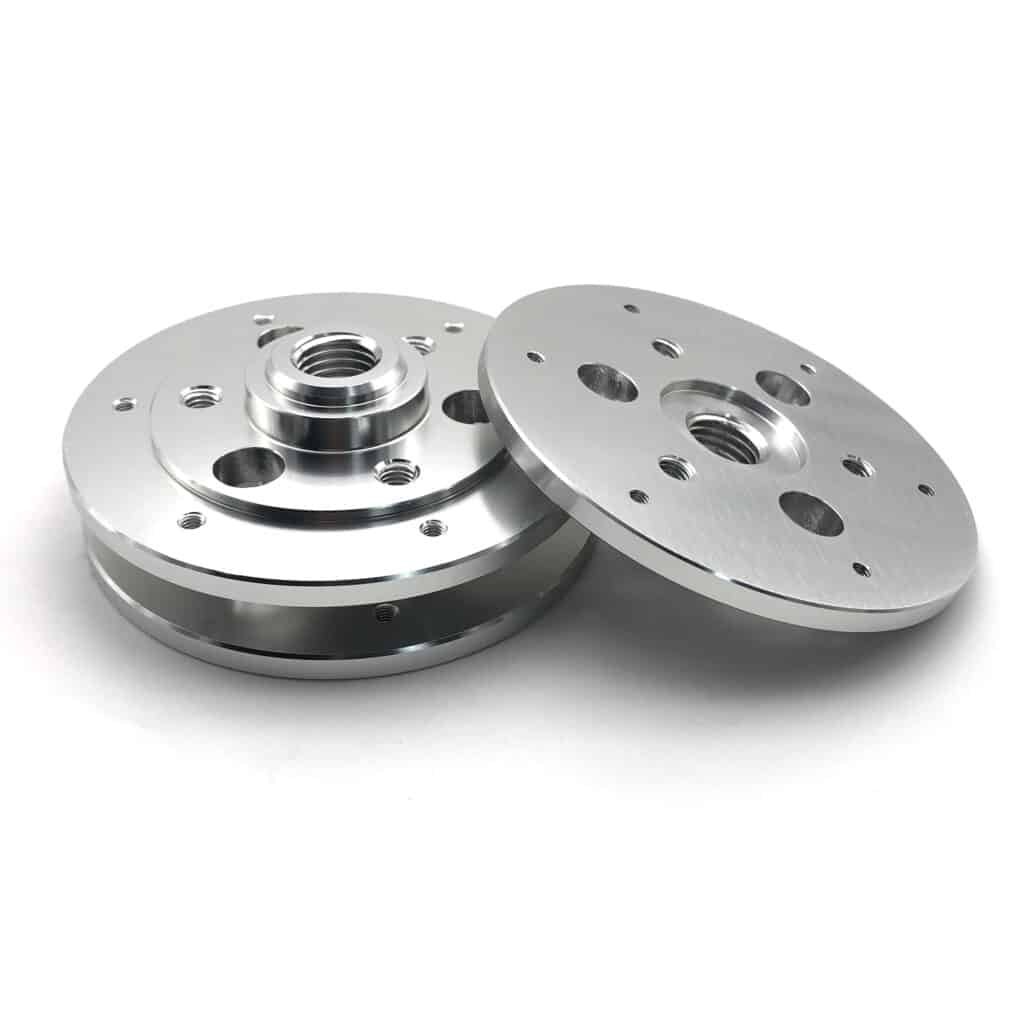
Precision Shafts serve transmission input/output shafts, steering column components, sensor mounting shafts, and adjustment mechanism elements. Specifications include diameters from 3mm to 100mm, lengths up to 500mm, tolerances of ±0.01mm to ±0.03mm, straightness within 0.05mm per 100mm, and surface finishes to Ra 0.8μm or better.
Bushings and Bearing Components provide critical alignment and load distribution in suspension bushings, steering system elements, transmission components, and engine mounting systems. Requirements include precise bore and OD tolerances within ±0.02mm, concentricity within 0.01mm TIR, specific wall thicknesses, and wear-resistant surface treatments.
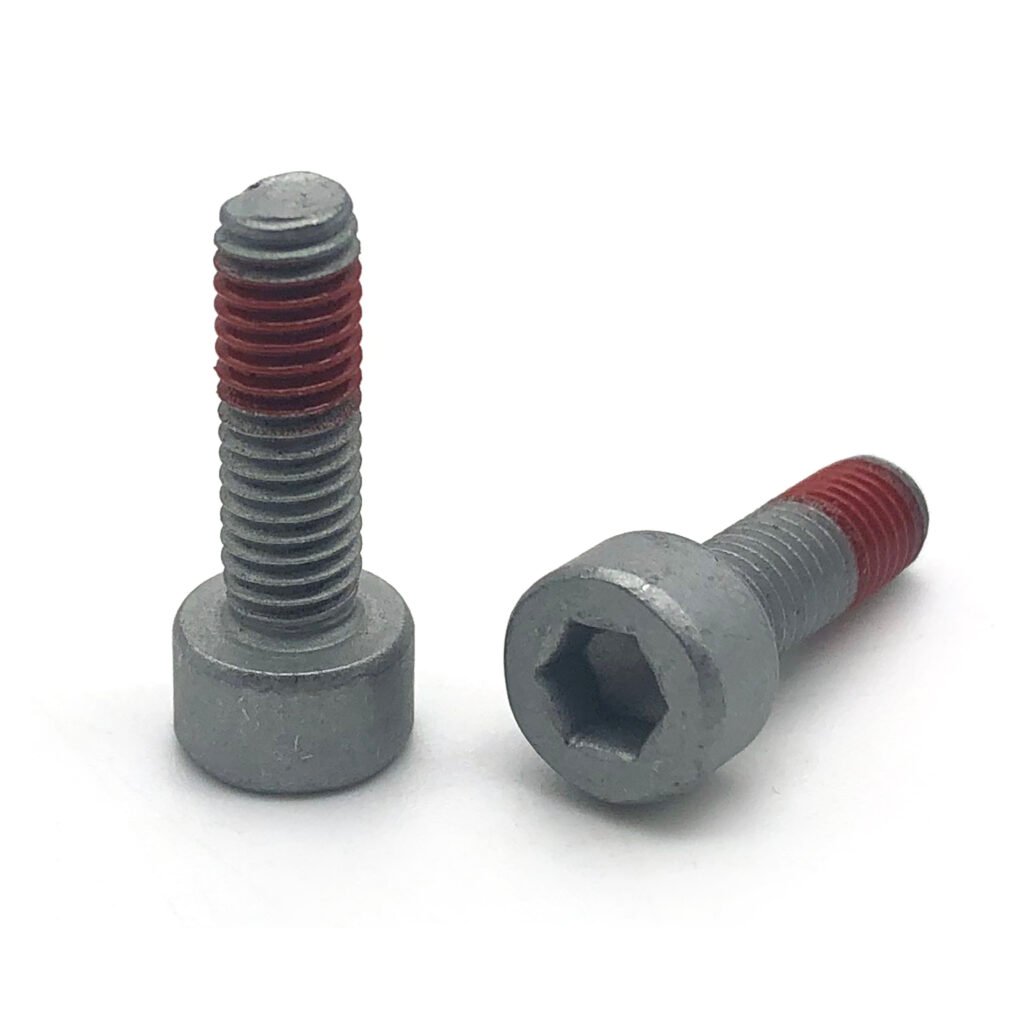
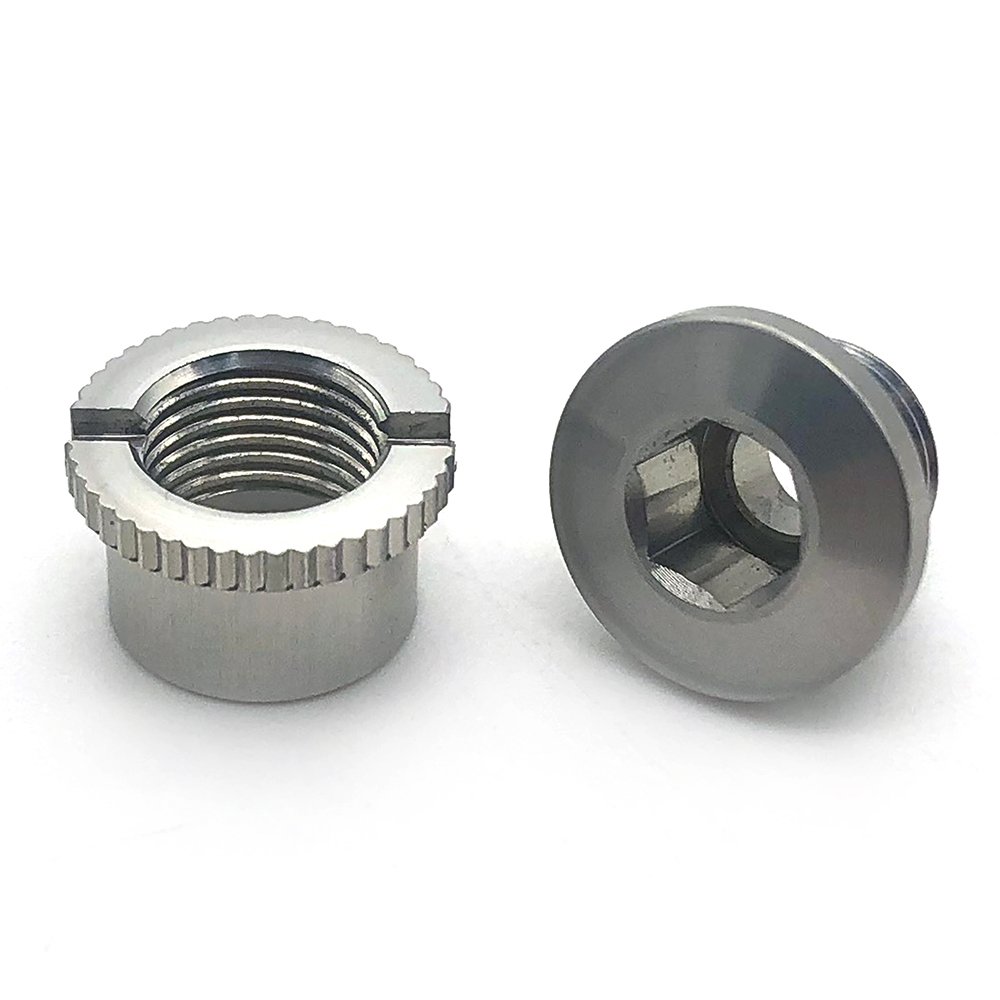
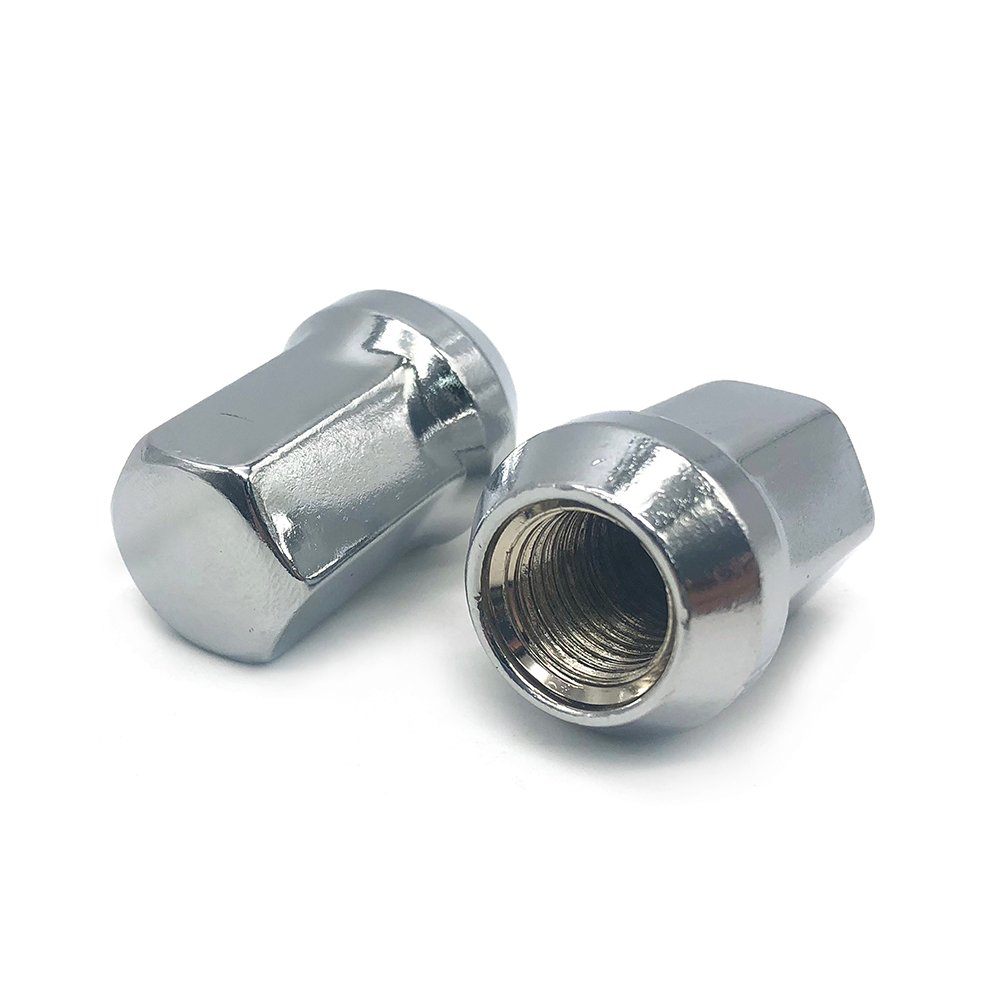
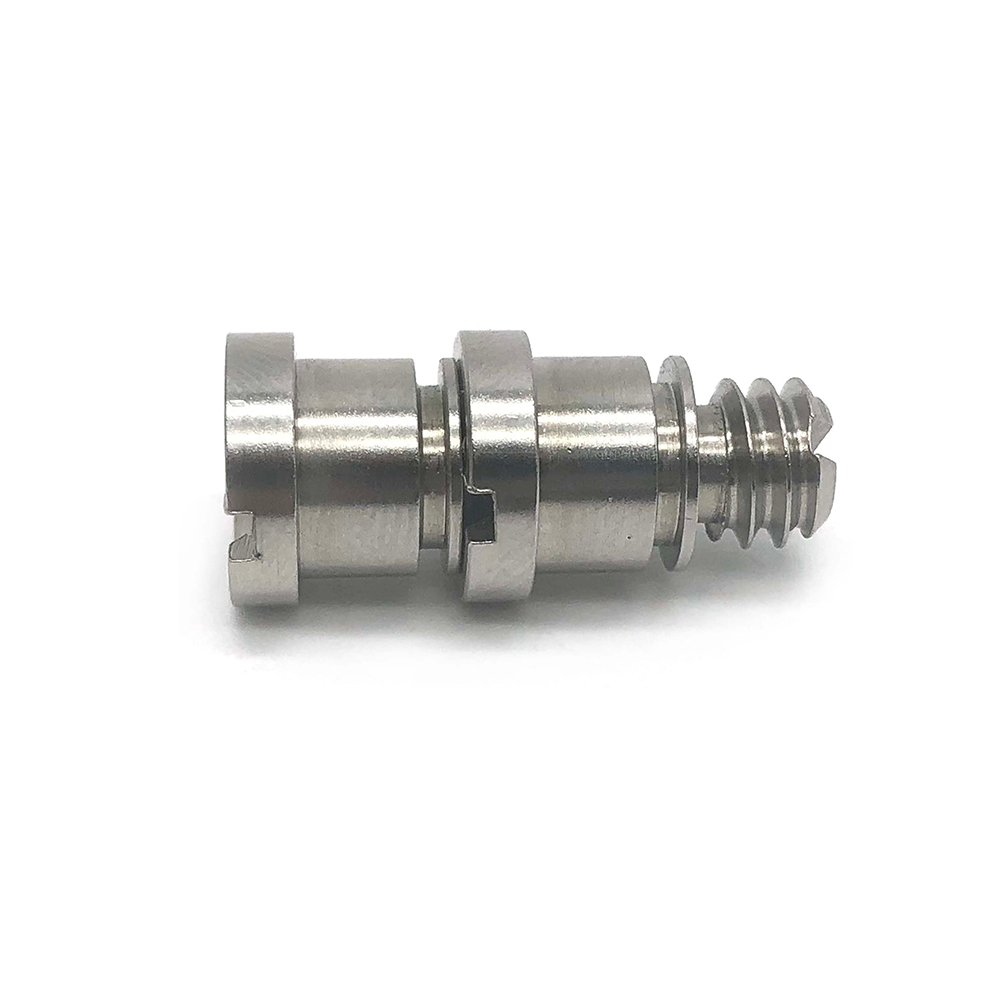
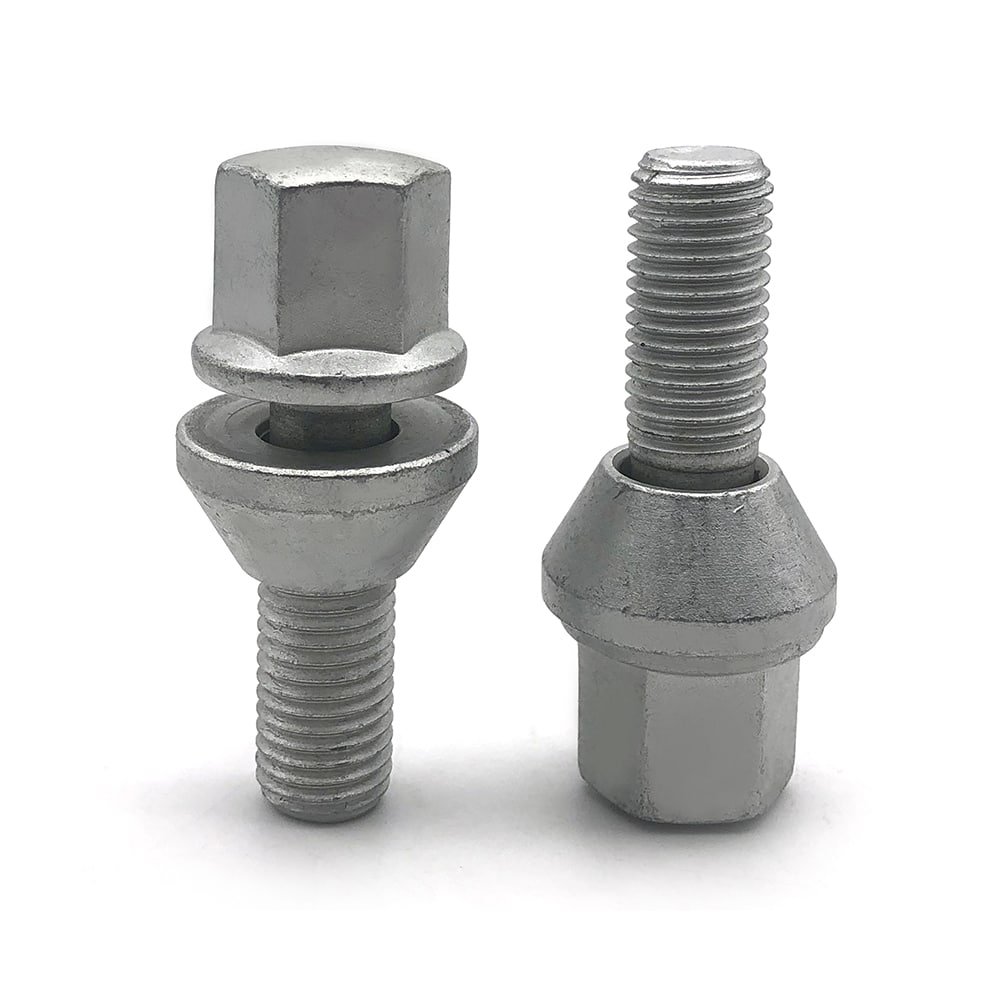
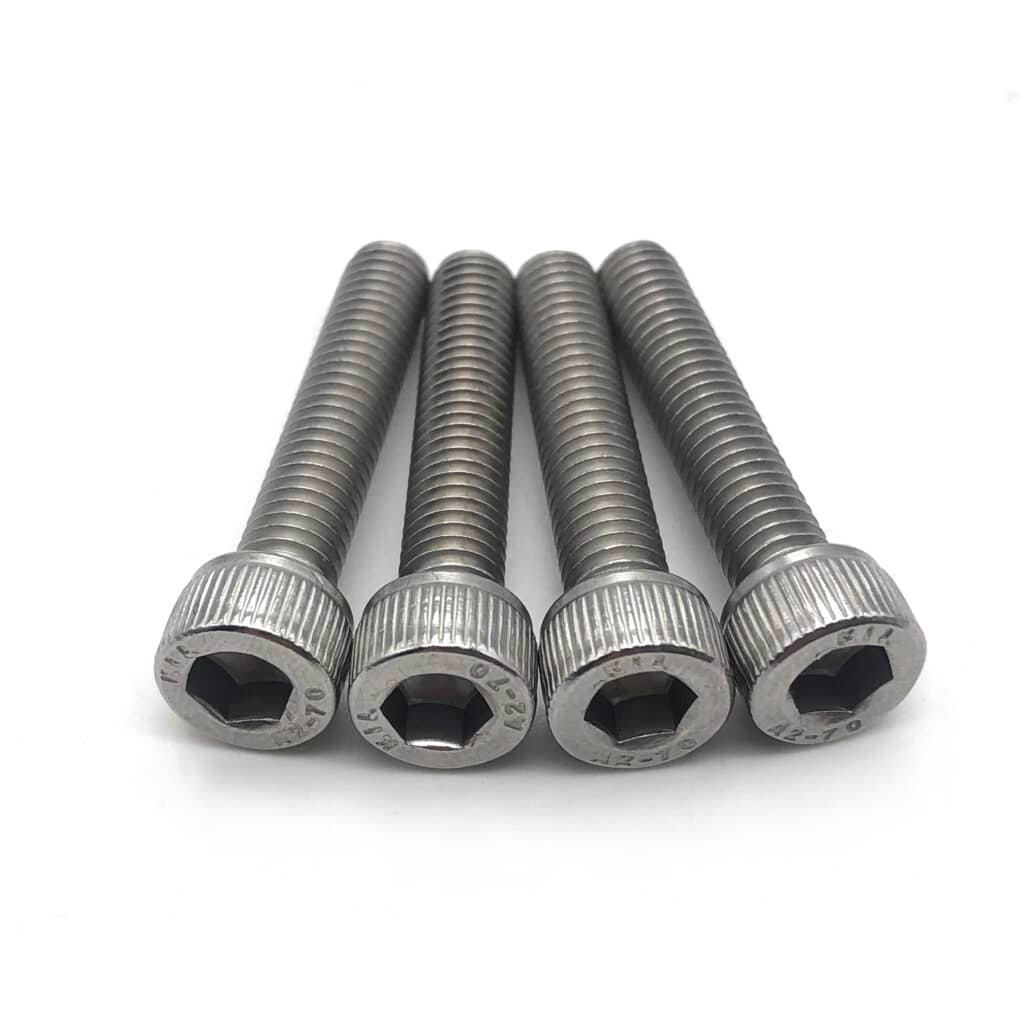
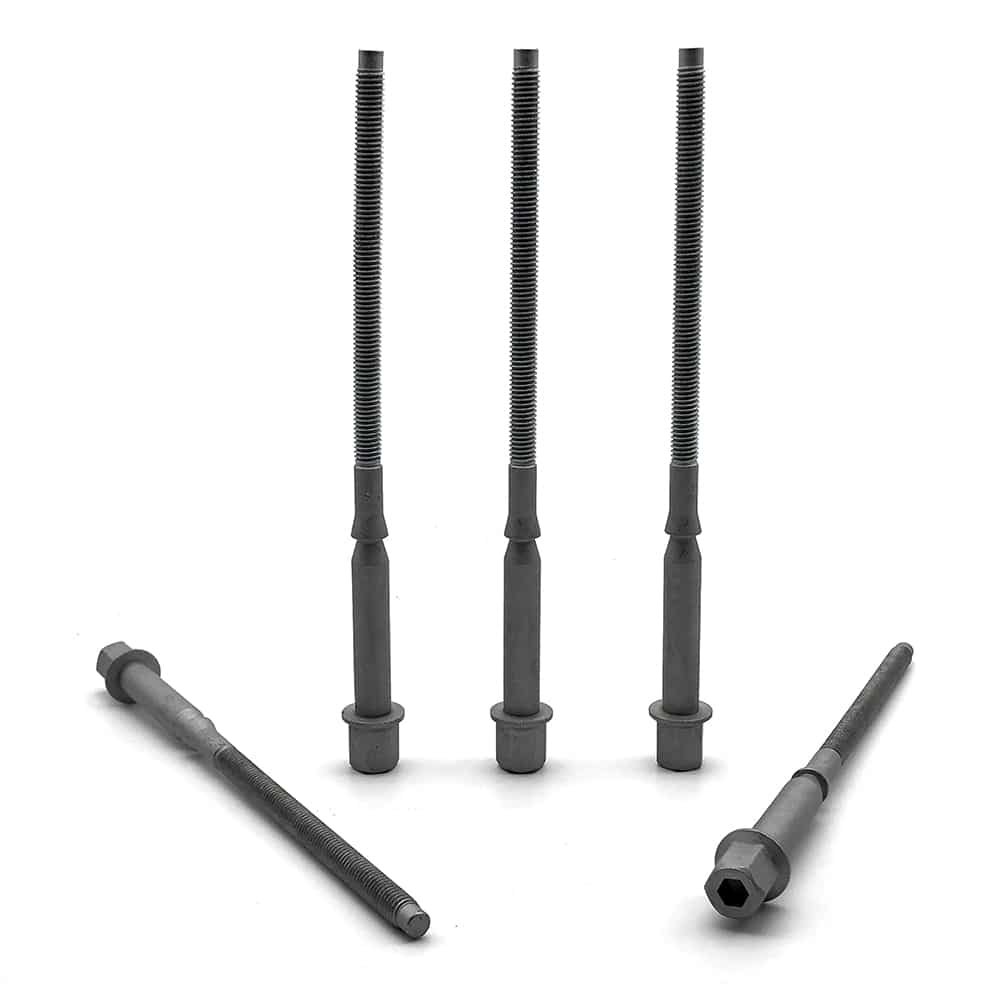
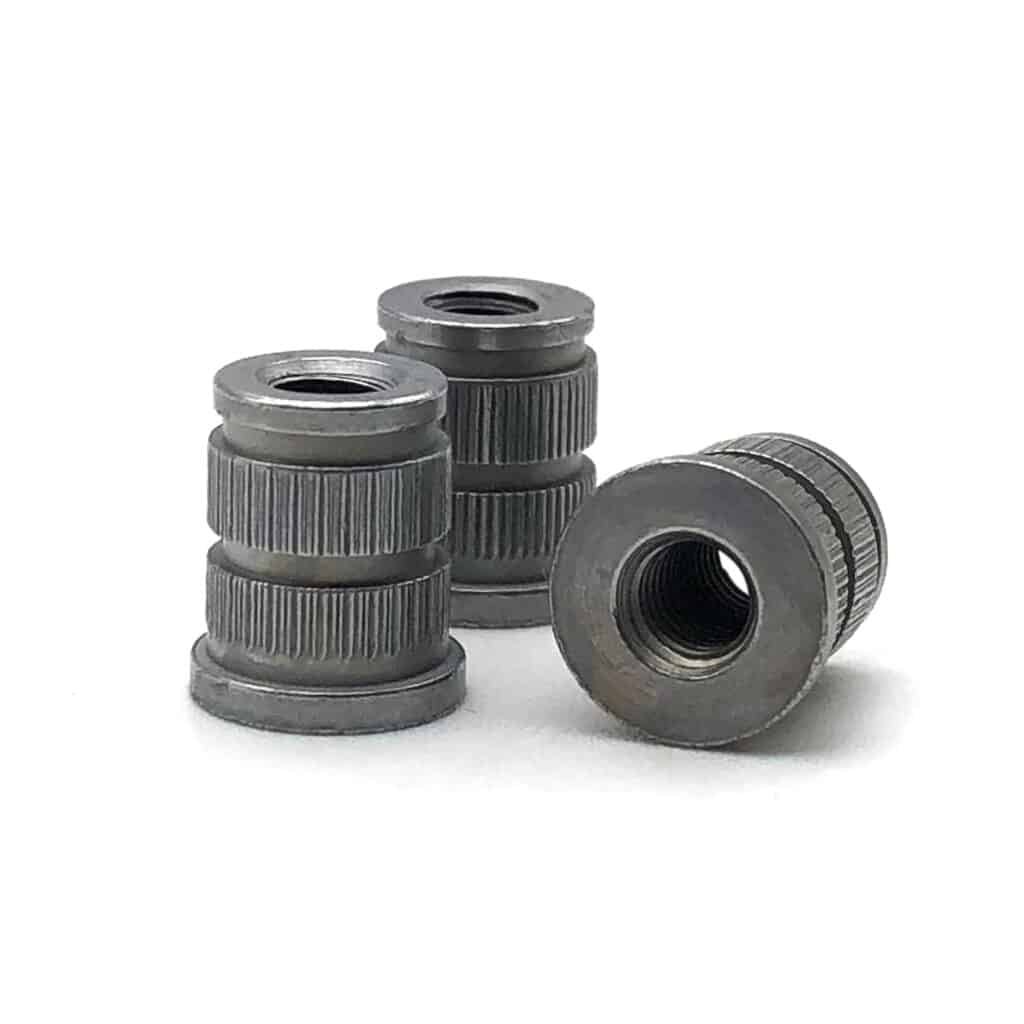
Threaded Components including specialty studs, custom bolts, threaded shafts, and precision nuts demand accurate thread dimensions to 6g tolerance class, thread rolling for fatigue resistance, precise shoulder dimensions, and integrated features reducing part count.
Fuel System Precision Parts such as injector bodies, pump components, regulator elements, and valve seats require extreme dimensional precision, corrosion resistance for fuel exposure, high-volume consistency within ±0.005mm, and compliance with emissions standards.
Brake System Safety Components including caliper pins, adjustment screws, hydraulic pistons, and mounting studs prioritize absolute dimensional accuracy, high material strength and fatigue resistance, complete material traceability, and corrosion resistance preventing seizure.
Dimensional Capabilities and Tolerances
Automotive industrial screw-machining achieves diameter tolerances of ±0.01mm to ±0.05mm on turned features, length tolerances of ±0.05mm to ±0.1mm, concentricity within 0.01mm to 0.02mm TIR, perpendicularity within 0.02mm, roundness within 0.005mm, and surface finishes from Ra 0.4μm to Ra 3.2μm based on functional requirements.
Thread Specifications
Thread capabilities include metric threads from M2 to M36, imperial threads from #2-56 to 2″, fine and coarse pitch options, special thread forms for specific applications, and thread tolerances to 6g/6h (metric) or 2A/2B (imperial) with tighter options available.
Surface Treatments for Automotive Applications
Automotive environments require robust surface protection, including zinc-flake coating (Geomet, Dacromet) for maximum underbody corrosion resistance, zinc plating for economical protection, black oxide for aesthetics and mild corrosion resistance, phosphate coating for paint adhesion and lubricity, heat treatment (through-hardening, case-hardening, nitriding) for wear resistance, and passivation for stainless steel components.
Applications: Where Automotive Industrial Screw-Machining Excel
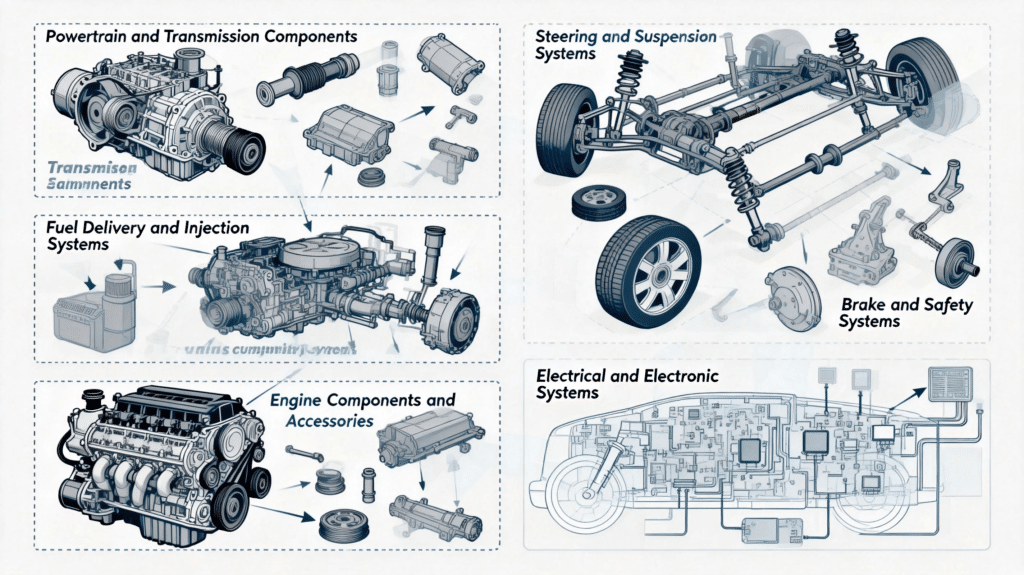
Powertrain and Transmission Components
Applications include transmission shafts and gears, clutch components and actuators, differential elements, CV joint components, and transfer case parts. Requirements demand high-dimensional precision for proper meshing and operation, heat treatment for wear resistance and strength, high-volume consistency across production batches, and material traceability for safety-critical components.
Steering and Suspension Systems
Components include steering column shafts, rack and pinion elements, suspension bushings and spacers, control arm pins, and shock absorber components. Requirements prioritize precise dimensions for proper geometry and handling, fatigue resistance for cyclic loading, corrosion resistance for underbody exposure, and high strength for safety and reliability.
Fuel Delivery and Injection Systems
Parts include fuel injector bodies and nozzles, pump pistons and valves, pressure regulator components, fuel rail connectors, and filter housing elements. Requirements emphasize extreme precision for proper fuel delivery and emissions compliance, corrosion resistance for various fuel types, high-volume consistency ensuring engine performance, and compatibility with high-pressure systems.
Brake and Safety Systems
Components include caliper pins and pistons, master cylinder components, ABS sensor mounting hardware, brake booster elements, and hydraulic system parts. Requirements demand absolute reliability for safety, precise tolerances for proper hydraulic function, corrosion resistance preventing brake failure, complete material certification and traceability, and compliance with safety standards.
Engine Components and Accessories
Parts include valve components, timing system elements, oil pump parts, coolant system fittings, and sensor mounting studs. Requirements include high-temperature resistance up to 150°C continuous operation, wear resistance for moving components, corrosion resistance for coolant and oil exposure, and precise tolerances for proper engine timing and operation.
Electrical and Electronic Systems
Components include sensor mounting hardware, connector pins and terminals, grounding studs, ECU mounting elements, and wiring harness brackets. Requirements prioritize precise dimensions for proper electrical contact, corrosion resistance for electrical reliability, non-magnetic materials when necessary, and conductive materials for effective grounding.
Frequently Asked Questions
What makes screw-machining ideal for automotive manufacturing?
Screw-machining offers high-volume production capability with consistent quality, tight tolerance control through CNC precision and SPC monitoring, lights-out manufacturing for cost efficiency, integrated secondary operations reducing handling, and excellent repeatability across millions of parts. These advantages make screw-machining essential for automotive components requiring precision at scale.
What tolerances can automotive industrial screw-machining achieve?
We routinely achieve diameter tolerances of ±0.01mm to ±0.02mm on critical dimensions, length tolerances of ±0.05mm, concentricity within 0.01mm TIR, roundness within 0.005mm, and surface finishes to Ra 0.4μm. For ultra-precision applications such as fuel injection components, we can achieve tolerances of ±0.005mm through grinding and precision finishing operations.
Do you meet IATF 16949 automotive quality requirements?
Yes, Keyfix maintains IATF 16949 certification specifically for automotive manufacturing. Our quality system ensures rigorous process controls with statistical process control (SPC), complete material and process traceability, PPAP documentation capability for all automotive programs, APQP and FMEA processes, and compliance with customer-specific requirements from major automotive OEMs worldwide.
What are typical lead times for automotive screw-machining projects?
Prototypes and samples typically ship within 7–14 business days, and production typically ships 4–6 weeks after sample approval, depending on part complexity, quantity and surface treatment. Repeat production orders are scheduled when the order is confirmed.
Can you handle both prototyping and high-volume production?
Absolutely. Our facility includes both CNC turning centers for prototyping and development, and high-speed Swiss-type screw machines for volume production. This allows seamless transition from prototype validation through production ramp-up to full-volume manufacturing, maintaining design intent and quality throughout. We support quantities from 100 prototypes to millions of production pieces annually.
What documentation do you provide for automotive programs?
As an IATF 16949 certified manufacturer, we provide complete PPAP documentation including dimensional inspection reports with actual measurements, material certifications and mechanical property test results, process flow diagrams and control plans, capability studies (Cpk) for critical characteristics, FMEA and special characteristics identification, and customer-specific requirement compliance documentation. We have extensive experience with PPAP submissions to Tier 1 suppliers and OEMs.
Keyfix: Your Trusted China Automotive Industrial Screw-Machining Factory
IATF 16949 Certified Manufacturer Since 2005
Established in 2005, Keyfix specializes in automotive industrial screw-machining for global OEMs and Tier 1/2 suppliers. Our China factory features advanced CNC turning centers, Swiss-type screw machines, integrated secondary operations, and comprehensive quality systems. With IATF 16949 certification and nearly two decades of automotive manufacturing expertise, we deliver precision components meeting stringent automotive requirements with full PPAP support and JIT delivery capability.
Start Your Automotive Industrial Screw-Machining Project Today
Whether developing new vehicle platforms, optimizing production, or requiring a qualified automotive supplier, Keyfix delivers the precision and reliability your applications demand. Contact us with your drawings and specifications for design recommendations, material guidance, and comprehensive quotations. We provide prototype development, PPAP support, and reliable production supply.
Visit our website at https://keyfixpro.com/ to learn more about our automotive industrial screw-machining capabilities.