Introduction: The Signature of Automotive Luxury
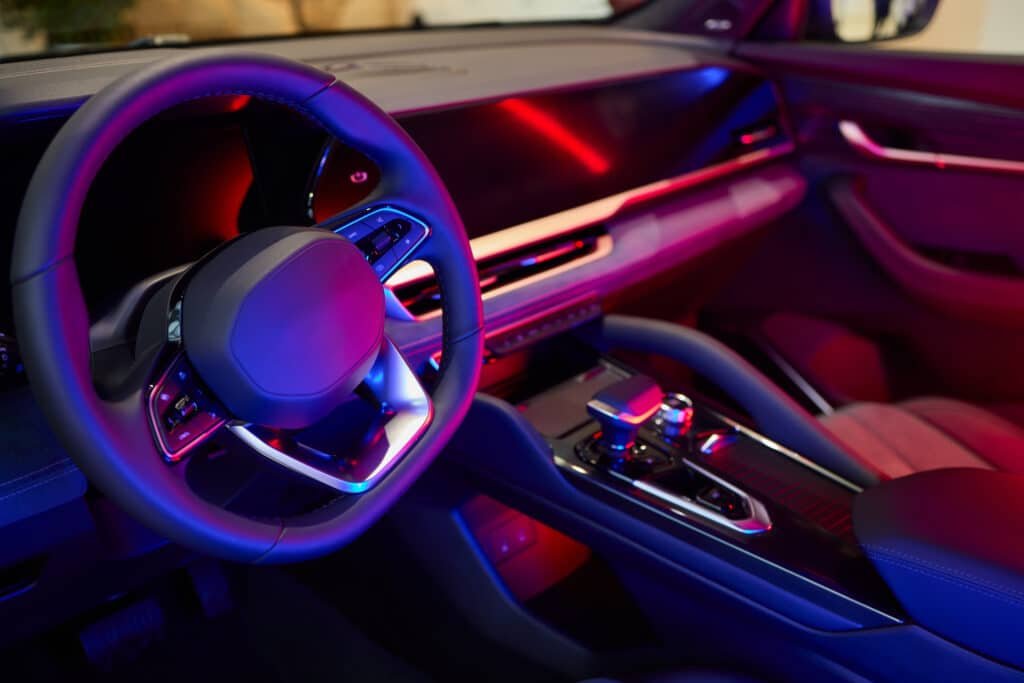
Chrome automotive trim screws serve as critical design elements distinguishing premium vehicles from standard offerings—brilliant metallic luster, mirror-like reflectivity, and enduring shine communicate craftsmanship and attention to detail that luxury vehicle purchasers expect. Industry analysis reveals that 78% of premium segment buyers (vehicles priced above $50,000) identify interior finish quality as a primary purchase consideration, with visible fastener appearance directly correlating to perceived value. Decorative chrome-plated fasteners are used more and more as manufacturers differentiate vehicles through interior aesthetics.
KEYFIX, established in 2005 as a specialized precision fastener manufacturer, delivers chrome finishing solutions addressing automotive OEM requirements across instrument panels, door hardware, seat adjusters, and exterior accent trim. Our IATF 16949:2016 certified operations combine precision manufacturing (±0.01 mm cold-forged, ±0.005 mm CNC) with decorative chrome electroplating (triple-plate nickel-chrome systems) and PVD chrome alternatives, so aesthetic fasteners also meet functional performance specifications. With 20+ years of automotive fastener experience, KEYFIX combines metallurgical expertise, finishing technology, and quality systems delivering chrome automotive trim screws meeting luxury vehicle standards.
This technical examination analyzes chrome plating methodologies, aesthetic quality parameters, corrosion protection mechanisms, and specification criteria essential for design engineers and procurement specialists selecting decorative fastening solutions for premium automotive applications.
Chrome Plating Technologies: Process Comparison
Multiple electroplating architectures achieve chrome appearance on automotive fasteners—each approach presents distinct characteristics regarding appearance quality, durability, environmental compliance, and production economics.
Chrome Finishing Process Technology Matrix
| Plating Technology | Layer Structure | Appearance Quality | Corrosion Endurance | Environmental Profile | Cost Factor | Recommended Applications |
|---|---|---|---|---|---|---|
| Decorative Hexavalent Chrome | Copper (15-25μm) + Nickel (20-30μm) + Cr⁶⁺ (0.3-0.8μm) | Brilliant blue-white, mirror finish | 240-480 hours NSS | Contains Cr⁶⁺ (REACH restricted) | 3.5× | Legacy applications, regions without Cr⁶⁺ restrictions |
| Decorative Trivalent Chrome | Copper (15-25μm) + Nickel (20-30μm) + Cr³⁺ (0.3-0.8μm) | Slightly warmer tone, excellent luster | 240-480 hours NSS | Cr⁶⁺-free, REACH compliant | 3.8× | Modern luxury vehicles, EU/NA markets |
| Triple-Nickel Chrome | Semi-bright Ni (10μm) + Bright Ni (15μm) + Microporous Ni (5μm) + Cr (0.5μm) | Superior brilliance, depth of shine | 480-720 hours NSS | Cr⁶⁺ concerns remain | 4.2× | Premium interiors, extended warranties |
| PVD Chrome (CrN) | Chromium nitride vapor deposit (2-4μm) | Metallic gray-silver, satin to polished | 1000+ hours NSS | Environmentally friendly, no Cr⁶⁺ | 6.5× | Luxury EVs, sustainable vehicle programs |
| Bright Nickel (Chrome Alternative) | Copper (15μm) + Bright Nickel (25-35μm) | Warmer silver tone, high gloss | 240-480 hours NSS | No chrome content | 2.8× | Cost-sensitive applications, warm aesthetic |
| Satin Chrome | Standard chrome with matte finish treatment | Low-gloss metallic, reduced reflectivity | 240-480 hours NSS | Standard Cr⁶⁺ concerns | 3.9× | Modern minimalist interiors, anti-glare |
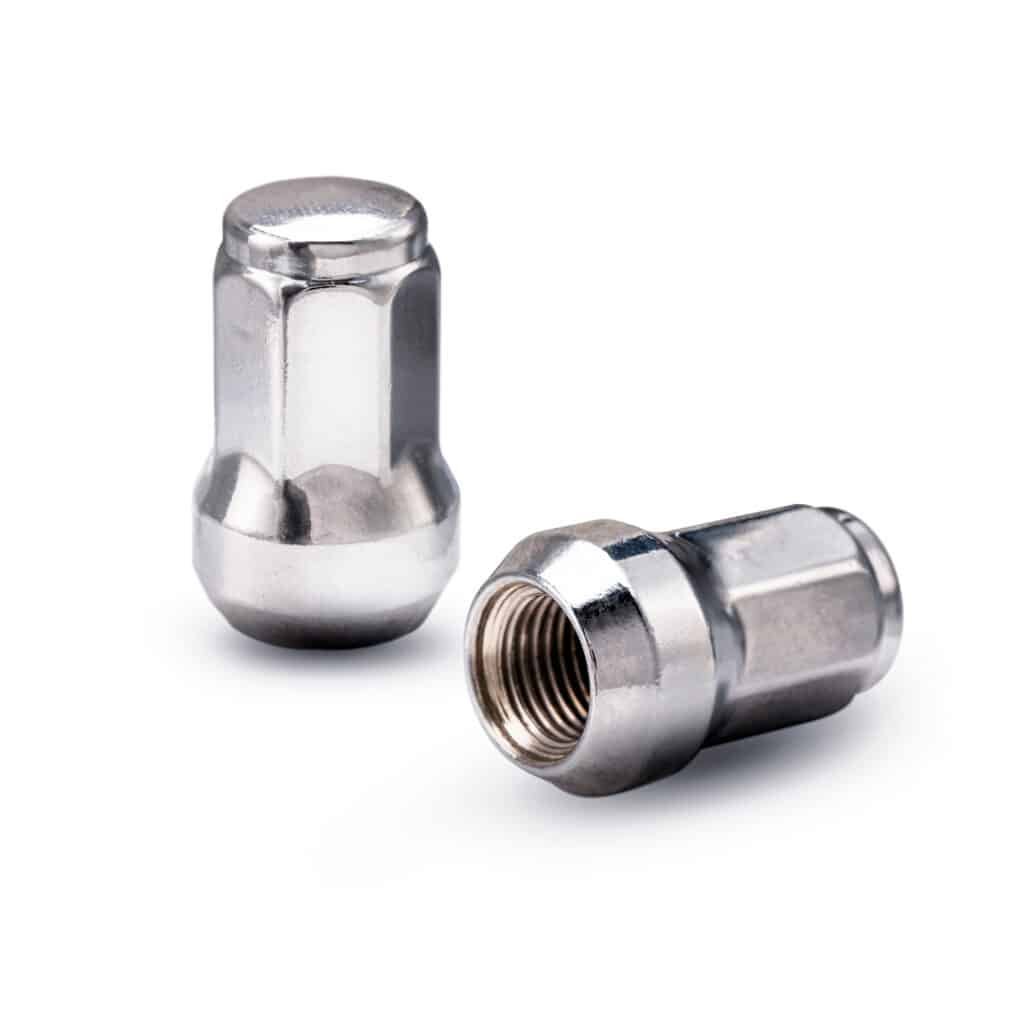
Decorative Trivalent Chrome Plating represents current best-practice for chrome automotive trim screws in European and North American markets—trivalent chromium (Cr³⁺) chemistry eliminates hexavalent chromium (Cr⁶⁺) addressing REACH Annex XIV authorization requirements and California Proposition 65 disclosure obligations. Appearance characteristics approach traditional hexavalent chrome with slightly warmer undertone (less blue-white, more neutral silver) that many designers prefer for contemporary luxury interiors. KEYFIX supplies trivalent chrome-plated fasteners to SAE J2527 decorative chrome requirements, with post-plate passivation and corrosion resistance checked by neutral salt spray per ASTM B117.
Triple-Nickel Chrome Architecture delivers premium appearance through specialized nickel layer engineering—semi-bright nickel underlayer (10-15μm) provides leveling and corrosion barrier, bright nickel mid-layer (15-20μm) develops reflectivity and depth, microporous or microcracked nickel top-layer (3-5μm) distributes corrosion attack across surface area rather than concentrating at pores, final chrome layer (0.5-0.8μm) provides characteristic luster and tarnish resistance. This construction achieves 720+ hour salt spray performance with brilliant appearance maintaining visual quality throughout extended vehicle service life. KEYFIX specifies triple-nickel systems for premium interior chrome automotive trim screws—instrument panel bezels, shift lever trim, door handle escutcheons—where appearance longevity justifies cost premium.
PVD Chrome Alternative Technology addresses environmental sustainability priorities—physical vapor deposition process in vacuum chambers creates chromium nitride (CrN) coatings exhibiting metallic gray-silver appearance approaching electroplated chrome aesthetics without hexavalent chromium chemistry. Coating thickness of 2-4μm provides superior wear resistance (1,800-2,200 HV hardness versus 850-1,000 HV for electroplate) benefiting applications experiencing handling wear—seat adjuster controls, door release mechanisms, steering column trim. KEYFIX supplies PVD chrome-alternative fasteners for electric vehicle manufacturers emphasizing sustainable manufacturing processes and luxury brand differentiation through advanced finishing technologies.
Aesthetic Quality Standards and Measurement
Chrome automotive trim screws appearance specifications extend beyond subjective “shiny” descriptions—luxury vehicle manufacturers define quantifiable visual parameters addressing reflectivity, color tone, surface smoothness, and defect tolerance.
Chrome Finish Quality Specification Framework
| Aesthetic Parameter | Measurement Methodology | Luxury Vehicle Standards | Typical Validation Equipment (industry) |
|---|---|---|---|
| Specular Reflectivity | 60° gloss meter per ASTM D523 | ≥800 gloss units (mirror finish) | BYK-Gardner micro-TRI-gloss meter |
| Color Tone Consistency | Spectrophotometer Lab* values | ΔE ≤1.5 within batch, ΔE ≤2.5 batch-to-batch | Spectrophotometer (customer-specified) or master-sample comparison |
| Surface Smoothness | Optical profilometry | Ra ≤0.2μm for Class A visible surfaces | Keyence VK-X3000 laser microscope |
| Pit/Pore Density | Metallographic cross-section | <20 pores/cm² for decorative applications | Laboratory microscopy at 500× magnification |
| Coating Thickness | X-ray fluorescence, coulometric | Ni: 25-40μm total, Cr: 0.3-0.8μm | Thickness measurement per specification, statistical sampling |
| Adhesion Performance | Thermal shock, humidity, tape test | No blistering after 240h humidity + thermal cycling | ASTM B571 accelerated testing |
| Visual Defect Classification | Standardized lighting inspection (D65, 6500K) | Class A: zero visible defects within 30cm viewing | Trained inspectors, reference defect standards |
| Tarnish Resistance | Accelerated aging (85°C/85% RH) | No discoloration after 500 hours exposure | Environmental chambers per ASTM D1748 |
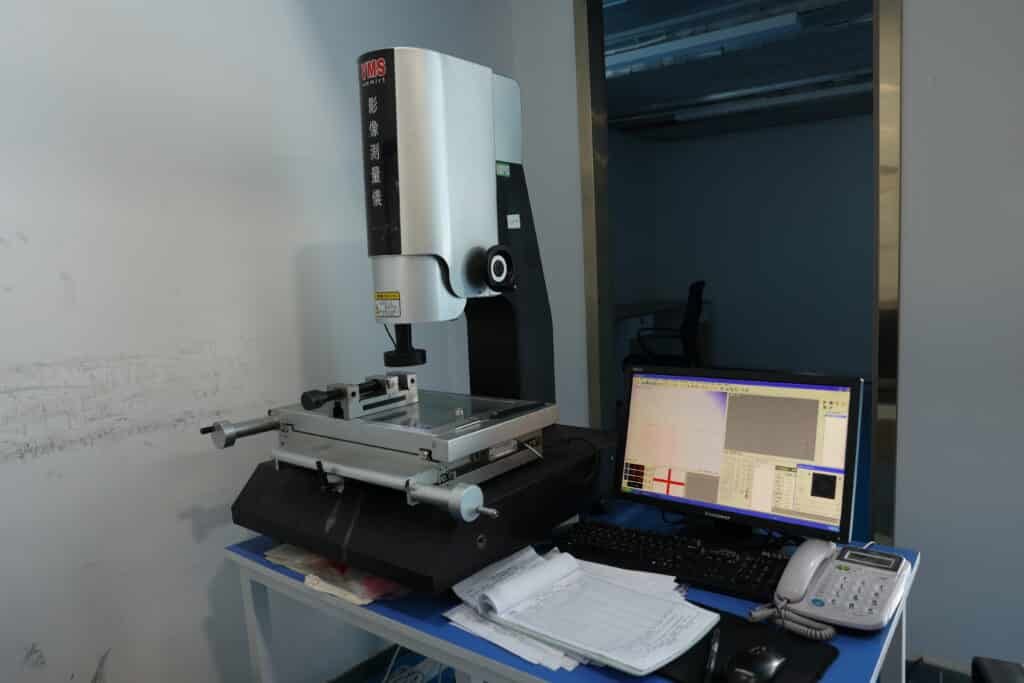
Specular Reflectivity Measurement quantifies chrome finish mirror-like quality—high-quality decorative chrome achieves 800-1,000 gloss units at 60° measurement angle (versus 50-100 GU for matte finishes, 200-400 GU for satin). Gloss development depends on substrate surface preparation (mechanical polishing achieving Ra <0.5μm before plating), nickel layer leveling characteristics, and chrome deposition parameters. KEYFIX implements multi-stage polishing protocols on precision-machined fastener blanks: abrasive tumbling removing machining marks, mechanical buffing developing initial luster, electropolishing in alkaline electrolyte providing final mirror surface before plating. Post-plate gloss measurement validates ≥800 GU conformance with statistical sampling frequency of 3% per production batch.
Color Tone Evaluation addresses chrome’s characteristic blue-white to neutral silver appearance—L* (lightness) value typically ranges 80-88 for quality chrome, a* (red-green axis) remains near neutral 0±1.5, b* (yellow-blue axis) exhibits slight negative values (-2 to -4) creating characteristic cool tone. Trivalent chrome shows slightly less negative b* (approaching 0) producing warmer silver compared to hexavalent chrome’s pronounced blue-white. KEYFIX checks color and gloss against master reference standards established during PPAP approval. ΔE (Delta E) calculations quantify color difference—maintaining ΔE ≤1.5 within production batches ensures visual consistency across assembled components.
Defect Classification and Tolerance varies by application visibility—Class A surfaces (instrument cluster surrounds, center console trim, door handle accents) demand zero visible defects within 30cm viewing distance under standardized lighting (6,500K color temperature, 500-1,000 lux intensity). Acceptable defect categories for Class B semi-visible surfaces (seat adjuster components, steering column shrouds) include: minor pits <0.3mm diameter outside primary sight lines, slight orange peel texture in low-visibility zones, minor color variation ΔE 2.5-3.5 in peripheral areas. KEYFIX trains visual inspectors using reference defect panels establishing acceptance criteria, with inspection conducted in controlled lighting booths eliminating ambient illumination variability affecting subjective assessment.
Substrate Material and Pre-Treatment Considerations
Base fastener material selection profoundly influences chrome plating adhesion, appearance uniformity, and long-term durability—automotive applications require careful material-process compatibility evaluation.
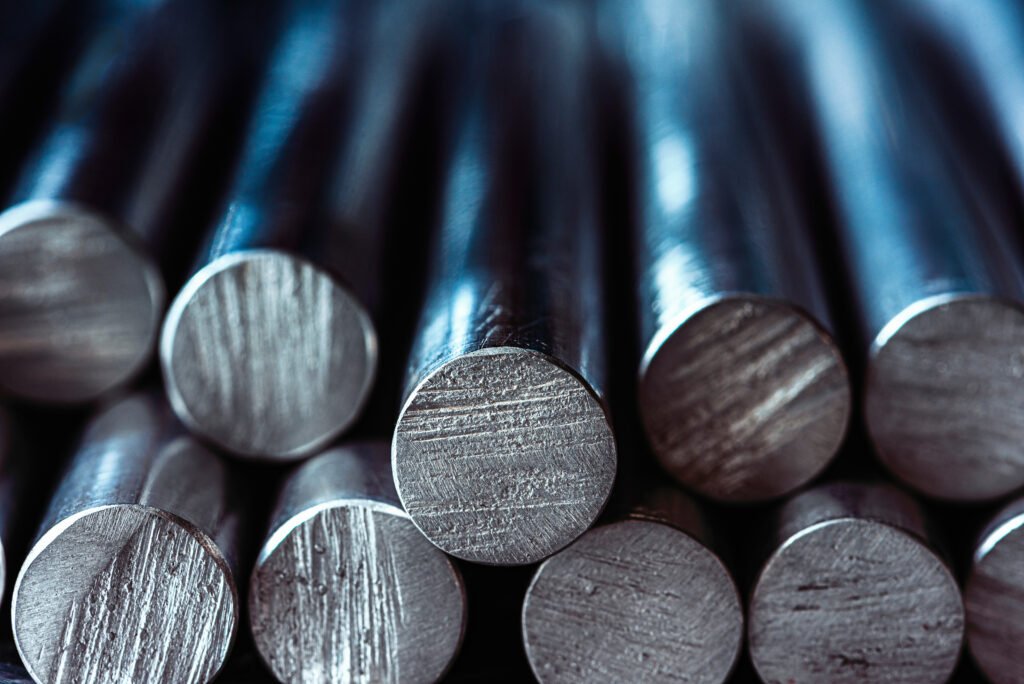
Material Substrate Compatibility Analysis
| Base Material | Chrome Plating Suitability | Pre-Treatment Requirements | Appearance Characteristics | Application Recommendations |
|---|---|---|---|---|
| Brass (C360, C464) | Excellent – traditional choice | Cyanide strike or Wood’s nickel strike | Superior leveling, brilliant finish | Decorative visible trim, legacy applications |
| Zinc Alloy (Zamak 3, 5) | Excellent – common die-cast substrate | Cyanide or alkaline copper strike | Good leveling, economical for complex shapes | Door handles, interior bezels, ornamental trim |
| Low-Carbon Steel (1018) | Good – requires activation | Acid pickle, copper strike, nickel undercoat | Uniform appearance with proper prep | Structural fasteners, cost-effective solutions |
| Stainless Steel (304, 316) | Challenging – passive oxide barrier | Activation etch (HCl + sulfuric), Wood’s strike | Difficult adhesion, specialized processing | When corrosion resistance priority exceeds aesthetics |
| Aluminum (6061) | Very challenging – requires zincate | Double zincate process, strike plating | Prone to blistering without perfect prep | Lightweight applications, limited automotive use |
| Plastic (ABS, PC/ABS) | Specialized – requires etching | Chromic-sulfuric etch, electroless copper seed | Excellent for complex geometries, lower cost | Non-structural decorative components |
Brass Substrate Advantages explain its historical dominance in decorative automotive fasteners—naturally smooth surface (as-machined Ra 0.8-1.6μm) requires minimal mechanical preparation, excellent adhesion characteristics promote chrome layer bonding, superior ductility accommodates plating stresses without cracking, and golden base metal color underlying any microscopic chrome pores maintains aesthetic appearance. KEYFIX manufactures premium chrome automotive trim screws from C360 free-machining brass through CNC turning maintaining ±0.005mm tolerances, with rotary buffing developing Ra <0.4μm surface finish before nickel-chrome plating sequence. Resulting fasteners exhibit brilliant mirror chrome appearance suitable for luxury vehicle Class A visible applications.
Zinc Alloy Die-Casting enables complex decorative component geometries impractical through machining—Zamak 3 (95.8% zinc, 4% aluminum, 0.035% magnesium) provides excellent die-casting characteristics with adequate strength for non-structural trim applications. Surface preparation requires copper strike plating (2-3μm) over zinc substrate before nickel-chrome sequence, preventing zinc oxidation compromising adhesion. KEYFIX supplies zinc die-cast decorative components (ornamental heads, integrated washers, brand logos) subsequently chrome-plated achieving uniform luster across intricate geometric features impossible with conventional fastener manufacturing.
Surface Preparation Critical Importance cannot be overstated—95% of chrome plating adhesion failures trace to inadequate pre-treatment per automotive finishing industry analysis. KEYFIX implements comprehensive preparation protocols: ultrasonic degreasing removing manufacturing oils and contaminants, electrolytic alkaline cleaning ensuring water-break-free surfaces, acid activation dissolving oxide films exposing reactive metal surface, multiple rinses between stages preventing contamination carryover. Quality pre-treatment adds 18-25% to finishing cost but eliminates 90%+ of field coating failures, protecting brand reputation and reducing warranty expenses.
Functional Performance Beyond Aesthetics
While appearance drives chrome automotive trim screws specification, functional requirements—corrosion resistance, wear durability, installation characteristics—equally determine suitability for automotive applications.
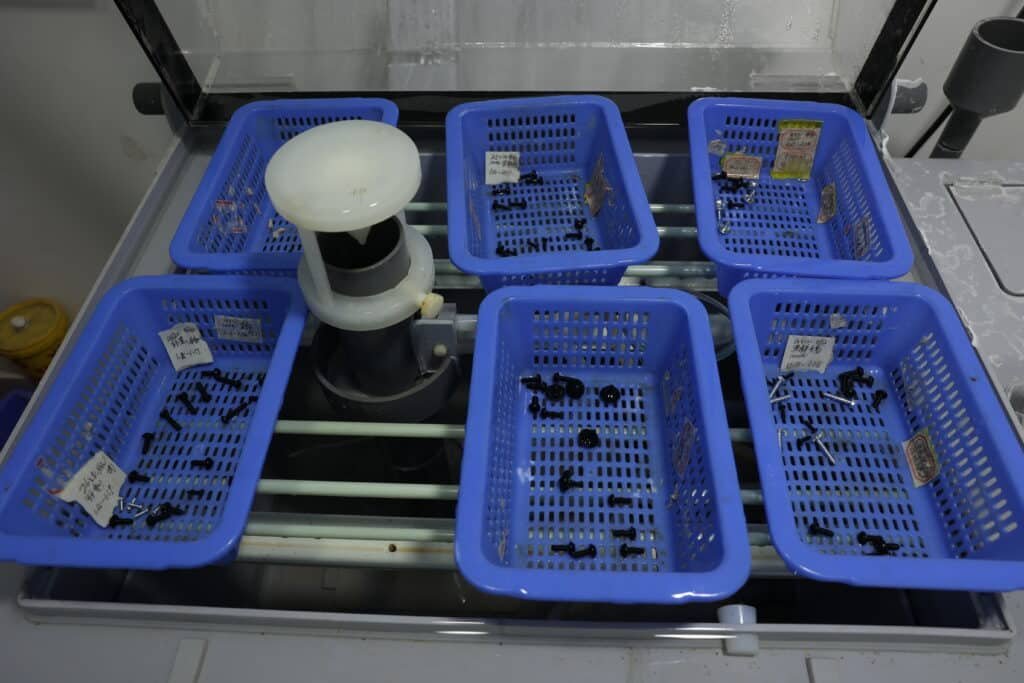
Functional Performance Validation Framework
| Performance Attribute | Testing Methodology | Automotive Requirements | KEYFIX Validation |
|---|---|---|---|
| Corrosion Resistance | ASTM B117 neutral salt spray | 240-480 hours to base metal corrosion | 500+ hour capability with triple-nickel systems |
| Humidity Resistance | ASTM D2247 condensation chamber | No blistering after 240 hours @ 100% RH, 40°C | Periodic testing on production samples |
| Wear Resistance | Taber abraser per ASTM D4060 | Chrome layer retention after 1000 cycles | Specialized testing for high-contact applications |
| Chemical Resistance | Exposure to automotive fluids | No degradation from cleaning agents, leather treatments | Immersion testing in representative chemicals |
| Thermal Cycling | -40°C to +85°C, 10 cycles/day for 30 days | No cracking, peeling, or discoloration | Environmental chambers per automotive standards |
| UV Stability | QUV accelerated weathering ASTM G154 | <5% gloss loss after 1000 hours (exterior applications) | Testing for exterior chrome trim components |
| Installation Torque | Torque-angle monitoring during assembly | Coating doesn’t interfere with specified torque | Thread gauge validation post-plating |
| Thread Functionality | GO/NO-GO gauge verification | Class 2A tolerance maintained after coating | Automated thread checking on 100% of production |
Corrosion Protection Mechanisms in multi-layer chrome systems operate through complementary strategies—copper underlayer (15-25μm) provides mechanical leveling smoothing substrate imperfections, semi-bright nickel (10-15μm) serves as primary corrosion barrier with intentional porosity distributing attack, bright nickel (15-20μm) develops reflectivity while continuing corrosion protection, microporous nickel (3-5μm) creates intentional microcrack network (200-400 microcracks/cm²) distributing corrosion across surface area rather than deep penetration at isolated pores, final chrome layer (0.3-0.8μm) provides tarnish resistance and characteristic luster. KEYFIX validates this architecture through extended salt spray exposure (500+ hours) with periodic examination documenting corrosion initiation points and progression rates.
Thread Tolerance Maintenance presents unique challenge for plated fasteners—25-40μm total nickel thickness plus 0.3-0.8μm chrome potentially increases thread major diameter and decreases minor diameter affecting assembly torque and thread engagement. KEYFIX compensates through undersized blank production: thread rolling dies configured generating pitch diameters 0.030-0.040mm below Class 2A nominal, accommodating subsequent plating thickness while maintaining post-plate conformance. Automated thread plug gauge verification on 5% statistical sampling confirms GO gauge acceptance and NO-GO gauge rejection validating dimensional control. For critical precision applications, post-plate thread chasing removes coating buildup from functional thread surfaces while preserving plating on crests and roots.
Wear Resistance in High-Contact Applications becomes critical for chrome automotive trim screws experiencing repeated handling—seat adjuster controls, door release mechanisms, convertible top latches. Electroplated chrome hardness of 850-1,000 HV provides moderate wear resistance adequate for occasional contact but insufficient for high-frequency use. KEYFIX specifies supplementary PVD topcoat (chromium nitride, diamond-like carbon) over chrome electroplate achieving 1,800-2,500 HV surface hardness—hybrid finish maintains chrome aesthetic appearance while dramatically extending wear life. Alternative approach employs bright nickel without chrome topcoat, accepting warmer silver tone in exchange for superior ductility and wear characteristics.
Application Engineering for Decorative Fasteners
Different vehicle systems impose distinct requirements on chrome automotive trim screws—understanding these functional demands enables appropriate specification balancing aesthetic priorities with mechanical performance.
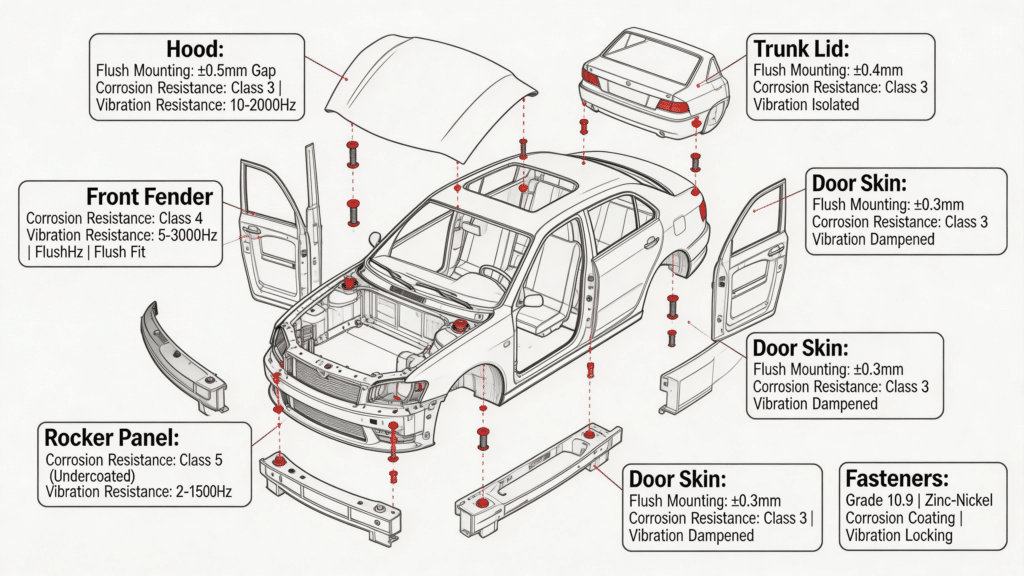
Application-Specific Design Requirements
| Vehicle System | Representative Applications | Functional Priorities | Material Recommendation | Finish Specification |
|---|---|---|---|---|
| Instrument Panel | Bezel trim, gauge surrounds, speaker grilles | Class A appearance, minimal torque, non-magnetic | Brass C360 or stainless 304 | Triple-nickel trivalent chrome, ≥850 GU |
| Center Console | Shifter trim, storage lid hardware, control surrounds | High-visibility aesthetics, moderate wear | Brass or zinc alloy die-cast | Decorative chrome, satin chrome alternative |
| Door Hardware | Interior handle escutcheons, window switch bezels | Frequent handling wear, corrosion from moisture | Brass substrate, PVD overcoat for wear | Chrome base + DLC topcoat for longevity |
| Seating Systems | Adjuster lever trim, headrest post collars | High cycle wear, mechanical loading | Steel substrate for strength, brass for aesthetics | Bright nickel or wear-resistant chrome |
| Exterior Accent Trim | Mirror caps, window surrounds, body side molding | UV exposure, thermal cycling, stone chip resistance | Stainless steel or aluminum with specialized prep | UV-stable chrome, consideration of PVD alternatives |
| Audio/Navigation | Control knob trim, screen bezel accents | Premium tactile feel, fingerprint resistance | Brass or zinc alloy with knurled or textured features | Satin chrome or bright nickel with anti-fingerprint coating |
Instrument Panel Applications represent highest-visibility chrome automotive trim screws—positioned directly in driver and passenger sight lines during entire vehicle operation, fastener appearance profoundly influences perceived interior quality. Specifications typically demand Class A visual quality (no visible defects within 30cm viewing), brilliant mirror finish (≥850 gloss units), precise color matching to adjacent chrome trim elements (ΔE ≤1.5), and long-term tarnish resistance (no discoloration throughout warranty period). KEYFIX produces instrument cluster chrome fasteners from C360 brass with smooth pre-plate surfaces, triple-nickel chrome architecture providing 500+ hour corrosion resistance, and ±0.005mm dimensional precision on CNC features ensuring reliable automated assembly without pick-and-place errors.
Door Hardware Wear Considerations differentiate these applications from static instrument panel trim—interior door handles experience 8,000-12,000 actuation cycles during typical vehicle ownership (3× daily use over 10 years), window switch bezels contact fingers 15,000-20,000 times, creating wear patterns degrading chrome finish appearance. KEYFIX recommends supplementary wear protection for high-contact chrome automotive trim screws: PVD chromium nitride overcoat (1-2μm) maintaining chrome aesthetic while providing 1,800 HV surface hardness, diamond-like carbon (DLC) topcoat offering extreme wear resistance with characteristic dark gray appearance, or bright nickel without chrome accepting warmer silver tone in exchange for superior ductility and wear characteristics.
Exterior Accent Trim Challenges include UV radiation causing polymer substrate degradation (plastic chrome trim), thermal cycling from -40°C winter cold to +80°C summer heat creating expansion stress, stone chip impacts from road debris, and corrosion from road salt exposure. KEYFIX validates exterior chrome fastener durability through extended weathering protocols: QUV accelerated exposure (1,000+ hours UVA-340 at 60°C) confirming <5% gloss loss, thermal shock testing (-40°C to +85°C, 10 cycles daily for 30 days) verifying no cracking or delamination, and extended salt spray (720+ hours) documenting corrosion protection adequacy. UV-stabilized chrome formulations incorporating organic topcoats maintain luster throughout 5+ year service life in harsh climates.
Supplier Selection Framework: KEYFIX Decorative Finishing Excellence
Choosing a chrome automotive trim screws manufacturer requires evaluation beyond basic plating capability—finish quality consistency, automotive industry understanding, and environmental compliance differentiate specialized suppliers.
Comprehensive Supplier Capability Assessment
| Evaluation Criterion | Commodity Plating Suppliers | KEYFIX Specialized Capability | Customer Strategic Value |
|---|---|---|---|
| Chrome Technology Portfolio | Single process (typically Cr⁶⁺) | Multiple options: trivalent Cr³⁺, triple-nickel, PVD chrome alternatives | Optimal finish for each application, regulatory flexibility |
| Appearance Quality Control | Visual comparison to master sample | Quantitative: spectrophotometer (ΔE), gloss meter (≥850 GU), profilometry (Ra) | Consistent aesthetics across production, objective documentation |
| Environmental Compliance | Limited Cr⁶⁺ alternatives | Complete Cr⁶⁺-free solutions: trivalent chrome, PVD, bright nickel | REACH compliance, California Prop 65, sustainable branding |
| Automotive Certification | General industrial plating | IATF 16949:2016 automotive quality management system | OEM-qualified supplier, PPAP documentation capability |
| Substrate Material Expertise | Steel plating primarily | Brass, zinc alloy, stainless, aluminum specialized processing | Optimal substrate selection, complex geometry compatibility |
| Pre-Treatment Sophistication | Single-stage cleaning | Multi-stage: ultrasonic degrease, electrolytic clean, activation, rinse | Superior adhesion, 90%+ reduction in coating failures |
| Class A Visual Quality | Standard industrial finish | Trained inspectors, standardized lighting (D65, 6500K), defect classification | Luxury vehicle visible fastener requirements |
| Production Flexibility | High-volume only, 25,000+ MOQ | 1,000-5,000 MOQ for custom chrome finishes | Prototype-to-production, multiple vehicle program support |
Trivalent Chrome Conversion Leadership positions KEYFIX ahead of suppliers maintaining only legacy hexavalent chrome capability—European Union REACH Annex XIV authorization requirements restricting Cr⁶⁺ usage after 2017 forced automotive supply chain conversion to trivalent alternatives. KEYFIX invested in dedicated trivalent chrome plating infrastructure beginning 2015, accumulating 9+ years process optimization experience. Current production achieves appearance quality matching hexavalent chrome (gloss ≥850 GU, ΔE ≤1.5 batch consistency) while providing complete regulatory compliance for global automotive markets. This technological maturity eliminates regulatory risk and provides competitive advantage versus suppliers still dependent on Cr⁶⁺ processes requiring ongoing authorization renewals.
Class A Visual Quality Infrastructure distinguishes luxury automotive finishing from industrial plating—KEYFIX maintains dedicated inspection environments with standardized D65 illumination (6,500K color temperature simulating daylight), controlled viewing distances (30cm for Class A, 60cm for Class B), and trained inspector workforce certified through annual visual acuity testing and defect recognition evaluation. Reference defect panels establish acceptance/rejection criteria aligned with luxury OEM specifications: zero pits >0.1mm diameter in Class A zones, no color streaking or uneven luster, perfect coverage without bare spots or thin areas. This systematic approach ensures chrome automotive trim screws meet stringent appearance standards expected in vehicles exceeding $60,000 transaction prices.
IATF 16949:2016 Automotive Certification validates organizational capability beyond general ISO 9001 quality management—automotive-specific requirements include advanced product quality planning (APQP) guiding chrome fastener development from concept through production, production part approval process (PPAP) providing comprehensive appearance approval documentation with sample retention, failure mode effects analysis (FMEA) systematically preventing plating defects, and measurement system analysis (MSA) confirming color measurement and gloss testing equipment accuracy. KEYFIX’s IATF 16949 certification, audited by NQA, demonstrates sustained compliance and continuous improvement culture supporting long-term supply agreements throughout vehicle production lifecycles.
Conclusion: Premium Decorative Fastening for Luxury Automotive
Chrome automotive trim screws represent the intersection of aesthetic design intent and functional engineering—achieving brilliant mirror finish, consistent color tone, and long-term durability while maintaining precise dimensions, thread functionality, and corrosion protection demands specialized manufacturing expertise. The proliferation of luxury vehicle interior design emphasizing premium materials, meticulous craftsmanship, and lasting quality elevates chrome fastener importance from commodity component to brand-defining design element.
KEYFIX’s 20+ years of precision fastener manufacturing integrate chrome finishing options—trivalent chrome electroplating (REACH-compliant), triple-nickel architecture (enhanced corrosion protection), PVD chrome alternatives (sustainable luxury), and bright nickel variations (cost-optimized solutions),—addressing the complete spectrum of automotive decorative fastening requirements. Our IATF 16949:2016 certification, quantitative appearance targets (ΔE ≤1.5, ≥850 GU), and Class A visual inspection demonstrate capability producing chrome automotive trim screws meeting luxury vehicle manufacturer appearance standards and warranty durability expectations.
Engage KEYFIX’s decorative finishing specialists to evaluate your chrome fastener requirements—we provide finish technology consultation analyzing aesthetic priorities and environmental exposure conditions, appearance sample sets demonstrating chrome alternatives on representative geometries (brass substrate, zinc die-cast, stainless steel), accelerated durability testing validating corrosion resistance and wear performance, and complete PPAP documentation supporting OEM qualification including dimensional validation, appearance approval panels, and environmental testing confirmation.
Request chrome finish evaluation samples showcasing KEYFIX aesthetic quality across multiple substrate materials, review spectrophotometric color data and gloss measurements documenting batch-to-batch consistency, access technical resources including corrosion testing reports and finish selection decision matrices, or schedule facility tours (virtual or on-site) examining electroplating operations, pre-treatment systems, quality laboratories equipped with spectrophotometers and gloss meters, and Class A inspection environments validating luxury automotive appearance standards.