Understanding the various types of automotive screws is essential for vehicle assembly, maintenance, and repair. Modern vehicles utilize dozens of specialized screw types, each engineered for specific applications, materials, and performance requirements. As an IATF 16949 certified China automotive screws manufacturer, Keyfix produces comprehensive ranges of automotive screws serving global OEMs, aftermarket suppliers, and repair facilities worldwide.
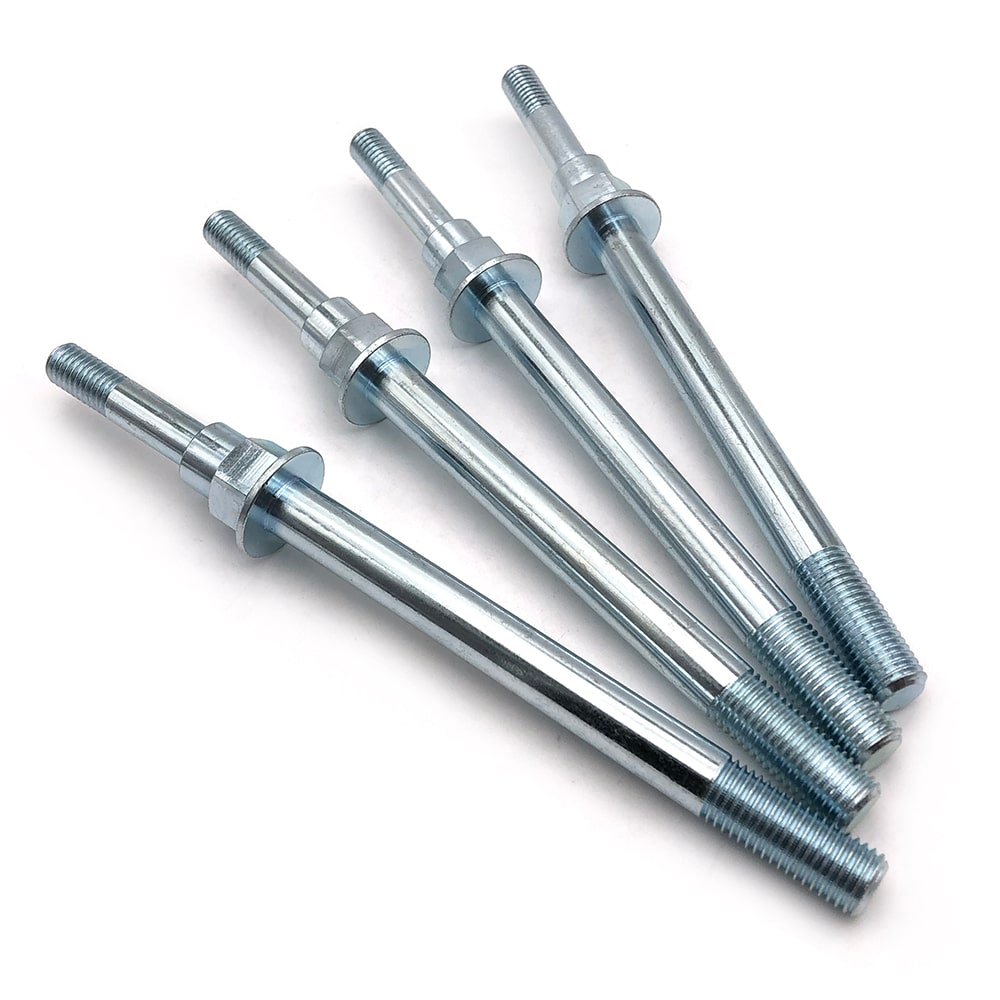
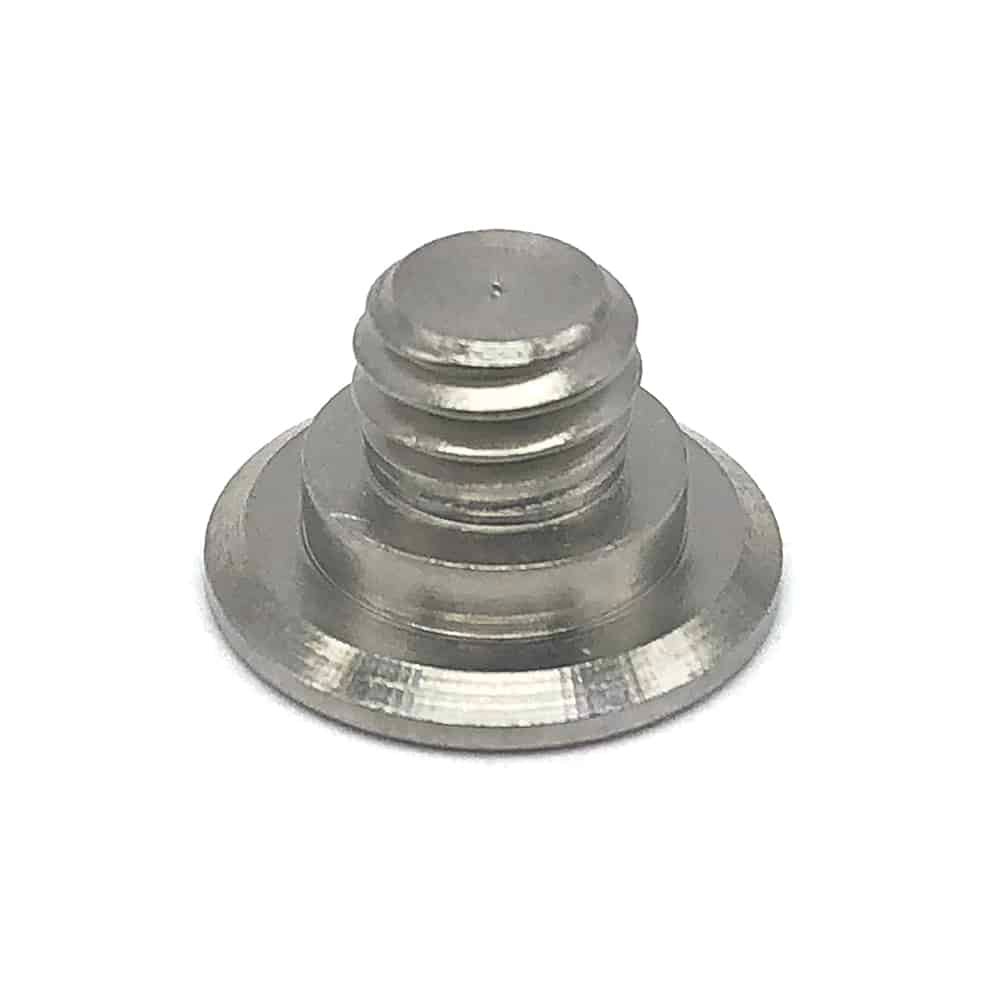
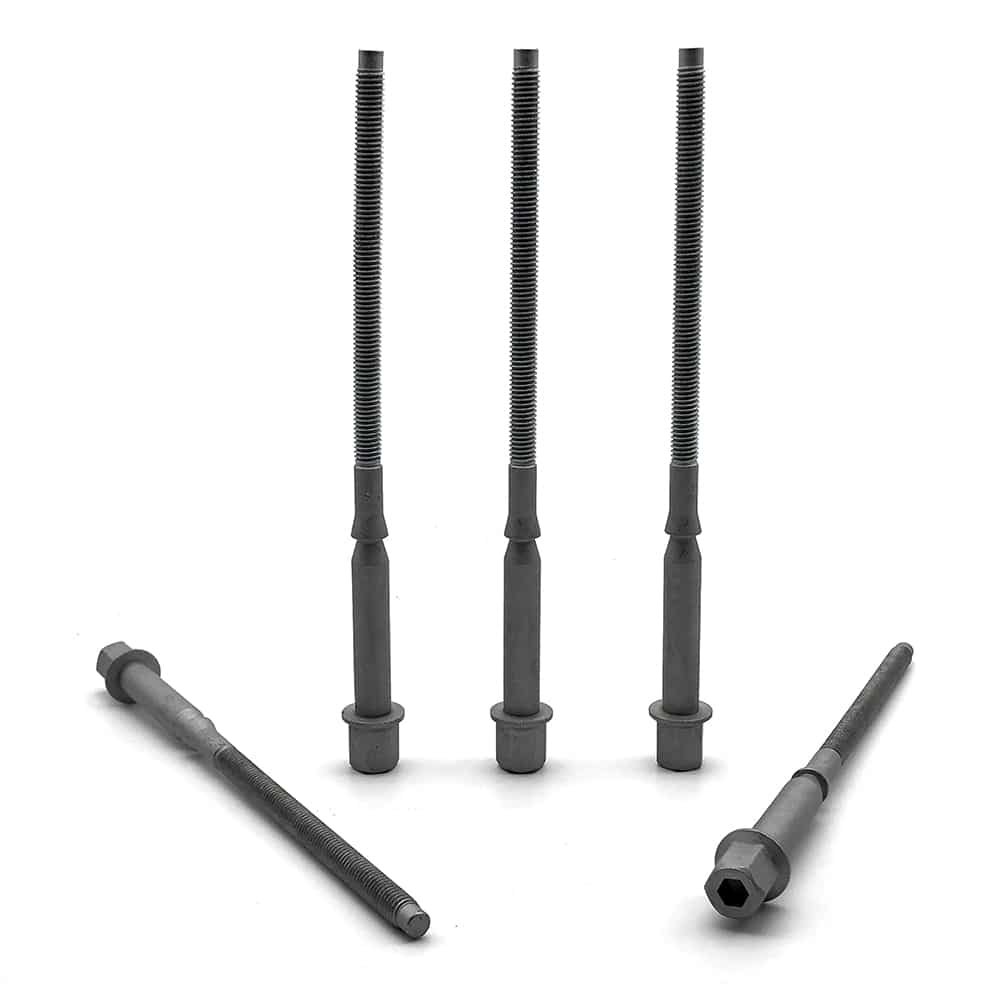
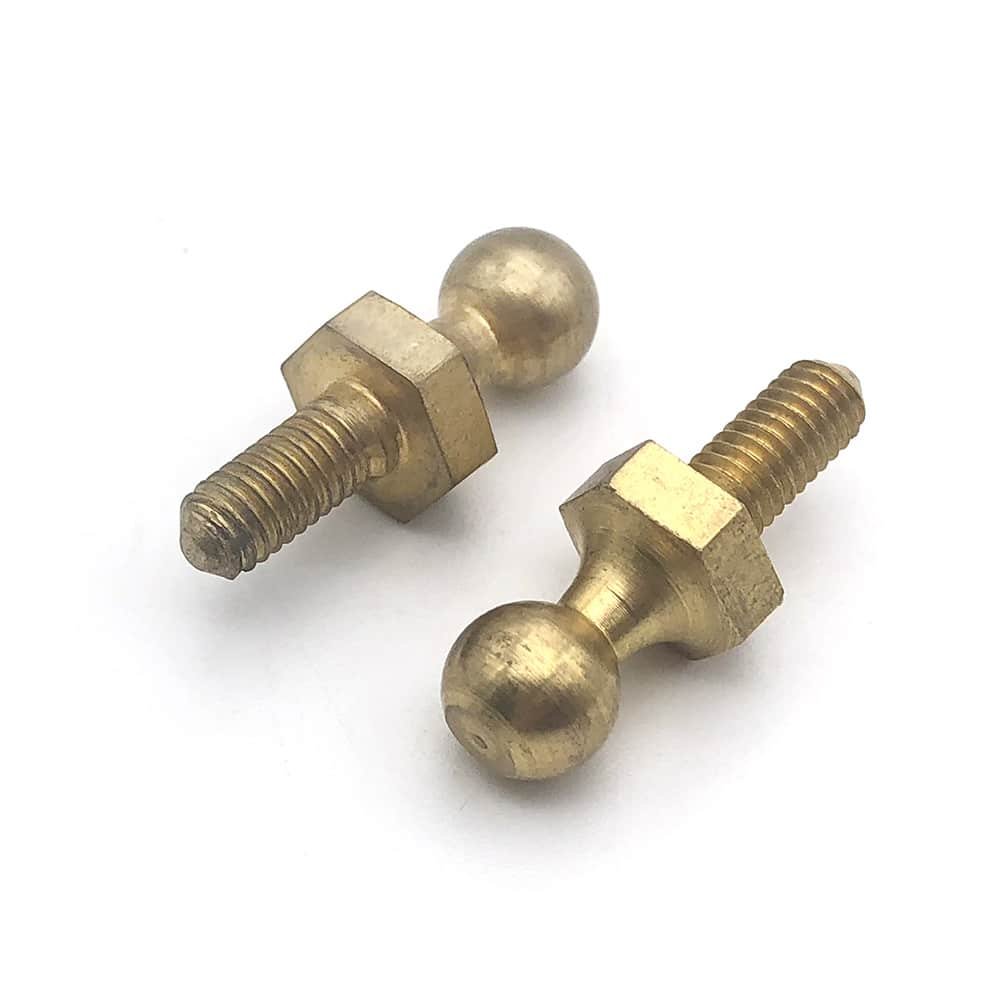
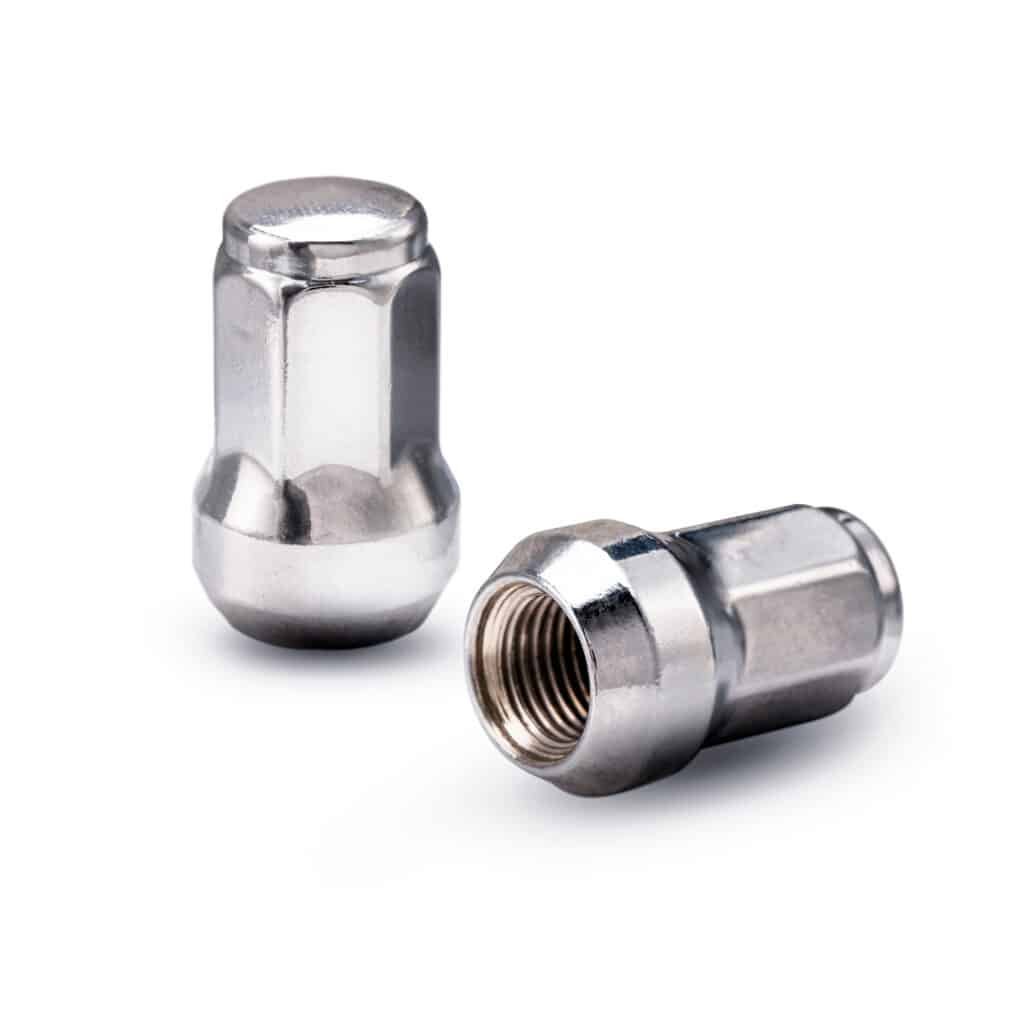
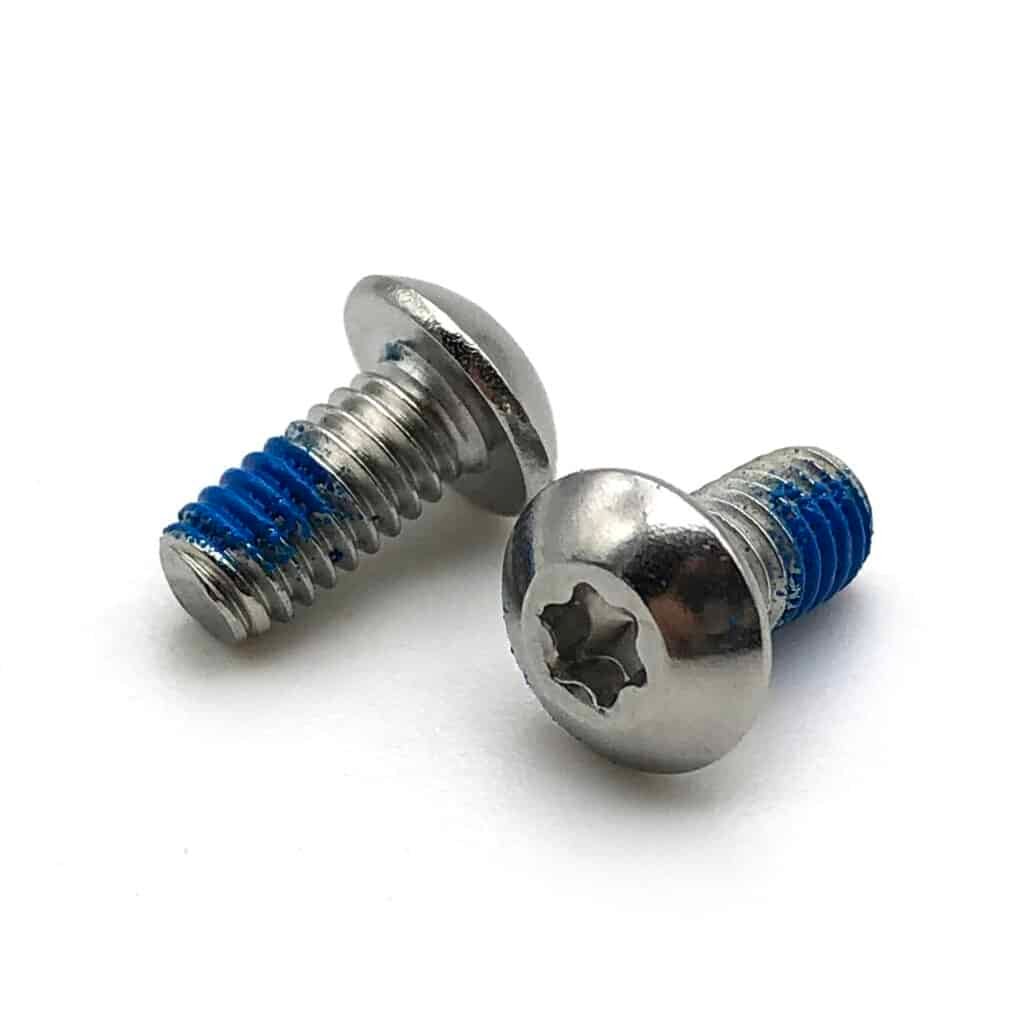
Product Introduction: Automotive Screw Classification
Understanding Automotive Screw Categories
Automotive screws can be classified by multiple characteristics including thread type (machine screws vs. self-tapping), head style (pan, flat, hex, button, etc.), drive type (Phillips, Torx, hex socket), material and coating (carbon steel, stainless steel, plated), and functional design (standard, thread-locking, captive washer). Each classification serves specific assembly requirements, substrate materials, and performance needs.
Modern vehicles integrate 500-2,000+ screws throughout construction, from engine components to interior trim. Selecting appropriate screw types ensures reliable assembly, proper performance, and long service life while optimizing manufacturing efficiency and cost.
Why Understanding Screw Types Matters
Proper screw selection prevents assembly failures including stripped threads, component damage, inadequate holding strength, corrosion-related failures, and vibration loosening. Understanding screw types enables optimal material selection, appropriate thread design for substrates, correct installation procedures, efficient automated assembly, and reduced warranty claims.
Major Types of Automotive Screws
Classification by Thread Design
Machine Screws
Machine screws feature uniform threads along the shank designed to engage with pre-tapped holes, threaded inserts, or nuts. These screws provide maximum strength, allow repeated assembly/disassembly, offer precise thread engagement, and serve critical structural connections.
Common Applications: Engine assemblies, transmission components, chassis mounting, brake systems, and structural connections.
Typical Sizes: M3 to M16 (metric), #6-32 to 1/2″-13 (imperial).
Self-Tapping Screws
Self-tapping screws create their own threads during installation, eliminating tapping operations. Categories include thread-cutting screws (Type A, B, C) with cutting edges removing material, thread-forming screws (Type F, T) displacing material without cutting, and self-drilling screws (Type 17) that drill and tap simultaneously.
Common Applications: Sheet metal assembly, plastic components, body panels, interior trim, and brackets.
Typical Sizes: ST2.9 to ST6.3 (metric), #6 to #14 (imperial).
Classification by Head Style
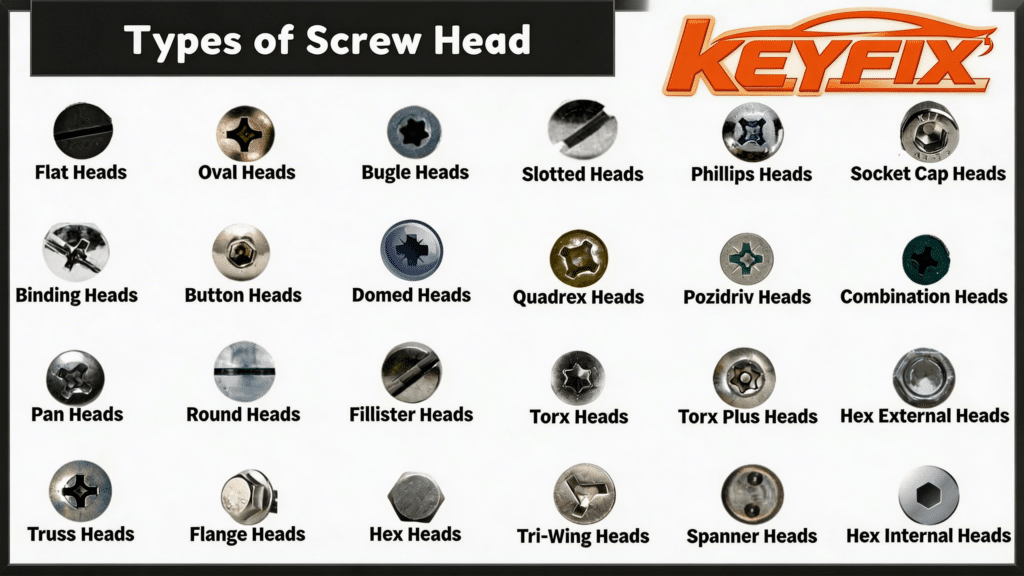
| Head Style | Profile | Bearing Area | Typical Applications | Key Advantages |
|---|---|---|---|---|
| Pan Head | Low rounded dome | Large | General assembly, trim, brackets | Versatile, good load distribution |
| Flat Head | Countersunk | Small | Aerodynamic surfaces, flush mounting | Smooth finish, no protrusion |
| Button Head | Low rounded | Moderate | Visible trim, modern aesthetic | Attractive appearance, low profile |
| Hex Head | External hex | Large | Structural, high-torque | Maximum torque capability |
| Hex Washer | Hex with integral washer | Extra large | Underbody, vibration-prone | Excellent load distribution |
| Truss Head | Wide shallow dome | Extra large | Thin materials, soft substrates | Prevents pull-through |
| Socket Head | Cylindrical | Moderate | Precision assembly, tight spaces | High strength, compact |
| Low Head | Minimal profile | Moderate | Space-constrained areas | Minimal height clearance |
Classification by Drive Type
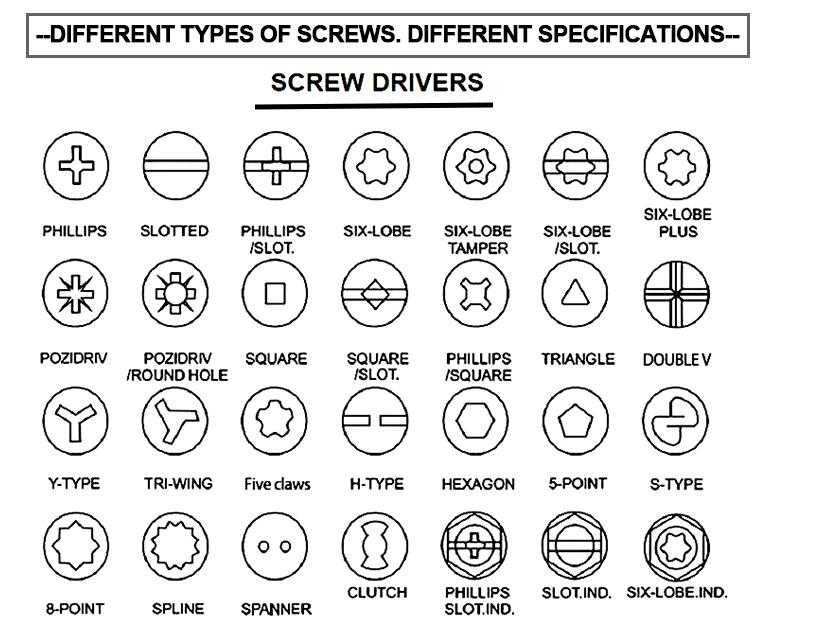
Phillips Drive
Traditional cross-recess design offering common tool availability, adequate torque for many applications, and intentional cam-out at high torque. Phillips (#1, #2, #3) remains widespread but increasingly replaced by Torx in modern vehicles.
Applications: Interior trim, general assembly, aftermarket accessibility.
Torx Drive
Six-point star pattern providing superior torque transfer, virtually no cam-out, consistent automated assembly, and reduced bit wear. Torx (T10-T40) is standard in modern automotive manufacturing.
Applications: Modern vehicle assembly, engine components, chassis systems, precision applications.
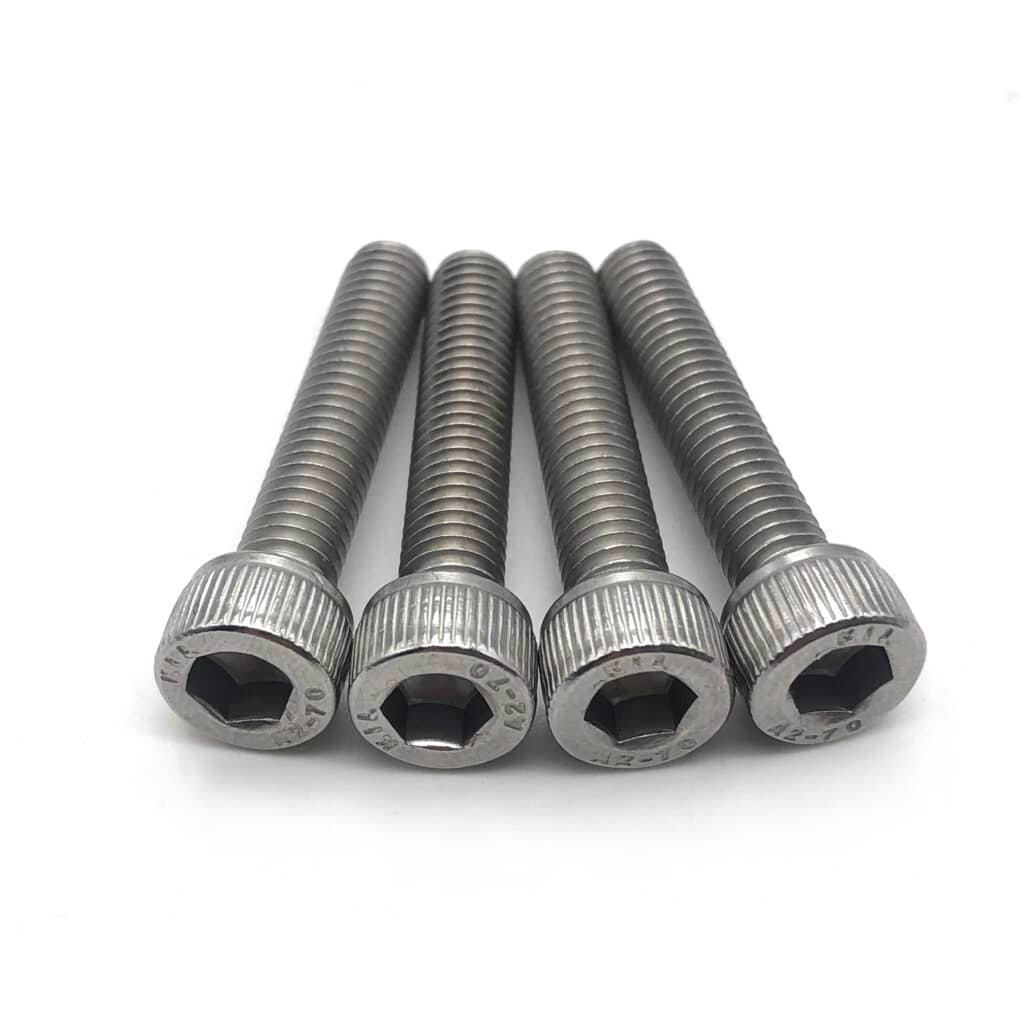
Hex Socket (Allen)
Internal hexagonal recess offering high torque capability, compact recessed design, professional appearance, and precise fit. Common sizes: 2mm-10mm.
Applications: Engine assemblies, structural connections, premium applications, tight-clearance installations.
Combination Drives
Phillips/Slotted or Phillips/Hex combinations providing installation flexibility, backup drive option, and service convenience.
Applications: User-accessible components, service panels, aftermarket friendliness.
Specialty Automotive Screw Types
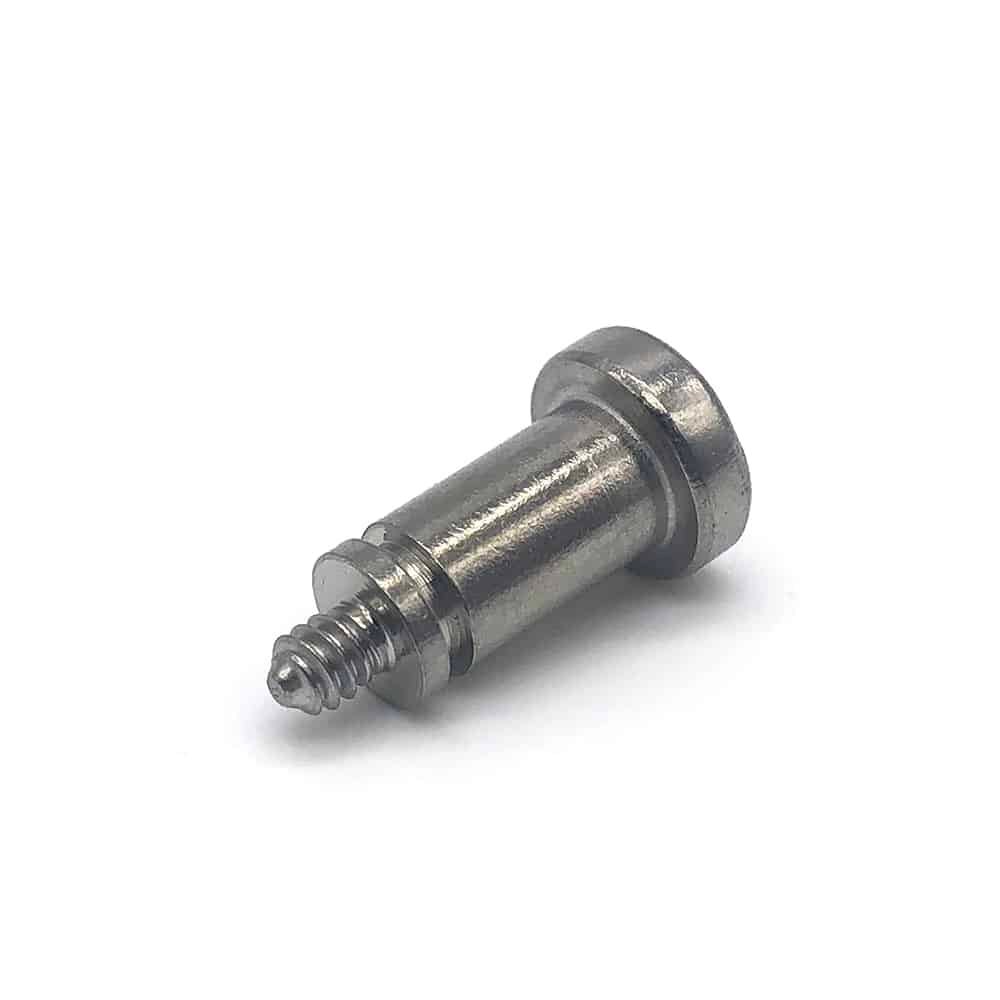
Shoulder Screws (Shoulder Bolts)
Feature precision cylindrical shoulder between head and threads, serving as pivot points, rotating shafts, or precise spacers. Applications include linkages, control mechanisms, and precision assemblies.
Key Specifications: Shoulder diameter ±0.01mm tolerance, various shoulder lengths, ground finish.
SEMS Screws (Pre-Assembled Washers)
Integrate washer permanently assembled to screw, eliminating loose washers, reducing assembly steps, ensuring consistent installation, and preventing washer loss. Common in high-volume production.
Types: With lock washers, flat washers, or conical washers.
Captive Screws
Remain attached to panels or components after loosening, preventing loss during service, simplifying reassembly, and ideal for access panels. Feature shoulder or washer retention.
Applications: Electronics enclosures, service panels, inspection covers.
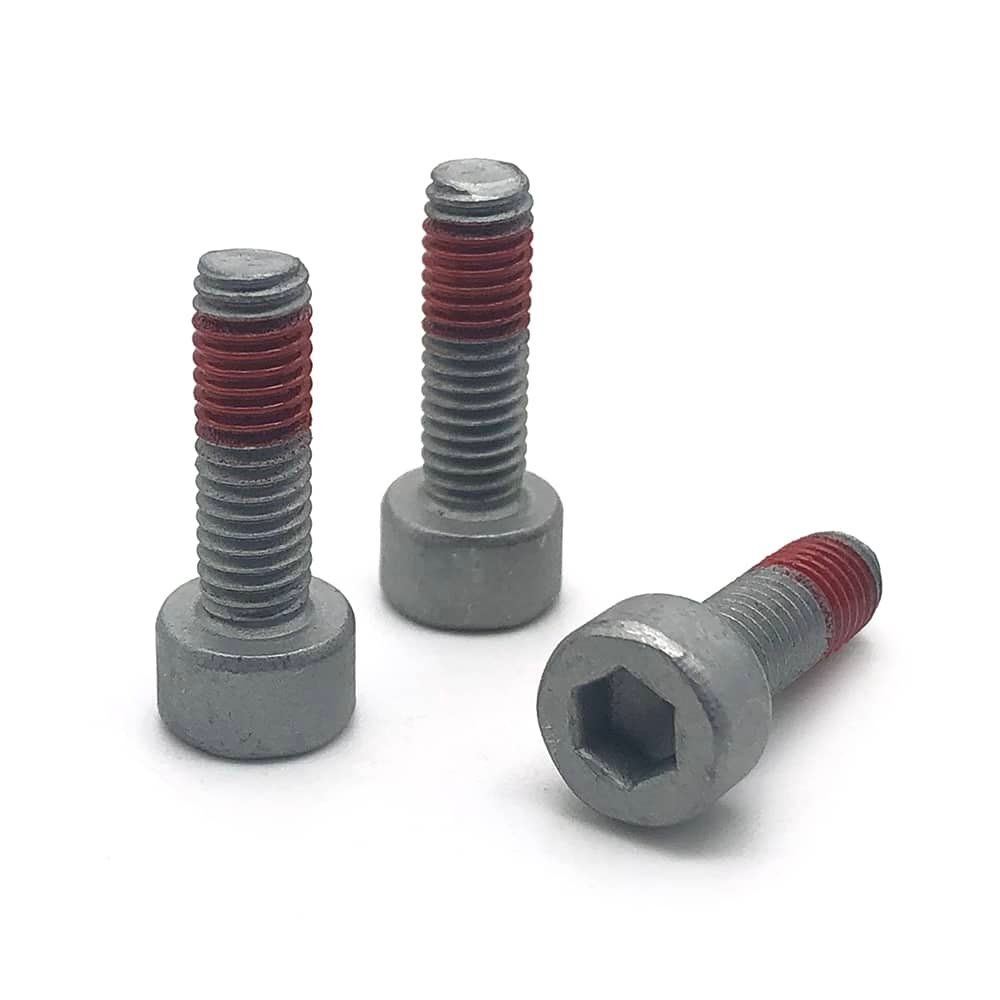
Thread-Locking Screws
Incorporate vibration resistance through nylon inserts, patch coatings, micro-encapsulation, or deformed threads. Prevent loosening in automotive vibration environments.
Applications: Engine mounts, suspension, underbody components, critical assemblies.
Automotive Screw Types by Vehicle System
Engine and Powertrain Screws
| Screw Type | Applications | Key Requirements |
|---|---|---|
| High-Strength Hex Bolts | Cylinder head, main bearings | Precise torque, grade 10.9-12.9 strength |
| Flange Bolts | Engine cases, oil pans | Integrated washer, high torque |
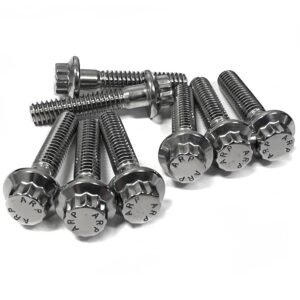
| Socket Head Screws | Timing covers, accessories | Compact design, high strength |
| Thread-Forming Screws | Plastic covers, brackets | Optimized for aluminum and plastic |
Chassis and Suspension Screws
Structural Bolts: High-strength hex head bolts for frame connections, suspension mounting, and safety-critical assemblies. Grades 8.8 to 10.9 strength.
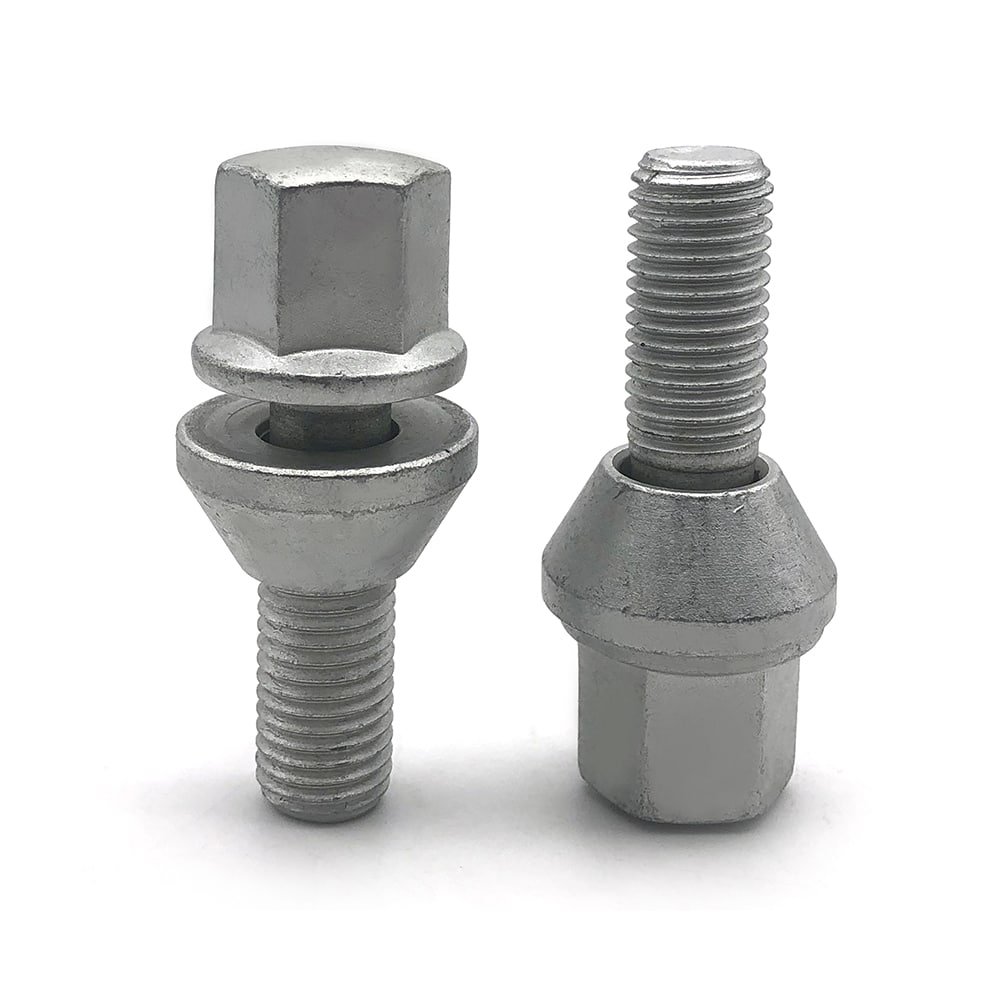
Flange Bolts: Integrated washers for increased bearing area, vibration resistance, and load distribution in suspension linkages and mounting points.
Self-Locking Screws: Thread-locking features preventing loosening from road vibration in control arms, sway bars, and adjustable components.
Body and Exterior Screws
Sheet Metal Screws (Type A, B, C): Self-tapping screws for body panel attachment, fender mounting, and bracket installation in 0.8-2.5mm steel.
Hex Washer Head Screws: Underbody panels, heat shields, and splash guards requiring corrosion protection and high clamping force.
Decorative Trim Screws: Stainless steel button head or flat head screws for badges, emblems, and visible trim pieces.
Interior and Trim Screws
Plastite Screws (Type T): Trilobular thread design for thermoplastic components, reducing stress concentration by 50% in dashboard, console, and door panels.
Pan Head Self-Tapping: General interior trim attachment in various plastics with adequate bearing surface and aesthetic appearance.
Low Head Socket Screws: Space-constrained areas like instrument clusters and compact assemblies requiring minimal protrusion.
Material and Coating Selection by Screw Type
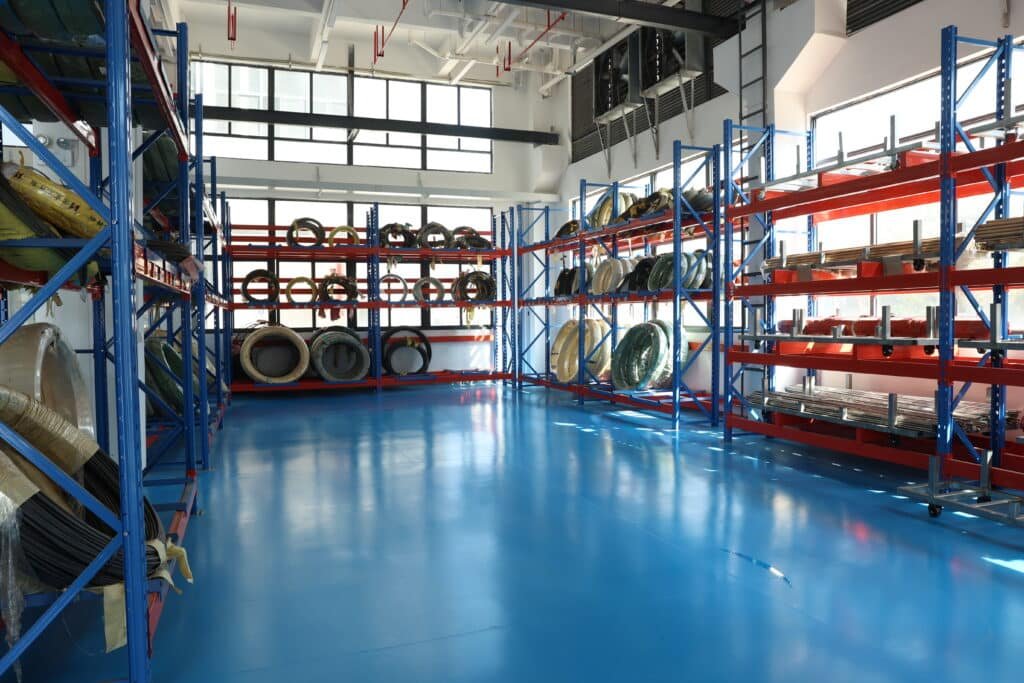
Material Options Comparison
| Material | Strength | Corrosion Resistance | Cost | Typical Applications |
|---|---|---|---|---|
| Carbon Steel | High | Low (requires coating) | Low | General assembly, interior |
| Alloy Steel | Very High | Low (requires coating) | Moderate | Structural, high-stress |
| Stainless 304 | Moderate | Excellent | Moderate-High | Visible trim, corrosion-prone areas |
| Stainless 316 | Moderate | Superior | High | Marine, severe environments |
| Stainless 410 | High | Good | Moderate | Structural with corrosion exposure |
Coating Selection Guide
| Coating Type | Corrosion Protection | Cost | Typical Applications |
|---|---|---|---|
| Zinc Plating | 240-480 hours salt spray | Low | Interior, mild environments |
| Zinc-Flake (Geomet) | 720-1000 hours salt spray | Moderate-High | Underbody, chassis, exterior |
| Black Oxide | Mild (aesthetic) | Low | Interior, aesthetic applications |
| Phosphate | Mild (with oil) | Low | Lubricity, paint adhesion |
| Zinc-Nickel | 500-720 hours salt spray | Moderate | Enhanced underbody protection |
Inspection Methods for Automotive Screws
Dimensional Verification
Thread Measurement: Optical comparators and thread gauges verify pitch, diameter, and profile. Head Dimensions: Digital measurement ensures bearing surface, height, and drive depth specifications. Length Verification: Precision measurement to ±0.1mm tolerances.
Performance Testing by Type
| Test Type | Purpose | Typical Values |
|---|---|---|
| Tensile Strength | Body strength verification | Grade 4.8: 400 MPa min, Grade 8.8: 800 MPa min |
| Proof Load | Thread/head strength | 80% of tensile strength |
| Hardness Testing | Material verification | HV or HRC per grade specification |
| Torque Testing | Installation/stripping torque | Application-specific, substrate-dependent |
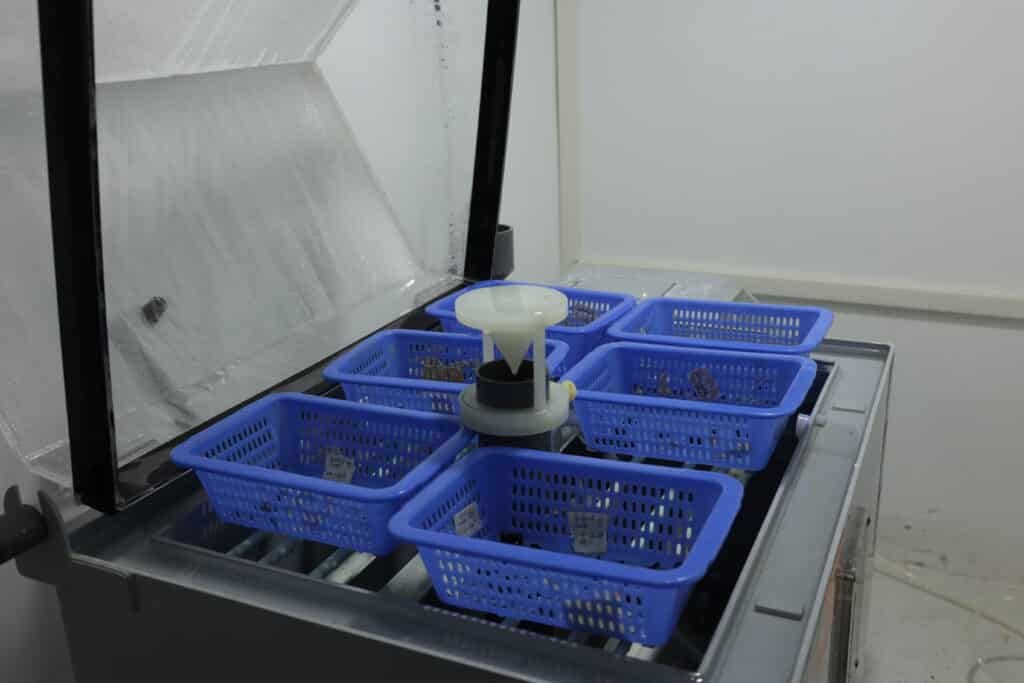
| Salt Spray | Corrosion resistance | 240-1000 hours depending on coating |
Material and Coating Analysis
Chemical Composition: Optical emission spectrometry (OES) verifies material grade. Coating Thickness: X-ray fluorescence (XRF) measures plating thickness (typically 5-15μm). Adhesion Testing: Validates coating bonding to substrate.
Statistical Process Control
Real-time SPC monitoring tracks dimensions, identifies variations, supports Cpk studies (>1.33 for automotive), and provides PPAP documentation.
Frequently Asked Questions
How do I select the correct automotive screw type?
Selection depends on multiple factors: substrate material (metal, plastic, composite), material thickness and strength, access and clearance constraints, torque and strength requirements, environmental exposure (corrosion, temperature), assembly method (manual, automated), and appearance requirements. Start by identifying substrate and application type, then select appropriate thread design (machine or self-tapping), head style for access and appearance, drive type for torque and assembly, and material/coating for environment. Our engineering team can recommend optimal screw types based on your specific requirements.
What’s the difference between Type B and Type F sheet metal screws?
Type B screws are thread-cutting with sharp cutting edges that remove material to form threads, ideal for harder metals and materials requiring clean precise threads. Type F screws are thread-forming with lobed cross-section that displaces material without cutting, creating stronger threads through cold forming, better for ductile materials like aluminum and mild steel. Type F generally provides superior vibration resistance and pull-out strength in appropriate materials.
When should I use Torx instead of Phillips drive screws?
Choose Torx when applications require high installation torque without cam-out risk, automated assembly requiring consistent performance, reduced driver bit wear in production, minimal damage to component surfaces, or modern vehicle assembly standards. Phillips remains acceptable for low-torque applications, aftermarket service accessibility, manual assembly, and existing tooling compatibility. Modern automotive manufacturing increasingly standardizes on Torx for superior performance.
Do you meet IATF 16949 requirements across all screw types?
Yes, Keyfix maintains IATF 16949 certification covering all automotive screw types we manufacture. Our quality system ensures consistent process controls regardless of screw type, complete material and process traceability, dimensional and performance testing per specifications, PPAP documentation capability for all product lines, and compliance with customer-specific requirements. We apply the same rigorous quality standards whether producing simple pan head screws or complex specialty fasteners.
Can you provide custom screw types not listed here?
Absolutely. Beyond standard types, we manufacture custom designs including proprietary thread forms, unique head geometries, integrated features (washers, seals), special materials and coatings, security drives, and application-specific solutions. Provide your requirements including drawings, application details, material specifications, and quantity needs. Our engineering team will develop optimal custom screw designs with prototyping, testing validation, and production support.
What documentation do you provide for different screw types?
For all automotive screw types, we provide comprehensive documentation including dimensional inspection reports with measured values, material certifications and composition analysis, mechanical property test results (tensile, hardness), coating thickness and adhesion test data, salt spray and corrosion test results, process flow diagrams and control plans, and PPAP documentation packages. Documentation varies by customer requirements but follows IATF 16949 standards ensuring complete traceability and compliance.
Keyfix: Your Trusted China Automotive Screws Factory for All Types
IATF 16949 Certified Manufacturer Since 2005
Established in 2005, Keyfix specializes in manufacturing comprehensive ranges of automotive screws for global OEMs, Tier 1 suppliers, and aftermarket companies. Our China factory produces machine screws, self-tapping screws, specialty fasteners, and custom designs with advanced equipment, comprehensive quality systems, IATF 16949 certification ensuring consistent quality across all screw types, and engineering support for type selection and custom development.
Start Your Automotive Screws Project Today
Whether requiring standard automotive screw types, specialty fasteners, or custom designs, Keyfix delivers the quality and expertise your applications demand. Contact us with your requirements for screw type recommendations, material and coating selection, and comprehensive quotations with technical support.
Contact Keyfix today—your trusted IATF 16949 certified China automotive screws manufacturer for all types and applications.