


Introduction: The Critical Role of Fender Fastening Systems
Automotive fender screw fasteners serve as essential structural and aesthetic connectors securing front and rear fender panels to vehicle chassis frameworks—applications demanding corrosion resistance against road salt exposure, vibration dampening preventing rattles, and precise dimensional control ensuring consistent panel gaps. Market analysis indicates that body panel fastening systems represent 18-22% of total vehicle fastener content by unit count, with each passenger vehicle utilizing 45-75 specialized fender attachment points[^1]. The automotive body fastener segment reached $4.2 billion globally in 2023, growing 6.8% annually as manufacturers pursue improved assembly efficiency, enhanced corrosion protection, and weight optimization supporting fuel economy targets.
[^1]: Automotive Body Assembly Technology Report 2023: https://www.wardsauto.com/
KeyFixPro, established in 2000 as a precision fastener manufacturer, specializes in automotive body panel fastening solutions serving global OEMs and tier suppliers across 20+ countries. Our IATF 16949:2016 certified operations integrate cold heading (98% material efficiency), progressive stamping (50-300 ton capacity), thread-forming technology, and comprehensive surface treatment capabilities (zinc-nickel, DACROMET, e-coating) producing automotive fender screw fasteners meeting stringent OEM specifications for dimensional accuracy (±0.005mm tolerances), corrosion resistance (720+ hour salt spray), and assembly performance (consistent installation torque).
This technical analysis examines fender fastener design principles, material selection criteria, coating technologies, installation methodologies, and quality validation frameworks essential for automotive engineers and procurement specialists specifying body panel attachment systems in contemporary vehicle development programs.
Fender Fastener Design Architecture and Functionality
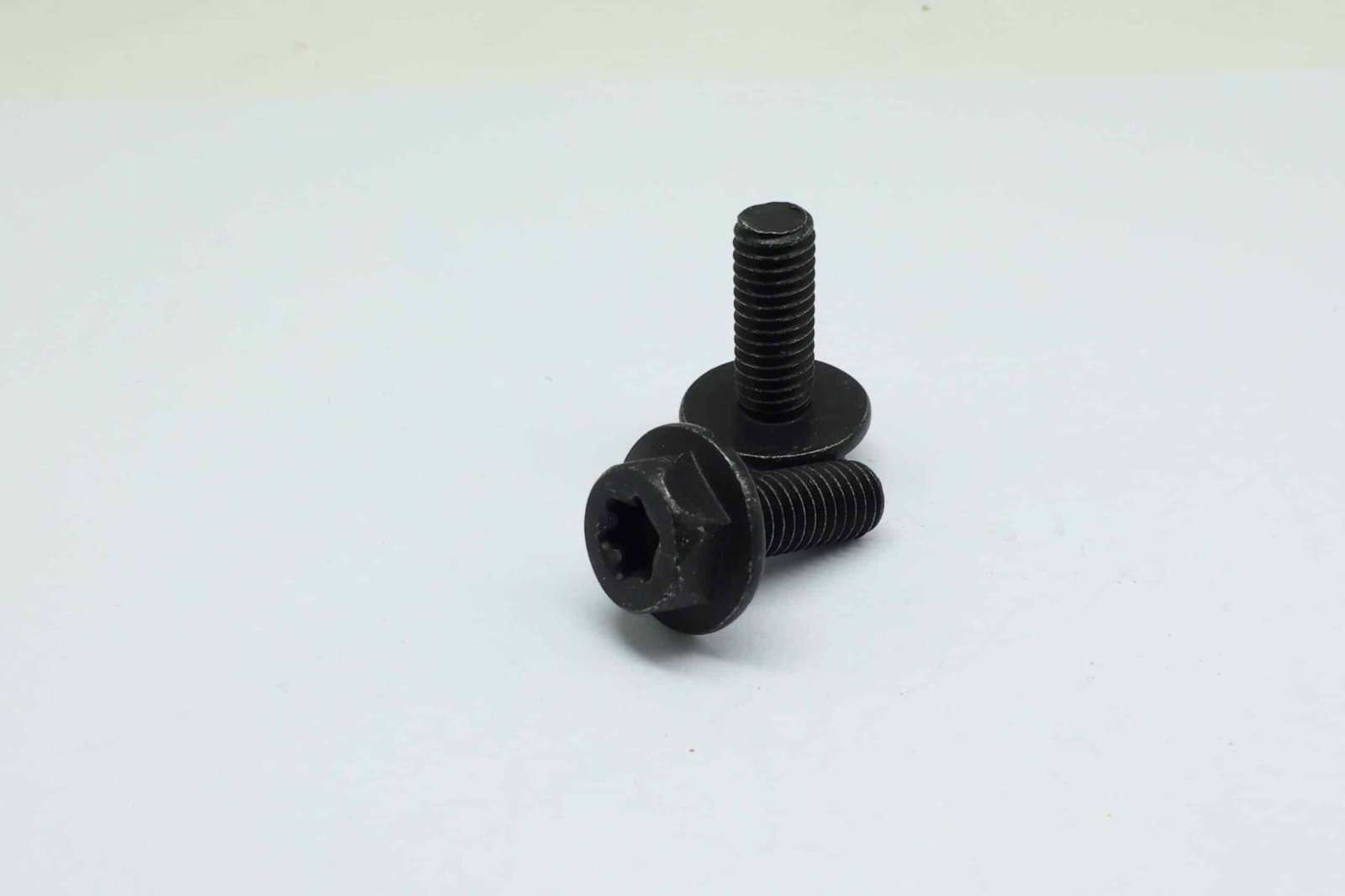
Automotive fender screw fasteners incorporate specialized features optimizing assembly efficiency, structural performance, and long-term durability—understanding these design elements enables appropriate specification for diverse vehicle platforms and manufacturing processes.
Fender Fastener Design Feature Matrix
| Design Feature | Functional Purpose | Engineering Benefits | Typical Applications |
|---|---|---|---|
| Self-Tapping Thread | Creates mating threads during installation | Eliminates pre-tapping operations, reduces assembly time | Steel frame attachment, reinforcement brackets |
| Thread-Forming Point | Displaces material in plastic bosses | Higher pullout strength versus cutting threads | Plastic fender liner mounting, inner wheelhouse |
| Reduced Shank Section | Minimizes stress concentration | Improved fatigue resistance, accommodates panel thickness variation | High-vibration areas, door-fender interface |
| Captive Washer Design | Integral sealing and load distribution | Prevents fastener loss, eliminates separate washer handling | Exterior visible locations, weather sealing |
| Hex Washer Head | Combined driving surface and bearing area | Single-operation installation, anti-rotation during tightening | General body panel attachment, inner structure |
| SEMS Assembly | Pre-assembled screw-washer combination | Automated assembly compatibility, consistent sealing | High-volume production, robotic installation |
| Serrated Underhead | Prevents loosening through micro-locking | Enhanced vibration resistance, anti-rotation | Suspension attachment points, engine compartment |
| Corrosion Barrier Coating | Zinc-nickel, DACROMET, e-coat protection | Extended service life, paint compatibility | Underbody exposure, coastal environments |
Self-Tapping Thread Technology dominates automotive fender fastening applications—Type F (machine screw thread with sharp point) cuts threads in sheet metal attachment points (0.8-2.5mm thickness typical), Type 23 (tapping screw thread with blunt point) suits thicker steel brackets and reinforcements (2.5-5.0mm), Type BF (blunt point thread-forming) creates threads in plastic fender liner bosses without material removal generating contamination. KeyFixPro produces self-tapping automotive fender screw fasteners through precision cold-heading forming head geometry, thread rolling creating work-hardened thread profiles with superior strength, point grinding establishing precise entry geometry (30-45° included angle optimized for material), and heat treatment when alloy steel substrate requires enhanced hardness (typically HRC 38-45 for reliable tapping performance).
SEMS (Pre-ASSEMbled) Fastener Construction integrates screw and washer as permanent assembly—captive washer provides sealing function (EPDM rubber gasket preventing water intrusion), load distribution (larger bearing area versus screw head alone reducing panel dimpling), and assembly efficiency (single-component handling in automated installation). KeyFixPro manufactures SEMS assemblies through specialized processes: screw production via cold-heading or machining, washer stamping from spring steel or stainless sheet, assembly operation permanently capturing washer on screw shank (swaged groove, thread interference, or mechanical crimp), and functional testing validating washer retention under installation torque and service vibration.
Reduced Shank Engineering addresses fatigue-critical attachment locations—constant-diameter shank creates stress concentration at head-to-shank transition experiencing fatigue crack initiation under cyclic loading (door opening/closing vibration, suspension impact transmitted through fender structure). Reduced shank design incorporates smaller diameter unthreaded section between head and thread engagement zone, distributing stress more uniformly and extending fatigue life 40-60% per finite element analysis studies. KeyFixPro applies reduced shank geometry to automotive fender screw fasteners at door hinge attachment points, front fender-to-chassis mounting positions, and locations experiencing high-frequency vibration from powertrain or road surface inputs.
Material Selection and Substrate Compatibility
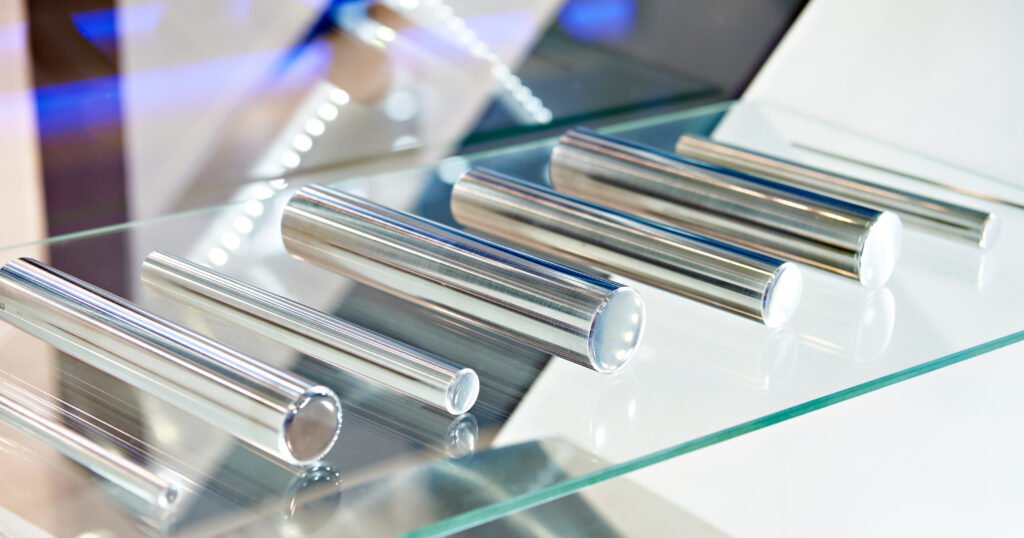
Material specification for automotive fender screw fasteners balances mechanical strength requirements, corrosion protection needs, weight considerations, and economic constraints—automotive body applications present moderate strength demands but severe environmental exposure.
Material Selection Decision Framework
| Base Material | Strength Characteristics | Corrosion Resistance | Weight | Cost Factor | Recommended Applications |
|---|---|---|---|---|---|
| Carbon Steel 1018 | 60-80 ksi tensile, good formability | Requires protective coating | Baseline (100%) | 1.0× | Interior protected areas with coating |
| Carbon Steel 1035 | 85-105 ksi, heat-treatable to 120 ksi | Requires protective coating | Baseline (100%) | 1.2× | Structural attachment, moderate stress |
| Stainless 410 | 110-150 ksi heat-treated, magnetic | Good inherent resistance | +8% versus carbon steel | 2.8× | Exterior visible, moderate corrosion |
| Stainless 304 | 75-90 ksi, non-magnetic austenitic | Excellent corrosion immunity | +1% versus carbon steel | 3.5× | Severe corrosion exposure, coastal vehicles |
| Stainless 316 | 75-95 ksi, molybdenum enhanced | Superior chloride resistance | +1% versus carbon steel | 4.2× | Marine environments, extreme salt exposure |
| Aluminum 7075-T6 | 70-80 ksi, aerospace grade | Excellent with anodizing | -65% versus carbon steel | 2.5× | Weight-critical EV applications, racing |
| Zinc Alloy (Zamak) | 40-48 ksi, die-cast capability | Moderate, requires coating | +5% versus carbon steel | 1.8× | Complex decorative components, trim integration |
Carbon Steel Optimization dominates automotive fender fastener production—1018 low-carbon grade provides excellent cold-heading formability enabling complex head geometries and thread rolling operations, while 1035 medium-carbon specification offers enhanced strength through heat treatment (quench and temper developing 110-130 ksi tensile) when structural loading demands exceed annealed 1018 capability. KeyFixPro stocks both grades in wire form supporting cold-heading operations and bar stock for CNC-machined specialty fasteners, selecting material based on application analysis: 1018 for general fender liner attachment and non-structural trim mounting, 1035 for primary fender-to-chassis structural connections and high-stress door hinge locations.
Stainless Steel Applications address severe corrosion environments or aesthetic requirements—Type 410 martensitic stainless combines magnetic properties (compatible with automated handling equipment) with heat-treatable strength (110-150 ksi after quench and temper) and moderate corrosion resistance adequate for exterior body applications. Type 304 austenitic stainless provides superior corrosion immunity through passive chromium oxide film formation, non-magnetic characteristics (preventing compass interference), and bright metallic appearance when passivated per ASTM A967. KeyFixPro produces stainless automotive fender screw fasteners for coastal market vehicles (enhanced salt spray exposure), convertible models (increased weather exposure potential), and applications where visible fastener aesthetics matter (polished stainless matching chrome trim elements).
Aluminum Lightweight Integration supports electric vehicle range optimization—every 10 kg mass reduction yields approximately 1-1.5 km extended range per charge in battery electric vehicles. Aluminum fender fasteners contribute 0.3-0.6 kg weight savings per vehicle when strategically replacing steel equivalents in non-structural locations. KeyFixPro manufactures aluminum automotive fasteners from 7075-T6 (highest strength aluminum alloy, 70-80 ksi tensile) through CNC machining maintaining ±0.008mm tolerances despite material’s thermal expansion challenges, with Type III hard-coat anodizing (50-100μm thickness) providing corrosion protection and 400-500 HV surface hardness preventing thread galling during installation and service.
Corrosion Protection Systems for Underbody Exposure
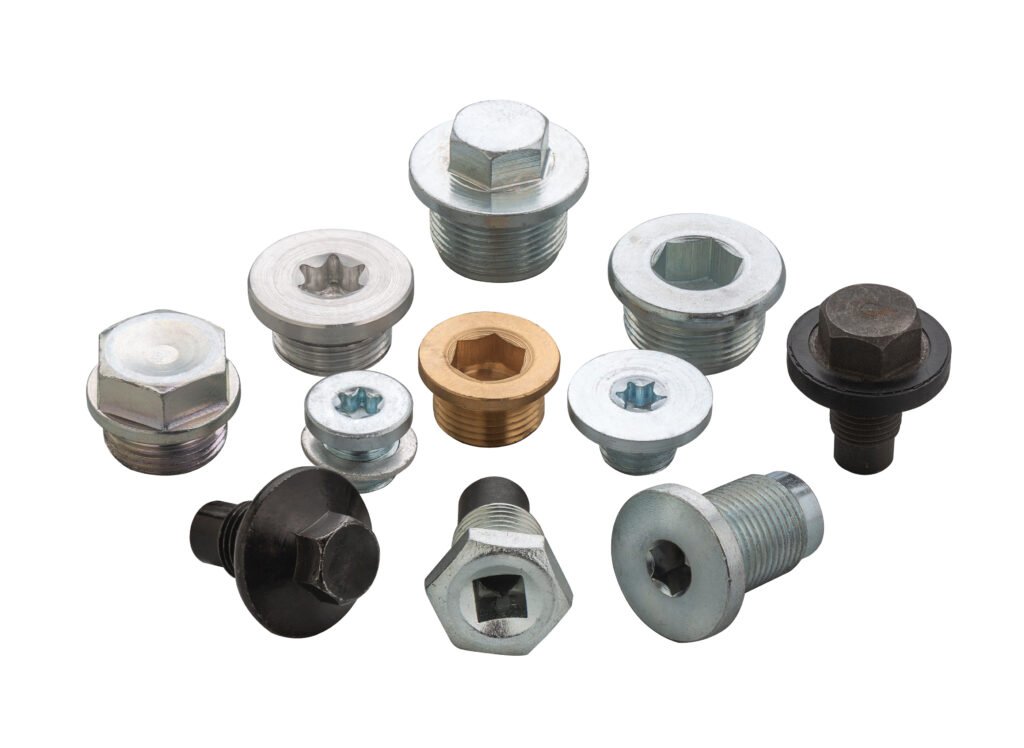
Automotive fender screw fasteners experience severe corrosive environments—road salt spray, temperature cycling, stone impact, and extended moisture exposure necessitate engineered coating systems balancing protection duration against economic constraints.
Corrosion Protection Technology Comparison
| Coating System | Layer Architecture | Salt Spray Performance | Paint Compatibility | Cost Multiplier | Service Life |
|---|---|---|---|---|---|
| Electrogalvanize (Zinc) | 5-12μm zinc electroplate | 96-240 hours NSS | Good with proper prep | 1.0× (baseline) | 3-5 years moderate climate |
| Zinc-Nickel Electroplate | 8-12μm Zn-Ni alloy (12-15% Ni) | 720-1,000 hours NSS | Excellent e-coat adhesion | 2.5× | 8-12 years automotive warranty |
| Zinc-Flake (GEOMET) | 8-15μm inorganic Zn-Al flake | 1,000-1,500 hours NSS | Excellent, no hydrogen embrittlement | 3.0× | 10-15 years severe environment |
| DACROMET System | 8-12μm Zn-Al flake + topcoat | 1,000-1,500 hours NSS | Excellent paint bake stability | 3.2× | 10-15 years underbody application |
| E-Coating (Cathodic) | 15-35μm electrodeposition | 400-600 hours NSS | Excellent (primer function) | 2.2× | 8-10 years with topcoat paint |
| Mechanical Zinc (Sherardizing) | 20-40μm diffusion coating | 500-800 hours NSS | Good, requires surface prep | 2.8× | 8-10 years threaded components |
| Geomet + Topcoat | Base coat + organic seal | 1,500-2,000 hours NSS | Excellent, color options | 3.8× | 12-15 years premium protection |
Zinc-Nickel Electroplating represents optimal protection-to-cost balance for automotive fender screw fasteners—12-15% nickel content in zinc matrix elevates corrosion resistance 4-6× versus pure zinc plating, achieving 720-1,000 hour neutral salt spray endurance per ASTM B117 testing[^2]. Post-plate trivalent chromate conversion (REACH-compliant, hexavalent chromium-free) provides additional barrier protection plus characteristic silver or black appearance. KeyFixPro operates automated zinc-nickel barrel and rack plating lines with real-time thickness monitoring maintaining 8-12μm uniform coverage, particular attention to thread flanks and underhead radii where coating thickness variations potentially affect installation torque or corrosion protection.
[^2]: ASTM B117 Salt Spray Testing Standard: https://www.astm.org/b0117-19.html
Zinc-Flake Coating Technology addresses extreme underbody environments—GEOMET and DACROMET water-based systems containing zinc and aluminum flakes in inorganic binder achieve 1,000-1,500 hour salt spray resistance without hydrogen embrittlement concerns affecting high-strength fasteners. Application via dip-spin or spray methodology ensures complete coverage including blind holes, underhead recesses, and thread roots where conventional electroplating struggles. Curing at 300°C polymerizes binder forming ceramic-like matrix with exceptional chemical resistance to road deicing salts (calcium chloride, magnesium chloride), battery acid, and hydraulic fluids. KeyFixPro specifies zinc-flake coating for primary fender-to-chassis structural fasteners, wheel arch area attachments experiencing direct stone impact and salt spray, and underbody locations where 10-15 year corrosion protection justifies premium coating investment.
E-Coating (Electrocoat) Integration suits body-in-white assembly processes—cathodic electrodeposition applies 15-35μm organic coating through electrophoresis, with complete immersion ensuring uniform coverage on complex geometries. E-coat serves dual functions: corrosion protection (400-600 hour salt spray capability) and paint primer layer promoting topcoat adhesion. KeyFixPro produces e-coat compatible automotive fender screw fasteners through material selection (avoiding coating interference with thread function), dimensional compensation (accounting for coating thickness on critical fits), and post-cure thread functionality validation ensuring automated assembly tools engage properly despite coating presence.
Installation Engineering and Assembly Optimization
Automotive fender screw fasteners must accommodate high-speed automated assembly while ensuring reliable installation, consistent clamping force, and long-term retention—installation methodology profoundly influences assembly efficiency and product quality.

Installation Method Comparison Matrix
| Installation Technology | Methodology | Torque Control | Installation Speed | Equipment Investment | Quality Validation |
|---|---|---|---|---|---|
| Manual Power Tools | Operator-controlled electric/pneumatic | Limited (clutch or operator feel) | 3-8 fasteners/minute | Low ($200-2,000/tool) | Visual inspection, torque audit sampling |
| Robotic Automated | 6-axis robot with nutrunner | Precise (torque-angle monitoring) | 12-25 fasteners/minute | High ($150,000-300,000/cell) | 100% torque-angle data logging |
| Fixed Automation | Dedicated stations, indexing fixtures | Excellent (servo control) | 15-30 fasteners/minute | Very high ($200,000-500,000/line) | Real-time SPC, reject sorting |
| Impulse/Impact Tools | High-speed impact mechanism | Moderate (energy correlation) | 8-15 fasteners/minute | Moderate ($1,500-5,000/tool) | Periodic torque verification |
| Direct-Drive Electric | Brushless servo motors | Excellent (0.1 Nm resolution) | 10-20 fasteners/minute | Moderate-high ($3,000-12,000/tool) | Comprehensive data logging |
Torque-Angle Installation Strategy provides superior clamping force consistency—initial torque phase (typically 30-50% of target) draws components together removing gaps, angle control phase (typically 45-90° rotation) elongates fastener into elastic range producing precise preload independent of friction coefficient variations. KeyFixPro validates automotive fender screw fasteners for torque-angle assembly through characterization testing: installation into representative substrates (steel sheet metal, plastic bosses, aluminum panels) at varying torques, ultrasonic bolt load measurement validating actual clamping force versus installation parameters, and repeated installation-removal cycles (typically 5-10 cycles) confirming thread durability and consistent torque-angle behavior.
Thread-Locking Feature Performance prevents vibration-induced loosening without chemical thread-lockers—nylon insert pellets provide 30-50% prevailing torque through interference fit, thread deformation (oval or trilobular cross-sections) creates mechanical locking, micro-encapsulated adhesive activates during installation providing chemical bond. KeyFixPro produces thread-locked fender fasteners through specialized processes: nylon patch application via automated dispensing with UV cure verification, thread rolling with modified dies creating deformation patterns, or micro-encapsulation coating application followed by controlled drying. Vibration testing per DIN 65151 (Junker test) validates torque retention after 2,000+ oscillation cycles simulating vehicle service life vibration exposure.
Coating Friction Coefficient Management critically affects installation torque consistency—zinc-nickel plating typically exhibits 0.12-0.18 friction coefficient, zinc-flake coatings range 0.10-0.16, and e-coating shows 0.15-0.22 depending on cure conditions and topcoat presence. KeyFixPro characterizes coating friction through torque-tension testing: installing fasteners at controlled torques, measuring resulting clamp load via calibrated load cells or ultrasonic monitoring, calculating K-factor (torque coefficient) relating installation torque to preload, and establishing assembly specifications achieving target 65-75% of fastener proof load for structural fender attachments, 40-55% for non-structural trim applications.
Quality Validation and Automotive Compliance
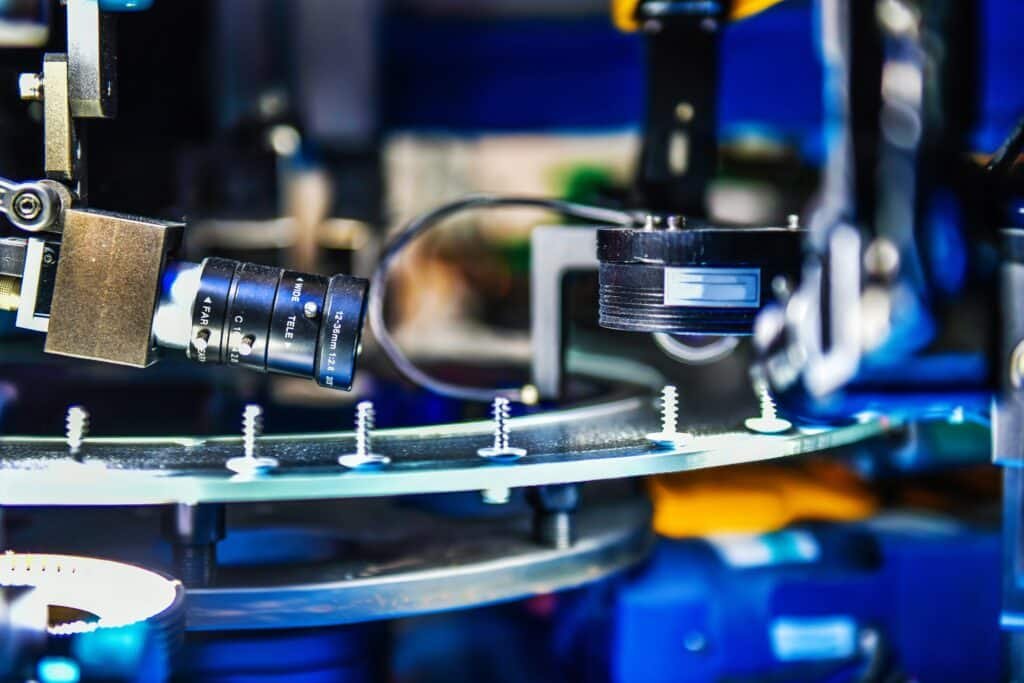
Automotive fender screw fasteners applications demand comprehensive quality validation—component failures create warranty costs, assembly line disruptions, and potential safety concerns justifying rigorous testing protocols.
Automotive Quality Validation Framework
| Test Category | Validation Method | Acceptance Criteria | Testing Frequency |
|---|---|---|---|
| Dimensional Conformance | CMM inspection, optical measurement | ±0.05mm general, ±0.02mm critical features | First article + 3% statistical sampling |
| Thread Functionality | GO/NO-GO plug gauges, optical comparator | Class 2A tolerance (ASME B1.1) | Setup + hourly verification |
| Coating Thickness | X-ray fluorescence, magnetic induction | 8-12μm zinc-nickel specification | 5% batch sampling |
| Salt Spray Corrosion | ASTM B117 neutral fog | 720+ hours to red rust (zinc-nickel) | New coating processes + quarterly |
| Installation Torque | Calibrated torque-angle equipment | Customer specification ±15% | First article + shift validation |
| Pullout/Stripping | Universal tensile tester | Minimum proof load per grade | Sample testing per production lot |
| Vibration Resistance | DIN 65151 Junker test | >70% torque retention after 2000 cycles | Thread-locked variants, periodic |
| Hydrogen Embrittlement | ASTM F1940 sustained load | No failure after 200 hours @ 75% UTS | High-strength (≥Grade 10.9) annually |
IATF 16949:2016 Compliance demonstrates KeyFixPro’s organizational capability meeting automotive quality requirements—advanced product quality planning (APQP) structures automotive fender screw fasteners development from concept through production launch, production part approval process (PPAP) provides comprehensive validation documentation before volume production authorization, failure mode and effects analysis (FMEA) systematically identifies potential defect mechanisms implementing preventive controls, and measurement system analysis (MSA) ensures inspection equipment contributes <10% of total measurement variation. TÜV Rheinland conducts annual surveillance audits validating sustained compliance supporting long-term automotive supply agreements.
Production Part Approval Process (PPAP) Documentation for automotive OEM customers encompasses: dimensional inspection reports with actual measurements versus drawing specifications documented via CMM data, material certifications from steel mills including chemistry and mechanical properties per EN 10204 3.1 standards, coating performance validation through salt spray exposure and thickness verification with metallographic cross-sections, installation performance characterization establishing torque-angle curves and clamp load relationships, process flow diagrams identifying all manufacturing operations with control plans specifying reaction strategies, and process capability studies demonstrating Cpk ≥1.67 on critical characteristics confirming stable processes.
Coating Performance Accelerated Testing validates long-term durability predictions—extended neutral salt spray per ASTM B117 (720-1,500 hours depending on coating system), cyclic corrosion testing per SAE J2334 or GMW 14872 alternating salt spray/humidity/ambient conditions more accurately simulating real-world exposure versus continuous salt fog, humidity chamber exposure per ASTM D2247 (240 hours at 100% RH, 40°C) detecting coating adhesion weaknesses, and thermal cycling (-40°C to +85°C, 10 cycles daily for 30 days) confirming coating flexibility accommodating substrate expansion without cracking. KeyFixPro maintains environmental test chambers conducting these protocols on production samples, with quarterly testing validating coating process stability and annual validation supporting warranty extension programs.
Supplier Partnership: KeyFixPro Competitive Positioning
Selecting an automotive fender screw fasteners manufacturer requires systematic evaluation across technical capabilities, automotive industry experience, coating expertise, and supply chain reliability—commodity purchasing approaches risk quality issues and delivery failures.
Supplier Capability Assessment Framework
| Evaluation Factor | Standard Industry Practice | KeyFixPro Demonstrated Capability | Customer Strategic Advantage |
|---|---|---|---|
| Automotive Certification | ISO 9001 general quality | IATF 16949:2016 + ISO 14001:2015 | OEM-qualified supplier, comprehensive PPAP capability |
| Coating Technology Range | 1-2 coating methods | 6 distinct systems: zinc, zinc-nickel, zinc-flake, DACROMET, e-coat, mechanical | Optimal protection for each application environment |
| Precision Manufacturing | ±0.10mm typical | ±0.005mm CNC, ±0.02mm cold-heading | Automated assembly compatibility, minimal rework |
| Material Versatility | Carbon steel only | Carbon, alloy, stainless variants, aluminum, zinc alloy | Complete material solution source |
| Production Flexibility | High-volume only, 25,000+ MOQ | 1,000-5,000 MOQ custom development | Prototype-to-production without supplier changes |
| Engineering Support | Order fulfillment focus | DFM analysis, coating selection, installation optimization | Value engineering partnership, cost reduction |
| Lead Time Performance | 8-12 weeks production | 4-6 weeks production, 7-10 days samples | Compressed development schedules |
| Global Automotive Experience | Regional suppliers | 100+ projects, 20+ countries, OEM references | International standards, export compliance |
Integrated Coating Capabilities differentiate KeyFixPro from fastener manufacturers outsourcing surface treatment—in-house zinc-nickel electroplating, partnerships with certified zinc-flake applicators, and e-coating coordination enable coating selection optimization for each fender attachment location. Primary structural connections specify zinc-flake (1,000-1,500 hour salt spray, premium protection justifying cost), general body attachments utilize zinc-nickel (720-1,000 hour performance, cost-effective balance), interior protected areas employ conventional zinc (240-480 hours, economical solution). This coating portfolio flexibility versus single-process suppliers enables application-optimized specifications reducing total program cost 12-18% while maintaining appropriate protection levels.
50+ Fastener Engineering Patents demonstrate innovation culture—intellectual property portfolio includes self-tapping thread profile optimizations (reduced installation torque, enhanced pullout strength), SEMS assembly retention mechanisms (improved washer security, automated assembly compatibility), coating adhesion enhancements (surface preparation innovations, post-plate treatments), and installation performance improvements (thread-locking designs, torque-angle optimization). Patent-protected solutions provide customers competitive advantages through proprietary automotive fender screw fasteners technologies unavailable from commodity suppliers, supporting brand differentiation and premium vehicle positioning.
Conclusion: Precision Fender Fastening for Automotive Excellence
Automotive fender screw fasteners represent critical components ensuring structural integrity, aesthetic panel alignment, corrosion protection, and assembly efficiency across vehicle body systems—yet procurement decisions frequently emphasize commodity pricing over strategic supplier capabilities. Contemporary vehicle development demands manufacturing partners combining precision engineering, comprehensive coating expertise, automotive quality systems, and collaborative technical support throughout multi-year production lifecycles.
KeyFixPro’s 24-year specialization in automotive fastener manufacturing integrates cold heading and stamping production technologies, six distinct corrosion protection systems (zinc through zinc-flake), IATF 16949:2016 certified quality management, comprehensive material capabilities (carbon steel through aluminum alloys), and proven capability across 100+ international automotive projects. Our ±0.005mm manufacturing precision, 720-1,500 hour coating durability, complete PPAP documentation capability, and 50+ engineering patents provide foundation for successful partnerships addressing evolving automotive body assembly requirements.
Engage KeyFixPro’s automotive engineering team to evaluate fender fastener requirements—we provide complimentary application analysis identifying optimal fastener types and coating systems for each attachment location, design for manufacturability consultation optimizing specifications for cost-effective production, rapid prototype development delivering functional samples within 7-10 days, comprehensive testing services validating installation performance and corrosion resistance, and complete PPAP documentation supporting OEM qualification processes.
Request technical consultation discussing automotive fender screw fasteners for your vehicle platform—access our coating selection decision matrices comparing protection-to-cost ratios, review salt spray testing data documenting long-term durability, examine installation characterization reports establishing torque-angle specifications, or schedule facility tours (virtual or on-site) demonstrating cold-heading operations, coating application systems, quality laboratories with CMM and environmental test chambers, and IATF 16949 certified quality management infrastructure.