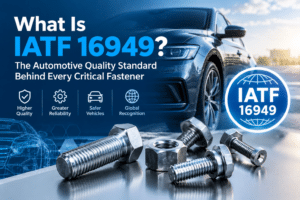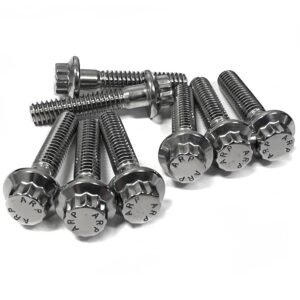
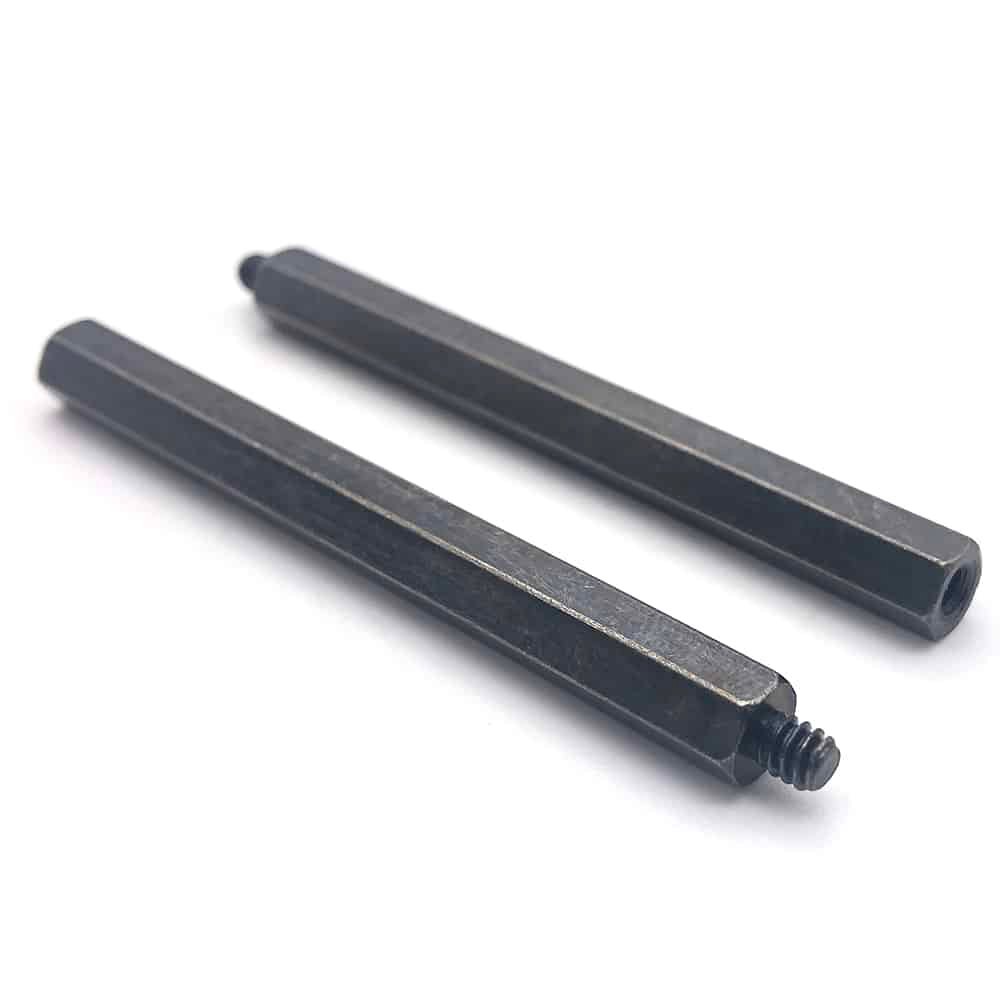
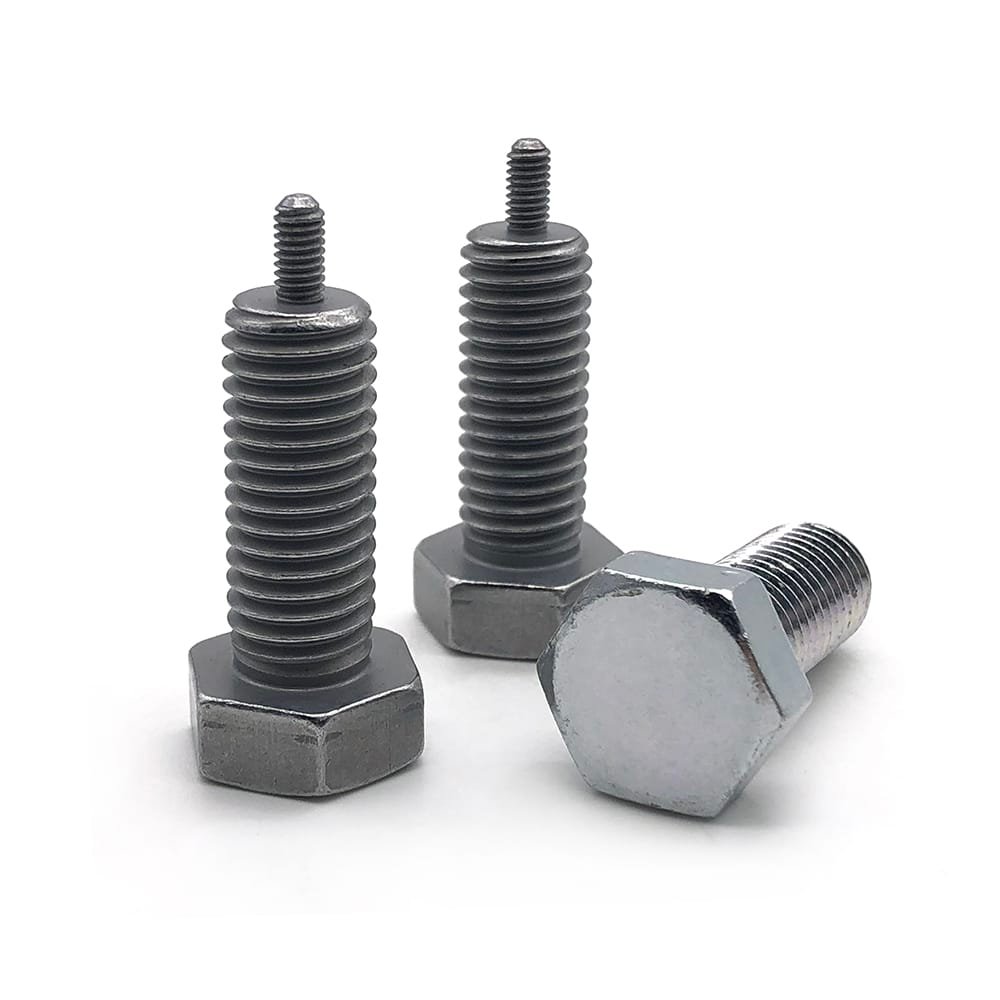
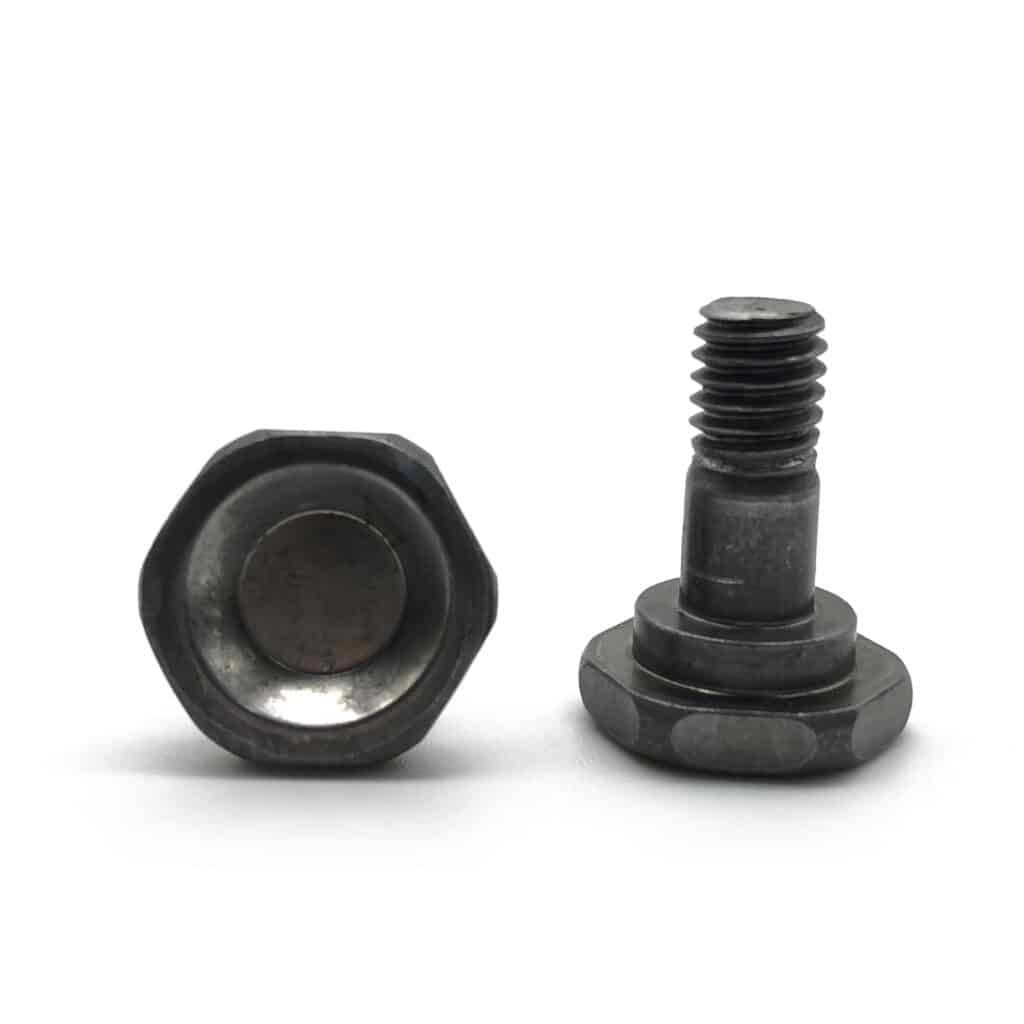
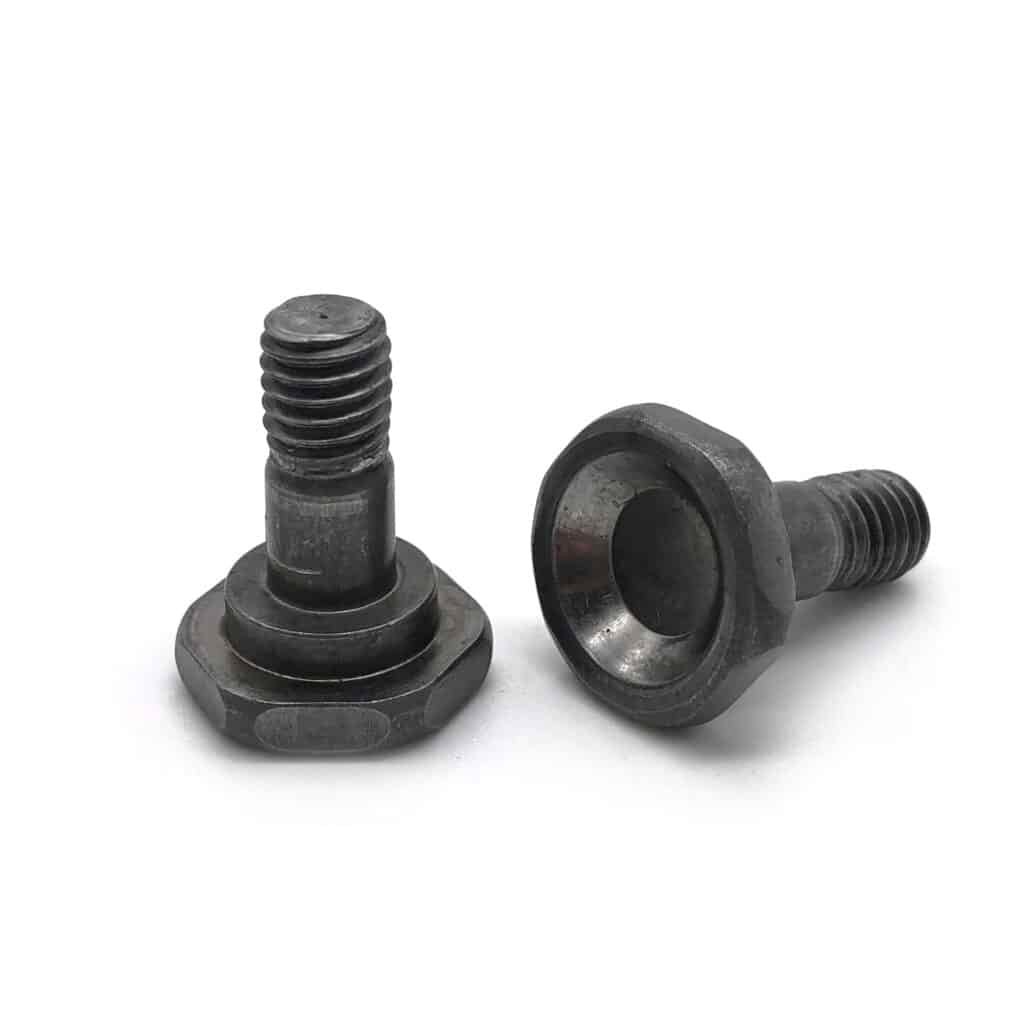
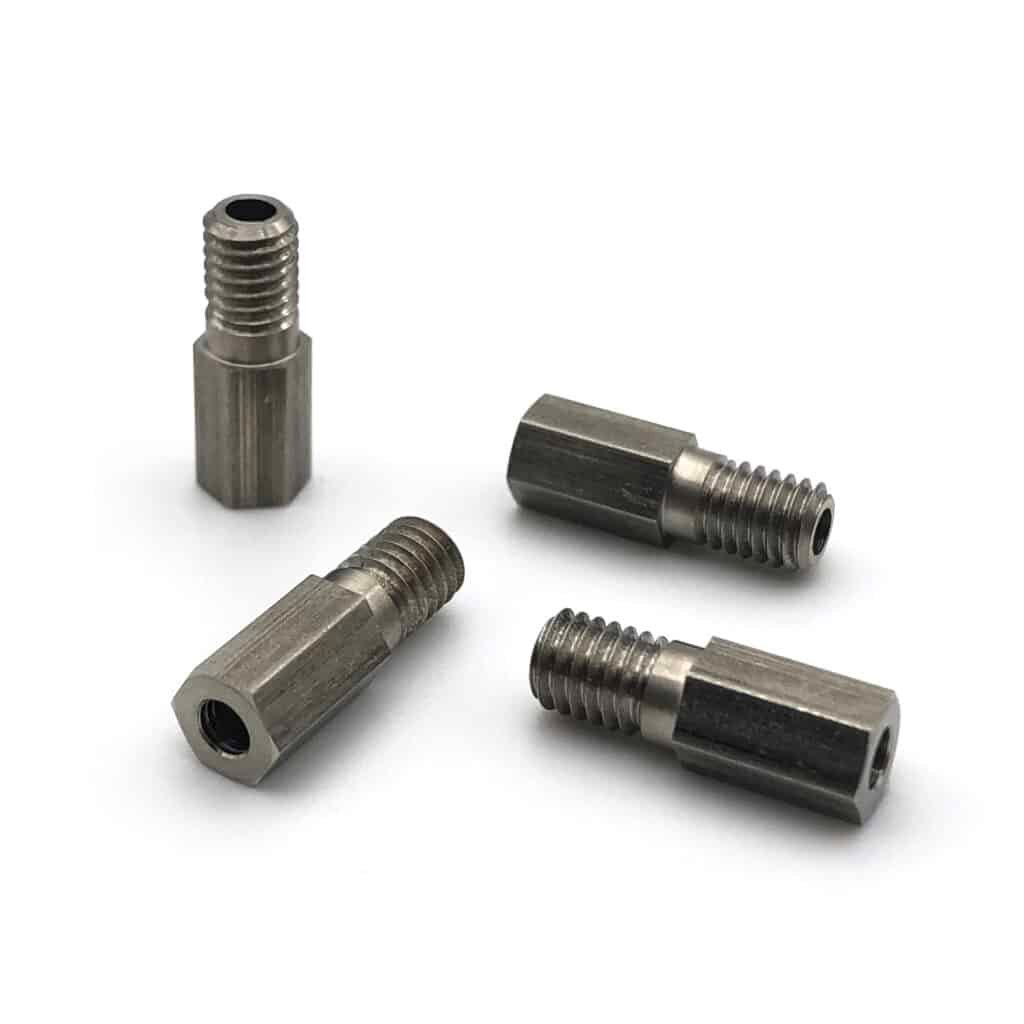
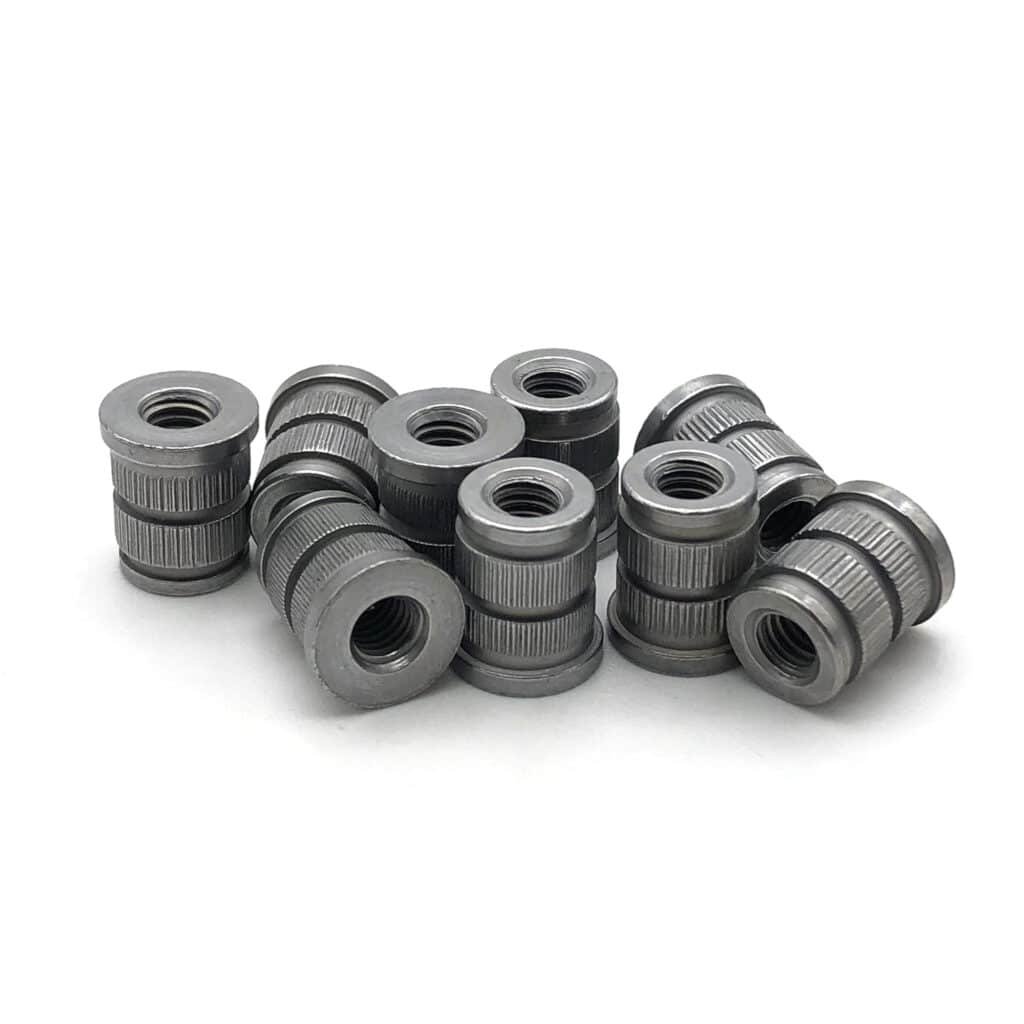
Automotive precision screw machined parts are high-accuracy turned components manufactured on CNC and Swiss-type screw machines to exacting tolerances for critical vehicle applications. These precision parts include shafts, pins, bushings, spacers, connectors, and complex turned components serving powertrain, fuel systems, braking, and chassis assemblies. As an IATF 16949 certified China manufacturer, Keyfix delivers precision screw machined parts engineered for demanding automotive performance, reliability, and quality standards worldwide.
Product Introduction: Automotive Precision Screw Machined Parts Explained
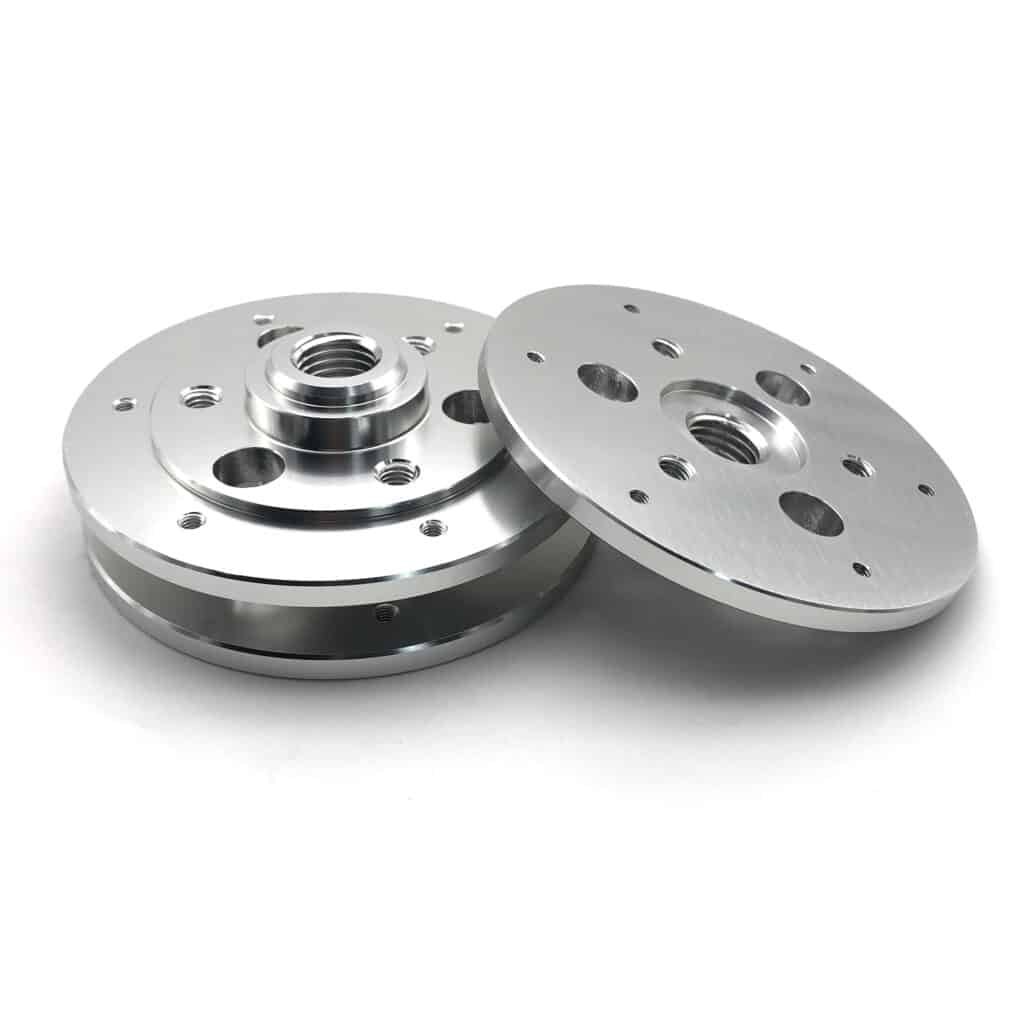
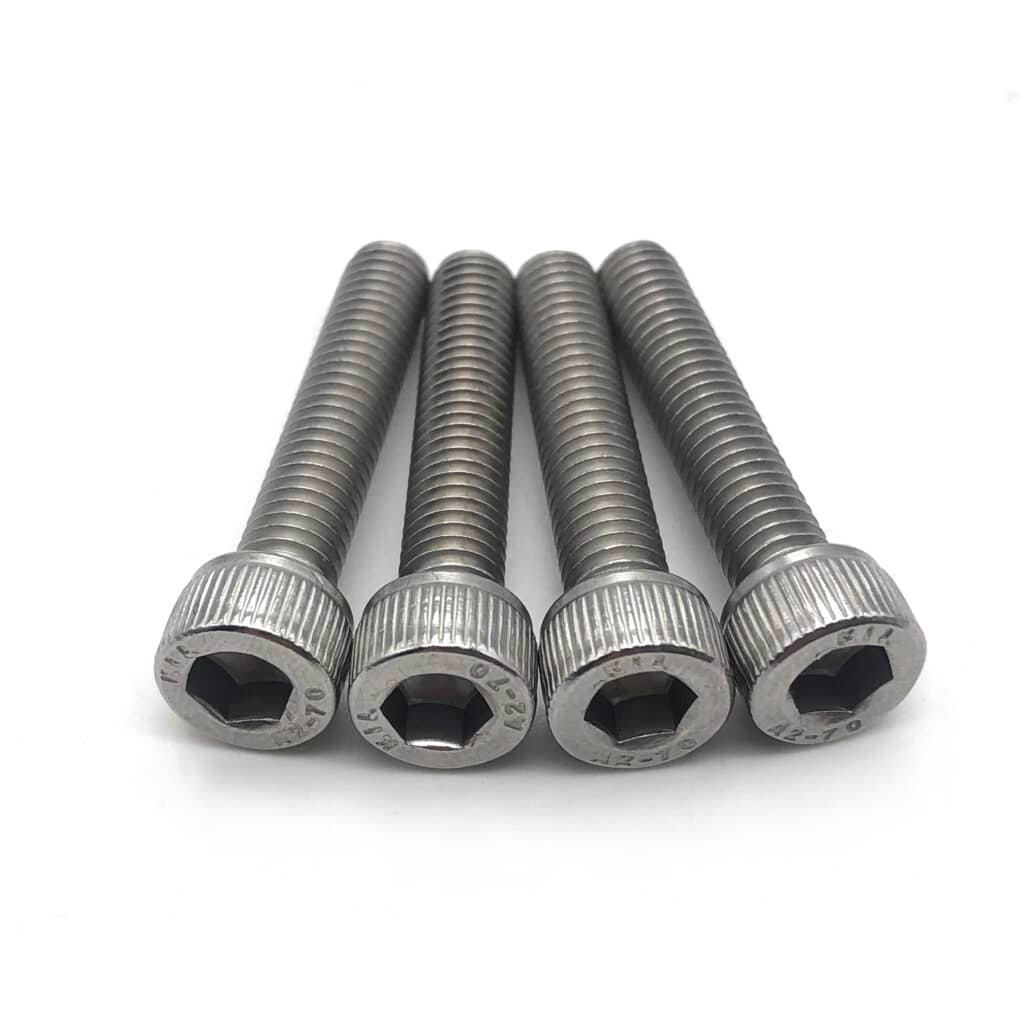
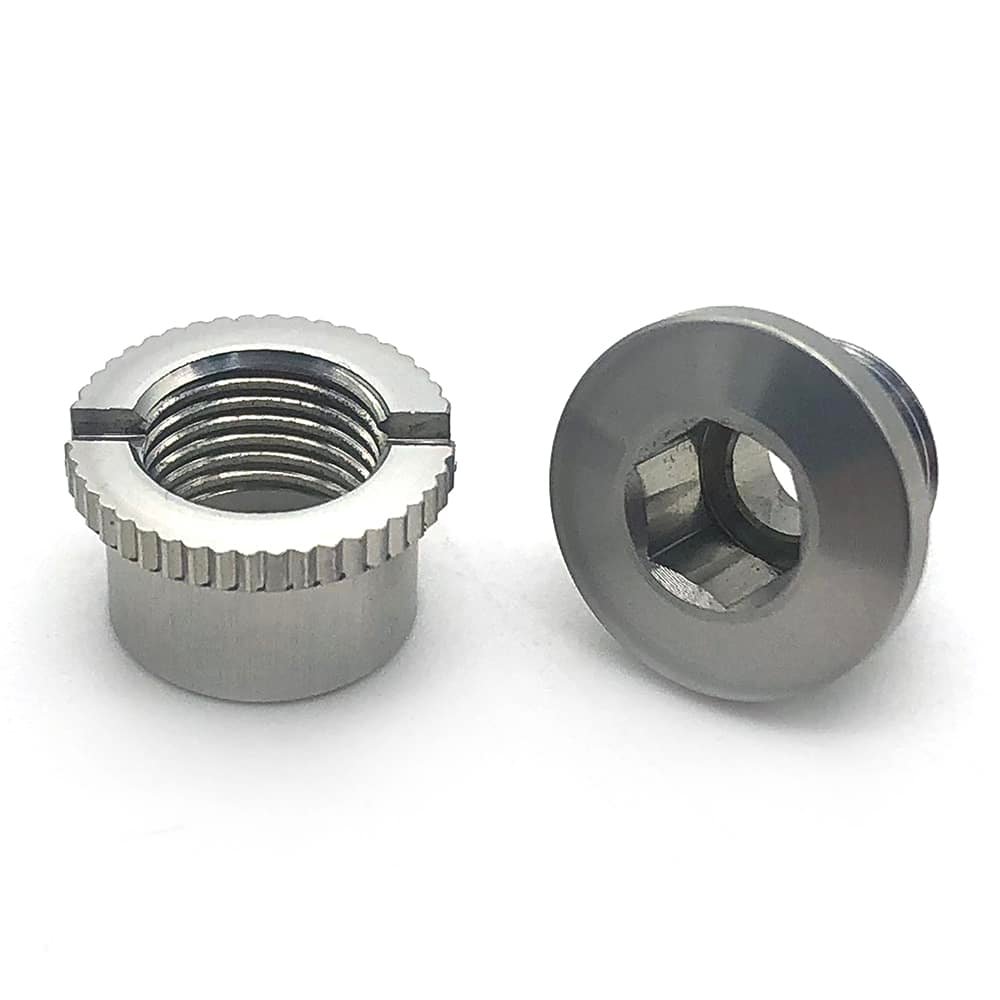
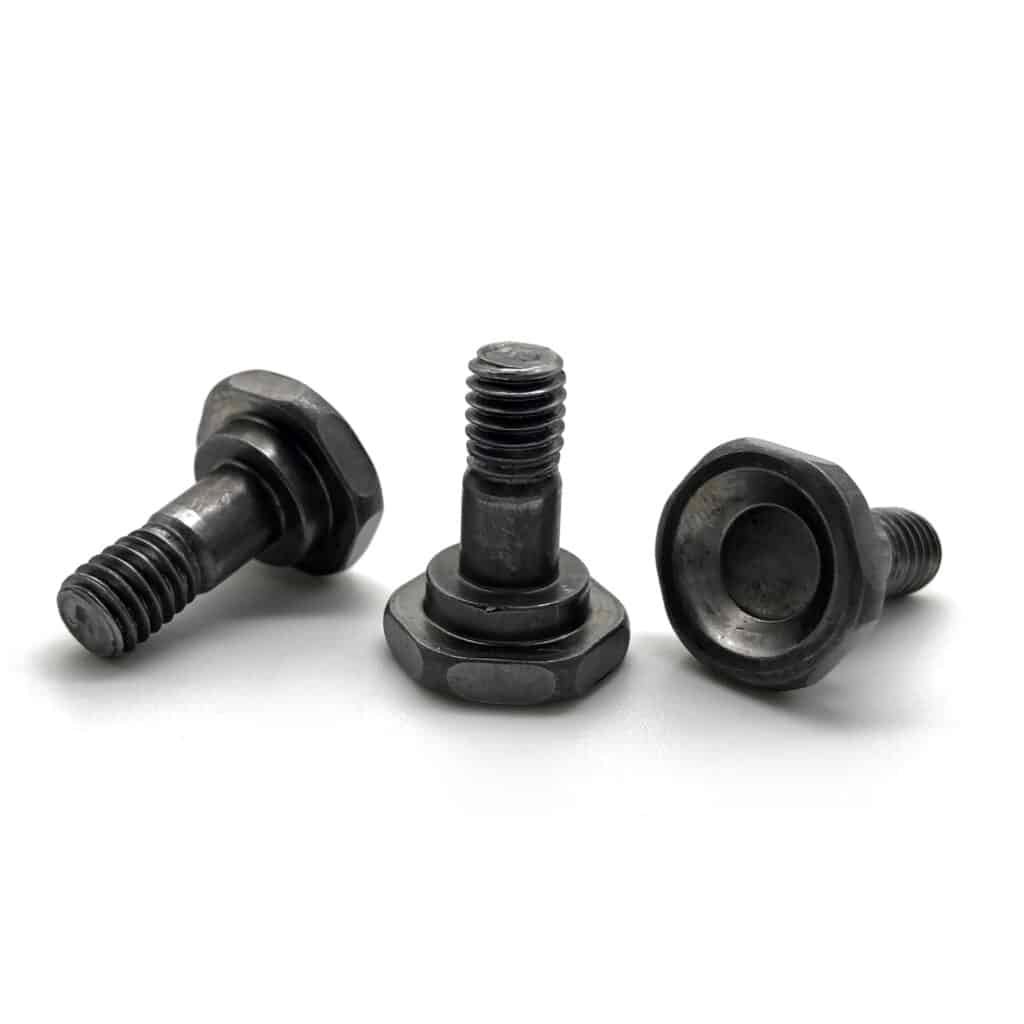
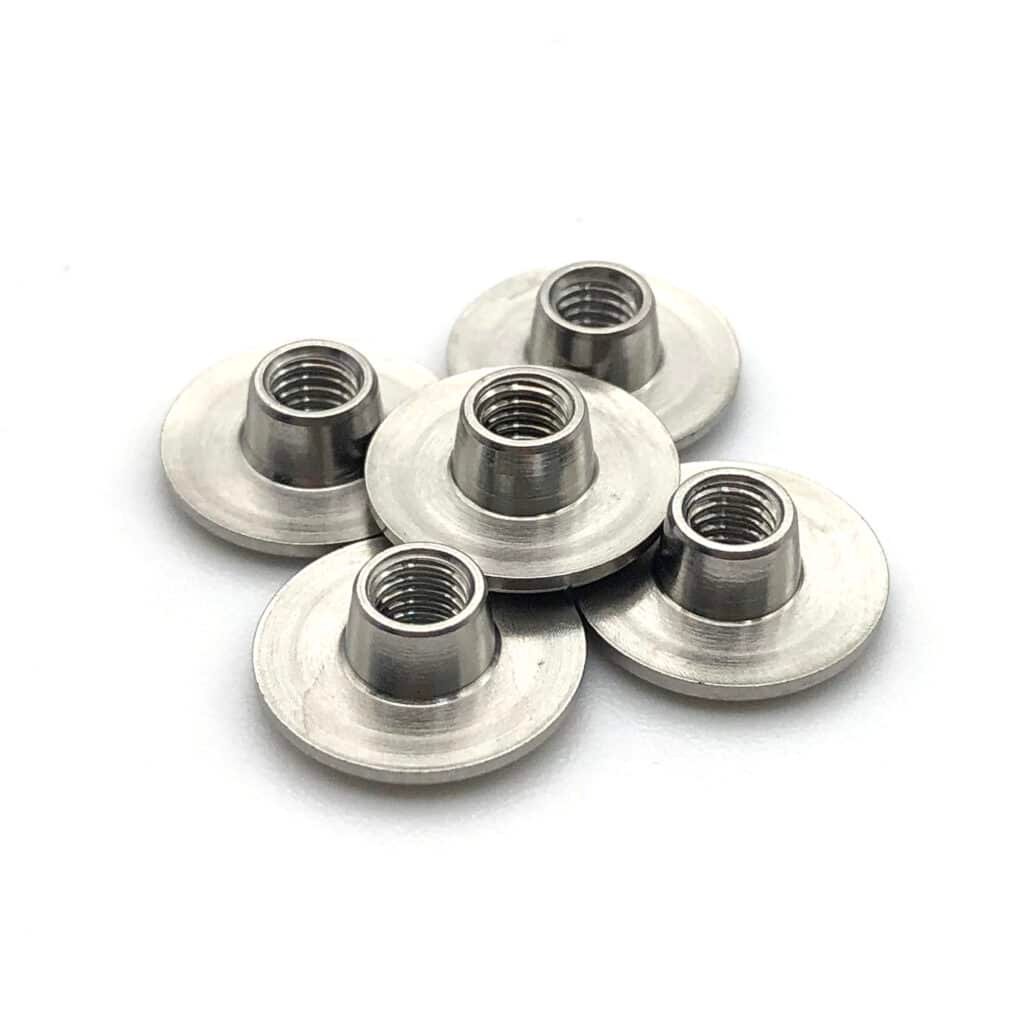
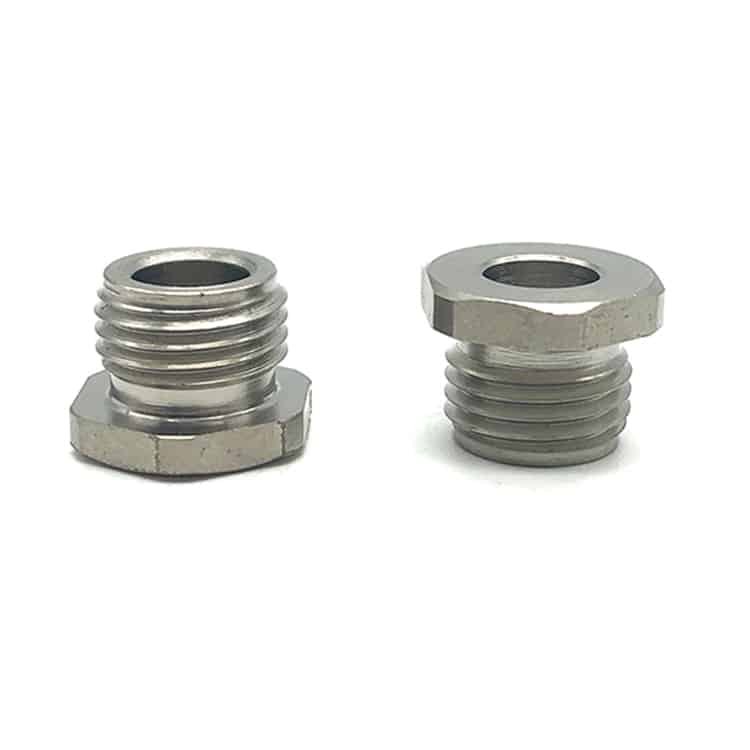
Understanding Precision Screw Machining
Precision screw machining is an advanced manufacturing process utilizing CNC turning centers and Swiss-type automatic lathes to produce cylindrical components with exceptional accuracy, tight tolerances, and superior surface finishes. The term “screw machine” originated from early cam-driven automatic lathes but now encompasses modern CNC equipment capable of producing intricate automotive components to tolerances as tight as ±0.005mm.
Automotive precision screw machined parts must meet stringent requirements including dimensional tolerances of ±0.01mm to ±0.05mm for critical features, surface finishes from Ra 0.4μm to Ra 3.2μm depending on function, material consistency ensuring reliable performance, high-volume repeatability for automotive production, and compliance with IATF 16949 and customer-specific quality standards.
Why Precision Screw Machining for Automotive Applications?
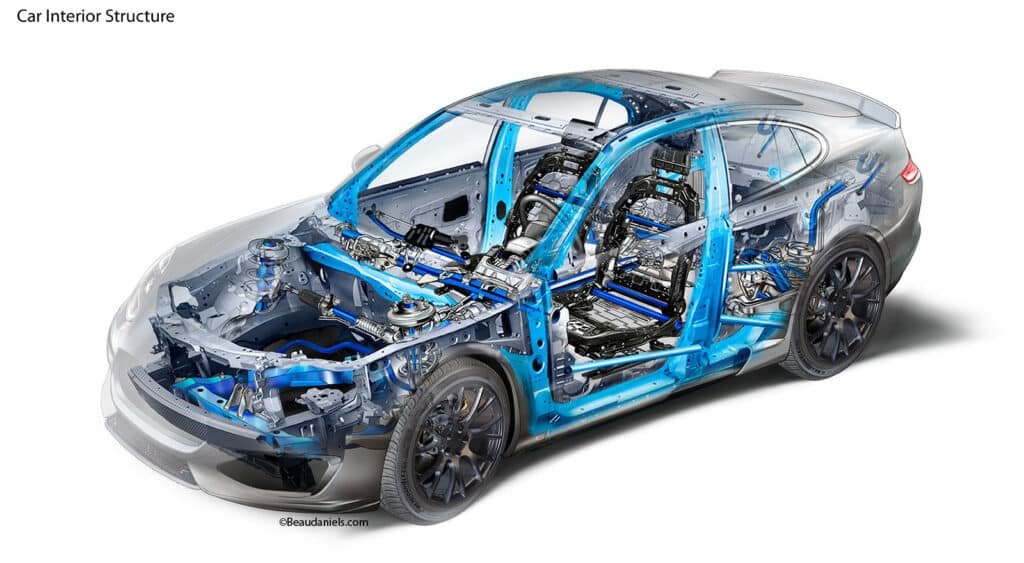
Precision screw machining offers distinct advantages for automotive manufacturing including exceptional dimensional accuracy for tight-fitting assemblies, superior concentricity and roundness for rotating components, excellent surface finish reducing friction and wear, complex geometries in single setups reducing operations, high-volume production capability with consistent quality, and cost-effectiveness through lights-out manufacturing and material efficiency.
Modern vehicles incorporate thousands of precision-turned components in engines, transmissions, fuel systems, brake assemblies, steering mechanisms, and chassis systems. Precision screw machining ensures these critical parts meet exact specifications for performance, safety, and reliability.
Common Automotive Screw Machined Components
Precision screw machining produces diverse automotive parts including precision shafts for transmissions, steering, and control mechanisms, bushings and bearing components for suspension and powertrain, threaded fasteners and specialty bolts with precise dimensions, fuel injector components and fuel system parts, brake system pins, pistons, and hydraulic components, sensor mounting hardware and electrical connectors, valve components and hydraulic control elements, and spacers, sleeves, and alignment pins for precise assembly.
Manufacturing Technologies for Precision Screw Machined Parts
CNC Machining (Primary Technology)
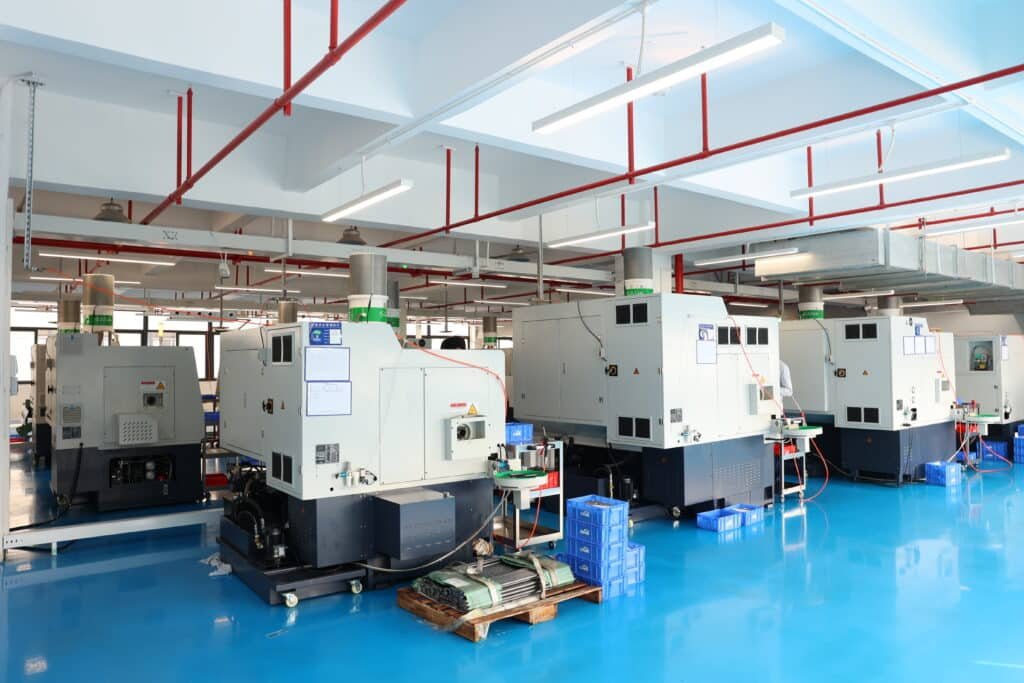
CNC Turning Centers provide versatility for precision automotive components, offering multi-axis simultaneous machining for complex geometries, live tooling capability for secondary operations in single setup, large diameter capacity (up to 300mm) for various part sizes, tight tolerance control (±0.01mm to ±0.02mm) through advanced controls, and high-volume production capability with automated loading systems. Learn more about our CNC machining capabilities and advanced equipment.
CNC turning centers excel at producing transmission shafts, brake system components, chassis pins and bushings, engine accessory parts, and structural mounting elements. The flexibility of CNC turning enables rapid changeovers, prototype development, and production of complex geometries not achievable through other methods.
Key Advantages of CNC Turning:
- Precision to ±0.01mm on critical dimensions
- Complex multi-diameter profiles in single operation
- Integration of drilling, threading, and grooving operations
- Excellent surface finishes (Ra 0.4μm achievable)
- Efficient for medium to large diameter parts (10mm-300mm)
Swiss-Type CNC Screw Machines excel at small-diameter precision parts (typically under 32mm), featuring guide bushing support minimizing deflection for superior concentricity, exceptional length-to-diameter ratios (up to 20:1), tight tolerances (±0.005mm to ±0.01mm) on small features, high-speed automated production with minimal operator intervention, and excellent surface finishes from supported cutting.
Swiss-type machines are ideal for fuel injector components, sensor pins and shafts, miniature hydraulic pistons, precision electrical connectors, and small-diameter control mechanism parts. The guide bushing support allows machining of long, slender parts that would deflect on conventional lathes.
Key Advantages of Swiss-Type Machines:
- Superior precision on small diameters (<32mm)
- Exceptional concentricity (within 0.005mm TIR)
- High-speed production (cycle times under 30 seconds)
- Minimal part deflection for long, thin components
- Excellent for high-volume small parts
Cold Heading (Complementary Technology)
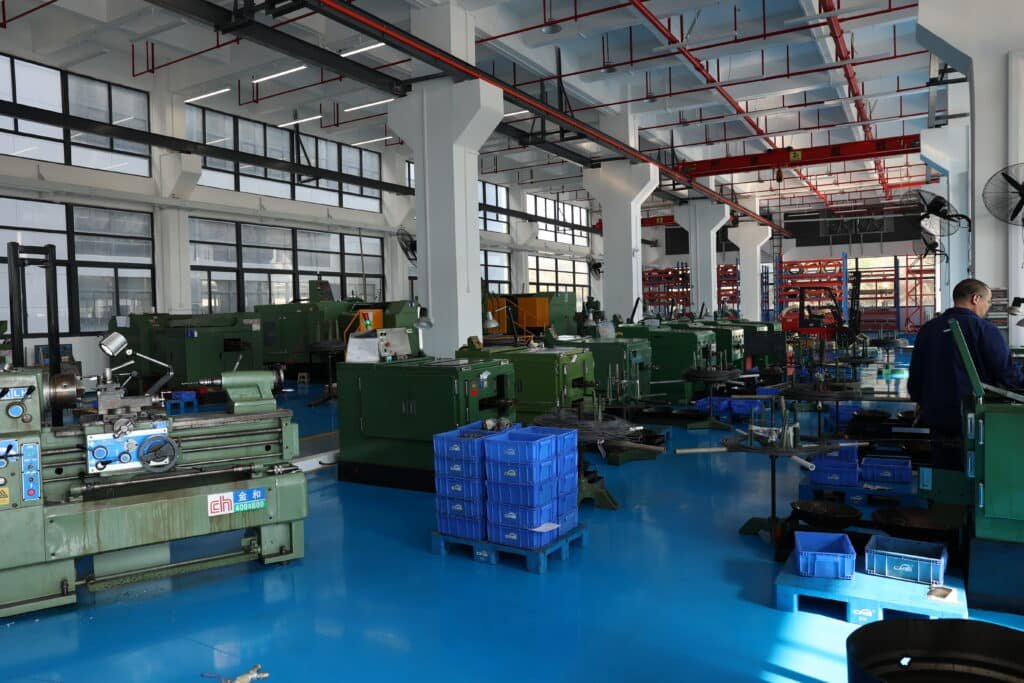
Cold Heading Process produces fasteners and headed components through high-pressure forming at room temperature, creating enhanced material strength through work hardening, consistent head and shank geometry for uniform performance, excellent material utilization (95%+ efficiency) with minimal waste, and cost-effective high-volume production for automotive fasteners. Explore our cold forging technology for automotive applications.
Cold heading complements screw machining by efficiently producing basic fastener shapes that may require subsequent machining for precision features. Many automotive components begin with cold heading for basic form, followed by CNC machining for critical dimensions, threads, or special features.
Key Applications in Precision Parts:
- Shoulder bolts with precision-ground shoulders
- Specialty fasteners with unique head geometries
- Stepped shafts requiring precise diameter control
- High-strength pins and dowels
- Components combining forged strength with machined precision
Secondary Operations and Finishing
Thread Rolling creates superior threads on machined components through cold forming, producing work-hardened thread surfaces for improved fatigue life, precise thread dimensions with smooth finishes, enhanced strength compared to cut threads, and no material removal maintaining part integrity.
Grinding Operations achieve ultra-precision surfaces and dimensions including centerless grinding for precise diameter control (±0.002mm), surface grinding for flatness and parallelism, thread grinding for precision thread forms, and finishing to Ra 0.2μm or better for bearing surfaces.
Heat Treatment optimizes mechanical properties for specific applications through through-hardening for maximum strength, case hardening for wear resistance with tough core, stress relieving for dimensional stability, and tempering for optimal hardness/ductility balance.
Specialized Coatings enhance performance and durability including zinc plating for corrosion protection, black oxide for lubricity and appearance, phosphate coating for wear resistance, electroless nickel for uniform coverage, and specialty coatings for extreme environments. View our comprehensive surface treatment options for automotive precision parts.
Material Selection for Automotive Precision Screw Machined Parts
Steel Alloys for High-Performance Applications
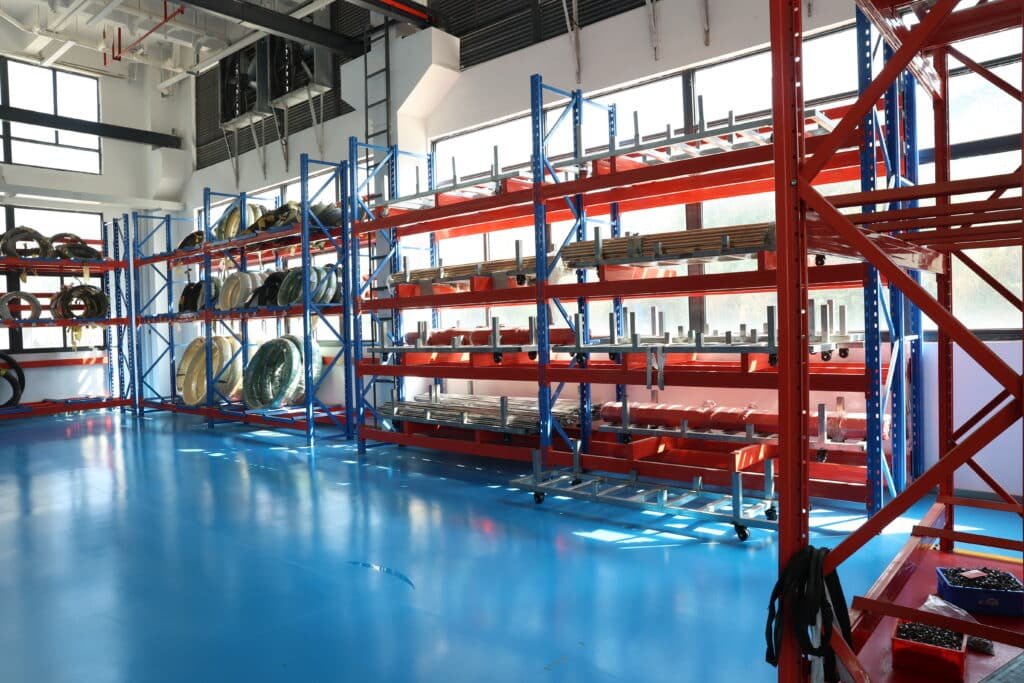
| Material Grade | Key Properties | Typical Hardness | Primary Applications |
|---|---|---|---|
| Free-Machining Carbon Steel (12L14, 1215) | Excellent machinability, good strength | HRB 70-85 | General components, brackets, spacers |
| Medium Carbon Steel (1045, 1018) | Good strength, heat treatable | HRB 80-95 (annealed) | Shafts, pins, structural components |
| Alloy Steel (4140, 4340) | High strength, excellent toughness | HRC 28-42 (heat treated) | Transmission parts, high-stress applications |
| Case Hardening Steel (8620, 8822) | Tough core, hard surface | HRC 58-62 (case) | Gears, wear-resistant components |
| Tool Steel (O1, A2, D2) | Wear resistance, dimensional stability | HRC 58-64 | Precision tooling, wear parts |
Stainless Steel Grades
| Grade | Corrosion Resistance | Machinability | Magnetic | Typical Uses |
|---|---|---|---|---|
| 303 Stainless | Good | Excellent | Yes | General precision parts, fasteners |
| 304 Stainless | Excellent | Good | No | Fuel system, corrosion-prone areas |
| 316 Stainless | Superior | Good | No | Extreme environments, marine exposure |
| 416 Stainless | Good | Excellent | Yes | High-volume production parts |
| 17-4 PH | Excellent | Moderate | Yes | High-strength aerospace applications |
Specialty Materials
Aluminum Alloys (6061-T6, 7075-T6) provide significant weight reduction for fuel efficiency, excellent strength-to-weight ratio for performance parts, good machinability for complex geometries, and natural corrosion resistance. Aluminum serves lightweight shafts, housings, brackets, and components where weight savings are critical.
Brass and Bronze Alloys offer superior machinability for high-speed production, self-lubricating properties for bearing applications, excellent corrosion resistance in specific environments, and electrical conductivity for grounding components. These materials serve bushings, electrical connectors, and fluid system fittings.
Titanium Alloys (Grade 5, Grade 2) deliver exceptional strength-to-weight ratio for racing applications, outstanding corrosion resistance, heat resistance for exhaust systems, and biocompatibility for hybrid fuel system applications. While expensive, titanium serves high-performance and specialized automotive applications.
Precision Specifications and Tolerances
Dimensional Capability Chart
| Feature Type | Standard Tolerance | Precision Tolerance | Ultra-Precision |
|---|---|---|---|
| Turned Diameters | ±0.05mm | ±0.02mm | ±0.01mm |
| Lengths | ±0.10mm | ±0.05mm | ±0.02mm |
| Concentricity | 0.05mm TIR | 0.02mm TIR | 0.01mm TIR |
| Perpendicularity | 0.05mm | 0.02mm | 0.01mm |
| Straightness | 0.10mm/100mm | 0.05mm/100mm | 0.02mm/100mm |
| Surface Finish (Ra) | 3.2μm | 1.6μm | 0.4μm |
Thread Specifications and Tolerances
Metric Threads: Precision screw machining produces metric threads from M2 to M36 with tolerance classes 6g, 6h (standard) or 4h, 5h (precision), pitch accuracy within ±0.01mm, and major/minor diameter control to ±0.02mm.
Imperial Threads: Manufacturing capability includes #2-56 to 2″ diameter threads, tolerance classes 2A, 2B (standard) or 3A, 3B (precision), pitch diameter precision within 0.0005″, and excellent thread form accuracy.
Specialized Thread Forms: Custom capabilities include multi-start threads for rapid advance, fine pitch threads for thin materials, left-hand threads for specific applications, and proprietary thread designs for unique requirements.
Surface Finish Requirements by Application
| Application Area | Required Ra Finish | Manufacturing Method |
|---|---|---|
| Bearing Surfaces | Ra 0.4-0.8μm | Precision turning + grinding |
| Sealing Surfaces | Ra 0.8-1.6μm | Fine turning or grinding |
| General Shafts | Ra 1.6-3.2μm | Standard CNC turning |
| Non-Critical Surfaces | Ra 3.2-6.3μm | Rough turning |
| Thread Flanks | Ra 1.6-3.2μm | Thread rolling or grinding |
Applications: Where Precision Screw Machined Parts Excel
Powertrain and Transmission Systems
Precision screw machined components serve critical powertrain functions including transmission input/output shafts requiring concentricity within 0.01mm, gear selector mechanism shafts and pins, clutch actuation components with precise dimensions, differential pins and spacers, camshaft and crankshaft components (smaller features), valve train precision parts, and timing system components. Discover our complete automotive fastener solutions for powertrain applications.
Requirements: Extreme dimensional precision for proper meshing and operation, superior surface finish for reduced friction and wear, heat treatment for wear resistance and strength, high-volume consistency across production batches, complete material traceability for safety-critical components, and fatigue resistance for millions of operating cycles.
Typical Tolerances: ±0.01mm to ±0.02mm on critical diameters, concentricity within 0.02mm TIR, surface finishes Ra 0.8-1.6μm on bearing surfaces.
Fuel Delivery and Injection Systems
Fuel system precision parts demand exceptional accuracy including fuel injector bodies and nozzles with tolerances to ±0.005mm, high-pressure pump pistons and plungers, pressure regulator components and valve seats, fuel rail connectors and fittings, filter housing elements, and sensor mounting components.
Requirements: Extreme precision for proper fuel atomization and emissions compliance, corrosion resistance to various fuel types including ethanol blends, high-pressure capability (up to 2000 bar in modern direct injection), leak-free sealing surfaces with Ra 0.4-0.8μm finishes, high-volume consistency ensuring engine performance, and compatibility with advanced fuel system requirements.
Typical Tolerances: ±0.005mm to ±0.01mm on critical dimensions, surface finishes Ra 0.4-0.8μm on sealing surfaces, straightness within 0.02mm per 100mm.
Brake and Safety Systems
Brake system precision components include caliper pins and guide bushings with precise clearances, master cylinder pistons and components, ABS sensor mounting hardware, hydraulic control valve elements, brake booster components, and parking brake mechanism parts.
Requirements: Absolute dimensional reliability for safety, precise tolerances for proper hydraulic function (typically ±0.02mm), corrosion resistance preventing brake system failure, high strength for braking forces, complete material certification and traceability, and proven performance in pressure cycling tests.
Typical Tolerances: ±0.02mm to ±0.03mm on hydraulic components, surface finishes Ra 1.6-3.2μm, concentricity within 0.02mm TIR for pins.
Steering and Suspension Systems
Steering and suspension precision parts serve critical safety functions including steering column shafts and universal joint components, rack and pinion precision elements, tie rod end pins and bushings, suspension link pins and adjustment screws, shock absorber precision components, and alignment adjustment hardware.
Requirements: Precise dimensions for proper steering geometry and handling, fatigue resistance for constant cycling and road loads, corrosion resistance for underbody exposure, high shear and tensile strength for safety, accurate concentricity for smooth rotation, and compliance with automotive safety standards.
Typical Tolerances: ±0.02mm to ±0.05mm depending on criticality, surface finishes Ra 1.6-3.2μm on bearing surfaces, straightness within 0.05mm per 100mm.
Electrical and Sensor Systems
Electronic system precision components include sensor mounting studs and housings, electrical connector pins and terminals, grounding studs and bushings, ECU mounting hardware, cable retention components, and battery terminal elements.
Requirements: Precise dimensions for proper electrical contact and grounding, corrosion resistance for electrical reliability, non-magnetic materials when necessary (300 series stainless), conductive materials for effective grounding, compatibility with automated assembly, and resistance to vibration loosening.
Typical Tolerances: ±0.05mm for general electrical parts, ±0.02mm for precision connectors, surface finishes Ra 3.2μm typical.
HVAC and Climate Control Components
Climate control system precision parts include valve actuator shafts and components, blower motor precision elements, compressor mounting hardware, refrigerant system fittings and connectors, duct control mechanism parts, and temperature sensor housings.
Requirements: Precision for smooth actuation and control, corrosion resistance for condensation exposure, compatibility with refrigerants and system fluids, quiet operation for cabin comfort, dimensional stability across temperature ranges, and long-term reliability for system life.
Typical Tolerances: ±0.05mm for mechanical components, Ra 3.2μm surface finishes typical, concentricity within 0.05mm for rotating parts.
Inspection Methods for Precision Screw Machined Parts
Advanced Dimensional Inspection
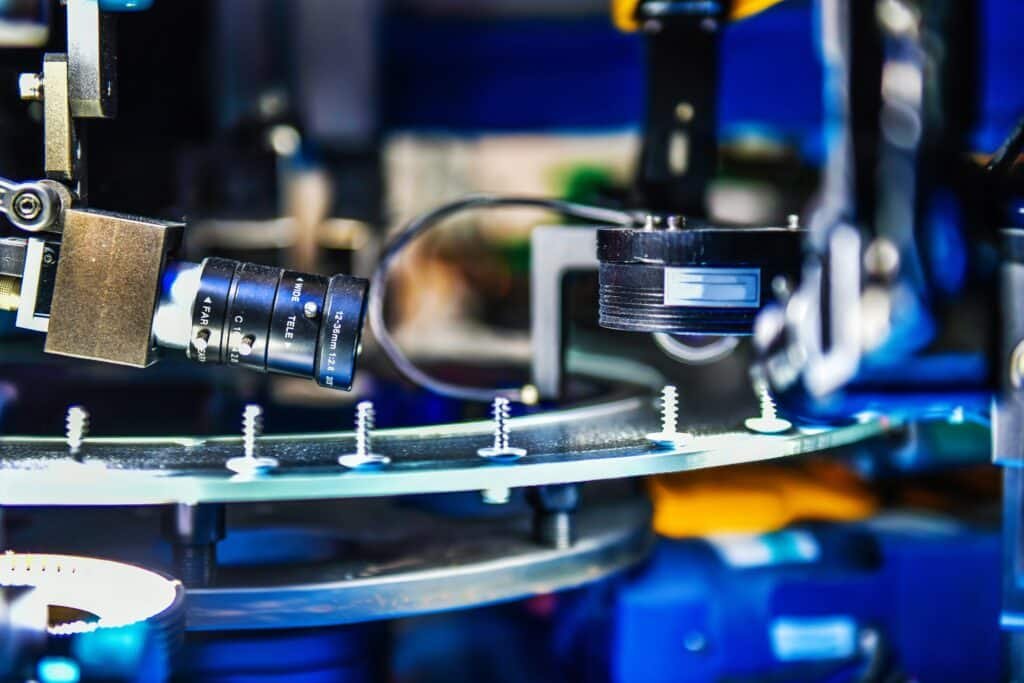
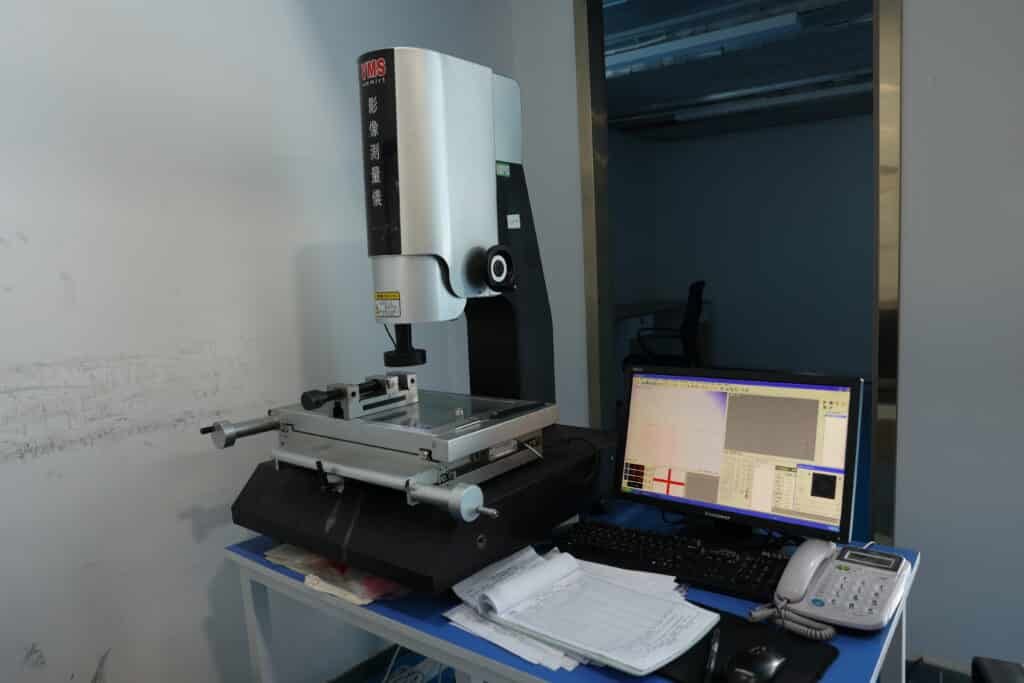
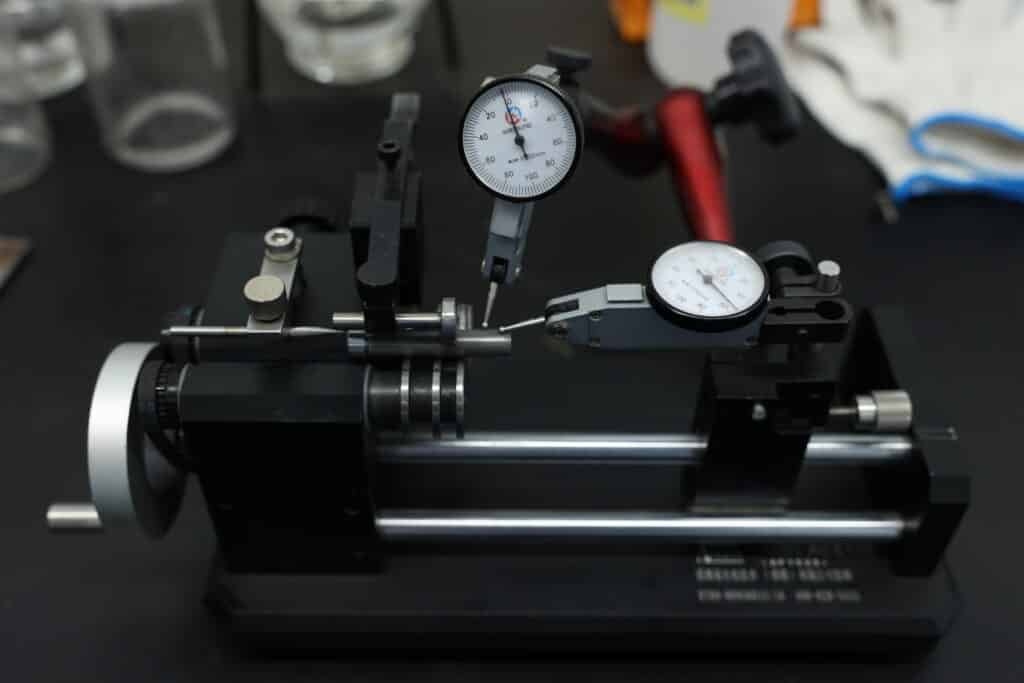
2D Video Measuring and 3D Scanning provide non-contact dimensional measurement with 0.001 mm optical resolution, programmable inspection routines that reduce operator variation, verification of complex profiles against CAD models (Shining3D 3D scanner), data for process capability studies, and digital reports for complete documentation and traceability.
Dimensional inspection verifies critical features including diameters and lengths, profile and contour geometry, position of cross holes and slots, and thread form and pitch (with go/no-go thread gauges from M1.2 to M30). Where a drawing requires CMM-based GD&T evaluation, the requirement is agreed with the customer at the quotation stage.
Optical Measurement Systems offer non-contact measurement for delicate features, high magnification (up to 200x) for small parts and features, rapid profile verification against CAD models, automated edge detection for consistent results, and video documentation for quality records.
Laser Scanning and Vision Systems provide high-speed 100% inspection capability, automated defect detection for surface flaws, dimensional verification at production speeds, real-time SPC data generation, and integration with manufacturing execution systems.
Surface Quality Verification
Profilometry measures surface roughness with high precision including contact and non-contact measurement methods, Ra, Rz, and other roughness parameter measurement, verification to 0.01μm resolution, mapping of surface texture across features, and documentation for bearing and sealing surfaces.
Surface Inspection includes visual examination under magnification for defects, automated optical inspection for high-volume production, blue light 3D scanning for complex surfaces, and documentation of cosmetic quality for visible parts.
Material Verification and Testing
| Test Type | Purpose | Method | Acceptance Criteria |
|---|---|---|---|
| Chemical Analysis | Verify material grade | OES/XRF Spectrometry | Match specification ±0.02% |
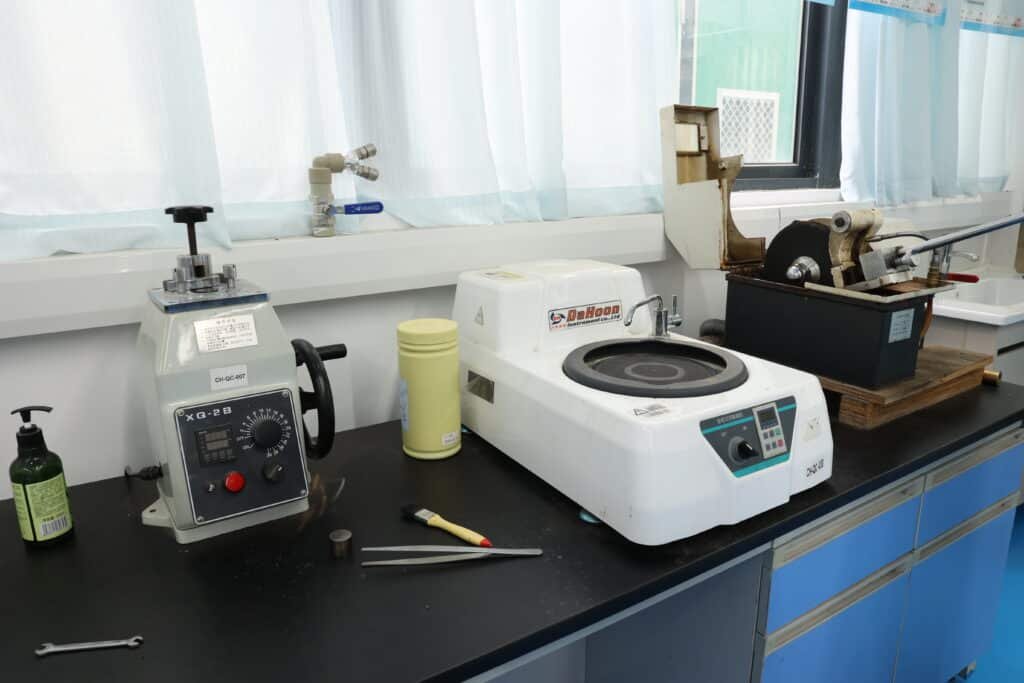
| Hardness Testing | Confirm heat treatment | Rockwell, Vickers, Brinell | Per grade specification |
| Tensile Testing | Verify strength | ASTM E8 | Meet minimum requirements |
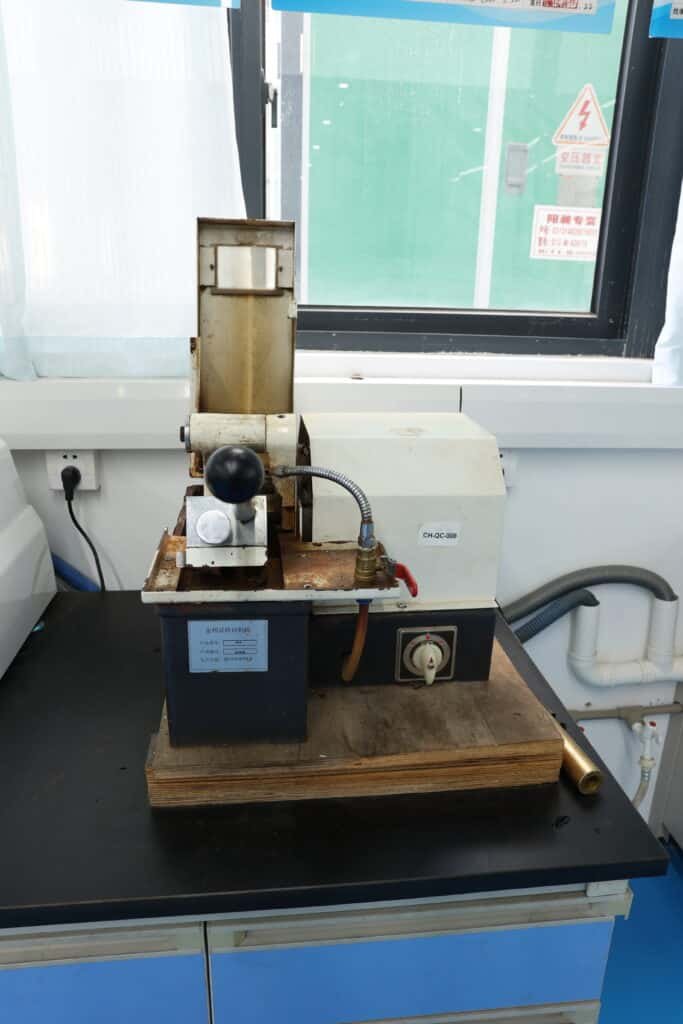
| Microstructure | Grain structure analysis | Metallography | Appropriate for application |
| Case Depth | Verify surface hardening | Microhardness traverse | Meet specification ±0.1mm |
Functional Performance Testing
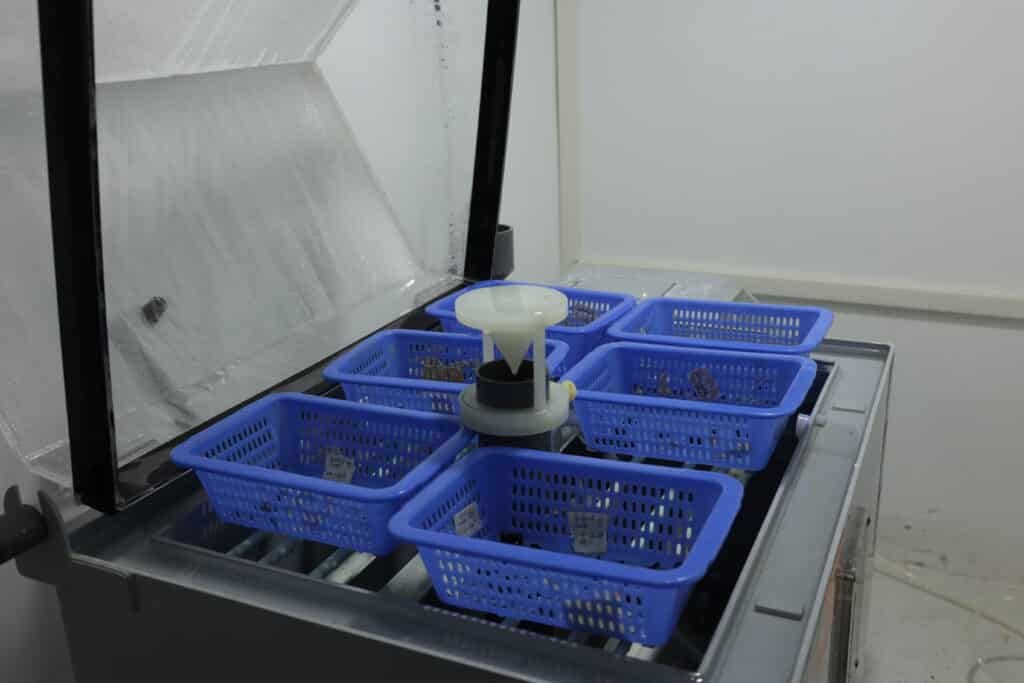
Dimensional Stability Testing validates performance through thermal cycling across operating temperature range (-40°C to +150°C), measurement before and after cycling, verification of dimensional retention, and validation of heat treatment effectiveness.
Fatigue Testing simulates service life through cyclic loading to failure, determination of fatigue limit, validation of material and design, and correlation with field performance data.
Pressure Testing for hydraulic components validates seal integrity under pressure, leak detection at operating and test pressures, burst pressure determination, and cyclic pressure endurance.
Functional Assembly Testing confirms installation in mating components, verification of fit and function, torque and preload validation, and simulation of actual operating conditions.
Statistical Process Control and Quality Systems
Real-Time SPC Monitoring tracks critical dimensions during production including automated data collection from measurement equipment, X-bar and R charts for process stability, Cpk calculation for capability verification (typically >1.33 for automotive), trend analysis for preventive action, and alarm systems for out-of-tolerance conditions.
Process Capability Studies demonstrate manufacturing capability through measurement of 30-100 consecutive parts, calculation of Cp and Cpk values, verification of process centering, identification of special cause variation, and documentation for PPAP submission.
First Article Inspection validates new setups and production runs including complete dimensional verification per drawing, material certification verification, functional testing when specified, comparison to master samples, and approval before production release.
Advanced Manufacturing Considerations
Design for Manufacturability (DFM)
Optimizing designs for precision screw machining includes minimizing tool changes reducing cycle time, designing features accessible from single setup, specifying appropriate tolerances (not tighter than necessary), using standard thread forms when possible, avoiding deep narrow cavities difficult to machine, and incorporating chamfers and radii reducing tool wear.
DFM Guidelines:
- Length-to-diameter ratios under 10:1 for better accuracy (use Swiss-type for higher ratios)
- Wall thickness >1.5mm for rigidity during machining
- Thread engagement depth 1.5x diameter minimum for strength
- Tolerance stack-up analysis to ensure assemblability
- Material selection considering machinability and performance
High-Volume Production Optimization
Lights-Out Manufacturing enables unmanned production through automated bar feeders for continuous operation, robotic loading/unloading systems, in-process inspection and SPC, automated tool changing and monitoring, and production runs of 8-24 hours unattended.
Lean Manufacturing Principles reduce waste and improve efficiency including single-piece flow where appropriate, kanban pull systems for material replenishment, quick changeover (SMED) for flexibility, visual management for process control, and continuous improvement (Kaizen) culture.
Industry 4.0 and Smart Manufacturing
Modern precision screw machining facilities integrate advanced technologies including IoT sensors monitoring machine condition, predictive maintenance reducing downtime, machine learning optimizing cutting parameters, digital twins for process simulation, and MES integration for real-time production tracking.
Frequently Asked Questions
What’s the difference between CNC turning and Swiss-type screw machining?
CNC turning holds the workpiece from the chuck with the tool approaching from the side, ideal for larger diameters (typically >32mm), shorter parts relative to diameter, and parts requiring heavy material removal. The workpiece is supported from one end (or both with tailstock support).
Swiss-type screw machining supports the workpiece through a guide bushing very close to the cutting tool, ideal for smaller diameters (<32mm), long parts with high length-to-diameter ratios (up to 20:1), and parts requiring minimal deflection during machining. The guide bushing allows extremely tight tolerances on small, long parts that would deflect on conventional lathes.
For automotive applications, CNC turning serves larger shafts, brake components, and chassis parts, while Swiss-type excels at fuel injector components, sensor pins, and small precision elements.
What tolerances can precision screw machining achieve?
Standard precision screw machining achieves ±0.02mm to ±0.05mm on turned diameters, suitable for most automotive applications. Precision machining with careful setup achieves ±0.01mm to ±0.02mm on critical features, used for transmission components and brake parts. Ultra-precision machining combined with grinding achieves ±0.005mm to ±0.01mm, necessary for fuel injection components and hydraulic precision parts.
Concentricity tolerances typically range from 0.01mm to 0.05mm TIR depending on application criticality. Surface finishes from Ra 0.4μm to Ra 6.3μm are achievable depending on tooling, speeds, and whether grinding is employed. These tolerances are maintained through rigorous process control, SPC monitoring, and regular calibration of measurement equipment.
How do you ensure consistency across high-volume production?
Consistency in high-volume precision screw machining is ensured through multiple approaches. Statistical process control (SPC) continuously monitors dimensions with automated measurement systems, tracking trends and triggering alarms for variations. Process capability studies validate Cpk >1.33 before production release, ensuring the process naturally stays within tolerance even with normal variation.
Preventive maintenance on machines and tooling prevents drift in accuracy. Tool life monitoring ensures replacement before wear affects dimensions. Automated bar feeders and handling reduce human error. First article inspection validates each setup before production. Our IATF 16949 certification mandates these controls, providing confidence in consistent quality across millions of parts annually.
What materials are best for different automotive precision parts?
Material selection depends on application requirements. Free-machining steels (12L14, 1215) offer excellent machinability for high-speed production of general components where ultimate strength isn’t critical, making them cost-effective for brackets, spacers, and non-critical shafts.
Alloy steels (4140, 4340, 8620) provide high strength after heat treatment for transmission components, suspension parts, and high-stress applications. Stainless steels (303, 304, 316) resist corrosion for fuel systems, brake components, and underbody parts. Aluminum alloys (6061, 7075) reduce weight for performance applications while maintaining good strength.
Our engineering team recommends optimal materials based on strength requirements, environmental exposure, machinability for volume production, cost considerations, and heat treatment needs.
Do you meet IATF 16949 requirements for precision screw machined parts?
Yes, Keyfix maintains IATF 16949:2016 certification specifically for automotive precision screw machined parts. Our quality management system ensures rigorous process controls with documented procedures, complete material and process traceability from raw material through finished parts, dimensional inspection with statistical process control, PPAP documentation including dimensional reports, material certifications, and capability studies, advanced product quality planning (APQP) for new part development, FMEA and control plans for all processes, measurement system analysis (MSA) ensuring gage capability, and compliance with customer-specific requirements from major automotive OEMs.
We provide complete PPAP packages including design records, process flow diagrams, FMEAs, control plans, dimensional inspection reports (showing actual measurements), material test reports, performance test results, and appearance approval when applicable. Our quality systems satisfy Tier 1 suppliers and OEMs globally.
What are typical lead times for automotive precision screw machined parts?
Lead times vary by complexity and volume. Prototypes and samples typically ship within 7–14 business days, and production typically ships 4–6 weeks after sample approval, depending on part complexity, quantity and surface treatment. PPAP documentation is prepared alongside the first production run.
Repeat production orders are scheduled when the order is confirmed, depending on quantity and complexity.
Rush orders can often be accommodated for urgent prototyping or critical shortages. For long-term programs, we work with customers to establish blanket orders with scheduled releases, ensuring material availability and capacity allocation for consistent delivery performance.
Can you reverse engineer existing precision parts?
Absolutely. We frequently reverse engineer precision screw machined parts for second-source development, design improvement, or obsolete part replacement. Our process includes precision measurement using Shining3D 3D scanning and 2D video measuring to capture all critical dimensions, material identification through SPECTRO OES spectrometry and hardness testing, thread form analysis with thread gauges and video measuring, functional testing in customer assemblies, and documentation creation including detailed drawings.
We can often improve upon original designs through DFM analysis, suggesting modifications that reduce cost while maintaining or improving function. This includes optimizing tolerances, improving machinability, standardizing features, and reducing secondary operations. Our engineering team provides recommendations for consideration before production begins.
Keyfix: Your Trusted China Automotive Precision Screw Machined Parts Factory
IATF 16949 Certified Manufacturer Since 2005
Established in 2005, Keyfix specializes in automotive precision screw machined parts for global OEMs, Tier 1 suppliers, and Tier 2 suppliers. Our own factory in Guangdong features 25 CNC lathes, 5 mill-turn centers and 2 YCM NFX 380A 5-axis centers, Swiss-type CNC machining for small precision parts, quality inspection including 2D video measuring, Shining3D 3D scanning and SPECTRO OES, and complete IATF 16949:2016 certified quality management systems. We deliver precision components meeting stringent automotive requirements with full PPAP support, process capability validation, and global logistics coordination. Learn more about our manufacturing technology and capabilities.
Start Your Automotive Precision Screw Machined Parts Project Today
Whether developing new vehicle systems, optimizing existing designs, requiring second-source qualification, or seeking cost reduction through improved manufacturability, Keyfix delivers the precision and quality your automotive applications demand. Contact us with drawings and specifications for design for manufacturability analysis, material and process recommendations, capability assessment and Cpk validation, comprehensive quotations with cost optimization suggestions, and prototype development with dimensional validation. Visit our contact page to get started.
Contact Keyfix today—your trusted IATF 16949 certified China automotive precision screw machined parts manufacturer for accuracy, consistency, and reliability.