
Automotive sheet metal screws are specialized self-tapping fasteners designed for joining sheet metal components in vehicle construction. These screws must penetrate metal, form strong threads, and maintain secure connections throughout vehicle life under vibration, corrosion, and thermal cycling. As an IATF 16949 certified China automotive screws manufacturer, Keyfix delivers precision sheet metal screws engineered for demanding automotive applications.
Product Introduction: Automotive Sheet Metal Screws Explained
Understanding Sheet Metal Fastening
Sheet metal screws create their own threads as they are driven into pre-drilled or pre-punched holes, eliminating tapping operations and reducing assembly time. Automotive applications include body panels, brackets, heat shields, underbody components, and structural reinforcements typically ranging from 0.5mm to 3.0mm thickness.
These fasteners must provide reliable thread engagement in thin materials, high pull-out and shear strength, vibration resistance for automotive environments, corrosion protection for long service life, and compatibility with automated assembly processes.
Why Choose Custom Automotive Sheet Metal Screws?
Custom manufacturing from a specialized China automotive factory allows you to specify thread designs optimized for specific metal thicknesses, point styles for different material hardnesses, precise lengths for exact assembly requirements, specialized coatings for corrosion resistance, head styles for specific applications, and drive types suited for assembly operations.
Modern vehicles demand fasteners exceeding standard specifications for performance, reliability, and manufacturing efficiency.
Manufacturing Technologies
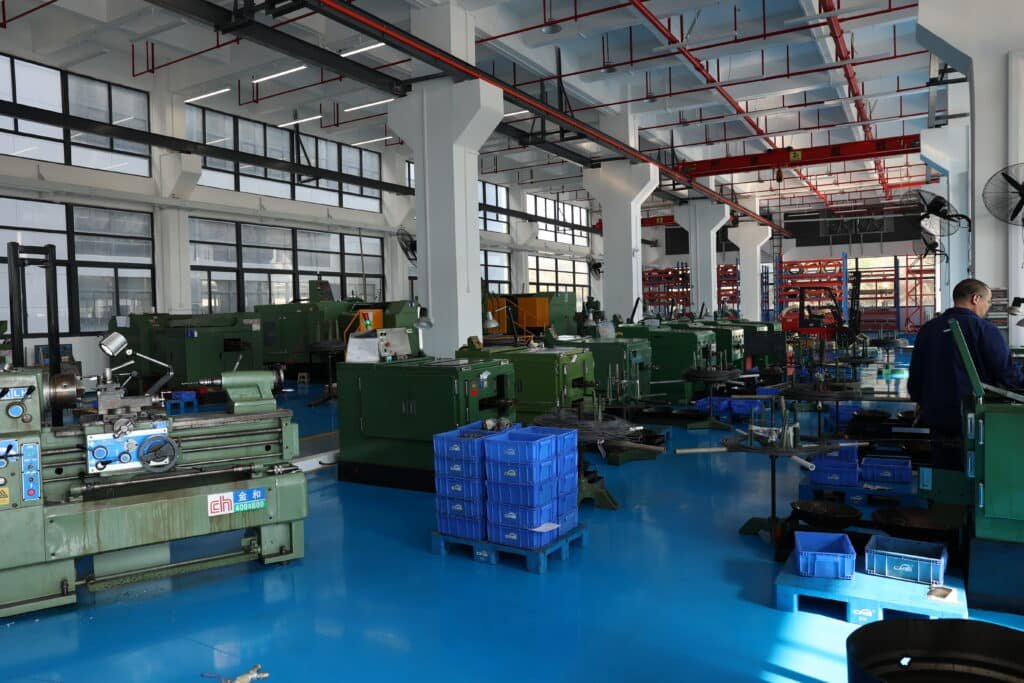
Cold Heading produces consistent point and thread geometry, creates high-strength fasteners through work hardening, provides excellent surface finish, and enables cost-effective high-volume production for automotive applications.
Thread Rolling generates precise, work-hardened threads with superior fatigue resistance, creates smooth thread surfaces for consistent performance, produces threads without material removal, and enhances pull-out strength in sheet metal.
Heat Treatment optimizes hardness (typically HRC 28-45) for penetration and thread forming, ensures consistent mechanical properties, provides necessary ductility preventing breakage, and meets automotive performance requirements.
Material Selection
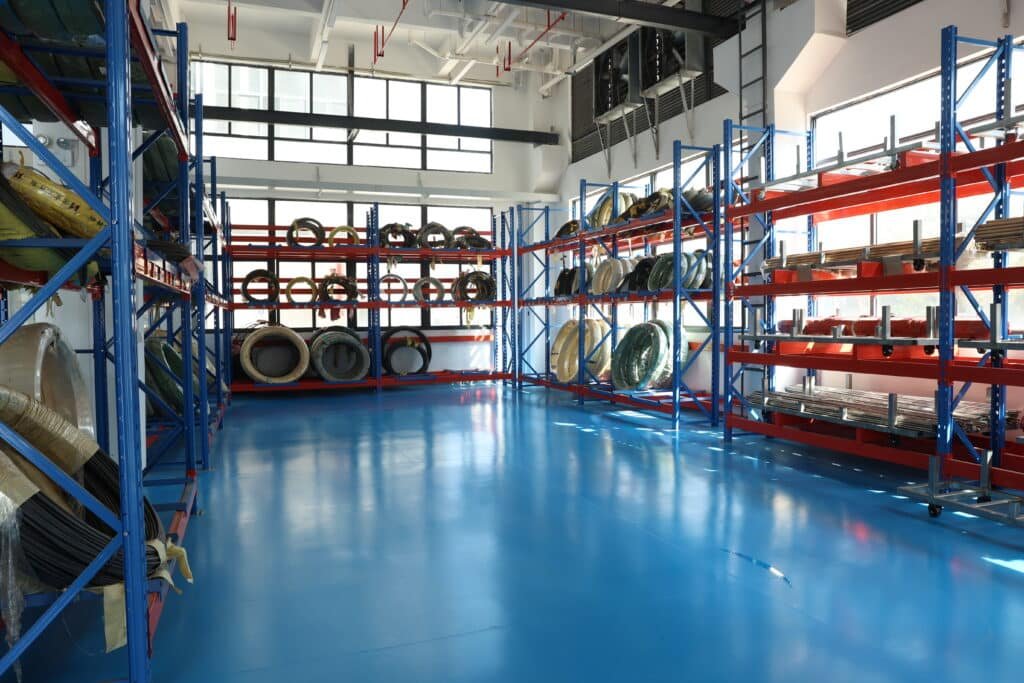
Carbon Steel (1018, 1022) provides adequate strength for most applications, excellent formability for cold heading, cost-effectiveness for volume production, and compatibility with protective coatings.
Stainless Steel (410, 304) offers superior corrosion resistance for harsh environments, adequate hardness after heat treatment, attractive appearance for visible applications, and no coating requirements.
Surface Treatments including zinc plating for economical corrosion protection, zinc-flake coating (Geomet, Dacromet) for maximum underbody protection, black phosphate for lubricity and appearance, and zinc-nickel for enhanced corrosion resistance.
Popular Specifications for Automotive Sheet Metal Screws
Sheet Metal Screw Types Comparison
| Type | Thread Design | Best For | Key Features |
|---|---|---|---|
| Type A | Gimlet point, coarse thread | Soft metals, thin materials (0.5-1.5mm) | Easy penetration, rapid installation |
| Type AB | Gimlet point, spaced thread | Thin sheet metal, soft materials | Lower driving torque, wide spacing |
| Type B | Blunt point, finer thread | General sheet metal (0.8-2.5mm) | Sharp cutting edges, precise threads |
| Type C | Sharp point, machine screw thread | Thicker metal, pre-drilled holes | Easier penetration than Type B |
| Type F | Thread-forming, lobed design | Ductile metals (1.0-3.0mm) | No material removal, stronger threads |
| Type 17 | Self-drilling point | Sheet metal assembly without pre-drilling | Drilling + tapping in one operation |
Common Size Specifications
| Size Range | Applications | Typical Lengths | Sheet Metal Thickness |
|---|---|---|---|
| #6 – #8 | Brackets, clips, small components | 10-25mm | 0.5-1.5mm |
| #10 – #12 | Body panels, reinforcements | 15-35mm | 1.0-2.0mm |
| #14 | Structural, heavy-duty | 20-50mm | 1.5-3.0mm |
| M3.5 – M4.2 | General automotive assembly | 10-30mm | 0.8-2.0mm |
| M4.8 – M6.3 | Heavy-duty underbody, chassis | 16-40mm | 1.5-3.0mm |
Head Styles for Sheet Metal Applications
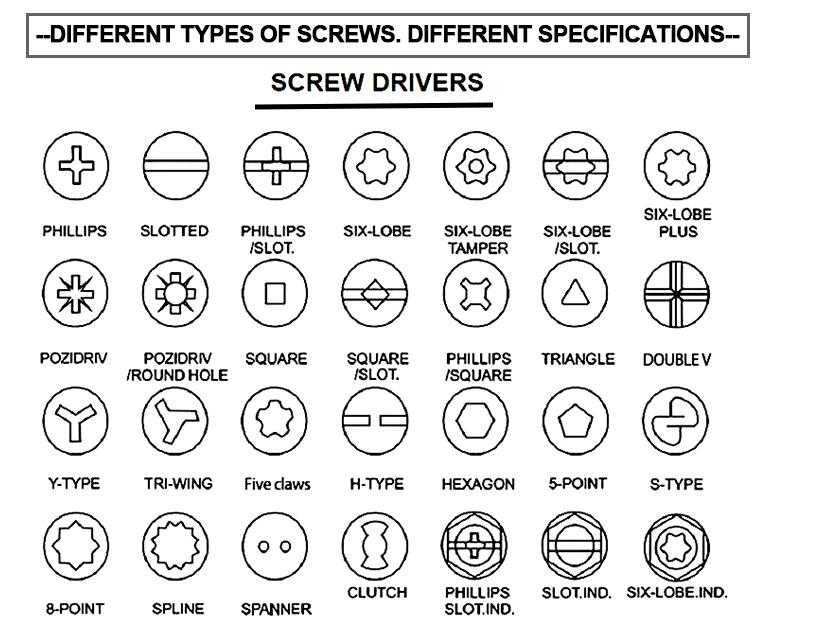
Pan Head provides standard appearance with good bearing surface, adequate torque capability, and versatile application compatibility.
Flat Head (Countersunk) allows flush mounting for aerodynamic surfaces, requires countersunk holes, and provides smooth finished appearance.
Hex Washer Head features integrated washer for maximum bearing area, prevents pull-through in thin metal, offers high torque capability, and serves underbody applications.
Truss Head offers extra-wide bearing surface, distributes load over larger area, prevents dimpling thin metal, and provides low-profile appearance.
Button Head provides attractive rounded appearance, lower profile than pan head, and serves visible trim applications.
Drive Type Selection
| Drive Type | Torque Capability | Cam-Out Resistance | Best Applications |
|---|---|---|---|
| Phillips #2 | Moderate | Low | General assembly, manual installation |
| Pozidriv | Good | Moderate | European automotive, production |
| Torx (T20, T25, T30) | Excellent | Very High | Modern automotive, automated assembly |
| Hex Socket | Excellent | Very High | High-torque applications, compact spaces |
| Hex Washer | Very High | N/A | Underbody, structural, external drive |
Applications: Where Automotive Sheet Metal Screws Excel
Body Panel and Exterior Assembly
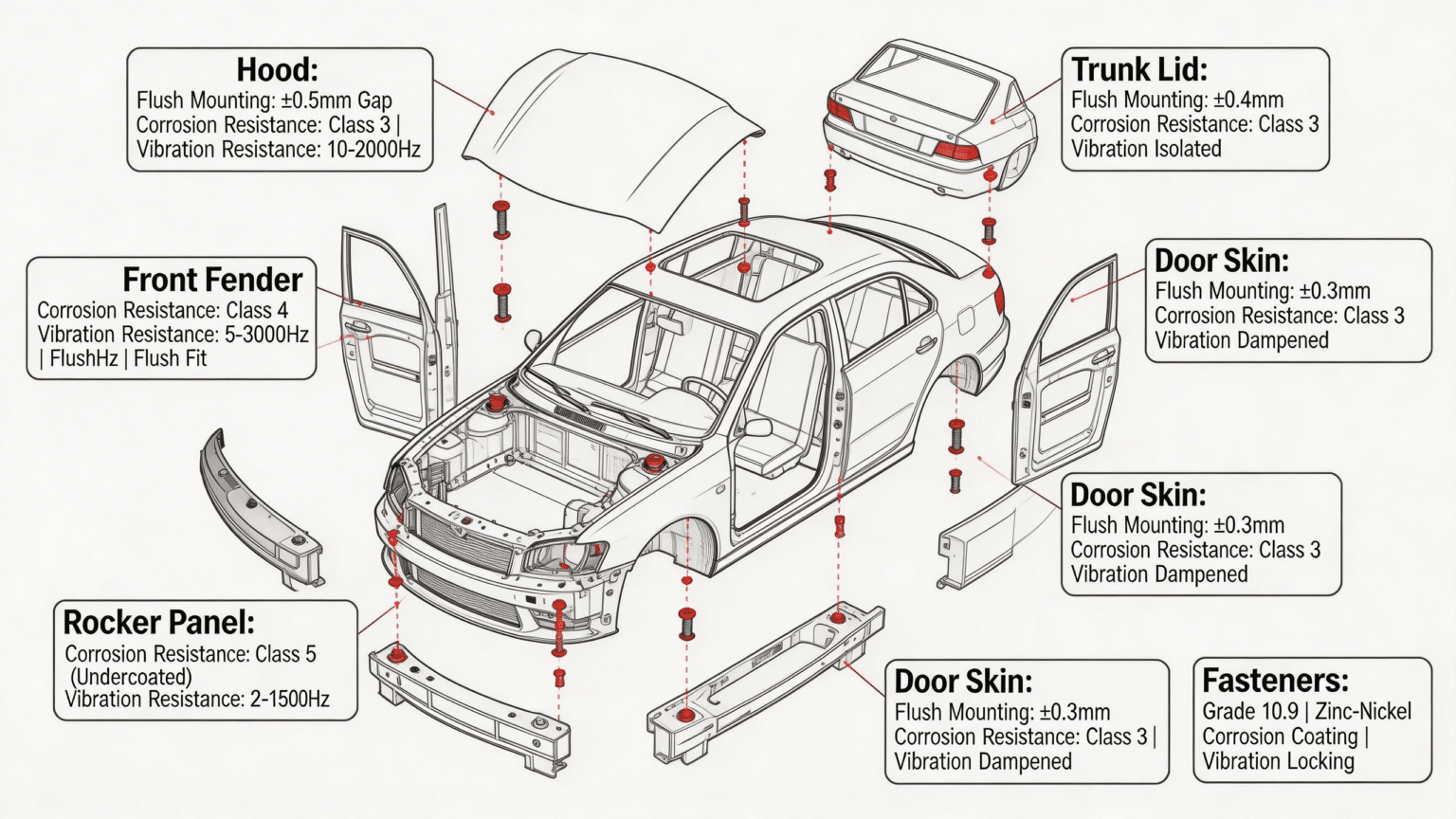
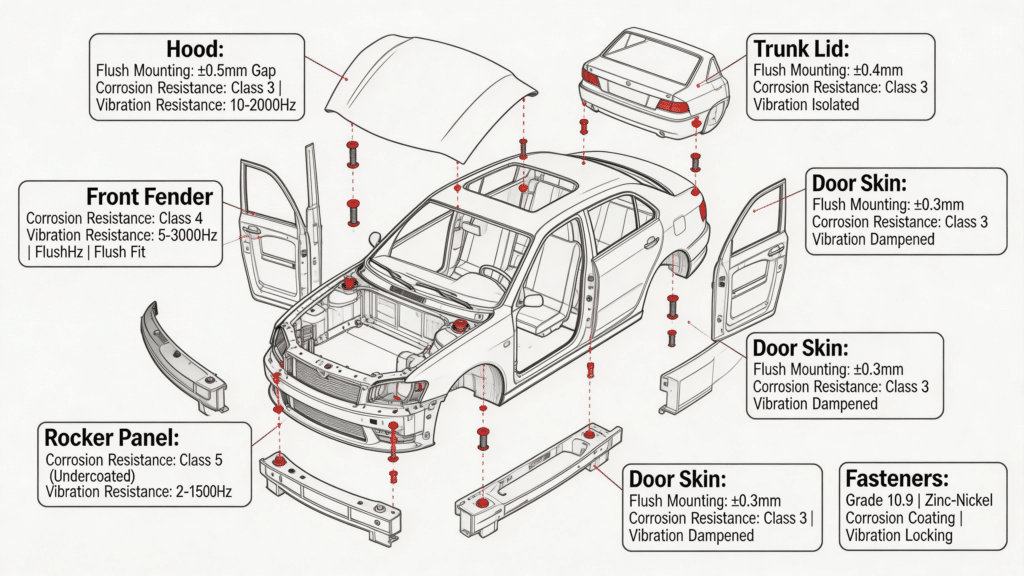
Applications include body panel attachment to framework, fender mounting and reinforcement, door skin attachment, hood and trunk lid assembly, and rocker panel installation. Requirements emphasize corrosion resistance for weather exposure, vibration resistance preventing loosening, flush mounting for aerodynamics, and high-volume assembly efficiency.
Underbody and Chassis Components
Components serve heat shield mounting, exhaust system brackets, underbody protection panels, fuel tank shield attachment, and chassis reinforcement. Requirements demand maximum corrosion protection (zinc-flake coating), high strength for safety-critical mounting, vibration resistance in harsh environment, and proven durability in salt spray testing.
Engine Bay Sheet Metal
Applications include engine cover brackets, air intake ducting supports, radiator mounting brackets, heat shield installation, and wiring harness brackets. Requirements include heat resistance up to 150°C, corrosion resistance to automotive fluids, vibration resistance for engine operation, and reliable long-term performance.
Interior Structural Components
Components serve seat bracket mounting, console framework, dashboard support structure, door reinforcements, and interior panel brackets. Requirements prioritize high shear and pull-out strength, quiet operation without squeaks, crash safety compliance, and efficient assembly processes.
HVAC and Climate Control
Applications include ductwork assembly, blower housing attachment, heater core brackets, evaporator mounting, and air distribution components. Requirements emphasize corrosion resistance for condensation, vibration resistance for blower operation, proper sealing considerations, and accessibility for service.
Inspection Methods for Automotive Sheet Metal Screws
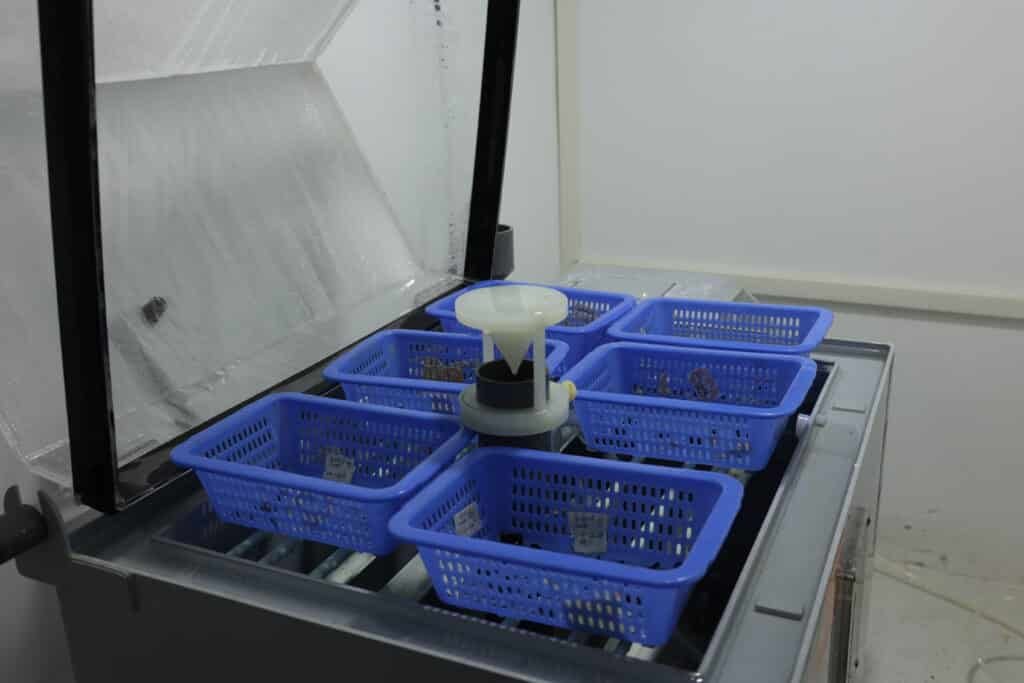
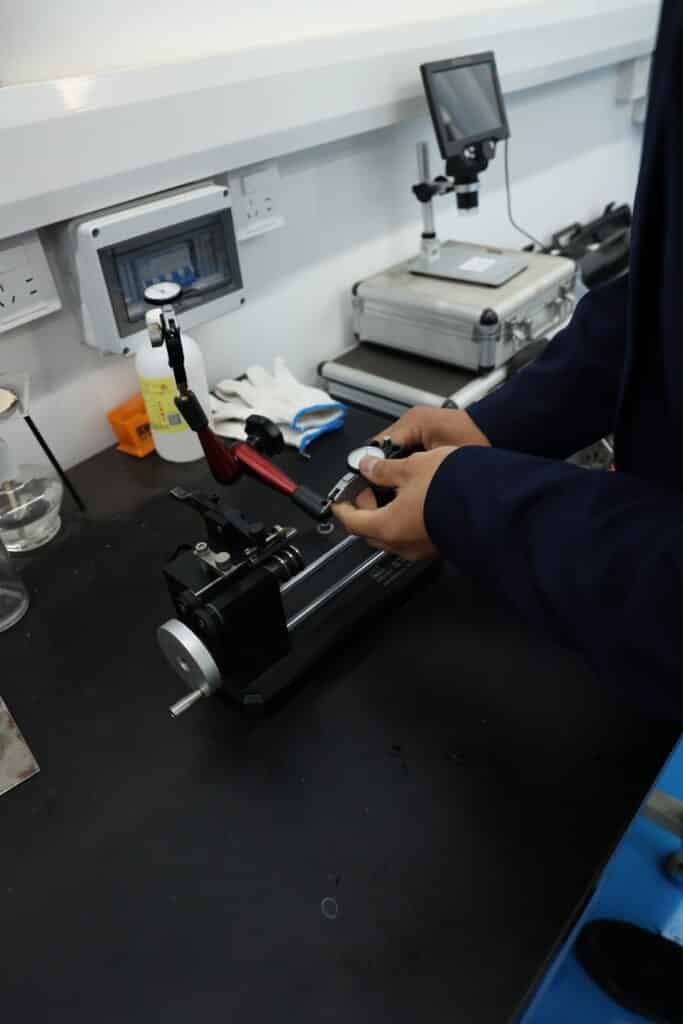
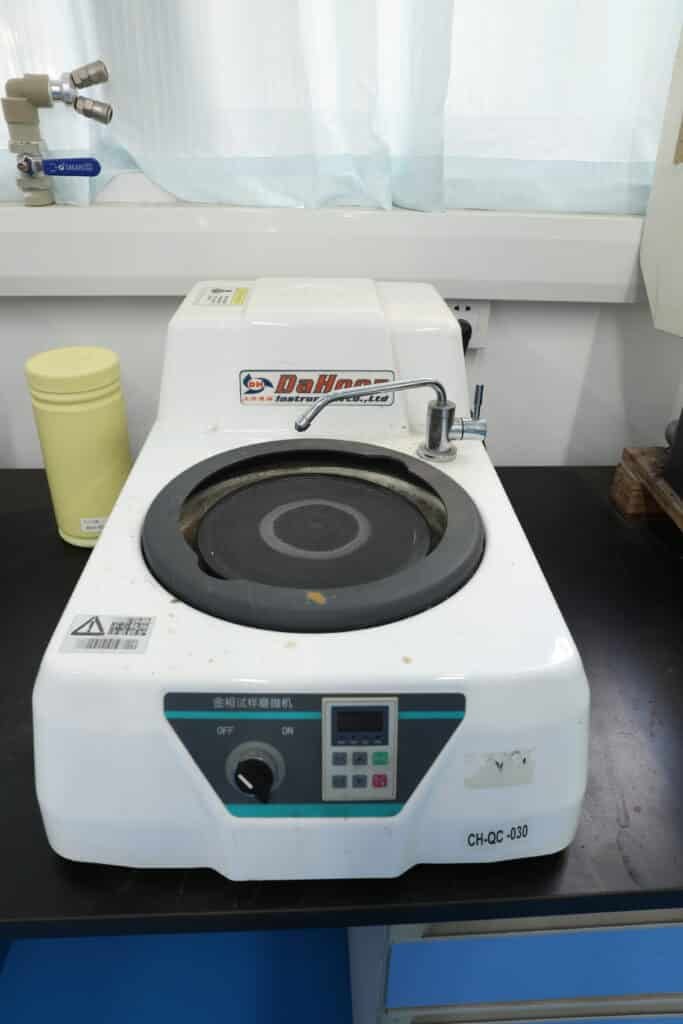
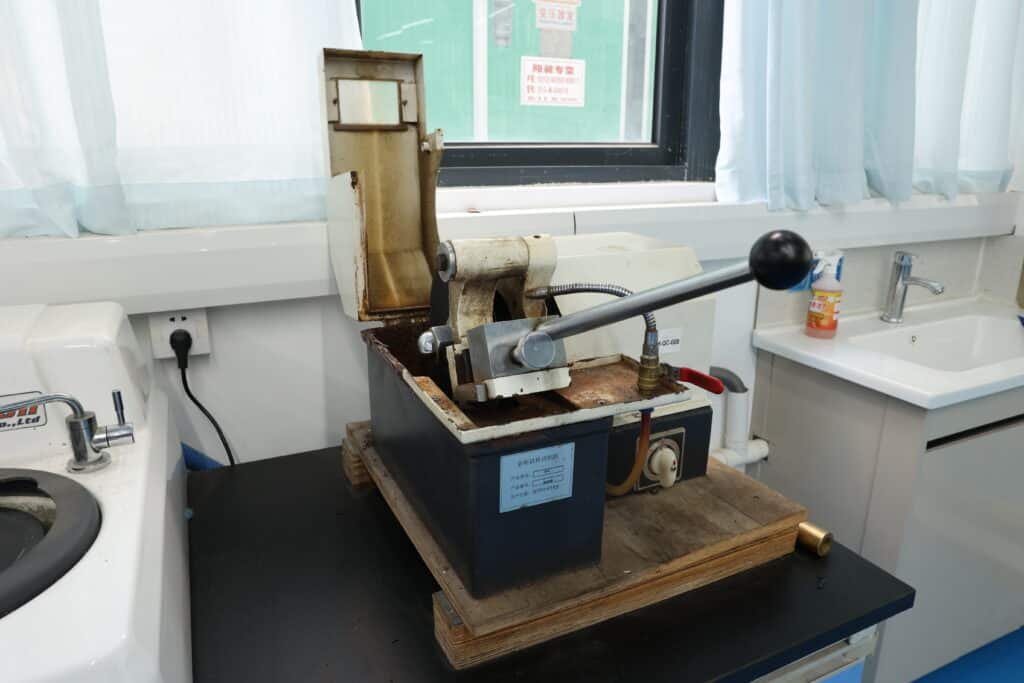
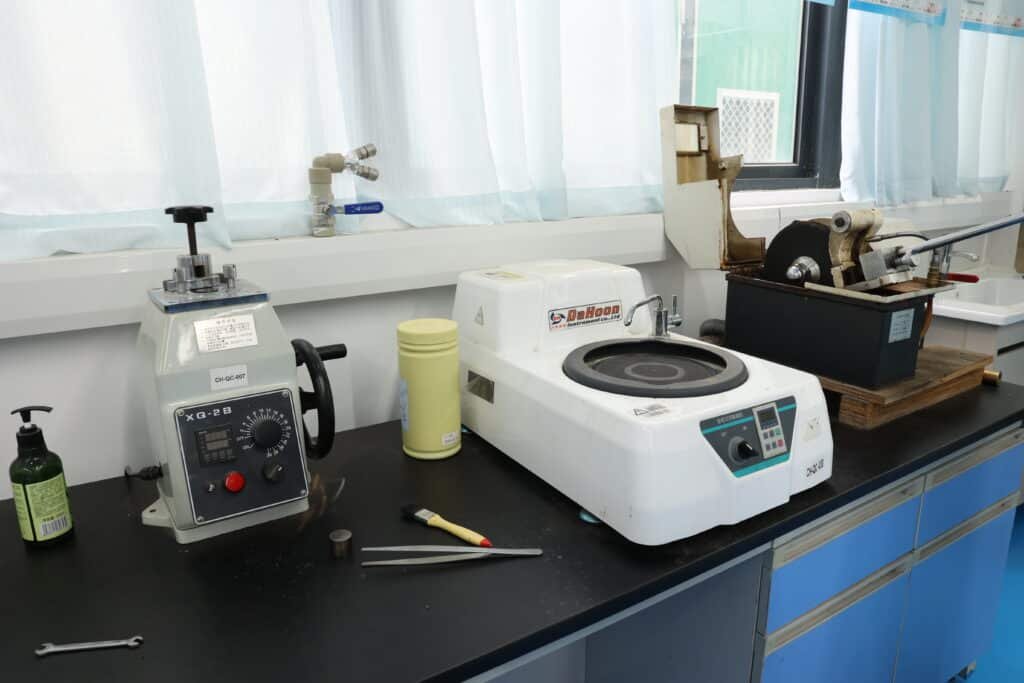
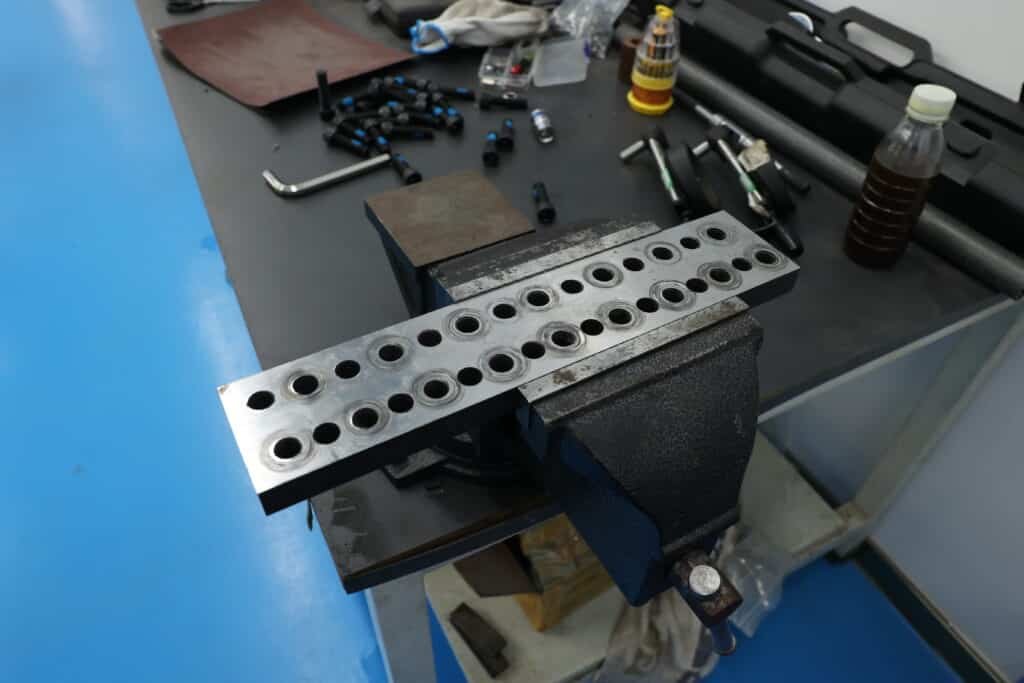
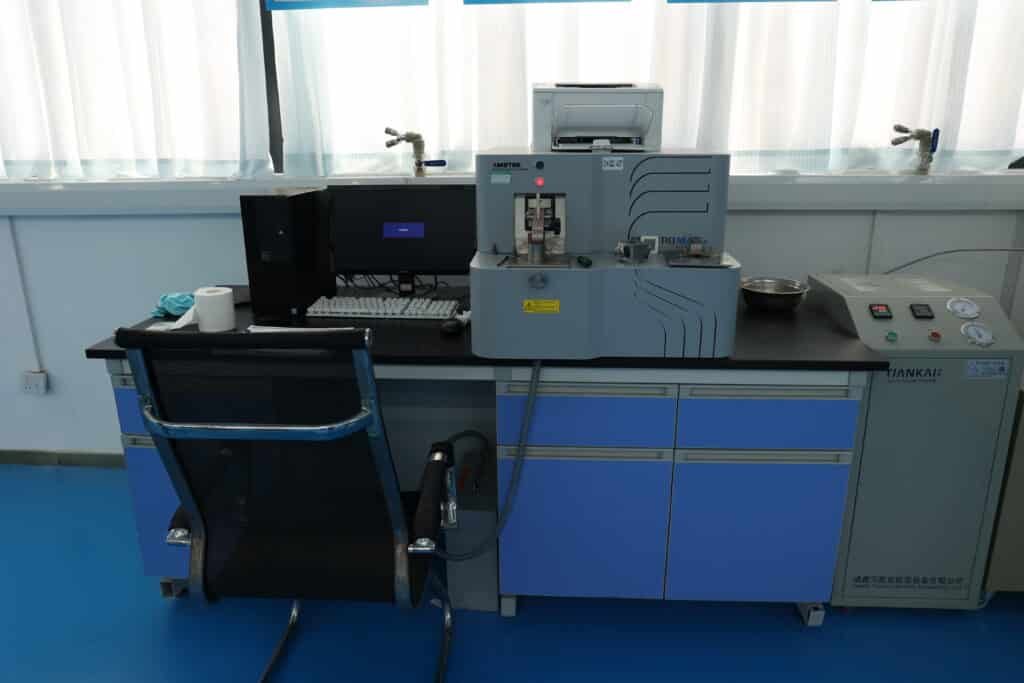
Dimensional and Functional Testing
Thread Measurement verifies pitch, diameter, and profile to specifications. Point Geometry Inspection using optical systems confirms angle and sharpness for proper penetration. Head Dimensions are verified for bearing surface and drive depth specifications.
Performance Testing in Sheet Metal
| Test Type | Purpose | Acceptance Criteria |
|---|---|---|
| Driving Torque | Measures installation resistance | Within specification range ±20% |
| Stripping Torque | Thread strength in metal | Minimum 2x driving torque |
| Pull-Out Force | Axial holding strength | Typically 800-3000N depending on size |
| Tensile Strength | Screw body strength | Meet grade specifications |
| Salt Spray Testing | Corrosion resistance | 240-1000 hours per coating type |
Material and Coating Analysis
Hardness Testing verifies heat treatment (typically HRC 28-45 for sheet metal screws), ensures consistent mechanical properties, and confirms penetration capability without excessive brittleness.
Chemical Composition Analysis using optical emission spectrometry (OES) verifies material grade, ensures batch consistency, and provides traceability documentation.
Coating Thickness Measurement confirms zinc or zinc-flake coating meets specifications (typically 5-15μm), validates corrosion protection capability, and ensures automotive standards compliance.
Statistical Process Control
Real-time SPC monitoring tracks critical dimensions including thread pitch, point angle, and head dimensions, identifies process variations before defects occur, supports Cpk capability studies typically >1.33 for automotive, and provides complete PPAP documentation.
Frequently Asked Questions
How do I select the correct sheet metal screw type?
Selection depends on metal thickness, type, and hole preparation. Type A/AB work well for thin, soft metals under 1.5mm. Type B serves general applications 0.8-2.5mm with sharp cutting action. Type F (thread-forming) is optimal for ductile metals 1.0-3.0mm providing maximum strength. Type 17 (self-drilling) eliminates pre-drilling for 0.8-2.0mm materials. Provide your metal specification and thickness, and our engineering team will recommend the optimal screw type with supporting test data.
What causes stripped threads in sheet metal and how is it prevented?
Thread stripping occurs when driving torque exceeds thread strength in the metal. Prevention includes proper screw size selection for metal thickness (typically screw diameter should be 2.5-3x metal thickness), correct hole size when pre-drilling, appropriate thread design for material (Type F for ductile, Type B for harder metals), controlled installation torque, and adequate thread engagement (minimum 1.5x screw diameter). We provide installation torque specifications based on testing in your specific metal gauge.
What corrosion protection is required for different vehicle areas?
Requirements vary by exposure. Interior structural components typically use zinc plating (240-480 hours salt spray). Exterior body panels require zinc-flake coating (720-1000 hours). Underbody and wheel well areas demand maximum protection with advanced zinc-flake coatings (1000+ hours). Exhaust area components may use stainless steel. We recommend coating based on application and conduct salt spray testing per automotive standards (ASTM B117, GMW 3044).
Can sheet metal screws be reused after removal?
Generally no. Sheet metal screws form threads by cutting or displacing metal during installation. Removal damages both the screw threads and the formed threads in the sheet metal, significantly reducing pull-out strength and reliability. For applications requiring disassembly, we recommend machine screws with weld nuts, rivet nuts, or threaded inserts providing reliable repeated assembly cycles.
Do you meet IATF 16949 requirements for automotive sheet metal screws?
Yes, Keyfix maintains IATF 16949 certification specifically for automotive manufacturing. Our quality system ensures rigorous process controls with statistical process control (SPC), complete traceability from raw material through finished parts, PPAP documentation including dimensional reports, material certifications, and performance test results, driving torque and pull-out testing in customer-specified materials, salt spray testing per automotive standards, and compliance with OEM-specific requirements.
What are typical lead times for automotive sheet metal screws?
For standard configurations, prototypes require 2-3 weeks including first article inspection. Custom designs need 3-4 weeks for tooling development. Initial production runs take 3-4 weeks for setup and quality validation. Once established, repeat orders are fulfilled in 2-3 weeks depending on quantity. We maintain strategic inventory for high-volume automotive customers supporting just-in-time delivery schedules and kanban programs.
Keyfix: Your Trusted China Automotive Sheet Metal Screws Factory
IATF 16949 Certified Manufacturer Since 2007
Established in 2007, Keyfix specializes in automotive sheet metal screws for global OEMs and Tier 1 suppliers. Our China factory features advanced cold heading equipment, precision thread rolling machines, heat treatment facilities, coating lines, and comprehensive quality systems. With IATF 16949 certification, we deliver sheet metal screws meeting stringent automotive requirements with full PPAP support and JIT delivery capability.
Start Your Automotive Sheet Metal Screws Project Today
Whether developing new vehicle assemblies, optimizing production, or requiring a qualified automotive supplier, Keyfix delivers the precision and reliability your applications demand. Contact us with your specifications for material recommendations, coating options, and comprehensive quotations.
Contact Keyfix today—your trusted IATF 16949 certified China automotive sheet metal screws manufacturer.