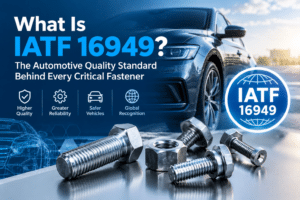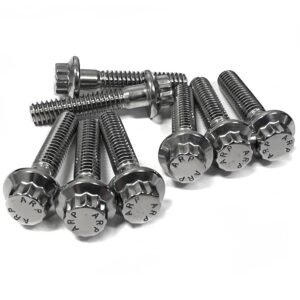
Automotive stainless steel screws are premium corrosion-resistant fasteners designed for vehicle applications requiring exceptional durability, attractive appearance, and long-term reliability without protective coatings. These specialized screws serve exterior trim, underbody components, fuel systems, exhaust assemblies, and interior accents where corrosion resistance, aesthetic quality, and maintenance-free performance are essential. As an IATF 16949 certified China automotive screws manufacturer, Keyfix delivers precision stainless steel screws engineered for demanding automotive environments worldwide.
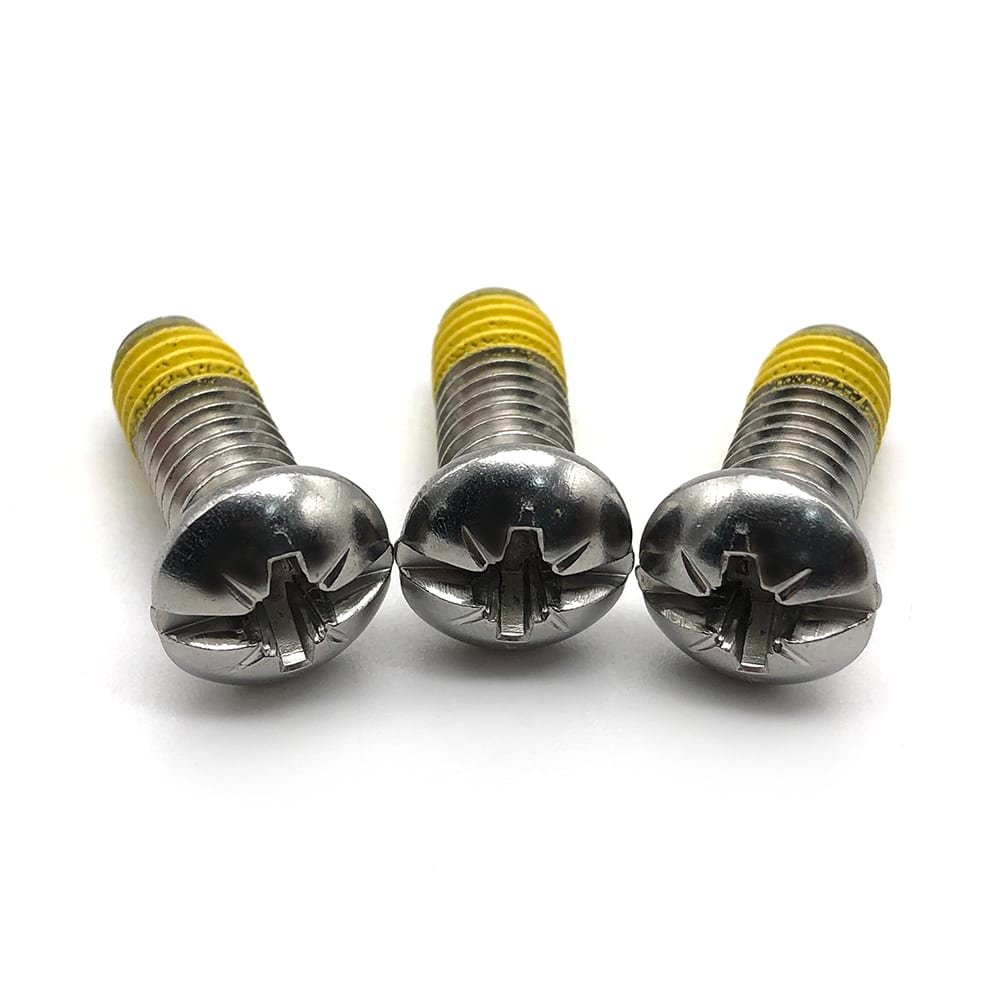
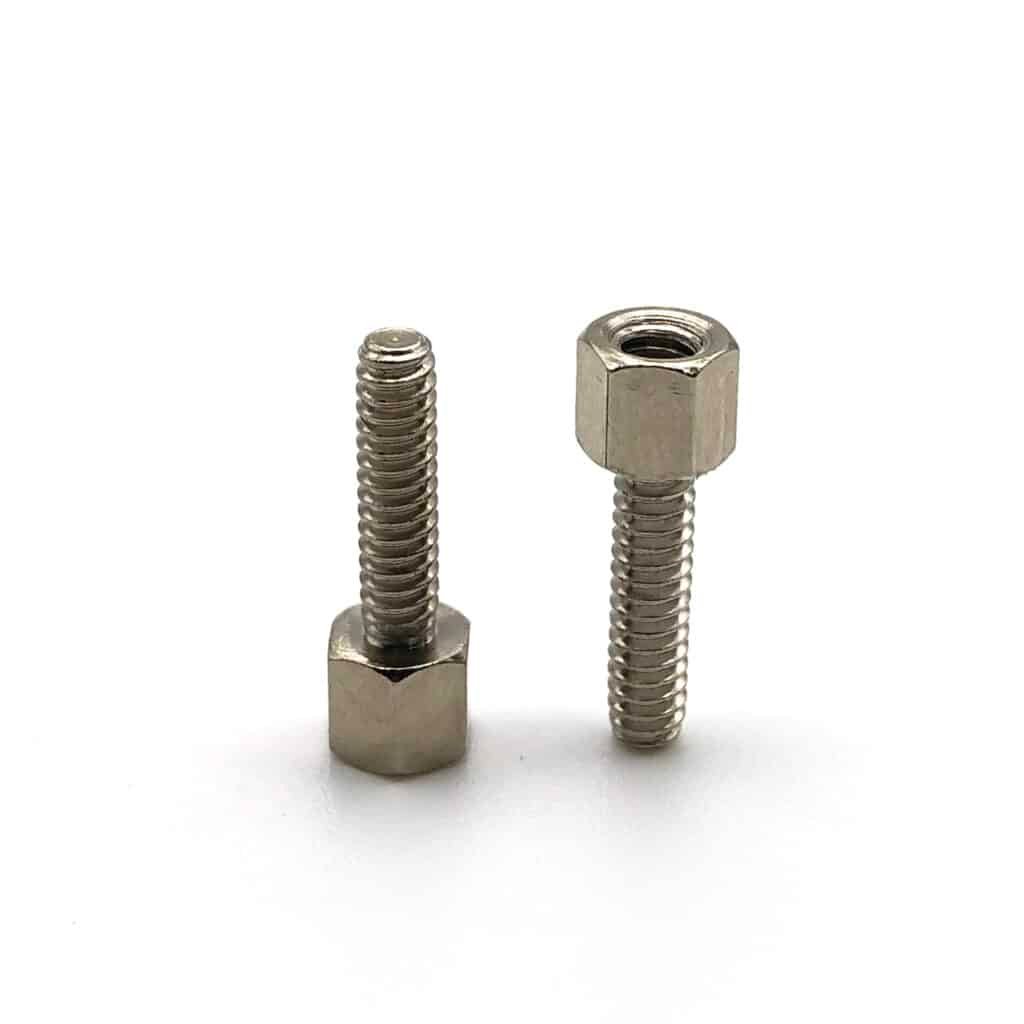
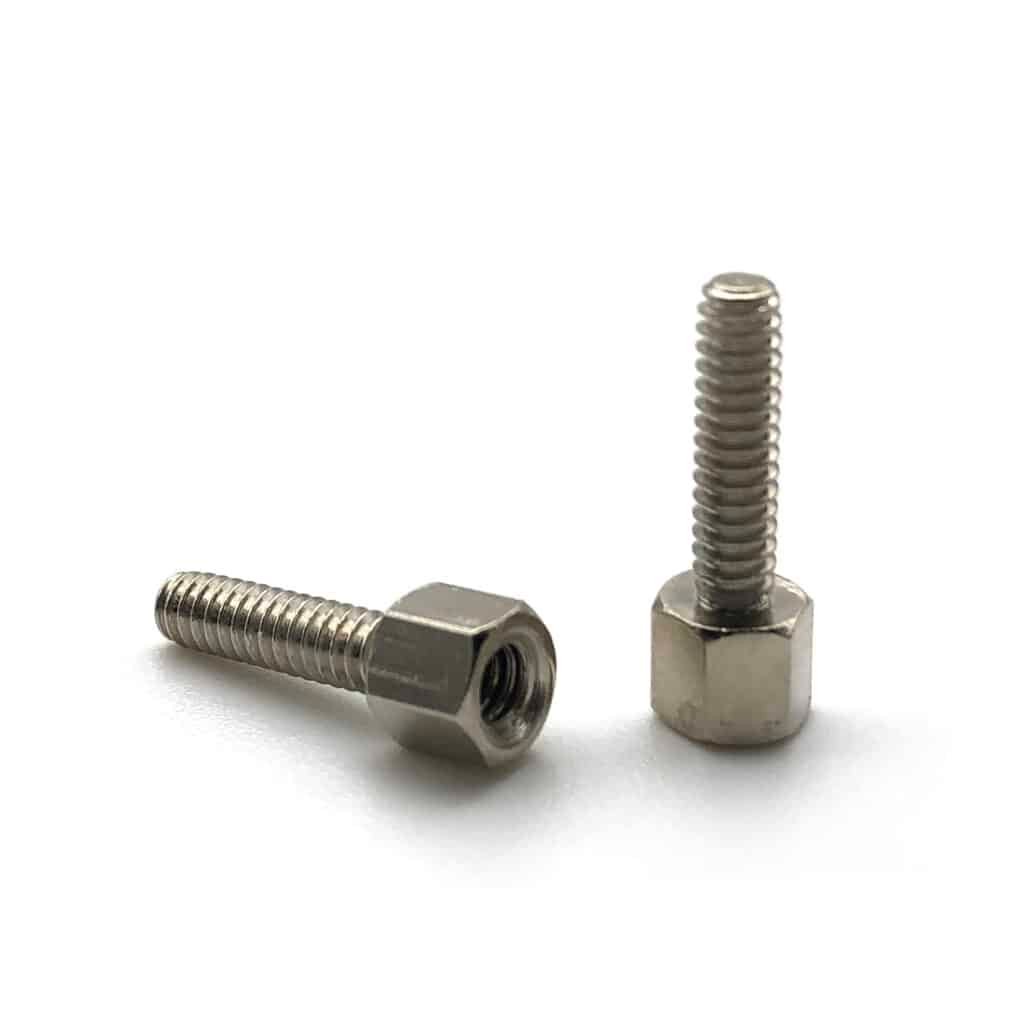
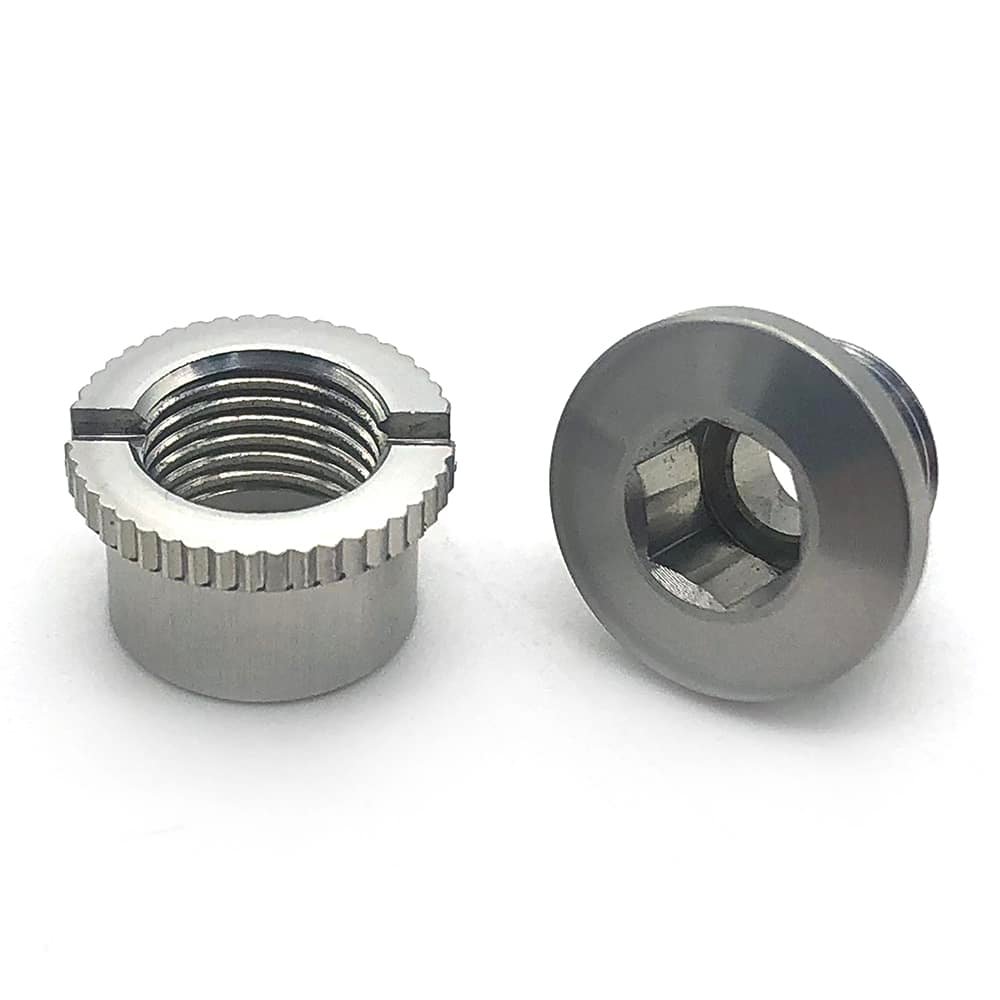
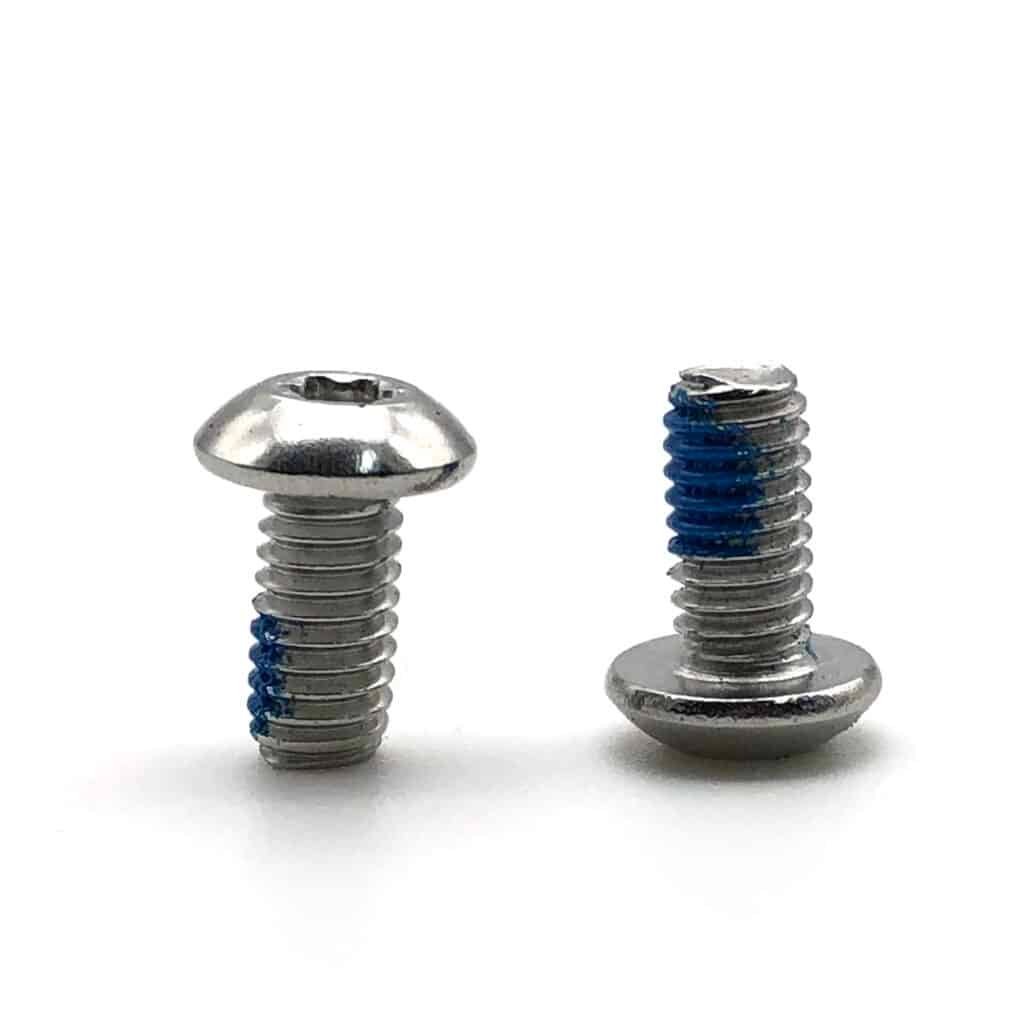
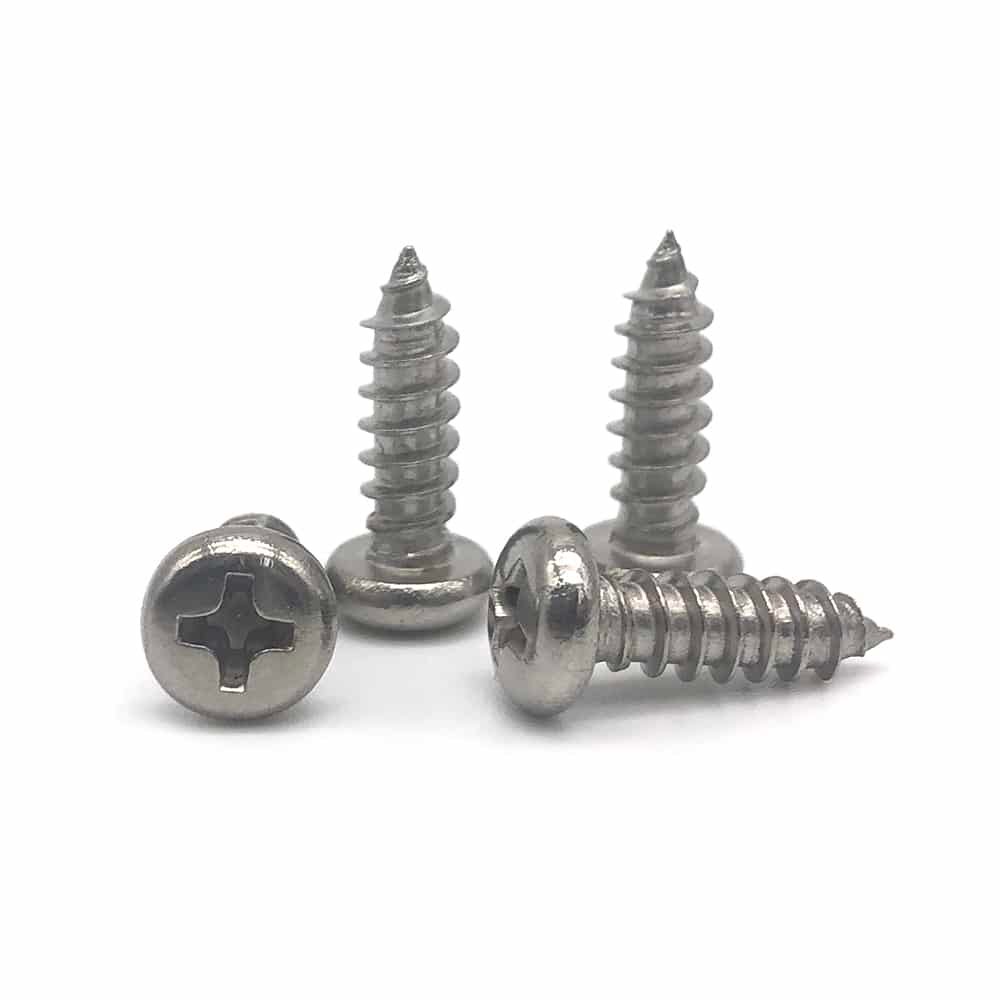
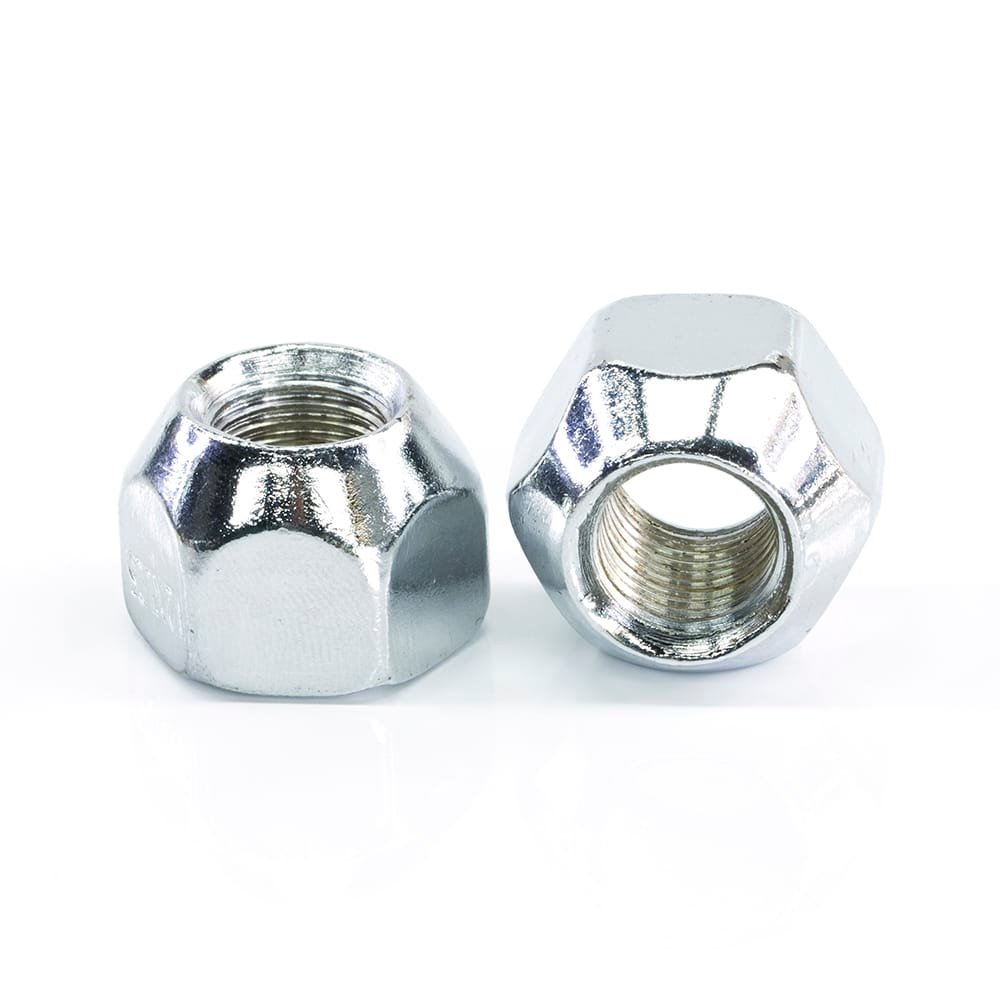
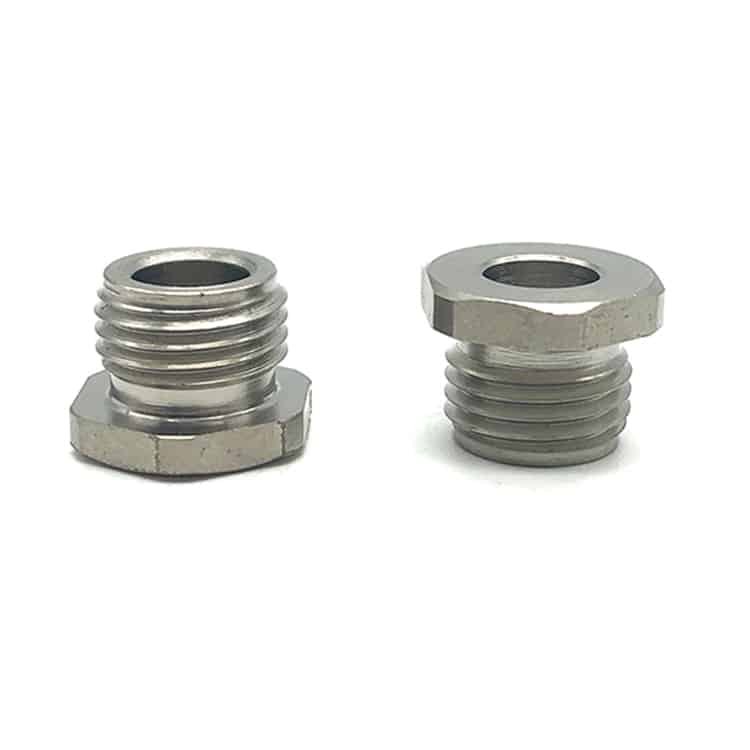
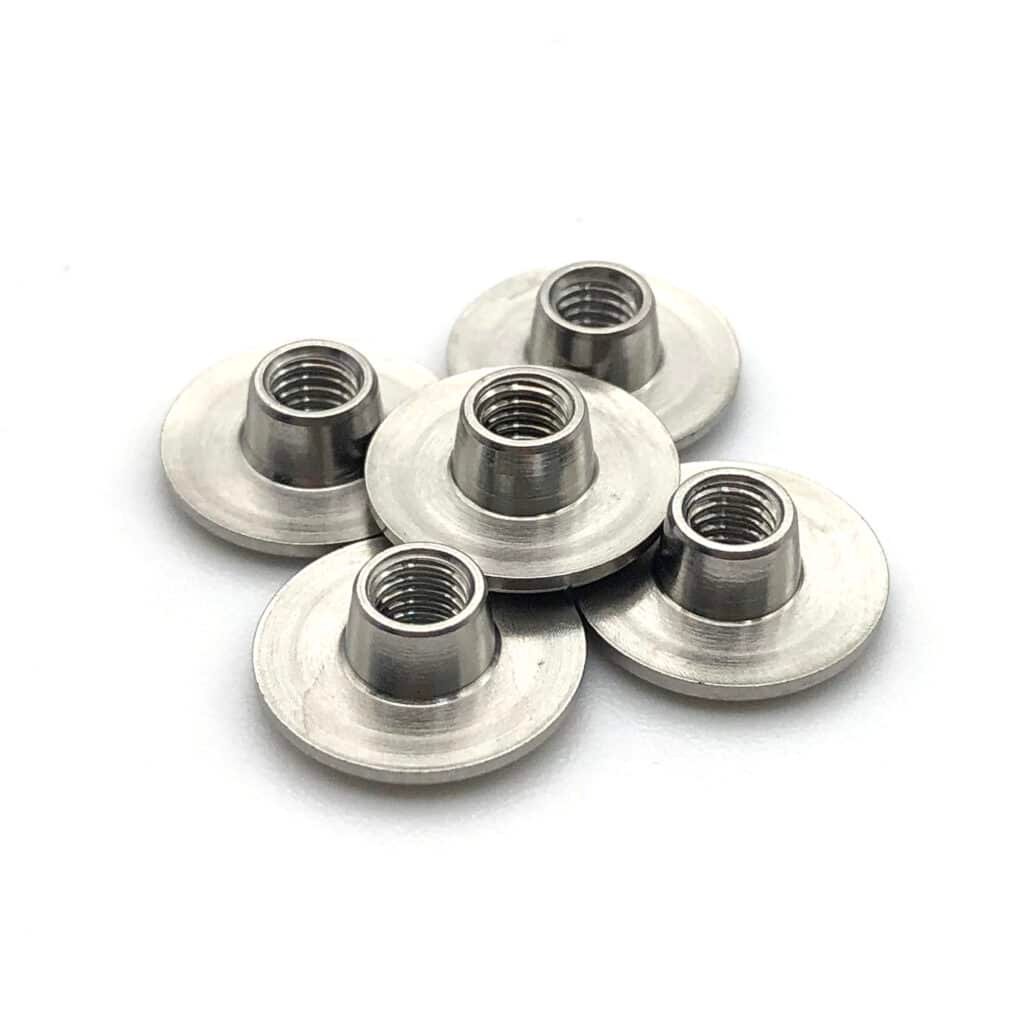
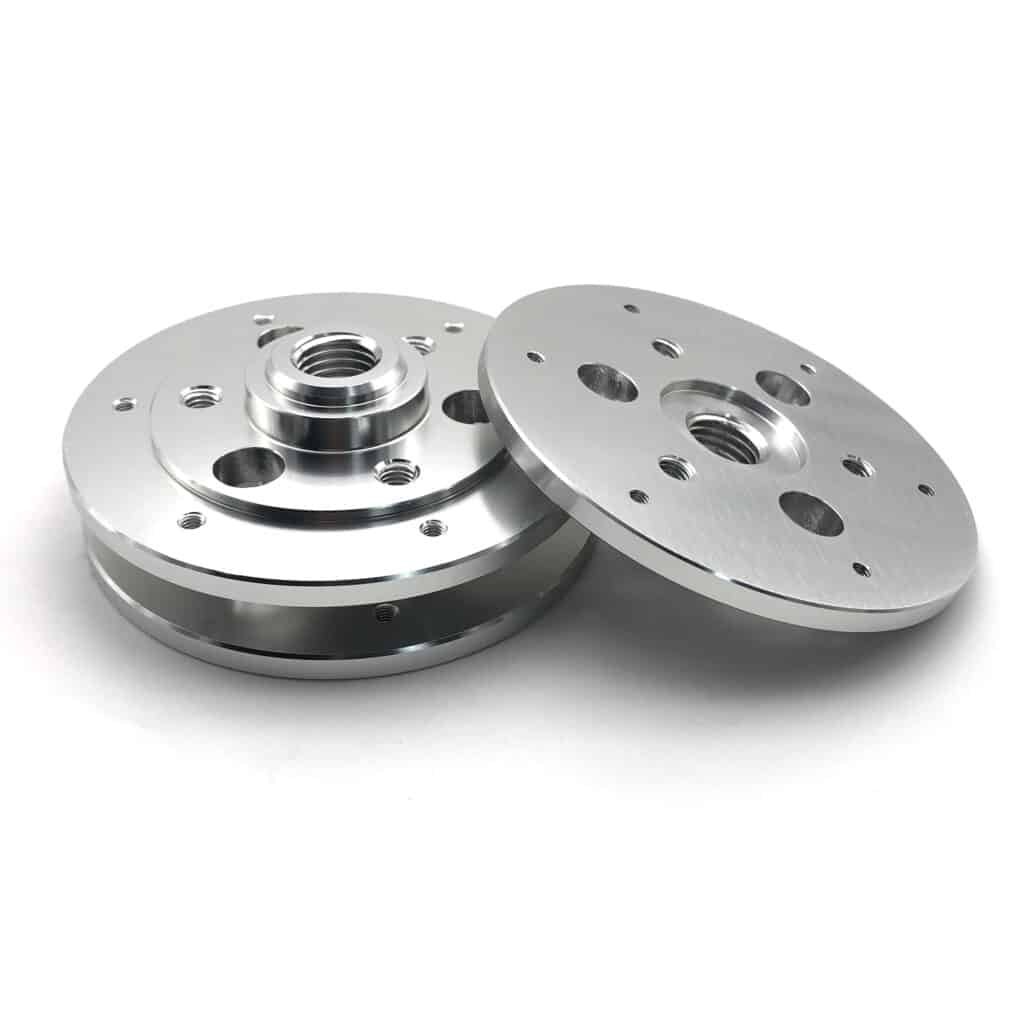
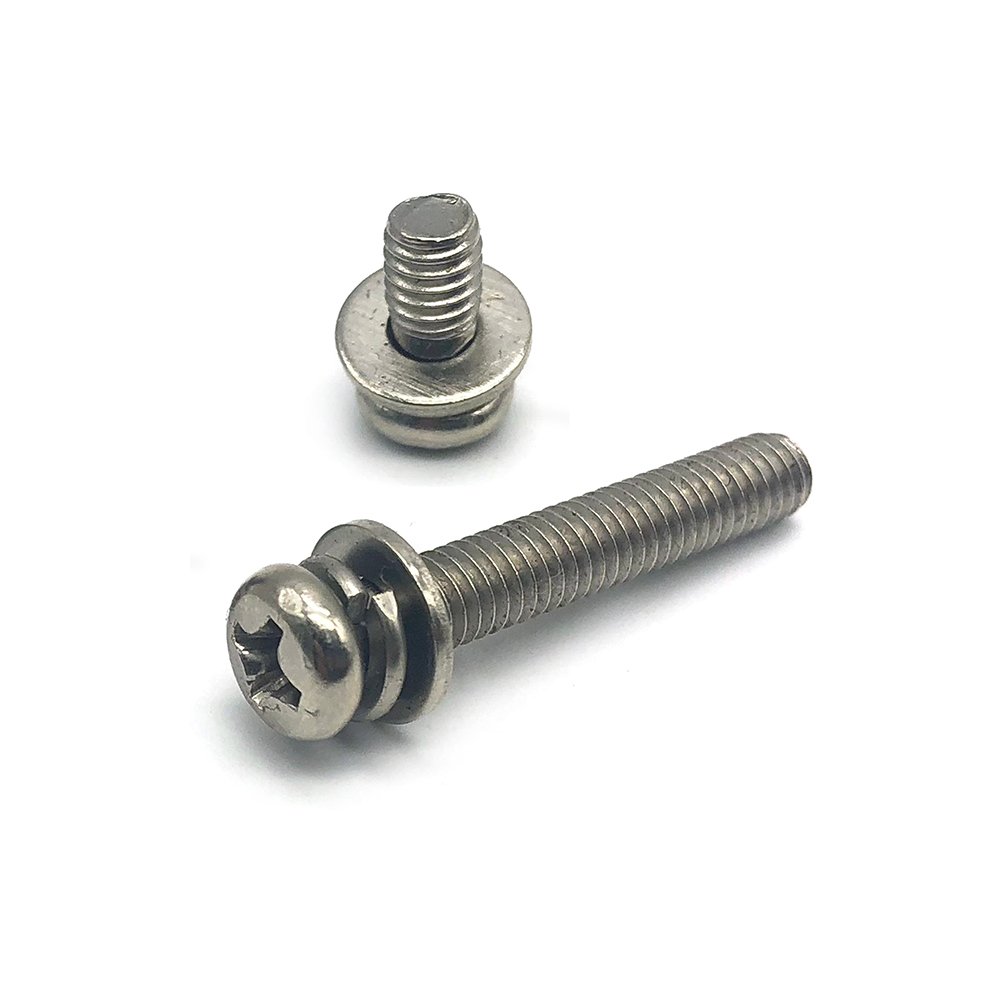
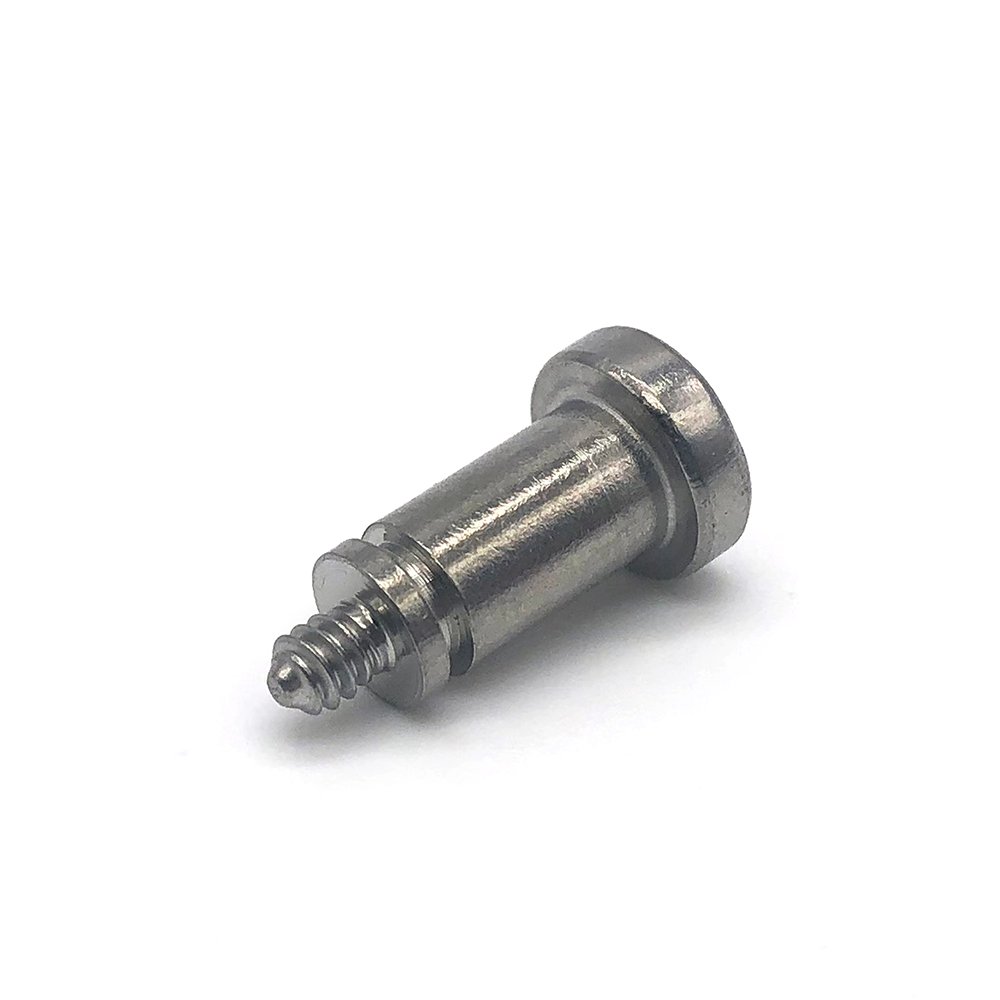
Product Introduction: Automotive Stainless Steel Screws Explained
Understanding Stainless Steel for Automotive Applications
Stainless steel fasteners offer unique advantages for automotive use including superior corrosion resistance without coating requirements eliminating coating degradation concerns, attractive natural appearance complementing modern vehicle design, non-magnetic properties preventing electronic interference in critical systems, long-term durability maintaining performance throughout vehicle life, and premium quality perception enhancing brand value. Explore our comprehensive automotive fastener solutions including specialized stainless steel options for various applications.
Automotive stainless steel screws must meet stringent requirements including excellent corrosion resistance for weather, salt, and chemical exposure, adequate strength for structural and safety applications, dimensional precision for automated assembly and proper fit, superior surface finish for aesthetic and functional performance, and compliance with automotive quality standards including IATF 16949.
Why Choose Custom Automotive Stainless Steel Screws?
Standard stainless steel screws serve general purposes, but automotive manufacturing often demands specifications beyond catalog offerings. Custom manufacturing from a specialized China automotive factory allows you to specify exact stainless steel grade for specific environments (304, 316, 410, 430), thread designs optimized for materials and applications, precise dimensions for aesthetic fitment and function, specialized head styles for appearance and clearance, drive types for assembly efficiency or security, and unique finishes including polished, brushed, or passivated surfaces. View our complete product portfolio for precision stainless steel automotive components.
Modern vehicles increasingly utilize stainless steel fasteners in visible applications, harsh environments, lightweight electric vehicles, and premium vehicle segments where quality and longevity justify premium materials.
Manufacturing Technologies for Automotive Stainless Steel Screws
CNC Machining
CNC Machining provides precision manufacturing for complex stainless steel screw designs, offering tight tolerances (±0.01mm to ±0.02mm) for critical aesthetic and functional dimensions, superior surface finish (Ra 0.4-1.6μm) for polished or brushed appearances, multi-axis capability for intricate geometries and custom features, and compatibility with all stainless steel grades including difficult-to-machine austenitic and precipitation-hardening alloys.
CNC machining excels at producing decorative trim screws with precise head profiles, specialty fasteners with unique geometries, small to medium production volumes for premium vehicles, and prototypes for design validation. The precision and flexibility of CNC machining enables exact replication of design intent for visible automotive applications. Learn more about our advanced CNC machining capabilities for stainless steel components.
Cold Heading
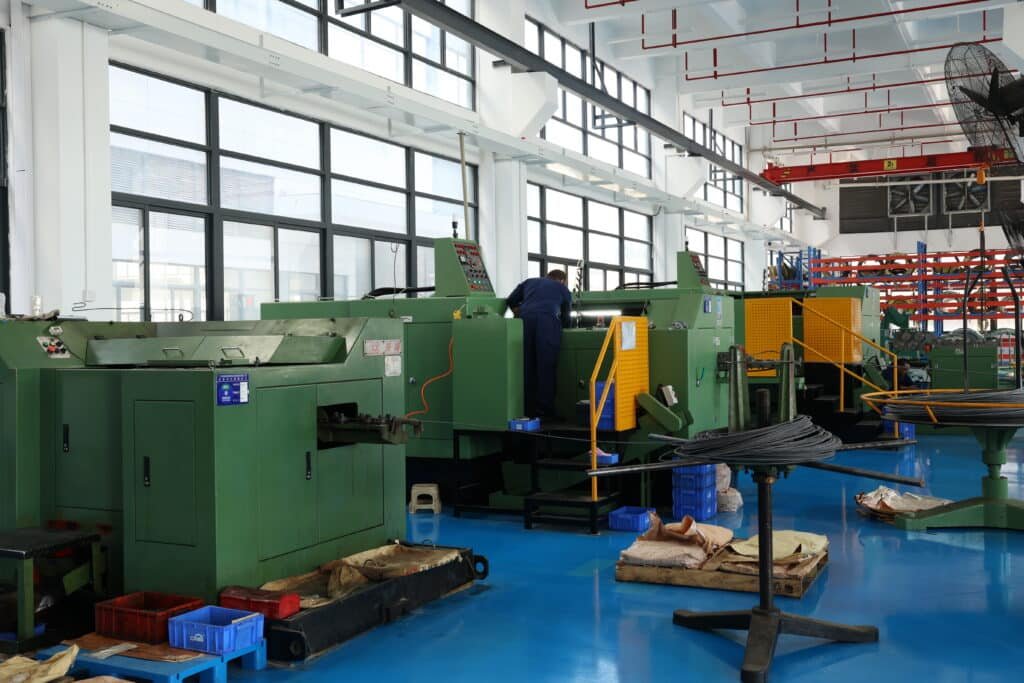
Cold Heading produces automotive stainless steel screws efficiently through room-temperature forming, creating consistent head and thread geometry for uniform appearance, work hardening increasing strength in austenitic grades (304, 316), excellent material utilization minimizing expensive stainless steel waste, and cost-effective high-volume production for automotive assembly lines.
Cold heading is ideal for high-volume standard configurations, general-purpose fasteners in stainless steel, applications where moderate strength is adequate, and cost-sensitive programs requiring stainless corrosion resistance. Modern cold heading equipment handles austenitic stainless steels (304, 316) and martensitic grades (410, 430) efficiently for automotive production. Discover our cold forging technology optimized for stainless steel fastener manufacturing.
Secondary Operations enhance stainless steel screw performance through thread rolling for superior thread strength and finish, passivation maximizing corrosion resistance by enhancing protective oxide layer, electropolishing for ultra-smooth surfaces and maximum corrosion protection, and specialized finishing including brushing, polishing, or bead blasting for aesthetic requirements.
Stainless Steel Grade Selection for Automotive Applications
Austenitic Stainless Steel Grades (300 Series)
| Grade | Corrosion Resistance | Strength | Magnetic | Machinability | Primary Automotive Uses |
|---|---|---|---|---|---|
| 304 | Excellent | Moderate (σ≈500 MPa) | Non-magnetic | Good | General trim, interior, fuel systems |
| 316 | Superior | Moderate (σ≈500 MPa) | Non-magnetic | Good | Marine, coastal, severe environments |
| 303 | Good | Moderate (σ≈500 MPa) | Non-magnetic | Excellent | High-volume production parts |
| 18-8 | Excellent | Moderate (σ≈500 MPa) | Non-magnetic | Good | Cost-effective alternative to 304 |
304 Stainless Steel is the standard automotive grade offering excellent corrosion resistance for most environments, good formability for manufacturing, attractive appearance with bright or brushed finish, austenitic non-magnetic properties, and optimal balance of performance and cost. Grade 304 serves exterior trim, interior accents, fuel system components, and general corrosion-resistant applications.
316 Stainless Steel provides superior corrosion resistance for chloride environments and marine exposure, excellent resistance to pitting and crevice corrosion, premium durability for coastal and snow-belt vehicles, molybdenum addition enhancing corrosion protection, and justifies premium cost for harsh environment applications. Grade 316 serves coastal market vehicles, underbody exposed fasteners, exhaust system components, and maximum longevity applications.
Martensitic Stainless Steel Grades (400 Series)
| Grade | Corrosion Resistance | Strength | Magnetic | Heat Treatment | Applications |
|---|---|---|---|---|---|
| 410 | Good | High (σ≈700-900 MPa) | Magnetic | Hardenable | Structural, high-strength needs |
| 416 | Good | High (σ≈700 MPa) | Magnetic | Hardenable | Free-machining, production |
| 430 | Good | Moderate (σ≈500 MPa) | Magnetic | Non-hardenable | Decorative, cost-effective |
410 Stainless Steel delivers higher strength than 300 series through heat treatment (HRC 35-45), good corrosion resistance with protective finish, magnetic properties acceptable for many applications, and cost advantage over austenitic grades. Grade 410 serves structural screws requiring high strength, applications where magnetism is acceptable, and cost-sensitive programs needing corrosion resistance with strength.
430 Stainless Steel offers good corrosion resistance for interior and moderate exterior use, ferritic structure providing dimensional stability, lower cost than austenitic grades, attractive appearance for decorative applications, and magnetic properties. Grade 430 serves interior decorative trim, cost-effective exterior applications, and general-purpose stainless fasteners.
Automotive Stainless Steel Screw Applications
Exterior Trim and Badging
Stainless steel screws serve critical aesthetic functions including brand emblems and nameplate mounting, decorative trim strip attachment, chrome or satin trim pieces, mirror housing and door handle mounting, and grille assembly and accent pieces. Explore our lightweight fastener solutions for premium vehicle applications requiring both corrosion resistance and weight optimization.
Requirements: Superior corrosion resistance for all-weather exposure and car wash chemicals, attractive appearance complementing vehicle design and finish, precise dimensions for tight gaps and professional fitment, secure mounting preventing theft or loss, UV stability maintaining appearance over vehicle life, and compatibility with various trim materials.
Typical Specifications: Grades 304 or 316, M3-M6 sizes, button head or flat head styles, polished or brushed finishes, Torx or hex socket drives.
Underbody and Exhaust Systems
Underbody applications demand maximum corrosion resistance including heat shield mounting in high-temperature zones, exhaust system hanger brackets and connections, catalytic converter mounting hardware, underbody protection panel attachment, fuel tank shield and component mounting, and brake line routing brackets.
Requirements: Extreme corrosion resistance for road salt and moisture exposure, heat resistance for exhaust system applications (up to 600°C for 316 SS), vibration resistance in harsh underbody environment, proven salt spray testing (500-1000 hours), compatibility with dissimilar metals preventing galvanic corrosion, and long-term reliability reducing warranty claims.
Typical Specifications: Grade 316 or 321 for exhaust, M6-M12 sizes, hex head or flange head, passivated or as-supplied finish.
Fuel System Components
Fuel systems benefit from stainless steel’s corrosion resistance including fuel line mounting brackets and clips, fuel pump assembly fasteners, fuel filter housing attachment, fuel rail mounting hardware, fuel door hinge and latch components, and vapor recovery system connections.
Requirements: Compatibility with gasoline, diesel, and ethanol fuel blends, corrosion resistance preventing contamination or leakage, non-magnetic properties for fuel sender applications, precise dimensions for leak-free connections, long-term reliability in fuel environment, and compliance with fuel system safety standards.
Typical Specifications: Grades 304 or 316, M4-M8 sizes, various head styles, passivated finish for maximum protection.
Interior Accent and Control Panels
Interior applications leverage stainless steel’s aesthetic qualities including dashboard trim bezel attachment, control panel surrounds and accents, door panel decorative elements, center console trim pieces, speaker grille decorative fasteners, and ambient lighting trim mounting.
Requirements: Premium aesthetic appearance for high-visibility areas, consistent finish quality across production, precise dimensional control for tight gaps, corrosion resistance for long-term appearance, compatibility with various interior materials, and quiet operation without rattles.
Typical Specifications: Grades 304 or 303, M3-M5 sizes, button or low head styles, polished or brushed finish, aesthetic drive types.
Door Hinges and Closures
Stainless steel serves hinge and closure applications including door hinge mounting bolts, door striker plates and latches, hood and trunk hinge fasteners, tailgate and liftgate hardware, and weatherstrip retention fasteners.
Requirements: Adequate strength for door operation loads, corrosion resistance for moisture exposure in door cavities, fatigue resistance for repeated door cycling, precise fit for proper door alignment, quiet operation throughout vehicle life, and proven durability in salt spray and humidity testing.
Typical Specifications: Grades 304 or 410, M6-M10 sizes, hex or flange head, passivated finish.
Electrical and Sensor Mounting
Electrical applications benefit from stainless corrosion resistance including sensor mounting hardware and brackets, electrical grounding studs requiring corrosion-free contact, wiring harness retention clips, battery terminal and cable fasteners, and electronic control module mounting.
Requirements: Corrosion resistance ensuring reliable electrical contact, non-magnetic properties for sensor applications (300 series), precise dimensions for proper grounding, compatibility with electronic components, vibration resistance for sensor accuracy, and long-term reliability.
Typical Specifications: Grades 304 or 316 (non-magnetic), M4-M8 sizes, various configurations, passivated or electropolished.
Surface Finishes and Treatments for Stainless Steel Screws
Standard Finishes
Mill Finish (As-Supplied) provides natural stainless appearance suitable for many applications, cost-effective requiring no additional processing, adequate corrosion resistance for most environments, and standard choice for non-visible applications.
Passivated Finish maximizes corrosion resistance through enhanced chromium oxide layer formation, removes free iron contamination from machining or forming, meets automotive and aerospace standards (ASTM A967), provides superior long-term protection, and recommended for all critical stainless applications.
Premium Aesthetic Finishes
Polished/Bright Finish delivers mirror-like reflective surface for premium appearance, highlights design elements and brand quality, requires careful handling maintaining finish, and serves visible trim and decorative applications.
Brushed/Satin Finish offers contemporary matte appearance with directional grain, hides minor handling marks and scratches, provides uniform professional look, popular in modern vehicle interiors, and serves control panels and accent trim.
Bead Blasted Finish creates uniform matte surface texture, provides non-reflective appearance, offers contemporary industrial aesthetic, and serves minimalist modern designs.
Electropolished Finish achieves ultra-smooth surface (Ra 0.2-0.4μm), maximizes corrosion resistance through surface smoothing, provides brilliant reflective appearance, and represents premium finish option for luxury vehicles.
Inspection Methods for Automotive Stainless Steel Screws
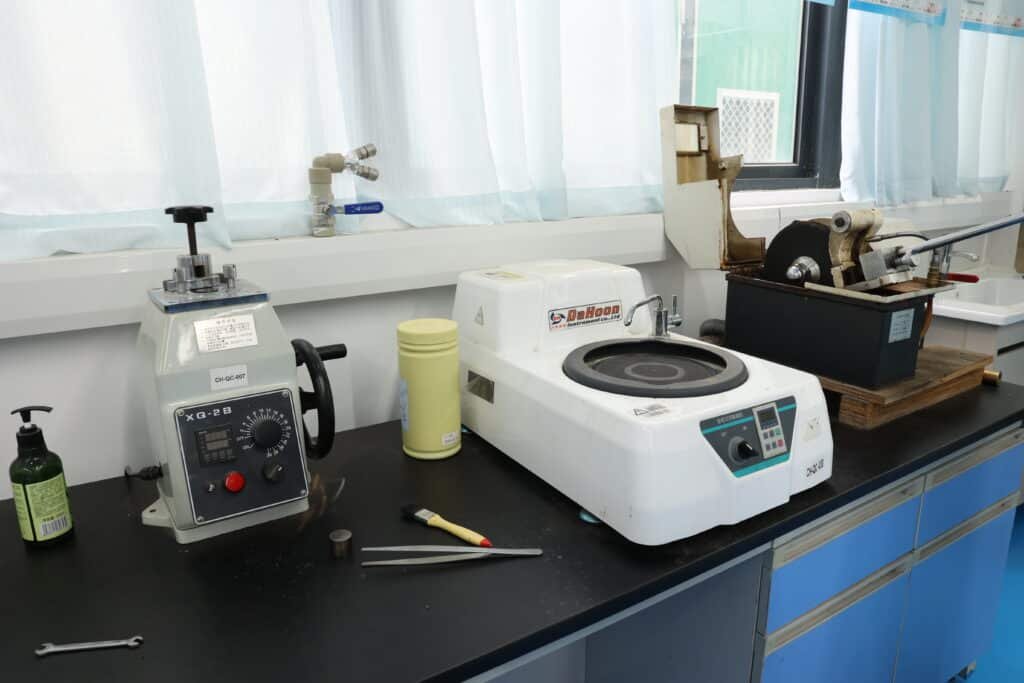
Material Verification and Grade Confirmation
Positive Material Identification (PMI) using X-ray fluorescence (XRF) spectroscopy verifies stainless steel grade composition, confirms 304, 316, 410, or other specified grades, detects grade substitution or mixing, provides non-destructive testing, and ensures material traceability. PMI testing validates chromium content (16-18% typical), nickel content (8-10% for austenitic), molybdenum in 316 grade (2-3%), and other alloying elements.
Chemical Composition Analysis using optical emission spectrometry (OES) provides precise elemental analysis, verifies compliance with grade specifications (ASTM, EN standards), ensures batch consistency and traceability, and documents material certification for automotive quality systems.
Dimensional and Surface Quality Inspection
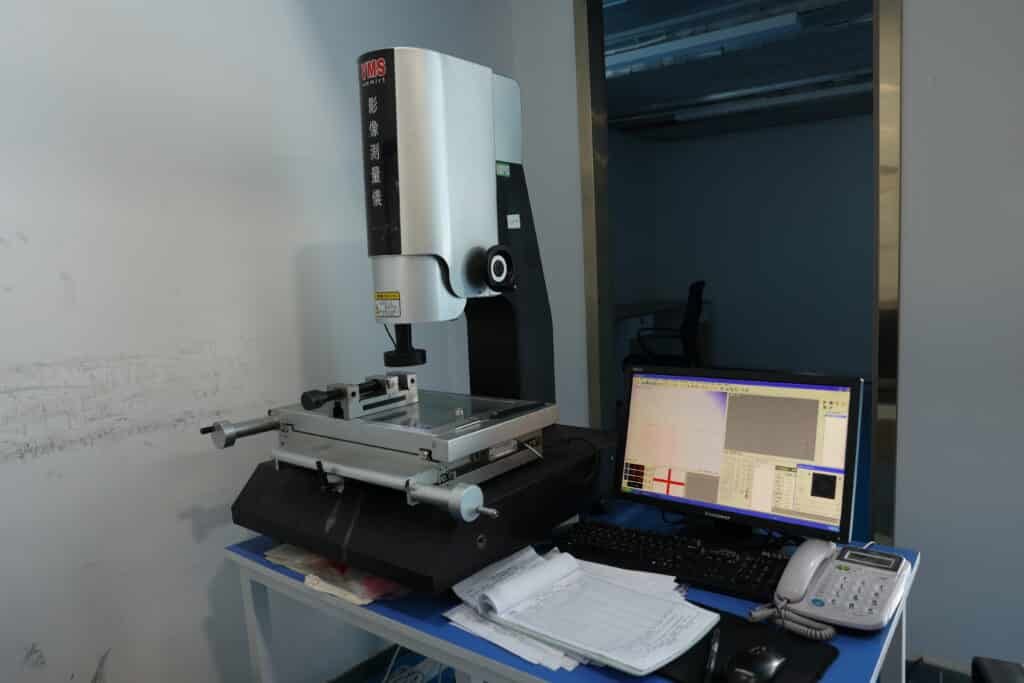
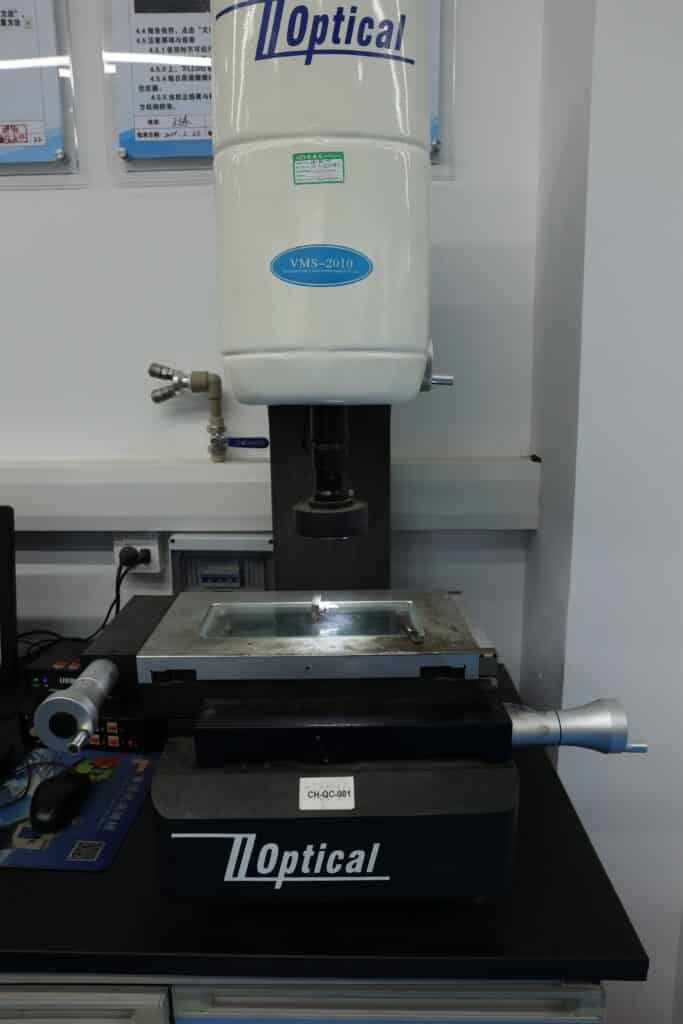
Dimensional Verification confirms critical dimensions including head diameter and height, thread pitch and diameter, overall length, and special features to ±0.05mm tolerances typical for automotive applications.
Surface Finish Measurement using profilometry validates Ra values (0.4-3.2μm depending on application), ensures aesthetic quality consistency, confirms polished or brushed finish specifications, and documents surface quality for visible applications.
Corrosion Resistance Testing
| Test Type | Purpose | Standard | Acceptance Criteria |
|---|---|---|---|
| Salt Spray (Neutral) | General corrosion resistance | ASTM B117 | 500+ hours no red rust (304/316) |
| Salt Spray (Acetic Acid) | Accelerated testing | ASTM G85 Annex A3 | Per customer specification |
| Humidity Testing | Moisture resistance | ISO 6270 | No corrosion after cycles |
| Cyclic Corrosion | Automotive environments | GMW 14872, VW PV 1210 | Pass automotive standards |
| Electrochemical Testing | Pitting resistance | ASTM G61 | Pitting potential verification |
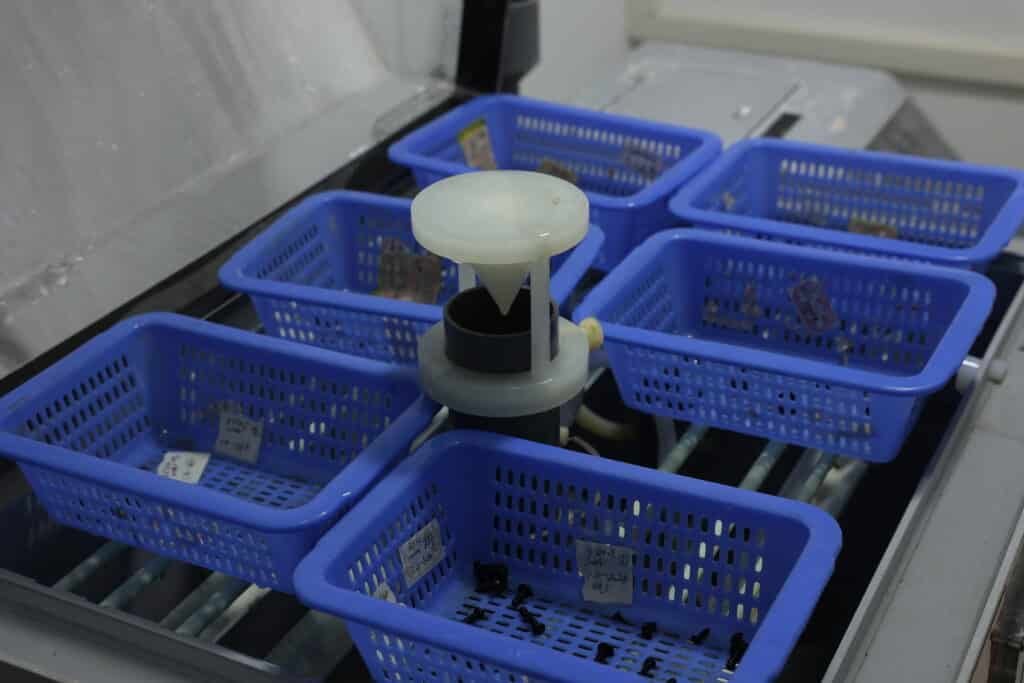
Passivation Validation confirms passivation effectiveness through copper sulfate test per ASTM A380, validates enhanced corrosion resistance, ensures compliance with passivation standards, and documents treatment for quality records.
Mechanical Properties Testing
Tensile Testing verifies minimum tensile strength (500 MPa for 304/316, 700+ MPa for 410), confirms yield strength and elongation, validates material grade mechanical properties, and ensures structural adequacy.
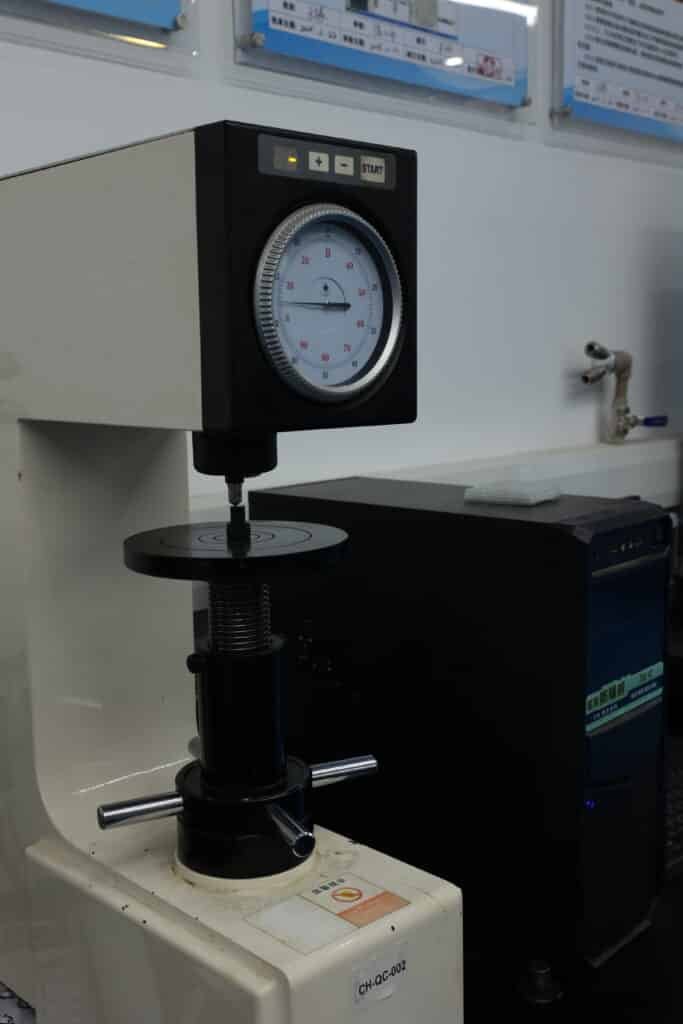
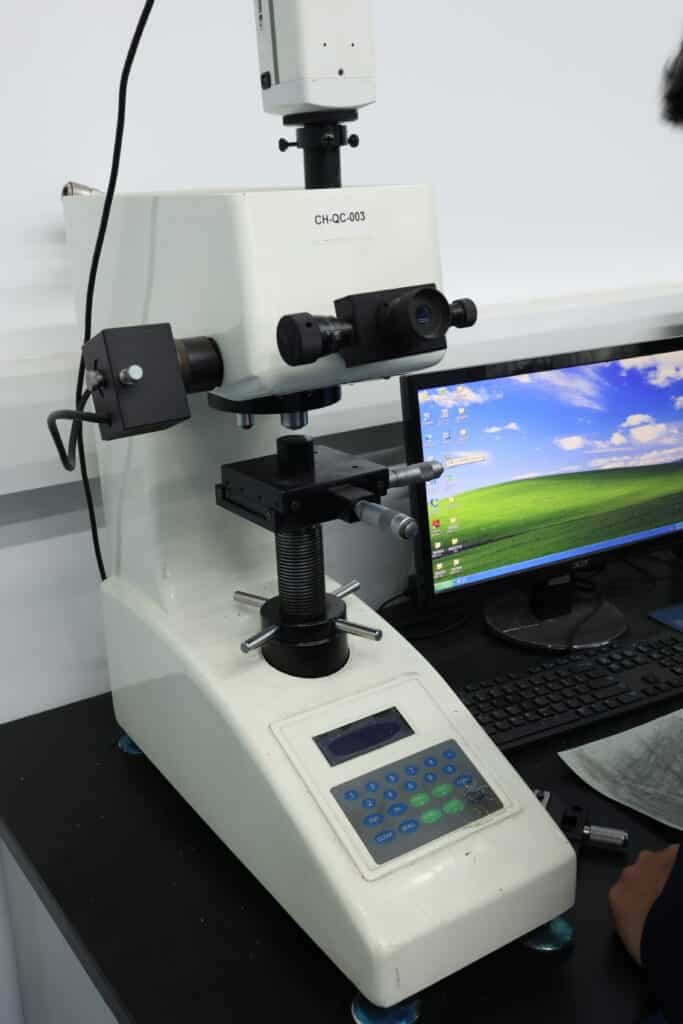
Hardness Testing measures Rockwell hardness (HRB 85-95 for austenitic, HRC 35-45 for hardened 410), verifies heat treatment for martensitic grades, ensures consistency across production batches, and validates material properties.
Functional Performance Testing
Galling Resistance Testing evaluates tendency for cold welding during installation, validates lubrication or coating effectiveness, confirms installation torque specifications, and prevents field assembly problems. Galling is a concern with stainless-on-stainless installations requiring proper lubrication or coatings.
Magnetic Permeability Testing for 300 series confirms non-magnetic properties (μr < 1.02 typical), validates grade for sensor applications, detects martensitic contamination, and ensures electromagnetic compatibility.
Statistical Process Control
Real-time SPC monitoring tracks critical dimensions, surface finish parameters, and material properties. Process capability studies demonstrate Cpk >1.33 for automotive requirements, validate manufacturing process stability, and provide PPAP documentation. Complete traceability from raw material certification through finished part inspection ensures automotive quality compliance. Explore our comprehensive surface treatment and quality control capabilities for stainless steel fasteners.
Stainless Steel Metallurgy and Properties for Automotive Applications
Understanding Stainless Steel Composition
Stainless steel derives its corrosion resistance from chromium content (minimum 10.5%, typically 16-18%), which forms a passive chromium oxide layer on the surface providing self-healing corrosion protection. Additional alloying elements modify properties for specific applications including nickel (8-10%) creating austenitic structure with excellent formability and non-magnetic properties, molybdenum (2-3% in 316) enhancing pitting and crevice corrosion resistance, carbon (typically <0.08%) influencing strength and hardness, and manganese, silicon, and other elements optimizing specific characteristics.
The passive layer automatically reforms when damaged by scratching or abrasion, providing continuous protection unlike coatings that fail when breached. This self-healing property makes stainless steel ideal for automotive applications involving wear, vibration, and potential surface damage.
Austenitic vs. Martensitic Stainless Steel Structures
Austenitic Stainless Steels (300 Series) feature face-centered cubic (FCC) crystal structure providing excellent ductility and formability for complex geometries, non-magnetic properties essential for electronic applications, superior corrosion resistance in most environments, work hardening during cold forming increasing strength, and excellent low-temperature toughness. Austenitic grades cannot be hardened by heat treatment but strengthen through cold working during manufacturing.
Martensitic Stainless Steels (400 Series) exhibit body-centered cubic (BCC) or body-centered tetragonal (BCT) structures offering hardenability through heat treatment (quenching and tempering), higher strength potential than austenitic grades, magnetic properties, good corrosion resistance requiring proper heat treatment and finishing, and cost advantages. Martensitic grades serve applications requiring higher strength combined with moderate corrosion resistance.
Corrosion Mechanisms and Protection
Stainless steel resists various corrosion types through different mechanisms. General/uniform corrosion resistance comes from the passive chromium oxide layer protecting the entire surface. Pitting corrosion in chloride environments is resisted by molybdenum additions (316 grade) and proper passivation. Crevice corrosion in tight gaps and under deposits is minimized through design avoiding stagnant areas and proper grade selection. Stress corrosion cracking under tensile stress in corrosive environments is prevented through proper grade selection and stress relief. Galvanic corrosion when coupled with dissimilar metals is managed through proper material combinations and isolation.
Understanding these mechanisms enables optimal grade selection for specific automotive environments ensuring long-term reliability.
Advanced Manufacturing Considerations for Stainless Steel Screws
Challenges in Stainless Steel Fastener Manufacturing
Stainless steel presents unique manufacturing challenges compared to carbon steel including work hardening during forming requiring increased force and causing rapid tool wear, lower thermal conductivity causing heat buildup during machining requiring special cutting parameters, tendency to galling requiring proper lubrication and tooling, built-up edge formation on cutting tools requiring sharp tools and appropriate speeds/feeds, and higher material costs requiring efficient processes minimizing scrap.
Our manufacturing processes are specifically optimized for stainless steel addressing these challenges through specialized tooling materials and geometries, optimized cutting parameters for each grade, proper lubrication reducing friction and heat, frequent tool monitoring and replacement, and efficient material utilization minimizing expensive stainless steel waste.
Cold Heading Stainless Steel Fasteners
Cold heading austenitic stainless steel (304, 316) requires specific process control including annealed material condition for maximum formability (typically HRB 85-95), progressive forming in multiple stages preventing excessive work hardening and cracking, stress relief between stages for complex geometries, proper die design accommodating springback and work hardening, and lubrication preventing galling on tooling.
Work hardening during cold heading increases strength significantly—304 stainless can achieve 900+ MPa tensile strength through severe cold working compared to 515 MPa in annealed condition. This strengthening mechanism enables high-performance fasteners without heat treatment.
Martensitic grades (410, 416) cold head more readily in annealed condition but require subsequent heat treatment (quenching and tempering) achieving final strength and hardness properties.
CNC Machining Stainless Steel Precision Parts
CNC machining stainless steel fasteners requires optimized parameters for each grade. For austenitic grades (304, 316), use positive rake tools reducing cutting forces, sharp cutting edges minimizing work hardening, moderate cutting speeds (60-100 m/min for turning), heavy feeds and depths of cut reducing work hardening, and abundant coolant removing heat and preventing built-up edge.
For martensitic grades (410, 416), higher cutting speeds are possible (100-150 m/min), 416 free-machining grade improves productivity significantly, proper heat treatment condition affects machinability (annealed machines best), and sharp tools prevent work hardening the surface.
Tool materials selection includes carbide inserts for production machining providing wear resistance and speed, high-speed steel for form tools and threading offering toughness and edge sharpness, and ceramic or CBN for high-speed finishing on hardened martensitic grades.
Thread Manufacturing for Stainless Steel Screws
Thread production methods affect stainless steel screw performance significantly. Thread rolling is preferred for production volumes providing work-hardened thread surfaces for superior fatigue life (30-50% improvement), smooth surface finish reducing friction during installation, precise thread dimensions with tight tolerances, no material removal maintaining thread strength, and cost-effectiveness for high-volume production. Thread rolling requires annealed material condition and proper lubrication preventing galling on dies.
Thread cutting serves lower volumes and special threads offering flexibility for custom thread forms, capability in hardened martensitic grades, suitability for large threads and coarse pitches, and lower tooling investment. Cut threads have lower fatigue strength than rolled threads due to material removal and surface roughness.
Thread grinding achieves ultra-precision threads for critical applications providing exceptional dimensional accuracy (±0.01mm), smooth surface finish (Ra 0.8μm or better), capability in fully hardened martensitic stainless, and maximum thread strength. Thread grinding serves aerospace and high-performance automotive applications justifying the cost.
Design Considerations for Stainless Steel Automotive Screws
Thread Design and Engagement
Proper thread design ensures reliable stainless steel screw performance. Thread class selection balances fit and anti-galling properties with 6g/6H tolerance class (metric) standard for general automotive applications, 4h6h for precision fits requiring tight tolerances, and coarser tolerances reducing galling risk in stainless-on-stainless installations.
Thread engagement length affects strength and galling resistance with minimum 1.5x diameter engagement for full strength in steel or aluminum substrates, 2.0x diameter engagement in softer materials or thin sections, and excessive engagement increasing galling risk without strength benefit.
Thread form modifications can improve performance including radius root threads increasing fatigue strength 15-20%, optimized thread heights balancing strength and formability, and special thread coatings (Teflon, MoS2) reducing installation torque and preventing galling.
Head Design for Aesthetic and Functional Requirements
Head design impacts both appearance and function in automotive applications. Load distribution requires adequate bearing area preventing pull-through in thin materials with minimum head diameter typically 1.8-2.0x thread diameter, integrated washers (SEMS, flange head) for optimal load distribution, and underhead geometry optimized for substrate material and application.
Aesthetic considerations for visible applications include precise head profiles with tight tolerances (±0.05mm), consistent surface finish (polished, brushed, bead blasted), smooth edges and transitions, symmetry and concentricity for professional appearance, and drive recess depth and geometry for visual appeal.
Drive type selection affects installation, security, and appearance including Torx drives for automotive production offering high torque and low cam-out, hex socket for compact installations and clean appearance, security drives (pin-in-Torx, proprietary) preventing unauthorized removal, and combination drives providing flexibility.
Material Selection Decision Matrix
Selecting optimal stainless steel grade requires balancing multiple factors. For maximum corrosion resistance in severe environments (coastal, snow-belt, harsh chemicals), specify Grade 316 with molybdenum addition providing superior pitting resistance, 500+ hours salt spray performance, and justifying 20-40% premium over 304. Applications include underbody exposed fasteners, exhaust system components, and coastal market vehicles.
For general automotive applications requiring good corrosion resistance with moderate strength, Grade 304 provides excellent performance-cost balance, 240-480 hours salt spray resistance, non-magnetic properties, and serves majority of automotive stainless applications including interior trim, exterior badges, and fuel systems.
For high-strength requirements with good corrosion resistance, Grade 410 martensitic stainless offers 700-900 MPa tensile strength after heat treatment, lower cost than austenitic grades, magnetic properties acceptable for many uses, and serves structural chassis components and high-load applications.
For high-volume production requiring maximum machinability, Grade 303 or 416 free-machining stainless provides 30-50% faster machining speeds, lower tool wear, cost savings in production, slight corrosion resistance reduction acceptable for many applications, and serves high-volume decorative and functional components.
Quality Assurance and Testing Protocols
Incoming Material Verification
Ensuring genuine stainless steel grade from suppliers requires comprehensive verification. Positive Material Identification (PMI) using handheld XRF analyzers provides rapid non-destructive testing, verification of chromium, nickel, molybdenum content, detection of grade substitution or mixing, and 100% inspection capability for critical applications.
Chemical Analysis on representative samples confirms precise elemental composition, validates compliance with ASTM/EN specifications, provides certified material test reports (MTR), and establishes traceability to heat/lot numbers. Chemical analysis detects subtle compositional variations affecting corrosion resistance or mechanical properties.
Visual Inspection identifies surface defects including scale, pitting, or contamination, verifies proper material condition (annealed, cold worked), and ensures material suitability for manufacturing process. Rejected material is segregated preventing use in automotive production.
In-Process Quality Control
Manufacturing process monitoring ensures consistent quality throughout production. First Article Inspection (FAI) validates new setups through complete dimensional verification per drawing requirements, material hardness confirmation, surface finish measurement, functional fit testing, and approval before production release.
Statistical Process Control (SPC) continuously monitors critical parameters including dimensional measurements (X-bar and R charts), surface finish values, installation/stripping torque, and material hardness. SPC identifies process variations before defects occur enabling corrective action preventing nonconformances.
Visual Inspection at multiple manufacturing stages detects defects including surface scratches or contamination, thread damage or deformation, head geometry defects, and overall appearance quality for visible applications. Automated optical inspection systems enable 100% inspection at production speeds.
Final Inspection and Testing
Finished stainless steel screws undergo comprehensive verification before shipment. Dimensional Inspection confirms all critical dimensions within tolerances using 2D video measuring (0.001 mm optical resolution) and Shining3D 3D scanning for complex geometries, thread gauges for thread verification, Mitutoyo micrometers and calipers for routine measurements, and automated optical sorting for high-volume production.
Mechanical Testing on sample basis validates tensile strength meeting grade requirements, proof load confirming yield strength, hardness testing verifying heat treatment (martensitic grades), and torque testing for installation and stripping values.
Corrosion Testing provides performance validation through salt spray testing per ASTM B117 and automotive standards (240-1000 hours depending on grade and application), cyclic corrosion testing simulating automotive environments (GMW 14872), humidity resistance testing, and passivation effectiveness verification through copper sulfate test (ASTM A380).
Functional Testing in representative assemblies validates installation torque requirements, confirms no galling or damage during assembly, verifies proper fit and function, and ensures compatibility with mating components. Testing in customer-provided substrates eliminates surprises during production assembly.
Traceability and Documentation
Complete traceability supports automotive quality requirements including material certifications from steel mill showing heat/lot numbers and chemical composition, manufacturing process records documenting forming, machining, heat treatment, dimensional inspection reports with actual measured values, mechanical test results (tensile, hardness), corrosion test data (salt spray, passivation), and PPAP documentation packages for automotive programs.
Digital traceability systems enable rapid lot identification and isolation if issues arise, full genealogy from raw material through finished parts, and comprehensive documentation satisfying IATF 16949 and customer-specific requirements. Barcode or RFID tracking ensures positive identification throughout manufacturing and enables efficient recall management if required.
Cost Optimization Strategies for Stainless Steel Screws
Material Grade Selection
Optimizing grade selection balances performance and cost. Using Grade 304 instead of 316 where superior pitting resistance isn’t required saves 20-40% on material costs while maintaining excellent general corrosion resistance. Specifying free-machining grades (303, 416) for high-volume production reduces machining time 30-50% offsetting higher raw material cost. Utilizing appropriate material condition (annealed vs. cold-worked) optimizes formability and strength without excess cost.
Design Optimization
Efficient screw design reduces material and manufacturing costs through minimizing length reducing material usage and machining time, optimizing head design balancing strength with material volume, specifying appropriate tolerances avoiding unnecessarily tight dimensions, and standardizing where possible reducing tooling and setup costs.
Manufacturing Process Selection
Selecting optimal processes for volume and complexity includes cold heading for high-volume standard configurations (>10,000 pieces), CNC machining for prototypes and complex custom designs, hybrid approaches combining cold heading and machining for optimal efficiency, and thread rolling versus cutting based on volume and performance requirements.
Surface Finish Selection
Specifying appropriate finishes avoids unnecessary costs with mill finish or simple passivation for non-visible applications, polished or brushed finishes reserved for aesthetic applications, and electropolishing only when ultra-smooth surface or maximum corrosion resistance justifies cost. Clearly defining aesthetic requirements prevents over-finishing and unnecessary costs.
Future Trends in Automotive Stainless Steel Fasteners
Lightweighting and High-Strength Grades
Automotive lightweighting drives development of high-strength stainless grades including precipitation-hardening stainless (17-4 PH, 15-5 PH) achieving 1000+ MPa strength, duplex stainless steels combining austenitic and ferritic structures for strength with corrosion resistance, and nitrogen-alloyed austenitic grades increasing strength without heat treatment. These advanced grades enable downsizing fasteners while maintaining safety margins reducing vehicle weight.
Electric Vehicle Applications
Electric vehicle proliferation increases stainless steel fastener demand for battery pack assembly requiring corrosion resistance and electrical isolation, motor and inverter mounting needing non-magnetic properties and heat resistance, high-voltage electrical connections demanding corrosion-free contact surfaces, and lightweight structural components requiring high strength-to-weight ratios. Our lightweight fastener solutions address emerging EV requirements.
Sustainable Manufacturing
Environmental responsibility influences stainless steel fastener production through increased recycled content in stainless steel production (60-80% recycled material typical), energy-efficient manufacturing processes reducing carbon footprint, elimination of hazardous coatings and chemicals, and long product life reducing replacement frequency and waste. Stainless steel’s recyclability and durability align with automotive sustainability goals.
Smart Manufacturing and Quality 4.0
Digital transformation enhances stainless steel screw manufacturing through IoT sensors monitoring machine conditions and process parameters, artificial intelligence optimizing cutting parameters and predicting maintenance needs, automated optical inspection with machine vision detecting defects, digital twins simulating manufacturing processes, and blockchain traceability ensuring supply chain integrity. These technologies improve quality, efficiency, and traceability supporting automotive quality requirements.
What stainless steel grade is best for automotive applications?
Grade selection depends on environment and requirements. Grade 304 is the standard choice offering excellent corrosion resistance for most automotive applications, good strength and formability, non-magnetic properties, attractive appearance, and optimal cost-performance balance. It serves interior applications, exterior trim in moderate climates, fuel systems, and general automotive use.
Grade 316 provides superior corrosion resistance for coastal/marine environments, snow-belt vehicles exposed to road salt, underbody components with severe exposure, exhaust system applications requiring heat resistance, and justifies premium cost for maximum longevity.
Grade 410 delivers higher strength (700-900 MPa) when heat treated, lower cost than austenitic grades, good corrosion resistance with protective measures, and serves structural applications where higher strength is required. Our engineering team can recommend optimal grades based on your specific application, environmental exposure, strength requirements, magnetic property needs, and cost considerations.
How does stainless steel compare to plated carbon steel for automotive use?
Stainless steel offers significant advantages including corrosion resistance throughout the material (not just surface coating), no coating to chip, flake, or wear exposing substrate, attractive natural appearance without plating, consistent long-term performance and appearance, elimination of coating process and environmental concerns, premium quality perception, and reduced lifecycle cost through longer service life.
While initial cost is higher (2-4x for material), stainless steel provides better total cost of ownership through reduced warranty claims, elimination of coating costs, longer vehicle appearance retention, and enhanced brand quality. Plated carbon steel remains economical for hidden applications, but stainless is increasingly preferred for visible and critical applications. View our custom fasteners for machinery showing similar high-performance fastener applications.
What prevents galling when installing stainless steel screws?
Galling (cold welding) occurs when stainless fasteners are installed into stainless materials. Prevention strategies include proper lubrication using anti-seize compounds or lubricants specifically formulated for stainless steel, controlled installation torque avoiding over-tightening, appropriate thread tolerances (6g class for metric threads), passivated or nitrided surfaces reducing friction, and proper thread engagement limiting contact area.
Alternative solutions include using different materials for screw and substrate (e.g., stainless screw into aluminum), coatings like Teflon or MoS2 reducing friction, nitrided stainless providing hard surface layer, and dissimilar grades (300 series screw into 400 series substrate). We provide installation guidelines and recommend lubricants for your specific stainless steel applications ensuring reliable assembly without galling issues.
Can stainless steel screws be used in high-strength structural applications?
Yes, with proper grade selection. Precipitation-hardening grades like 17-4 PH provide 1000+ MPa tensile strength after aging treatment, excellent corrosion resistance, and serve aerospace and high-performance automotive structures. Martensitic grade 410 achieves 700-900 MPa after heat treatment, adequate for many structural applications, and costs less than precipitation-hardening grades.
For ultimate strength requirements, consider high-strength carbon or alloy steel with protective coatings. For moderate strength (500-600 MPa) with corrosion resistance, austenitic grades 304/316 are adequate for many chassis and body applications. Our engineering team can perform load calculations, recommend optimal grades balancing strength and corrosion needs, specify appropriate heat treatments, and validate designs for your structural applications.
Do you meet IATF 16949 requirements for automotive stainless steel screws?
Yes, Keyfix maintains IATF 16949:2016 certification specifically for automotive stainless steel fasteners. Our quality system ensures rigorous material verification through PMI and chemical analysis, dimensional inspection with statistical process control, mechanical property testing (tensile, hardness), corrosion resistance validation through salt spray and cyclic testing, complete traceability from certified stainless steel suppliers through finished parts, PPAP documentation including material certs, test reports, and capability studies, passivation validation per ASTM standards, and compliance with customer-specific requirements from automotive OEMs.
We provide complete documentation supporting automotive programs including grade certification, mechanical test data, corrosion test results, dimensional inspection reports, process capability studies, and material safety data. Our quality systems satisfy Tier 1 suppliers and OEMs globally requiring premium stainless steel fasteners.
What are typical lead times for automotive stainless steel screws?
Lead times vary by grade, finish, and complexity. Prototypes and samples typically ship within 7–14 business days, and production typically ships 4–6 weeks after sample approval, depending on part complexity, quantity and surface treatment. Premium grades (316, 17-4 PH) and specialty finishes such as electropolishing can add time for material procurement and processing; we confirm the schedule at quotation.
Repeat orders are scheduled when the order is confirmed. Contact our team through our contact page to discuss your specific timeline requirements.
Keyfix: Your Trusted China Automotive Stainless Steel Screws Factory
IATF 16949 Certified Manufacturer Since 2005
Established in 2005, Keyfix specializes in automotive stainless steel screws for global OEMs, Tier 1 suppliers, and premium vehicle manufacturers. Our China factory features advanced CNC machining centers for precision stainless steel components, cold heading equipment optimized for austenitic and martensitic grades, passivation and electropolishing facilities, comprehensive material testing including PMI and spectrometry, complete IATF 16949:2016 certified quality systems, and aesthetic finishing capabilities for polished and brushed surfaces. We deliver premium stainless steel screws meeting stringent automotive aesthetic and performance requirements with full material certification and PPAP support. Learn more about our comprehensive manufacturing technology and advanced quality systems.
Start Your Automotive Stainless Steel Screws Project Today
Whether developing premium vehicle trim, requiring maximum corrosion resistance for harsh environments, optimizing visible fastener aesthetics, or seeking a qualified automotive supplier for stainless steel components, Keyfix delivers the quality and expertise your applications demand. Contact us with your specifications for stainless steel grade recommendations based on environment and performance, finish options including polished, brushed, or passivated, material certification and compliance documentation, comprehensive quotations with corrosion testing data, and prototype development with aesthetic samples for approval.