Introduction: The Challenge of Metal-Plastic Connections in Automotive Lightweight Design
“A modern luxury vehicle contains over 2,000 critical metal-to-plastic connection points, where more than 30% face the risk of stress cracking during their design life.”
As the automotive industry accelerates toward electrification and lightweight design, engineering plastics and composite materials now account for more than 25% of total vehicle content. This progress presents a seemingly simple yet profoundly complex engineering challenge: How to reliably connect these polymer components using traditional metal screws?
Unlike metal-to-metal connections, metal screws used on plastic parts face unique challenges including stress concentration, creep relaxation, and thermal expansion mismatch. This comprehensive guide explores these critical technical issues and provides complete solutions from screw design to installation processes.
Part 1: Unique Challenges of Metal Screws in Plastic Connections
1.1 Fundamental Conflict Between Material Properties
The inherent differences in physical properties between metal and plastic form the root cause of connection difficulties:
Critical Parameter Comparison:
| Performance Parameter | Typical Metal Screw Material | Engineering Plastic Component | Connection Impact Analysis |
|---|---|---|---|
| Elastic Modulus | 200-210 GPa | 1-10 GPa | Plastic deformation is greater, requiring redesigned preload strategy |
| Poisson’s Ratio | 0.29 | 0.35-0.45 | Plastic exhibits greater lateral expansion, affecting thread engagement |
| Thermal Expansion Coefficient | 11-13 μm/m·K | 50-150 μm/m·K | Temperature cycling produces significant stress variation |
| Creep Tendency | Significant at high temperatures | Present even at room temperature | Key factor in long-term preload decay |
1.2 Three Primary Constraint Failure Modes
Failure Mode 1: Stress Cracking (ESC)
The most common early failure mode in metal screw connections to plastic:
Formation Mechanism:
- Screw tightening creates localized stress concentration (stress factor can reach 3-5 times theoretical value)
- Plastic sensitivity to environmental stress cracking agents (engine oil, cleaners, fuels, etc.)
- Cracks initiate from screw hole edge and slowly propagate
Key Impact Parameters:
- Screw head geometry (radius, chamfer)
- Washer design (material, hardness, diameter)
- Thread root stress concentration factor
Failure Mode 2: Long-term Creep Relaxation
Continuous deformation of plastic under constant load leads to preload decay:
Data Reference:
- Nylon (PA66) at room temperature after 24 hours: 25-40% preload loss
- ABS at 60°C environment: Up to 60% loss after 1000 hours
- PEEK is relatively creep-resistant: <10% annual attenuation rate
Failure Mode 3: Temperature Cycle Fatigue
Wide automotive operating temperature range (-30°C to +120°C):
Thermal Stress Calculation: ΔL = L₀ × (α_plastic – α_metal) × ΔT Typical case: 10mm screw connection, 100°C temperature difference → Thermal strain difference: 0.1-0.3%
Long-term Effects:
- Thread engagement loosening
- Contact surface fretting wear
- Plastic fatigue crack propagation
Part 2: Critical Design Elements for Stress-Cracking-Resistant Metal Screws
2.1 Thread Geometry Optimization
Traditional metal thread designs excessively cut plastic, causing localized stress concentration.
KEYFIX Recommended Thread Design Solutions:
| Thread Feature | Traditional Design Issue | Optimized Solution | Performance Improvement |
|---|---|---|---|
| Thread Pitch | Standard pitch (0.8-1.25mm) | Wide pitch design (1.5-2.0mm) | Reduced thread count lowers total stress by 30% |
| Thread Crest Shape | 60° V-sharp profile | Rounded arch profile (R≥0.1mm) | Local stress concentration reduced by 50% |
| Thread Depth | 70-80% depth ratio | Shallow thread design (50-60%) | Reduced plastic material removal |
| Lead-in Design | None or simple chamfer | Dual lead-in optimization | Reduced assembly resistance with controlled assembly stress |
2.2 Special Thread Type Selection
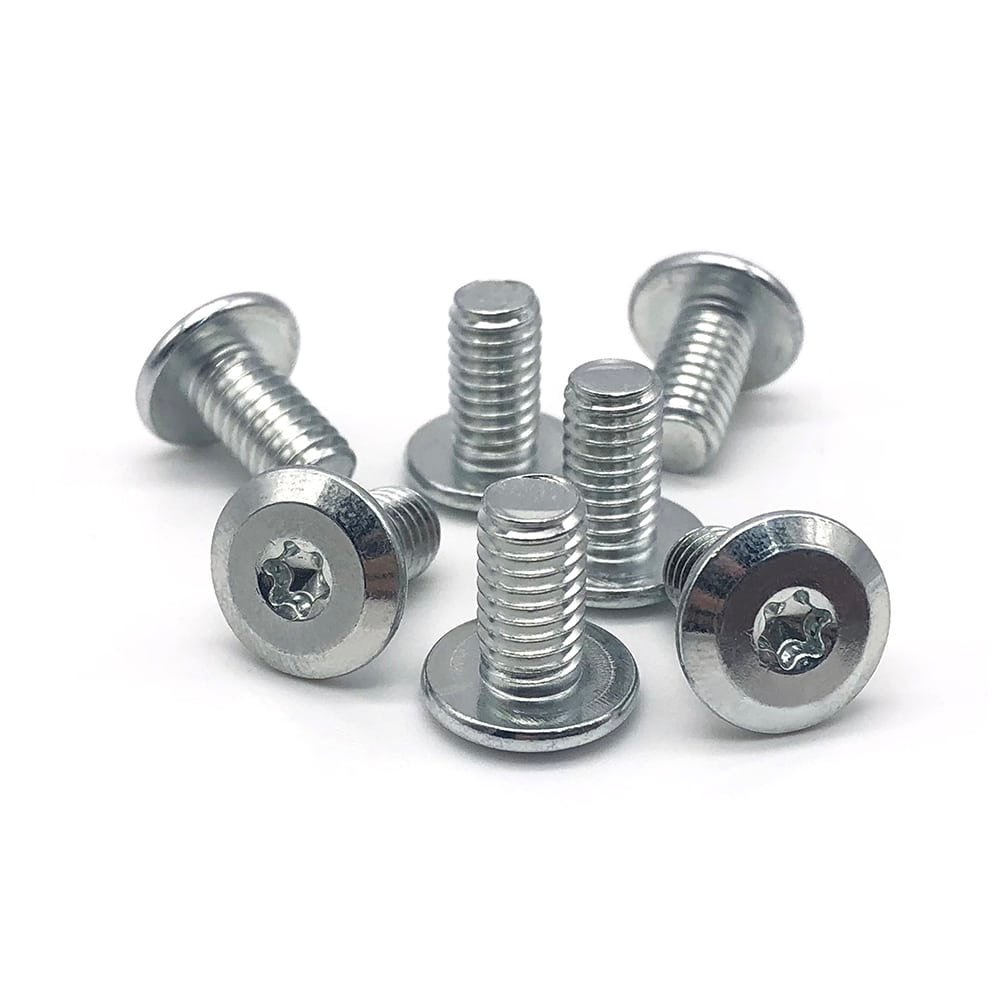
Self-tapping Screws
Applicable Scenarios:
- Glass fiber reinforced plastic (FRP)
- Medium thickness plastic parts (2-8mm)
- Applications not requiring frequent disassembly
Technical Advantages:
- No pre-drilling or nut plates required
- Plastic fibers are guided to flow rather than being cut
- Forms tight mechanical interlock
KEYFIX Product Spectrum:
- KFP-TS-BF Series: Dual lead-in threads, anti-chipping design
- KFP-TS-TM Series: Triangular thread, high resistance to pull-out
- KFP-TS-FF Series: Flat head low-stress design
Machine Screws with Nut Plates
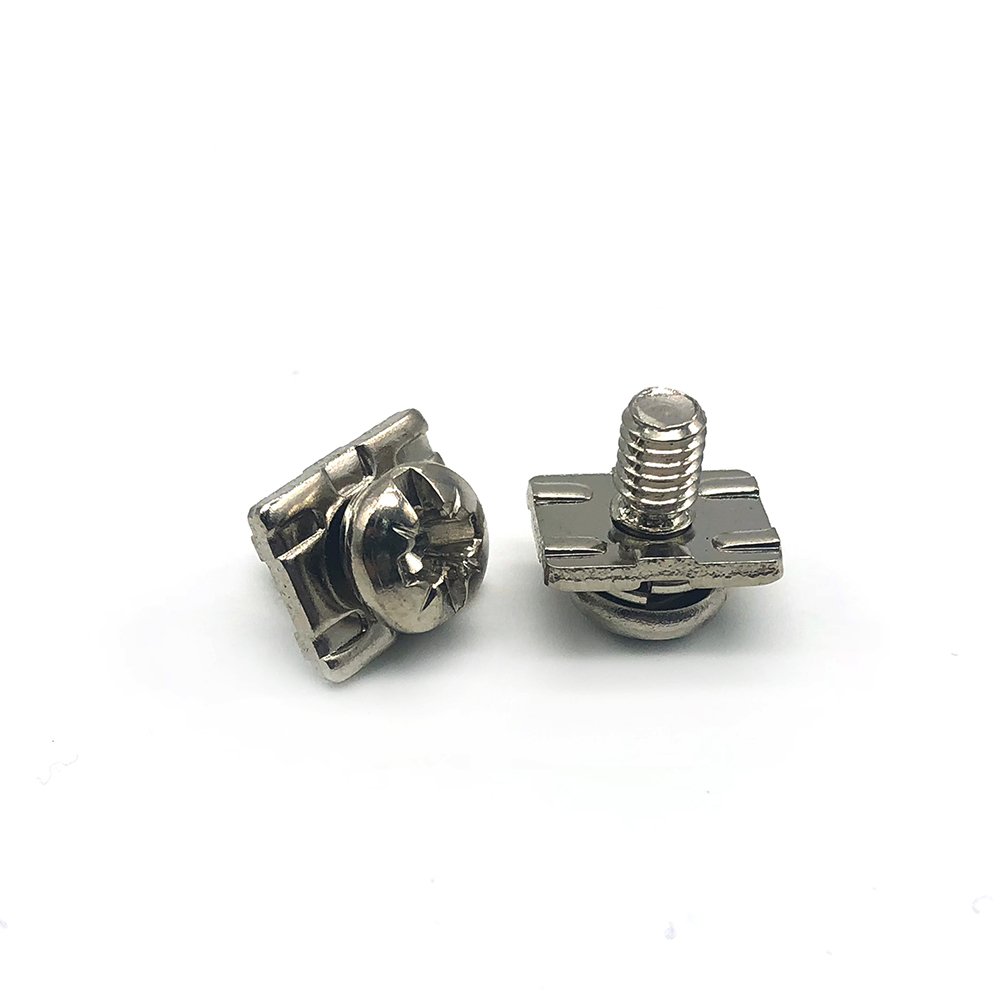
Applicable Scenarios:
- High cyclic load applications
- Applications requiring frequent maintenance disassembly
- Thin-wall plastic parts (<2mm)
Technical Points:
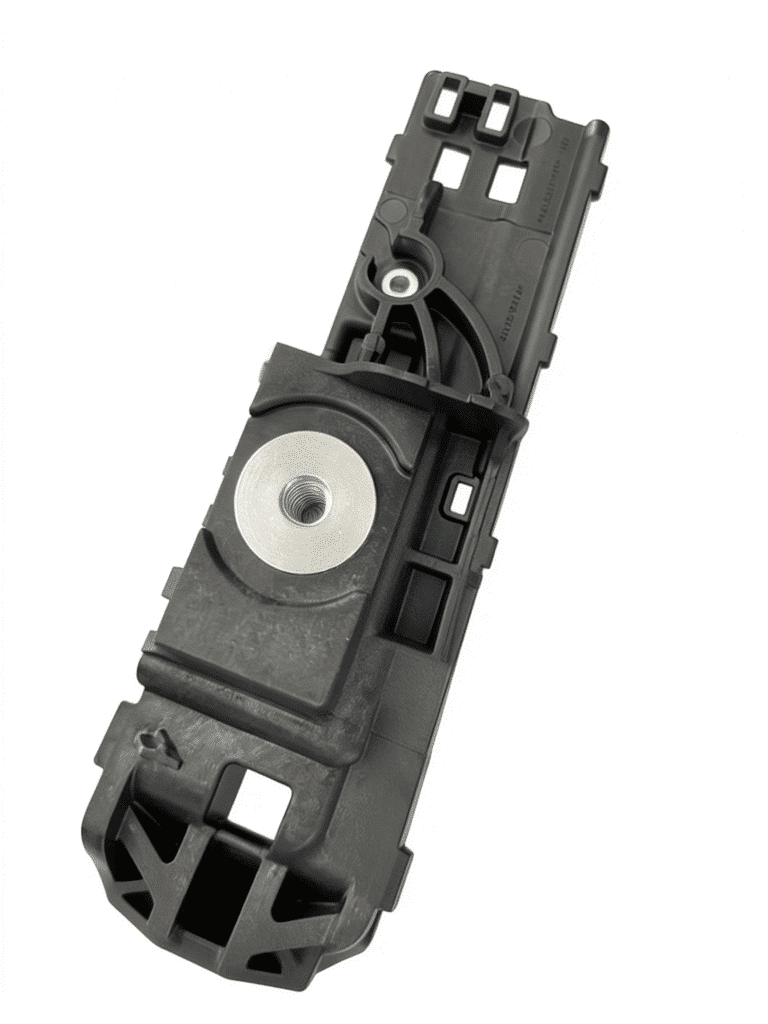
- Ultrasonic welding of metal nut plates into plastic
- Screws handle tensile loads only, avoiding plastic cutting
- Standardized thread interface, modular design
2.3 Head and Washer System Optimization
The screw head is the primary location of stress concentration and requires special attention:
Head Design Innovations:
- Large Diameter Flat Head Design:
- 200-300% increased bearing area
- Surface stress reduced to 1/3
- Suitable for exposed connections
- Floating Washer System:
- Allows plastic creep without preload loss
- Compensates for thermal expansion differences
- Reduces fretting wear
- Thermoplastic Washers:
- Material modulus matches plastic component
- Deformation coordination, uniform stress distribution
- Shape memory function at specific temperatures
Emerging Industry Concept: Smart Washer Systems
- Dual-layer material structure: Outer layer matches plastic, inner layer maintains preload
- Deformation indicator ring: Color change indicates over-tightening
- Torque limiting ring: Prevents over-tightening during assembly
Part 3: Screw Selection Strategy for Different Automotive Plastic Components
3.1 Interior Plastic Component Connection Solutions
Interior components require aesthetics, quiet operation, and easy maintenance:
Typical Materials: ABS, PC/ABS alloys, PP Technical Features:
- Low assembly torque requirements (≤2 N·m)
- Hidden connection requirements
- High anti-noise requirements
Recommended Screw Specifications:
- Material: A2-70 stainless steel or low carbon steel with zinc plating
- Surface Treatment: Black oxide or powder coating
- Head Type: Countersunk or round head with decorative cap
- Special Requirements: Vibration resistance, low VOC emissions
3.2 Exterior and Body Components
Exterior components face harsh environmental challenges:
Environmental Pressures:
- Temperature range: -40°C to +120°C
- UV radiation: Accelerates plastic aging
- Corrosive environments: Road salts, acid rain
Technical Solutions:
- Corrosion-resistant Screw Materials:
- Aluminized/silicon-coated steel: Salt spray test >1000 hours
- Zinc-nickel coating: Excellent high-temperature corrosion resistance
- A4 stainless steel: Best choice for chemical environments
- Thermal Compensation Design:
- Spring washers compensate for thermal expansion
- Low friction coefficient coating (μ=0.1-0.15)
- Special lubricant filled threads
3.3 Engine Compartment High-temperature Areas
The most demanding connection scenarios:
Operating Environment:
- Continuous high temperature: 80-150°C
- Oil immersion and chemical exposure
- Severe vibration environment
KEYFIX KFP-HT Series Professional Solutions:
Material Combination System:
| Component | Recommended Material | Technical Advantage |
|---|---|---|
| Screw Body | 42CrMo4 heat-treated steel | High-temperature strength retention |
| Surface Treatment | Aluminized-silicon coating | High-temperature corrosion resistance, low friction |
| Washer System | Inconel 718 spring washer | High-temperature preload retention |
| Lubrication Solution | Molybdenum disulfide composite coating | Wide temperature range (-50°C to 400°C) |
Performance Validation Data:
- 150°C/1000h test: Preload retention rate ≥75%
- Salt spray test: 1200 hours without red rust
- Vibration fatigue: 1 million cycles without loosening
3.4 Battery Pack and Electric System Connections
EV special requirements bring new technical challenges:
Electrochemical Considerations:
- Galvanic corrosion protection (dissimilar metal connections)
- Insulation requirements (short circuit prevention)
- EMC requirements (avoid electromagnetic interference)
Screw Selection Matrix:
| Plastic Type | Screw Material | Surface Insulation Treatment | Recommended Model |
|---|---|---|---|
| PC/ABS Battery Package | Alumino-silicate coated steel | Ceramic coating insulation | KFP-EV-IC150 |
| PBT Electrical Connectors | A2 stainless steel | Anodized layer | KFP-EV-AO120 |
| PPS High-temperature Plastic | Titanium alloy Ti6Al4V | Titanium nitride coating | KFP-EV-TN180 |
Part 4: Critical Points for Installation Process and Quality Control
4.1 New Standards for Torque Control
Torque management in plastic connections requires a completely new approach:
Traditional Metal Connections:
- Based on material yield strength
- Relatively stable friction coefficient
- Good repeatability
Special Requirements for Plastic Connections:
- No clear yield point: Requires different control strategies
- Large friction coefficient variation: Affected by material, temperature, humidity
- Time dependency: Stress relaxation requires compensation
Recommended Installation Control Process:
| Installation Stage | Control Parameter | Monitoring Method | Quality Acceptance Standard |
|---|---|---|---|
| Stage 1: Initial Drive-in | Maximum insertion torque | Dynamic torque sensor | Does not exceed plastic shear strength |
| Stage 2: Preload Establishment | Torque + angle control | Angle encoder | Preset angle ±5° |
| Stage 3: Stress Relaxation Wait | Time control (30-60 seconds) | Timer | Precise time control |
| Stage 4: Final Tightening | Compensated set torque | Precision torque wrench | Reaches set torque value |
| Stage 5: Long-term Monitoring | Periodic torque sampling | Ultrasonic preload testing | Decay rate ≤20% |
4.2 Professional Tool Configuration List
Proper tools are fundamental to connection quality:
Basic Requirements:
- Torque screwdriver with dynamic display: Accuracy ±3%
- Angle encoder: Resolution ≤0.1°
- Electric screwdriver speed adjustment: Slow start prevents impact
Advanced Configuration (Recommended):
- KEYFIX Digital Installation System:
- Real-time preload calculation
- Installation parameter recording for each screw
- QR code traceability system
- Data direct upload to MES system
4.3 Preventive Quality Control Methods
Pre-production Quality Inspection:
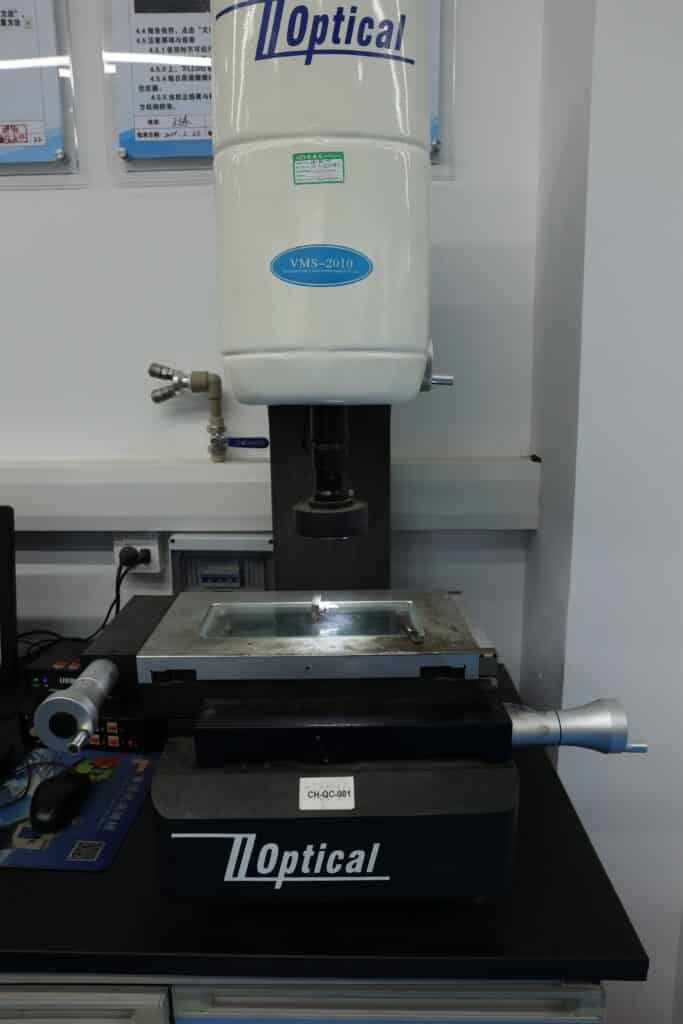
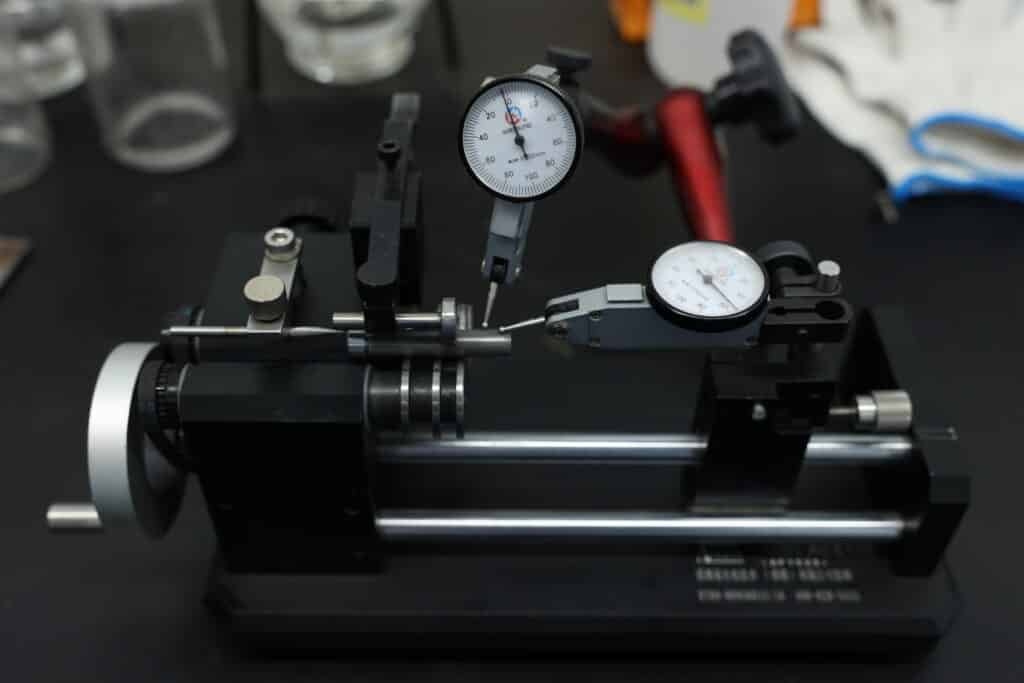
- Thread geometry scanning: Complete dimensional inspection (CMM or video measuring)
- Surface roughness analysis: Ra≤0.8μm ensures stress distribution
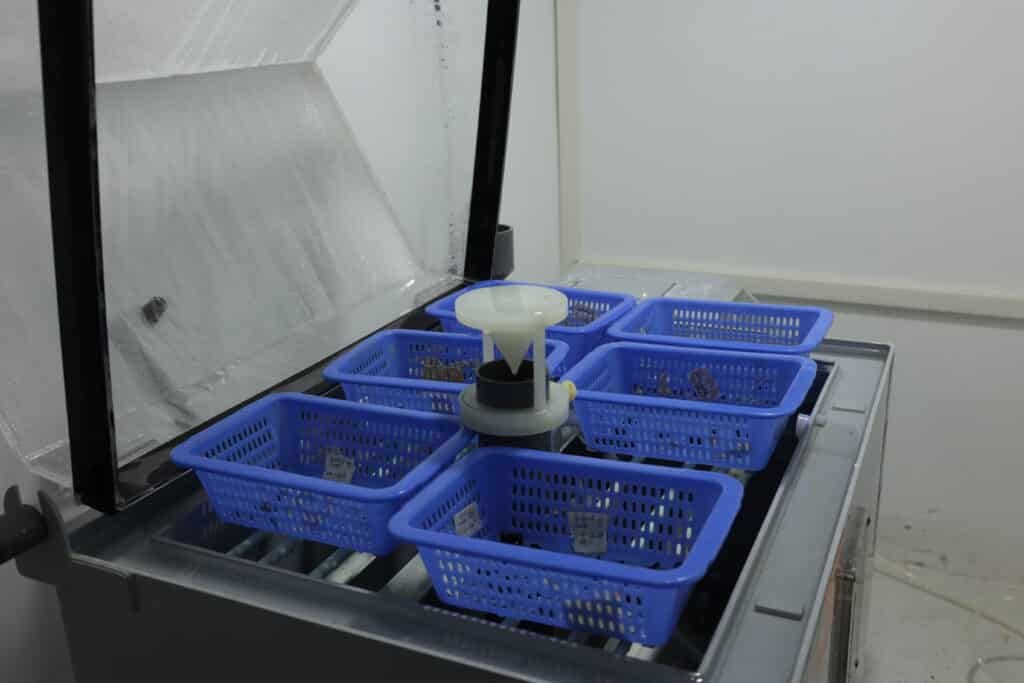
- Preload decay simulation: Accelerated aging test (24h @80°C)
- Environmental stress cracking test: 72h test under specific conditions
Field Quick Inspection Methods:
- Preload decay rate measurement: Recheck 24 hours after installation
- Thermal imaging inspection: Identifies over-tight hotspots
- Ultrasonic flaw detection: Early stress crack detection
Part 5: Professional FAQ
Q1: How to determine if plastic is suitable for metal screw connections?
A: Evaluate from three aspects: 1) Tensile strength ≥50MPa; 2) Heat deflection temperature ≥80°C; 3) Meets IEC 60335 flame retardancy rating. We recommend conducting connection compatibility tests. KEYFIX offers free material evaluation services.
Q2: Why does the same screw design work on other plastics but fail on new materials?
A: Main reasons are the huge differences in creep characteristics and stress cracking sensitivity among different plastics. For example, POM’s creep rate is 3-4 times that of ABS. Screw design and installation parameters need re-optimization for each specific material.
Q3: How to estimate the service life of metal screws in plastic?
A: Based on four-factor model: 1) Environmental temperature history; 2) Dynamic load spectrum; 3) Material creep characteristics; 4) Initial installation quality. KEYFIX provides professional service life prediction software services.
Q4: Are there screw solutions that provide both rust prevention and suitability for plastic connections?
A: Yes. The KFP-RCP series uses zinc-nickel coating + modified silane surface treatment, meeting both 1000-hour salt spray test requirements and maintaining low friction coefficient to reduce plastic assembly stress.
Q5: How can we obtain professional connection solutions for small batch trial production?
A: KEYFIX provides engineering support packages including: 1) Material pairing analysis; 2) Screw design solutions; 3) Sample production and testing; 4) Installation process guidance. Technical validation is typically completed within 2-3 weeks.
Part 6: Establishing Reliable Supply Chain Partnerships
Technical Capability Audit Checklist (Supplier Selection Criteria)
When evaluating potential screw suppliers, focus on these technical capabilities:
Design Capability Dimension:
- Does the supplier have expertise in plastic material mechanics?
- Do they have comprehensive FEA stress analysis capabilities?
- Can they provide customized solutions rather than standard products?
- Do they have experience with similar automotive projects?
Manufacturing Capability Dimension:
- Precision control capabilities (what tolerance can they hold by process — e.g. ±0.01 mm cold forging, ±0.005 mm CNC)?
- Surface treatment technology diversity (do they master multiple coating processes)?
- Quality assurance system (do they have IATF 16949 certification)?
- Traceability system (full traceability from raw material to finished product)?
Testing and Validation Capability:
- Do they have connection-specific testing equipment?
- Can they provide complete material test reports?
- Do they have third-party laboratory certifications?
- Have they established long-term performance databases?
KEYFIX’s Technical Advantages
As a professional automotive fastening solution provider, we ensure connection reliability through:
✅ 20+ Years Precision Manufacturing: ±0.01 mm cold forging and ±0.005 mm CNC process capability
✅ Materials Science Expert Team: Deep understanding of plastic-metal interface behavior
✅ Automotive Project Experience: IATF 16949 certified automotive programs, including lightweight assemblies
✅ End-to-End Quality Control: Comprehensive quality system from design to manufacturing to field application
Conclusion: Technical Outlook for Metal Screws in Plastic Connections
Metal screw technology for automotive plastic components is rapidly evolving, with future development trends including:
Intelligent Connection Solutions
- Sensor-integrated screws: Real-time preload monitoring
- Self-diagnostic systems: Early loosening risk warnings
- Wireless data transmission: Automatic upload of installation parameters to cloud
Sustainable Material Technologies
- Low-carbon screw manufacturing: Production processes with reduced carbon footprint
- Recyclable design: Easy non-destructive separation from plastic components
- Long-life coatings: Reduced replacement and maintenance requirements
Simulation-first Design Philosophy
Comprehensive evaluation at the design stage through CAE simulation:
- Stress distribution at connection points
- Long-term creep effect predictions
- Temperature cycle thermal stress analysis
- Fatigue life under dynamic loads
Immediate Action: Start Professional Plastic-Metal Connection Optimization
Step 1: Technical Consultation Contact KEYFIX’s automotive connection experts for free technical consultation and preliminary solutions.
Step 2: Sample Test Application Obtain recommended screw samples for your specific plastic material and working conditions, and conduct real-world testing and verification.
Step 3: On-site Technical Support Invite our engineers for on-site installation process training and optimization recommendations.
Step 4: Establish Long-term Partnership Build stable supply chain partnerships through continuous technical exchange and process improvement.