
Production
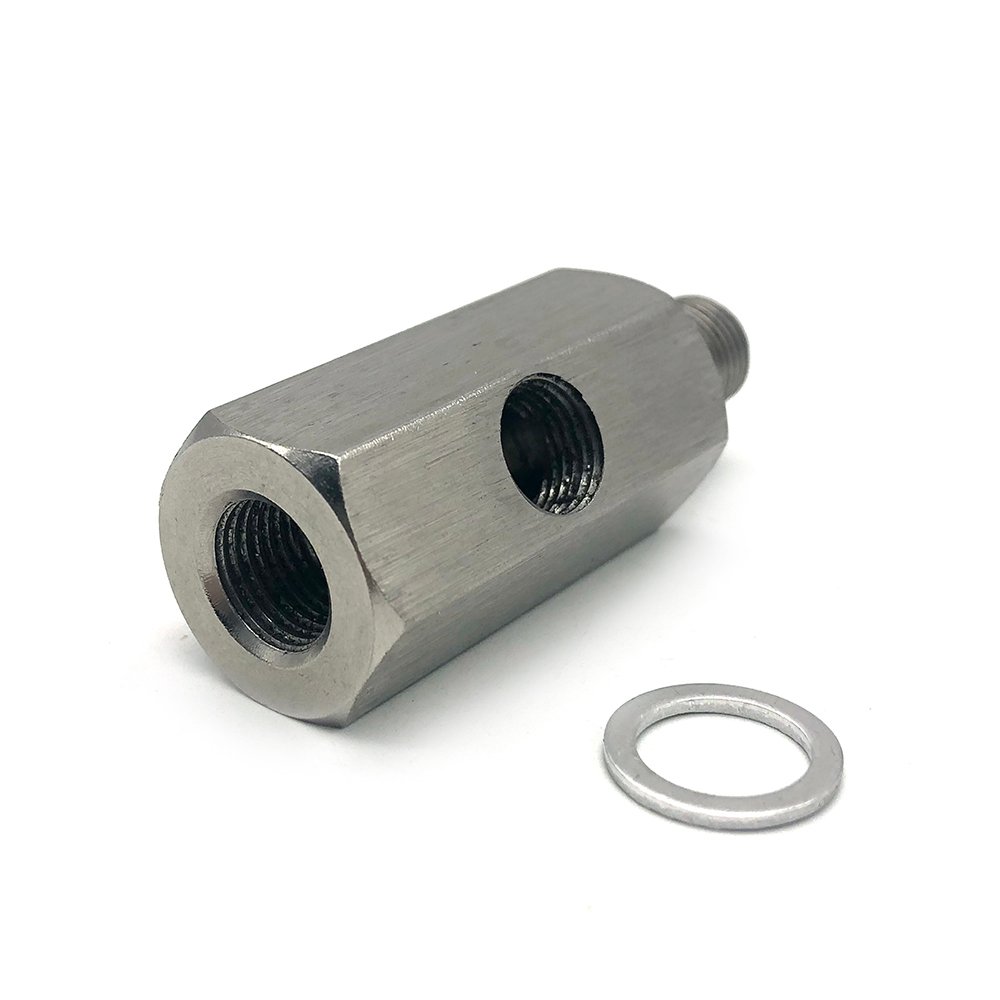
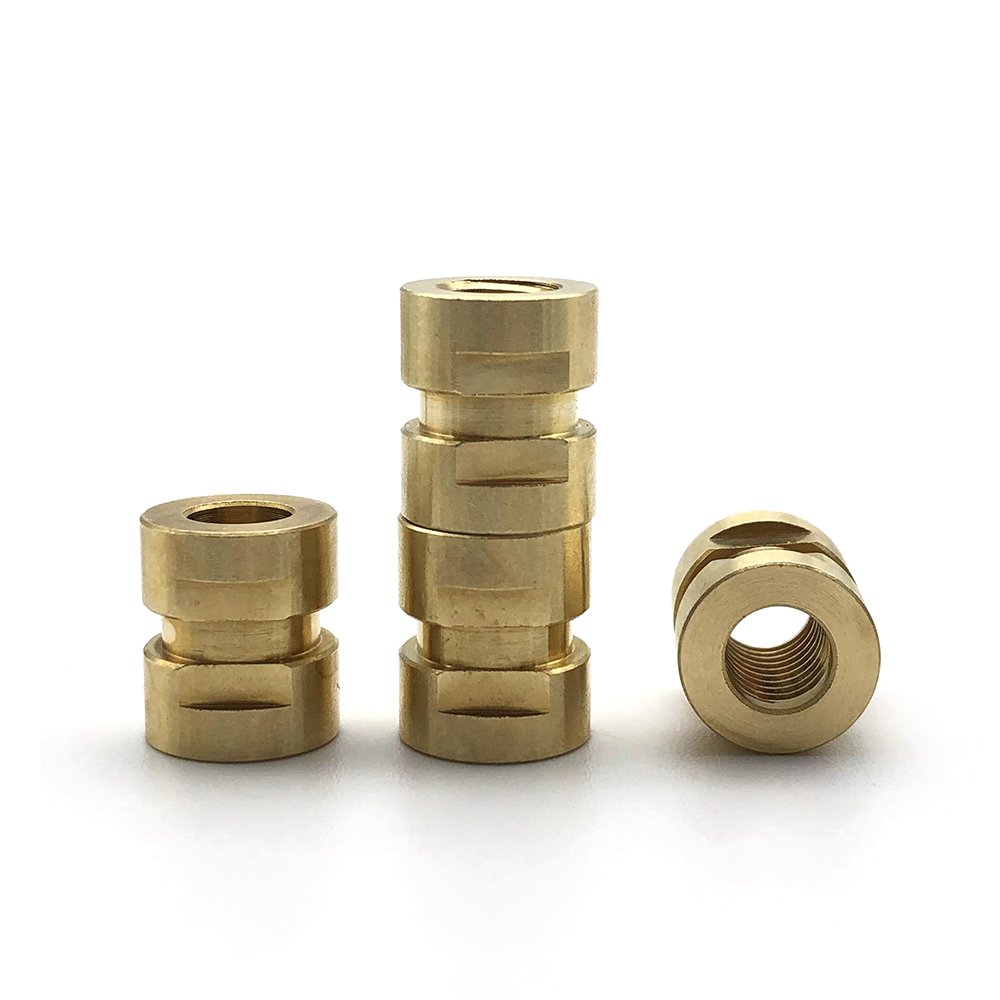
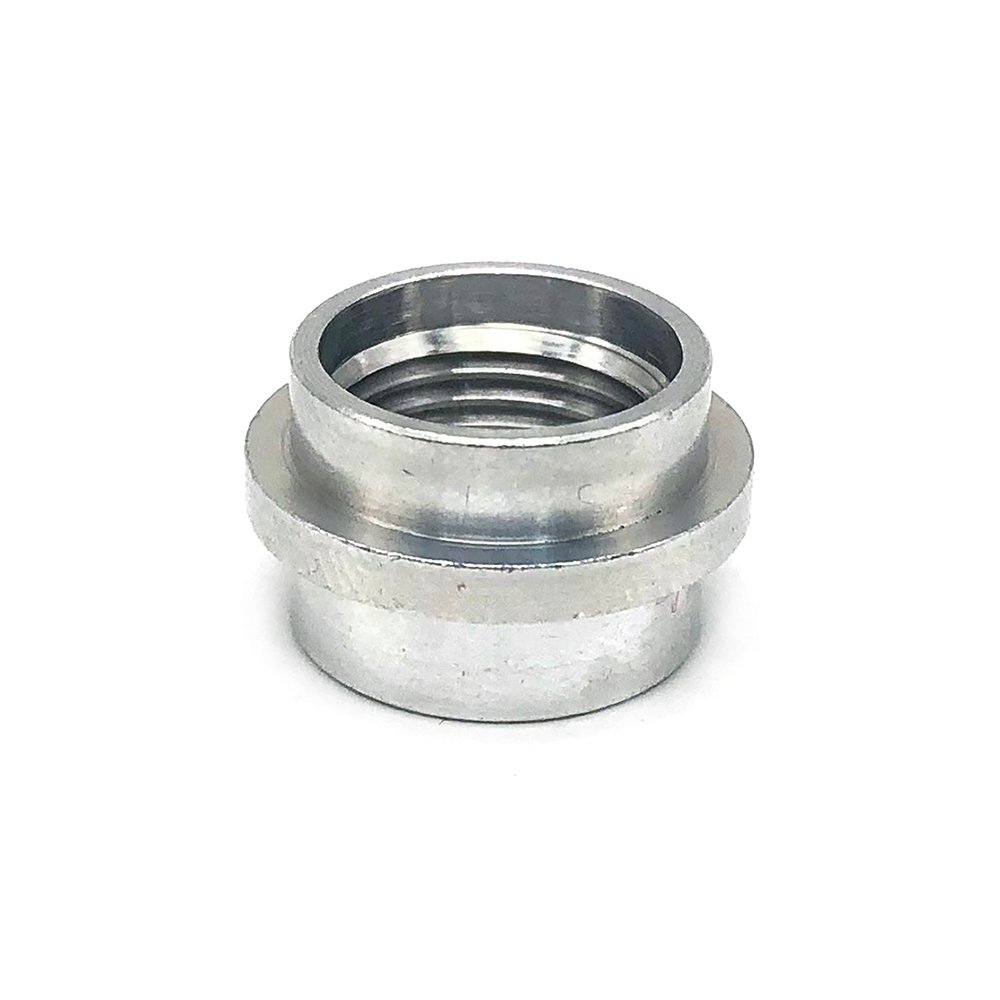
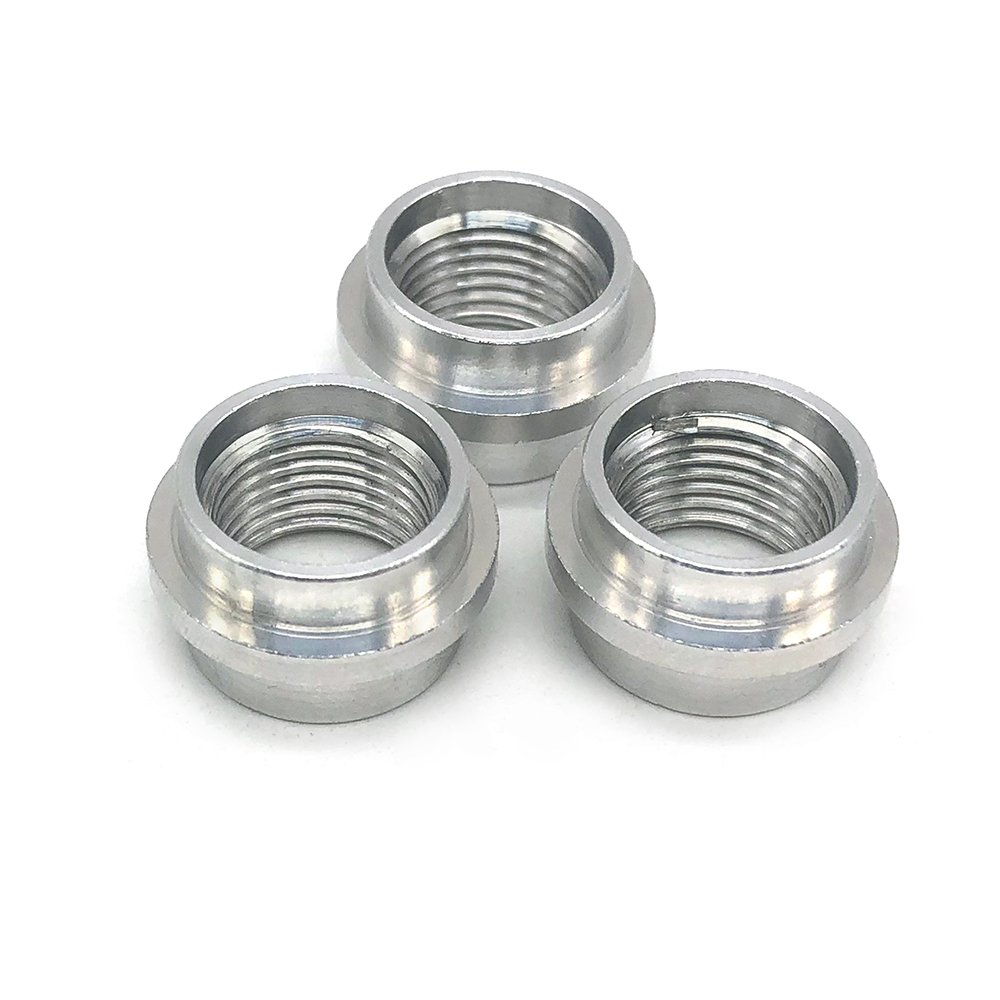
The automotive supply chain faces unique fastening challenges as Tier 2/3 suppliers serve multiple OEMs with diverse requirements:
For Thermoplastic Interior Components
Product Specifications:
Insert Type | Material | Applications | Key Features |
Knurled Brass Inserts | CuZn39Pb3 / C38500 | Dashboard, door panels, glove box | Diamond knurl pattern, thermal expansion fit |
Ultrasonic Inserts | Brass or Stainless 303 | Instrument clusters, A-pillar trim | Undercut design for ultrasonic welding |
Molded-In Inserts | Stainless 303/304 | Center console, armrests | Barbed or knurled OD, positioned in mold |
Technical Performance:
Thermal Press-In Inserts (Post-Molding Installation)
Ultrasonic Weld Inserts
Molded-In Inserts (In-Mold Placement)
Material | Standard | Typical Hardness | Applications |
Brass CuZn39Pb3 | EN 12164 / C38500 | 80-110 HV | Thermal press inserts (cost-effective) |
Stainless 303 | ASTM A582 | 160-200 HV | Ultrasonic inserts, corrosion resistance |
Stainless 304 | ASTM A193 | 150-190 HV | Molded-in inserts, marine/humid environments |
Aluminum 5052 | ASTM B211 | 60-75 HRB | Lightweight rivet nuts for aluminum structures |
Treatment | Purpose | Specifications |
Passivation (Stainless) | Remove free iron, enhance corrosion resistance | ASTM A967, citric acid method |
Zinc Plating (Steel inserts) | Corrosion protection, NOT for high-temp molding | 8-12 μm, yellow chromate (avoid if heat-staking) |
Bare Brass | Direct thermal conductivity for heat-staking | No coating (natural oxide acceptable) |
Anodizing (Aluminum) | Hard anodized Type III for wear resistance | 25-50 μm, clear or black |
5-Step Collaboration Workflow
Step 1: Technical Assessment (1-2 Days)
Step 2: Prototype Samples (Typically 7–14 Business Days)
Step 3: Production Quotation (2-3 Days)
Step 4: Production & Quality Verification (Typically 4–6 Weeks)
Step 5: Packaging & Delivery
Typical Scenario: Instrument-panel and interior-module programs often need several thermal press-in insert sizes at once. A common problem with commodity inserts is inconsistent knurl depth, which leads to pull-out failures during assembly.
How We Handle It:
What You Can Expect: ✓ Pull-out values validated against your target (e.g. ≥800N for thermal press-in)
✓ Consistent knurl geometry across all sizes and batches
✓ Production typically 4–6 weeks after sample approval, depending on part complexity
Technical Information:
Application Details:
Check more successful parts we did before for our heavy clients.
Review what technology we can do in our factory.
Contact Us To Realize Your Project!
+86 130 3230 2505
sales@keyfixpro.com
No MOQ for CNC-turned custom inserts — from 20–50 pcs prototype quantities to full production. Multi-size orders can be combined, and larger combined volumes qualify for volume pricing.
Yes. Send us sample inserts or detailed drawings (thread, length, knurl pattern, flange dimensions). We reverse-engineer and manufacture to your exact specifications, or suggest improvements based on our testing.
Through controlled manufacturing and testing:
Typical results: 900-1,100N for thermal brass inserts (target ≥800N) with <5% variation.
We have validated designs for common interior plastics:
For new materials, we recommend pull-out testing in your actual plastic formulation.
Samples typically ship within 7–14 business days, and production typically ships 4–6 weeks after sample approval. Urgent orders can be expedited where capacity allows — tell us your target date with the drawing.
Yes, engineering consultation included:
WhatsApp us