Precision Screw Machining Services: China’s Advanced Custom Manufacturing Solutions
The demand for precision-engineered turned components continues accelerating as industries pursue tighter tolerances and complex geometries beyond standard catalog offerings. Custom screw machining services address this expanding need through advanced Swiss-type CNC technology, multi-axis capabilities, and integrated secondary operations—delivering components from prototypes through production volumes across diverse material families.
KEYFIX produces custom screw machine products on CNC lathes, mill-turn centers and 5-axis machining centers, holding ±0.005 mm on critical features. This article examines technologies, material considerations, and quality protocols defining excellence in precision turned component manufacturing.
Understanding Custom Screw Machining Technology
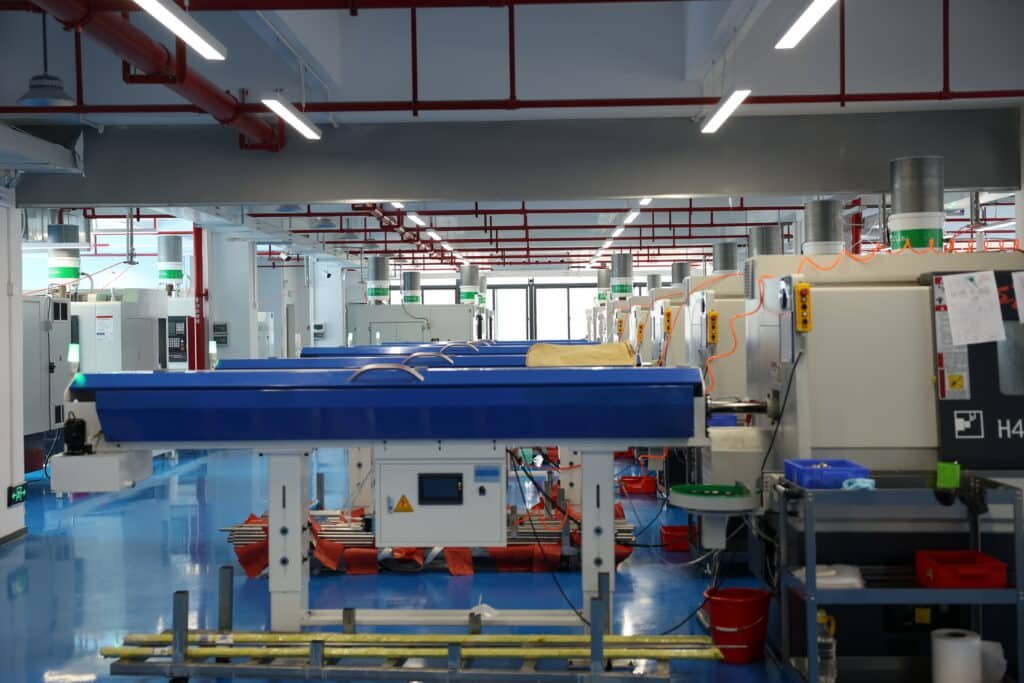
Custom screw machining encompasses precision turning operations producing cylindrical components with complex features—threads, cross-holes, flats, tapers, and intricate profiles—in single setups minimizing handling and maximizing accuracy. Unlike conventional CNC turning holding workpieces from one end, screw machines support material near the cutting zone, enabling extreme length-to-diameter ratios and tight tolerances.
Screw Machining Technology Comparison
| Technology | Diameter Range | Tolerance Capability | Complexity | Best Applications |
|---|---|---|---|---|
| Swiss-Type CNC | 0.5mm – 32mm | ±0.002mm | Very high (multi-axis, live tools) | Medical devices, electronics, precision instruments |
| Multi-Spindle Automatic | 3mm – 65mm | ±0.005mm | Moderate (rotational symmetry) | High-volume automotive, fasteners |
| CNC Turning Centers | 10mm – 300mm | ±0.01mm | High (complex non-rotational) | Larger components, low-medium volume |
| Single-Spindle Automatic | 5mm – 38mm | ±0.01mm | Low-moderate | Simple geometries, high volume |
Swiss-Type CNC Lathes represent the pinnacle of precision turning technology. Guide bushing positioned close to cutting tools supports workpiece immediately adjacent to machining zone, dramatically reducing deflection during cutting.
Multi-Spindle Automatic Screw Machines excel at high-volume production where operational sequences remain consistent. Multiple spindles (typically 6 or 8) index through tooling stations simultaneously, with all spindles producing parts concurrently. Production rates reach 30-60 finished parts per minute depending on component complexity—ideal for automotive fasteners, electrical contacts, or fluid fittings requiring millions of annual pieces.
Material Expertise for Screw Machining
Material selection profoundly impacts machinability, tool life, surface finish, and production economics. Custom screw machining services require expertise across ferrous metals, non-ferrous alloys, and engineering plastics.
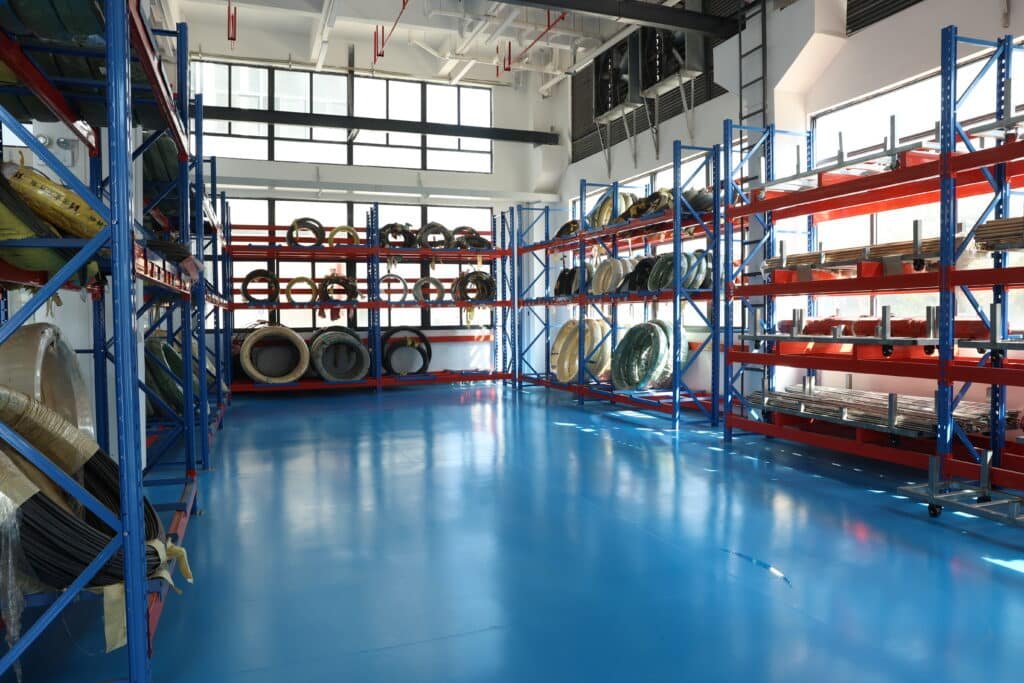
Material Machinability and Applications
| Material Category | Common Grades | Machinability Rating | Typical Applications |
|---|---|---|---|
| Free-Machining Steel | 12L14, 1215 | Excellent (100% baseline) | Fasteners, pins, shafts, general hardware |
| Alloy Steel | 4140, 8620, 4340 | Good (65-75%) | High-strength components, automotive parts |
| Stainless Steel | 303, 304, 316, 17-4 PH | Fair (40-60%) | Corrosion resistance, medical, food equipment |
| Brass & Copper | C360, C464, C110 | Excellent (90-100%) | Electrical components, plumbing, decorative |
| Aluminum | 2011, 6061, 7075 | Excellent (80-90%) | Aerospace, electronics, lightweight structures |
| Titanium | Grade 2, Ti-6Al-4V | Poor (20-30%) | Aerospace, medical implants, marine |
| Engineering Plastics | PEEK, Delrin, Nylon | Variable (50-85%) | Insulators, bearings, chemical resistance |
Free-Machining Steels contain sulfur or lead additives creating chip-breaking inclusions—dramatically improving tool life and surface finish. Grade 12L14 (leaded) and 1215 (resulfurized) serve as industry machinability standards. KEYFIX produces millions of precision components monthly from these grades for automotive sensors, electrical connectors, and industrial fasteners requiring cost-effective production.
Stainless Steel Grades present machining challenges—work-hardening tendencies, low thermal conductivity, and chemical affinity with tool materials. Type 303 (free-machining stainless with sulfur additions) improves machinability versus standard 304, though slightly reducing corrosion resistance. Type 316 adds molybdenum for superior chloride resistance—specified for marine applications and chemical processing equipment. Precipitation-hardening 17-4 PH achieves high strength after aging heat treatment, serving aerospace and medical device applications.
According to research published in the International Journal of Machine Tools and Manufacture, optimal cutting parameters for austenitic stainless require 40-60% reduced speeds versus carbon steel, with positive rake geometry tools and aggressive coolant delivery preventing work-hardening ahead of cutting edges.
Brass and Copper Alloys machine exceptionally well—C360 brass (free-machining with 35% zinc) enables extremely high cutting speeds and fine surface finishes. KEYFIX produces intricate brass components for plumbing valves, pneumatic fittings, and decorative hardware. Silicon bronze (C651) provides superior corrosion resistance for marine applications, while pure copper (C110) serves electrical applications requiring maximum conductivity.
Aluminum Alloys combine excellent machinability with lightweight properties. Grade 2011 (free-machining aluminum) contains bismuth and lead improving chip breaking. Grade 6061 offers good strength-to-weight ratio with decent machinability after T6 heat treatment. Grade 7075 provides maximum strength for aerospace applications, though lower machinability and higher material costs restrict usage to weight-critical components.
Advanced Manufacturing Capabilities
Producing custom screw machine products requires integrated capabilities spanning primary turning operations, secondary machining, heat treatment, surface finishing, and quality verification.
KEYFIX Manufacturing Capability Matrix
| Process | Equipment | Capacity | Precision Level |
|---|---|---|---|
| CNC Turning | 25 CNC lathes (Shengtesi H46/H52) | Turned parts, M1.2–M30 threads | ±0.005 mm on critical features |
| Mill-Turn | 5 mill-turn centers (Shengtesi CTXY52) | Turned parts with off-axis features | ±0.005 mm on critical features |
| CNC Machining Centers | 2 × YCM NFX 380A 5-axis | Complex secondary features | ±0.005mm on milled features |
| Thread Rolling | Planetary and flat die systems | M2 – M30 precision | Class 2A-3A per ASME B1.1 |
| Heat Treatment | Batch furnaces, induction systems | All standard processes | Controlled atmosphere, ±15°F |
| Surface Finishing | Plating, anodize, coating lines | Zinc, nickel, chrome, custom | Per ASTM/automotive specifications |
| Quality Lab | 2D video measuring, optical sorting, hardness; tensile via third-party labs | Full dimensional + material validation | ISO 17025 traceable standards |
Swiss-Type CNC Operations enable complete part production in single operations. Main spindle holds bar stock while guide bushing supports material near cutting zone. Front tools perform turning, threading, grooving operations. Live tools (rotating cutters powered by Y-axis) mill flats, drill cross-holes, create complex non-rotational features. Sub-spindle receives parted component, enables backside machining (threads, chamfers, center drilling), then ejects finished part.
Secondary Operations Integration distinguishes comprehensive manufacturers from basic turning shops. CNC milling centers add features beyond Swiss-type capabilities—large-area flats, keyways, complex pockets. Broaching operations create internal splines or keyways. Grinding achieves precision diameters (±0.0005mm) or surface finishes (Ra 0.1μm) for bearing surfaces or gage components. KEYFIX coordinates these operations through integrated production planning, maintaining traceability and eliminating multi-supplier coordination challenges.
Heat Treatment Services modify material properties achieving specified hardness and strength. Through-hardening (quench and temper) develops high strength in medium-carbon and alloy steels. Case-hardening (carburizing, nitriding) creates hard wear-resistant surfaces with tough ductile cores. Stress-relieving removes residual stresses from machining preventing dimensional instability. Age-hardening precipitation-hardens aluminum and stainless alloys developing maximum strength. Controlled-atmosphere heat treatment, specified where needed, prevents surface oxidation and decarburization—critical for precision components where dimensional changes or surface degradation prove unacceptable.
Quality Assurance and Industry Certifications
Precision custom screw machining services demand comprehensive quality systems ensuring dimensional accuracy, material integrity, and process consistency across production lots.
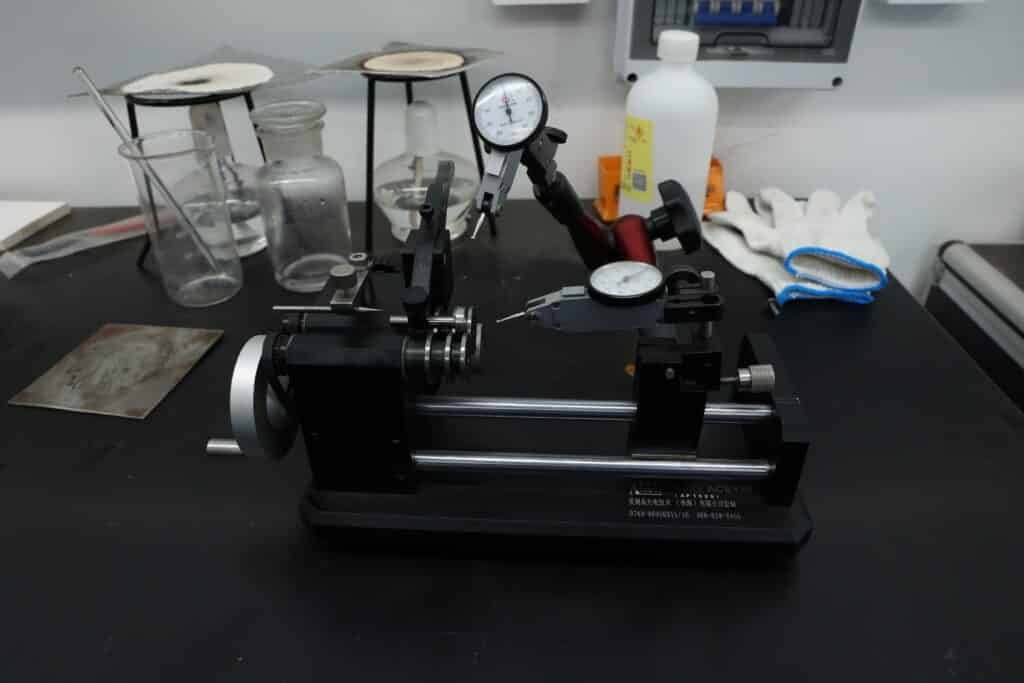
Quality Verification Protocol
| Inspection Type | Equipment | Measurement Capability | Sampling Frequency |
|---|---|---|---|
| Dimensional (Rotational) | Optical comparator, air gages | 0.001 mm optical measurement resolution | First article + statistical sampling |
| Dimensional (Complex) | 2D video measuring + Shining3D 3D scanning | ±0.0005mm 3D accuracy | First article + critical features |
| Surface Finish | Profilometer | Ra 0.05-10μm range | Per specification requirement |
| Thread Inspection | Thread gauges, optical | Per ASME B1.1, ISO 965 | Go/no-go on 100% or sampling |
| Material Verification | OES spectrometer | Chemical composition | 100% heat lots incoming |
| Mechanical Properties | Hardness testers in-house; tensile via third-party laboratory | Strength, hardness validation | Per heat lot, statistical basis |
| Visual/Cosmetic | Magnified inspection | Surface defects, burrs | 100% or automated optical |
Statistical Process Control (SPC) enables proactive quality management. KEYFIX implements real-time monitoring on critical dimensions—automated gaging systems measure parts during production, control charts track trends, operators receive alerts when processes drift toward specification limits. This approach prevents non-conforming production accumulation, reducing scrap and maintaining delivery schedules.
First Article Inspection (FAI) validates manufacturing capability before production begins. Complete dimensional verification per customer drawings, material certification review, visual/functional testing, and comprehensive documentation (AS9102 forms for aerospace) confirm process readiness. KEYFIX provides detailed FAI packages including dimensional reports with actual measurements, material certificates, process capability studies (Cpk calculations), and photographic documentation.
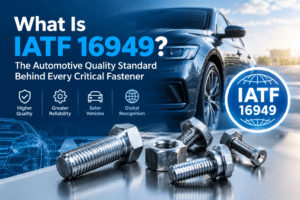
Certification and Compliance demonstrates organizational quality maturity. KEYFIX is certified to IATF 16949:2016 (automotive quality), ISO 9001:2015 (quality management) and ISO 14001 (environmental management), validated through third-party audits. These certifications require documented procedures, calibrated measurement equipment traceable to national standards, employee training records, and continuous improvement initiatives.
Application-Specific Engineering Solutions
Different industries utilizing custom screw machine products impose distinct requirements affecting material selection, tolerance specifications, and quality documentation.
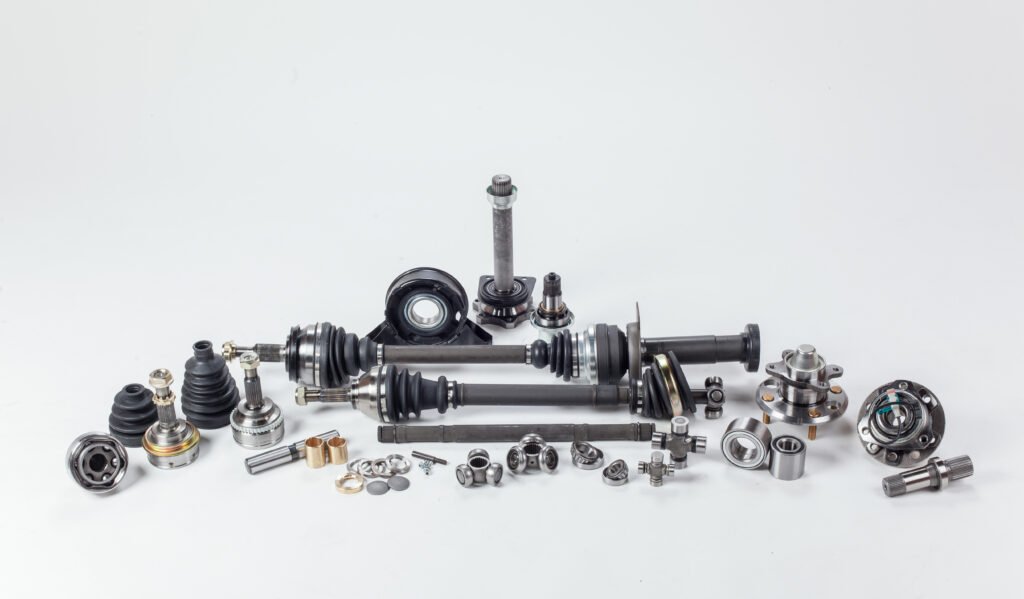
Industry Application Overview
| Industry | Component Examples | Material Requirements | Critical Specifications |
|---|---|---|---|
| Automotive | Sensor housings, fuel injectors, ABS components | Brass, steel, stainless | PPAP documentation, ±0.01mm, Cpk >1.67 |
| Precision Instruments | Gauge bodies, adjustment screws, fixture pins | 303/316 SS, brass, aluminum | Dimensional stability, ±0.005 mm CNC features |
| Industrial Machinery | Shafts, pins, couplings, custom bolts | Carbon/alloy steel, stainless | Material traceability, hardness HRC 28–62, Cpk ≥ 1.33 |
| Electronics | Connectors, terminals, standoffs | Brass, copper, aluminum | Tight tolerances, plating thickness control |
| Hydraulics | Valve bodies, fittings, adapters | Steel, stainless, brass | Pressure testing, thread precision |
| Defense | Firing pin components, trigger assemblies | Alloy steel, stainless | DFARS compliance, full traceability |
Automotive Applications prioritize production scalability and consistent quality. Fuel injection components require extreme precision—orifice diameters controlled to ±0.005mm directly affecting spray patterns and emissions compliance. Production Part Approval Process (PPAP) documentation demonstrates manufacturing capability meeting customer requirements; KEYFIX supports PPAP under its IATF 16949 system, with automated optical sorting on critical features and AQL 0.4 outgoing inspection.
Precision Measuring Instrument Components demand dimensional stability and comprehensive traceability. Gauge bodies, adjustment screws and fixture pins machined from 303/316 stainless steel or brass receive passivation or plating per drawing, with material certificates tracing chemistry to the original heat, hardness verification, and dimensional reports from 2D video measuring. (KEYFIX does not hold ISO 13485 or AS9100D and does not supply medical-device or flight-critical programs.)
Electronics Industry demands miniaturization—connectors, terminals, and standoffs as small as 0.5mm diameter with intricate features. Brass components receive precise plating thickness (gold, silver, tin) affecting electrical conductivity and contact resistance. KEYFIX produces micro-precision components for telecommunications equipment, consumer electronics, and industrial sensors, with optical inspection validating dimensions exceeding conventional gage capabilities.
Competitive Advantages of Chinese Manufacturing
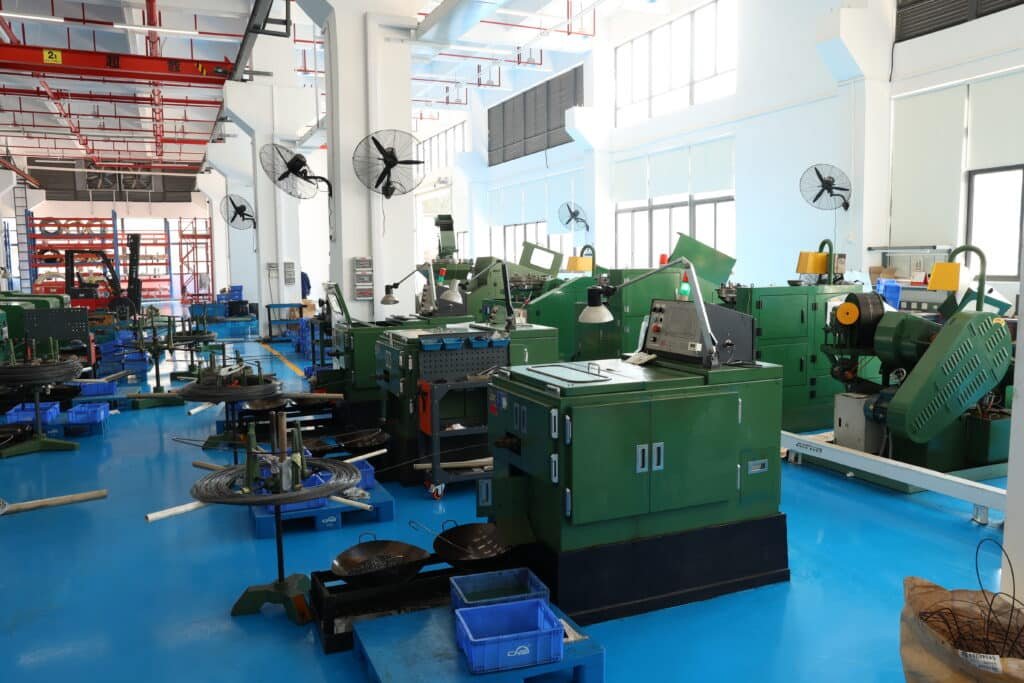
KEYFIX exemplifies this modernization through 32 CNC machines—including CNC lathes, mill-turn centers and two YCM NFX 380A 5-axis machining centers—alongside 25 cold heading machines, with heat treatment and surface finishing to specification, and a quality lab with a SPECTRO (Germany) OES spectrometer, 2D video measuring and Shining3D 3D scanning.
Cost and Lead Time Advantages
| Factor | Typical Range | KEYFIX Advantage |
|---|---|---|
| Tooling Cost | $2,000-$8,000 | In-house tool room reduces 30-40% |
| Material Cost | Market-based | Volume purchasing 12-18% savings |
| Labor Efficiency | Variable | Automation + skilled workforce |
| Prototype Lead Time | 2-4 weeks industry | Typically 7–14 business days |
| Production Lead Time | 4-8 weeks industry | Typically 4–6 weeks after sample approval |
| Minimum Quantity | 1,000-5,000 typical | 500 pieces (100 prototypes) |
Cost competitiveness stems from vertical integration—in-house tool room produces Swiss-type guide bushings and collets, material purchasing volume generates 12-18% savings versus spot market pricing, automated production cells reduce labor content per piece. For Western buyers, landed costs from Chinese custom screw machining services typically run 25-40% below domestic alternatives when comparing equivalent quality, lead times, and service levels.
Production flexibility accommodates prototype through production volumes. Small-batch capabilities (100-500 pieces) enable design validation without excessive minimum orders. Large-volume efficiency (1 million+ pieces annually per component) leverages automated cells and optimized material procurement. KEYFIX maintains dedicated prototype machining cells separate from production lines, ensuring rapid turnaround without disrupting scheduled manufacturing.
Selecting a Screw Machining Partner
Evaluating potential suppliers requires assessing technical capabilities, quality system maturity, and collaborative engineering support beyond price comparisons.
Supplier Evaluation Framework
| Criterion | Basic Capability | KEYFIX Standard |
|---|---|---|
| Equipment | Single technology focus | CNC turning + mill-turn + 5-axis machining |
| Size Range | Limited diameter range | M1.2–M30 threads; larger sizes on request |
| Certifications | ISO 9001 only | IATF 16949 + ISO 9001 + ISO 14001 |
| Quality Lab | Basic inspection | SPECTRO OES, 2D video measuring, hardness; tensile via third-party labs |
| Engineering Support | Order processing | DFM analysis, material consultation, prototyping |
| Secondary Operations | Not coordinated | Heat treatment, plating and assembly to specification under one quality plan |
| Minimum Quantity | 5,000-10,000 | 500 production (100 prototype) |
| Lead Time | 6-10 weeks | Typically 4–6 weeks production, 7–14 business days samples |
Manufacturing Capability Assessment examines equipment diversity and condition. Modern Swiss-type CNC lathes with sub-spindles, live tooling, and Y-axis capability indicate serious investment. Multi-spindle automatics demonstrate high-volume competency. CNC machining centers, thread rolling equipment, and heat treatment facilities suggest vertical integration eliminating coordination challenges.
Engineering Collaboration differentiates manufacturing partners from order processors. Experienced suppliers provide Design for Manufacturability feedback—identifying features difficult to produce, suggesting tolerance relaxations maintaining functionality while reducing costs, recommending alternative materials offering equivalent performance at lower prices. KEYFIX engineers conduct complimentary DFM reviews, leveraging 20+ years collective screw machining experience across automotive, industrial machinery, precision instrument, and electronics sectors.
Quality System Depth extends beyond certification plaques. Review actual procedures, calibration records, and corrective action processes. Statistical process control implementation—real-time monitoring, automated alerts, operator authority adjusting processes—indicates proactive quality culture. KEYFIX’s quality management system integrates SPC software with production equipment, recording dimensional data automatically and flagging trends requiring investigation.
Conclusion
The specialized requirements of precision turned components demand manufacturing partners combining advanced screw machining technologies, material expertise, and systematic quality management. KEYFIX provides custom screw machining services through 32 CNC machines and integrated secondary operations, holding ±0.005 mm on critical features.
IATF 16949, ISO 9001 and ISO 14001 certifications demonstrate quality system maturity for automotive and general industrial requirements. In-house machining and cold forging, with heat treatment and surface finishing, enable single-source accountability—prototypes typically in 7–14 business days and production typically 4–6 weeks after sample approval.
Whether your application involves automotive sensor housings requiring PPAP documentation, precision instrument parts demanding dimensional stability, machinery components needing material traceability, or electronics connectors requiring micro-precision tolerances, KEYFIX engineers optimize material selection and manufacturing processes delivering reliable performance.
Contact our engineering team to discuss your custom screw machining requirements—we’ll analyze component geometry, material specifications, volume requirements, and quality standards developing cost-effective solutions meeting technical and delivery objectives.