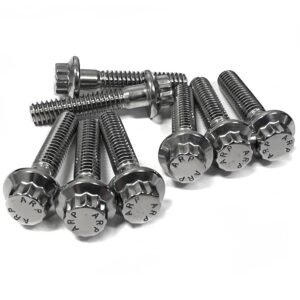
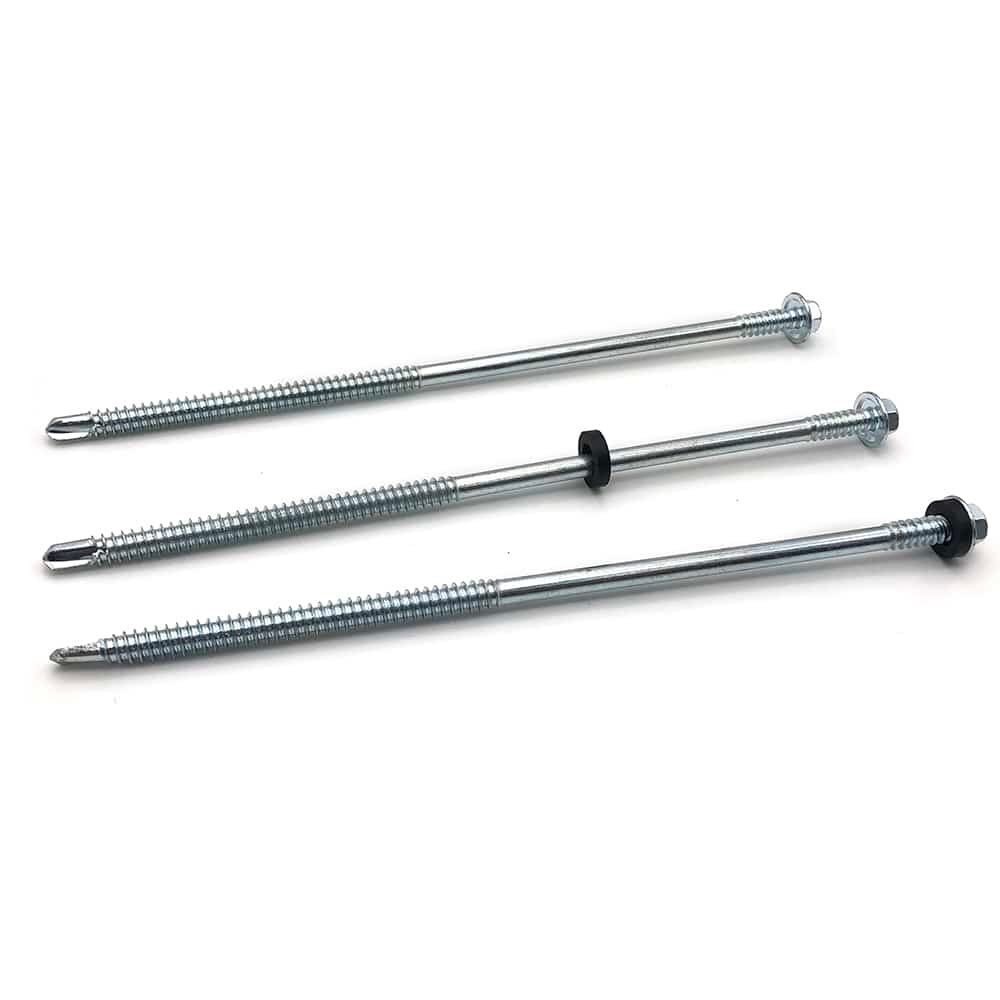
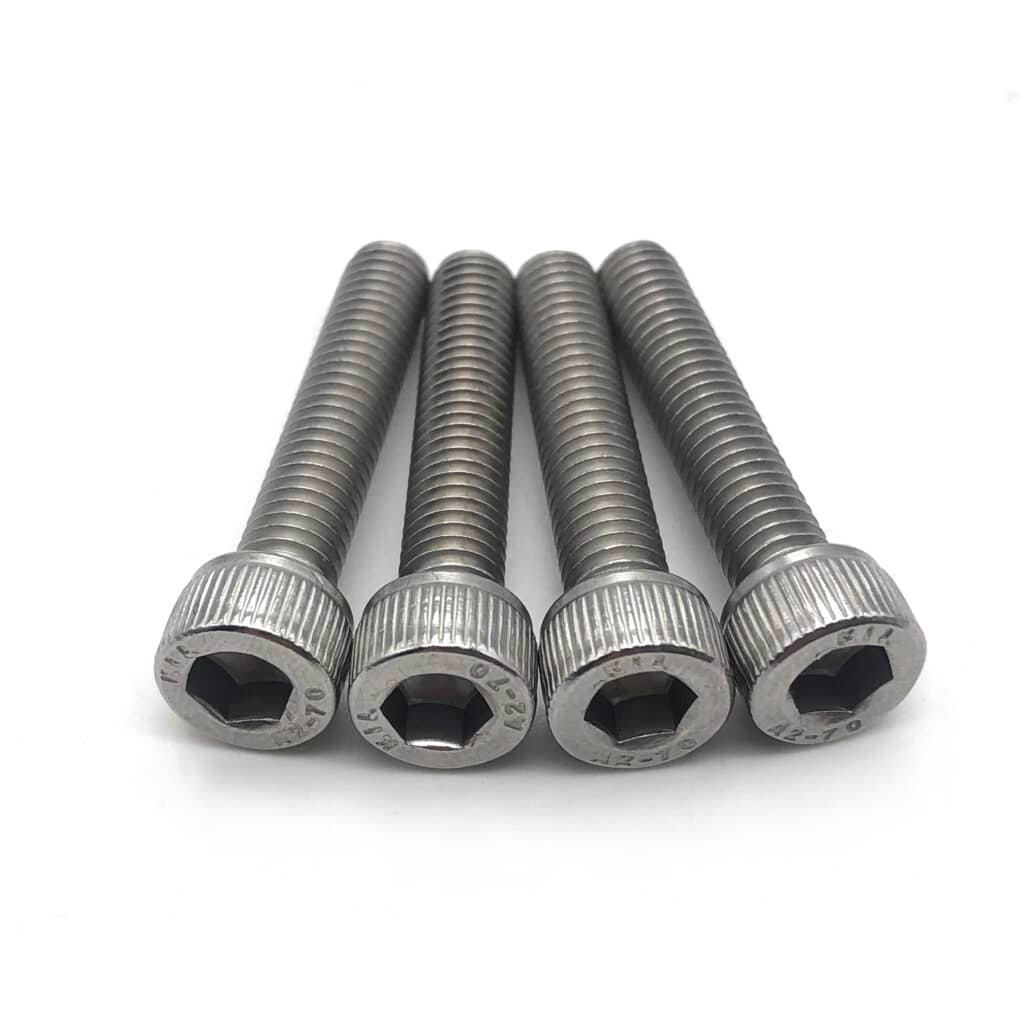
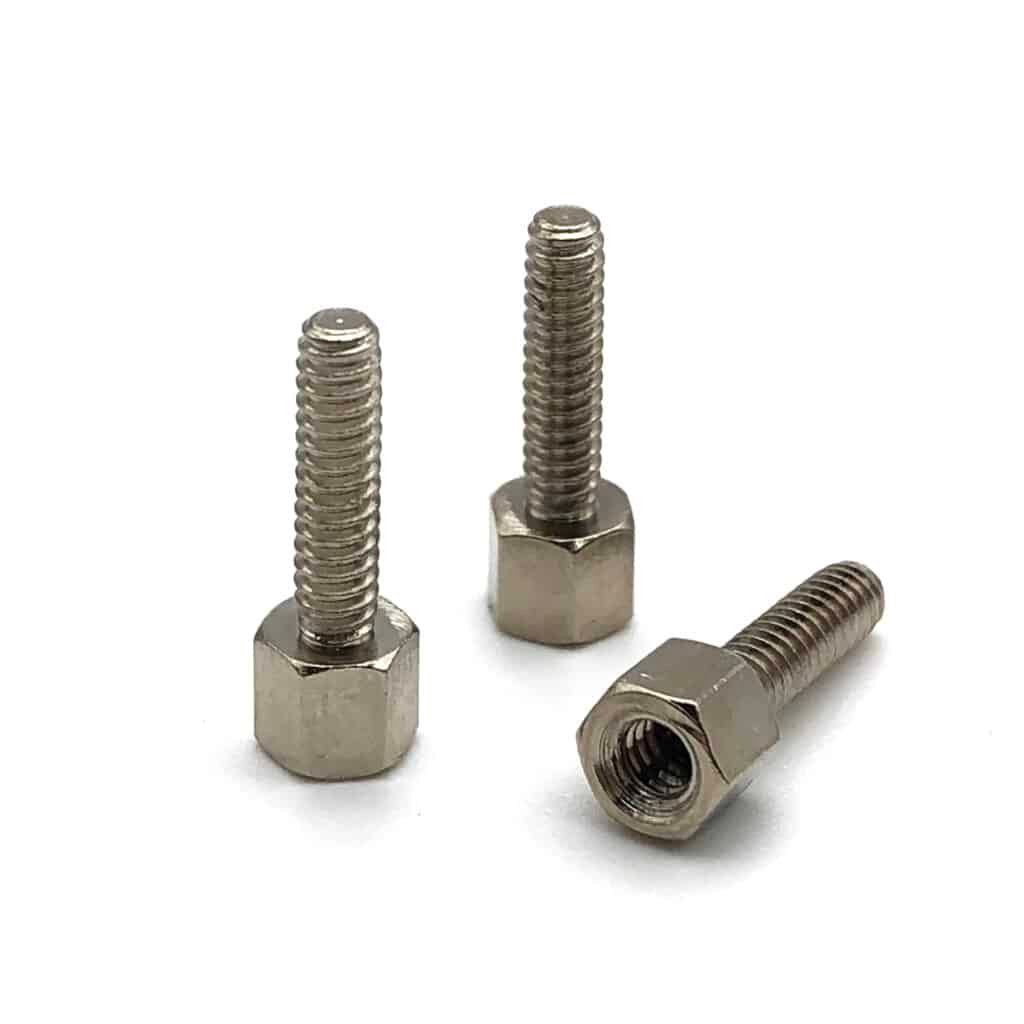
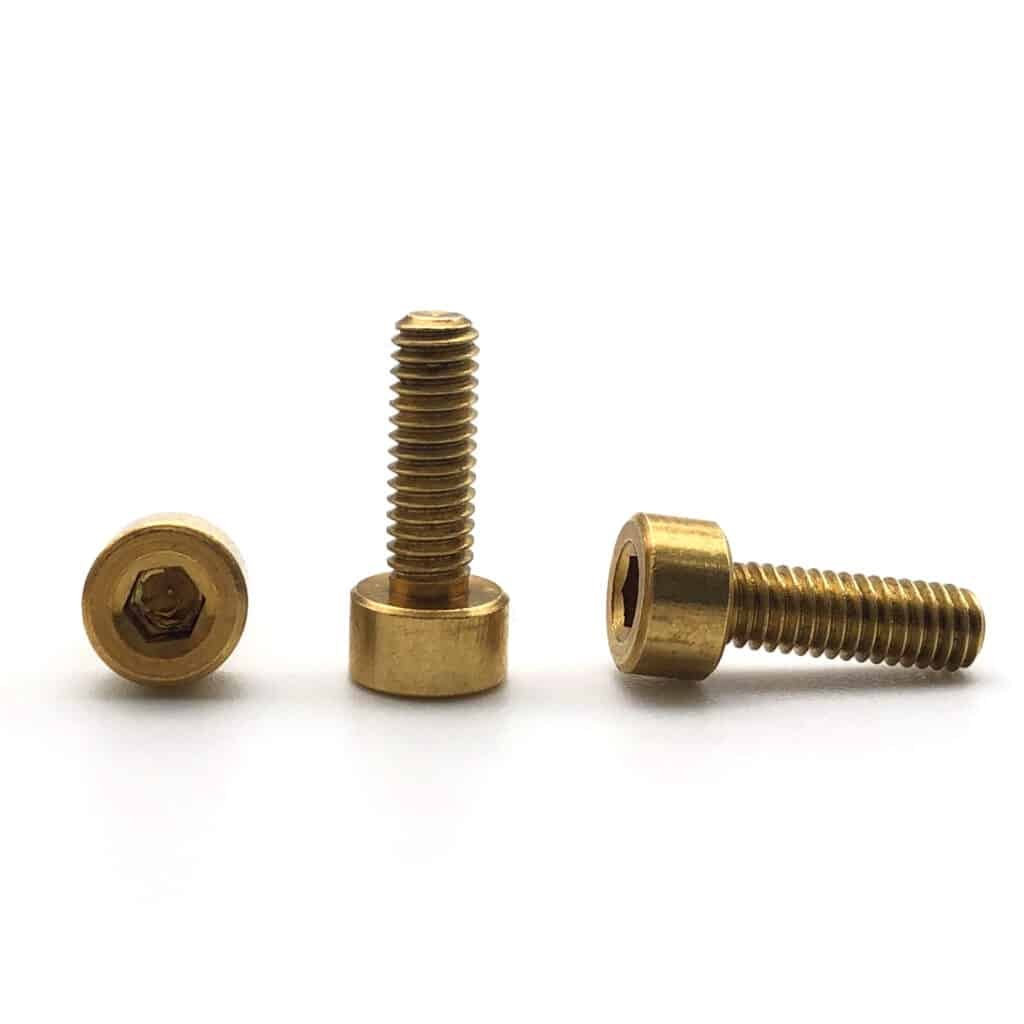
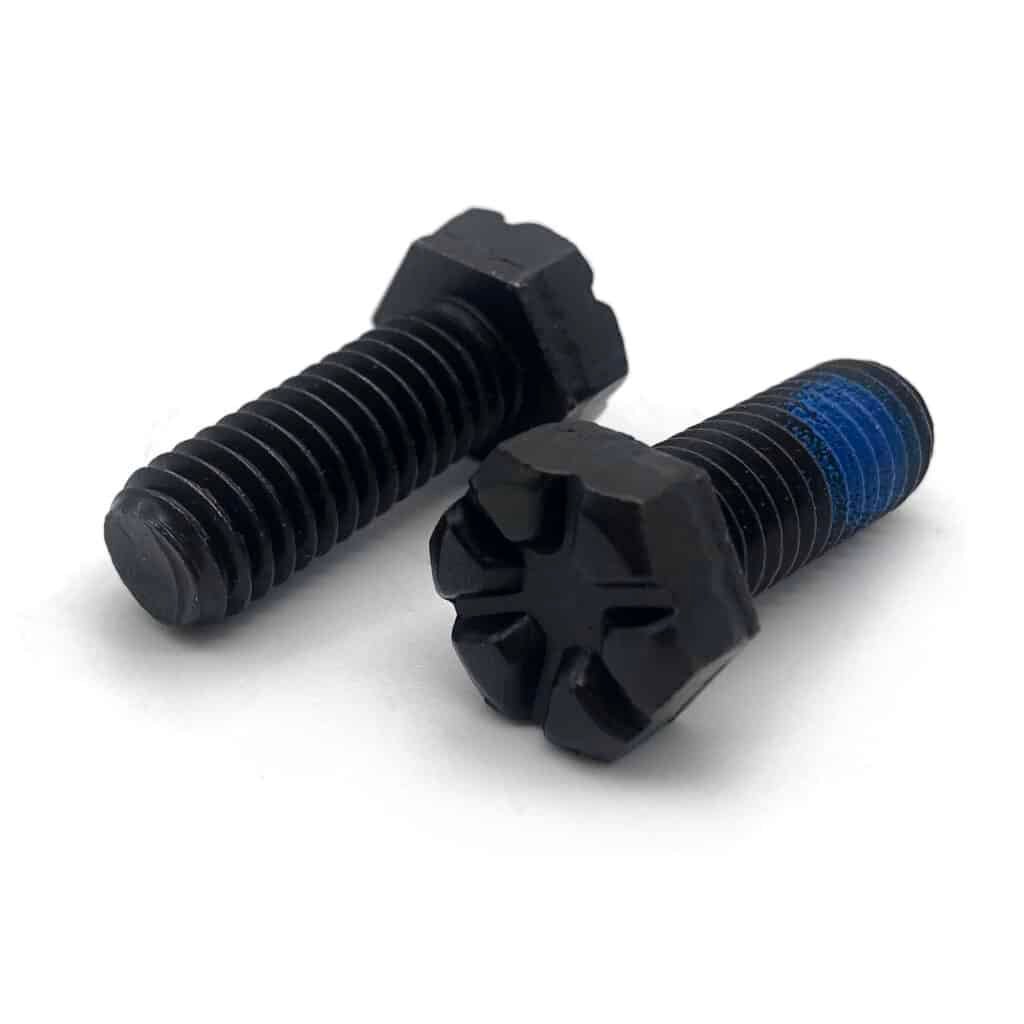
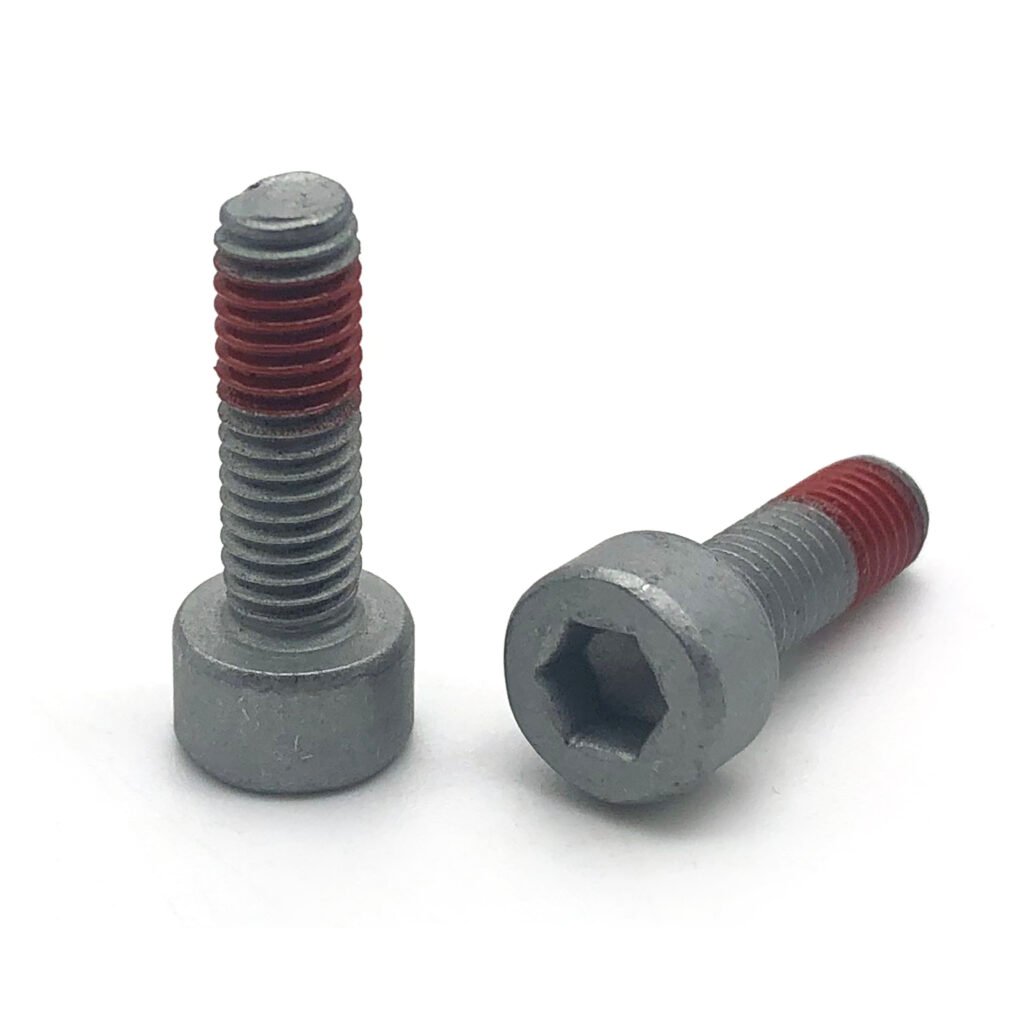
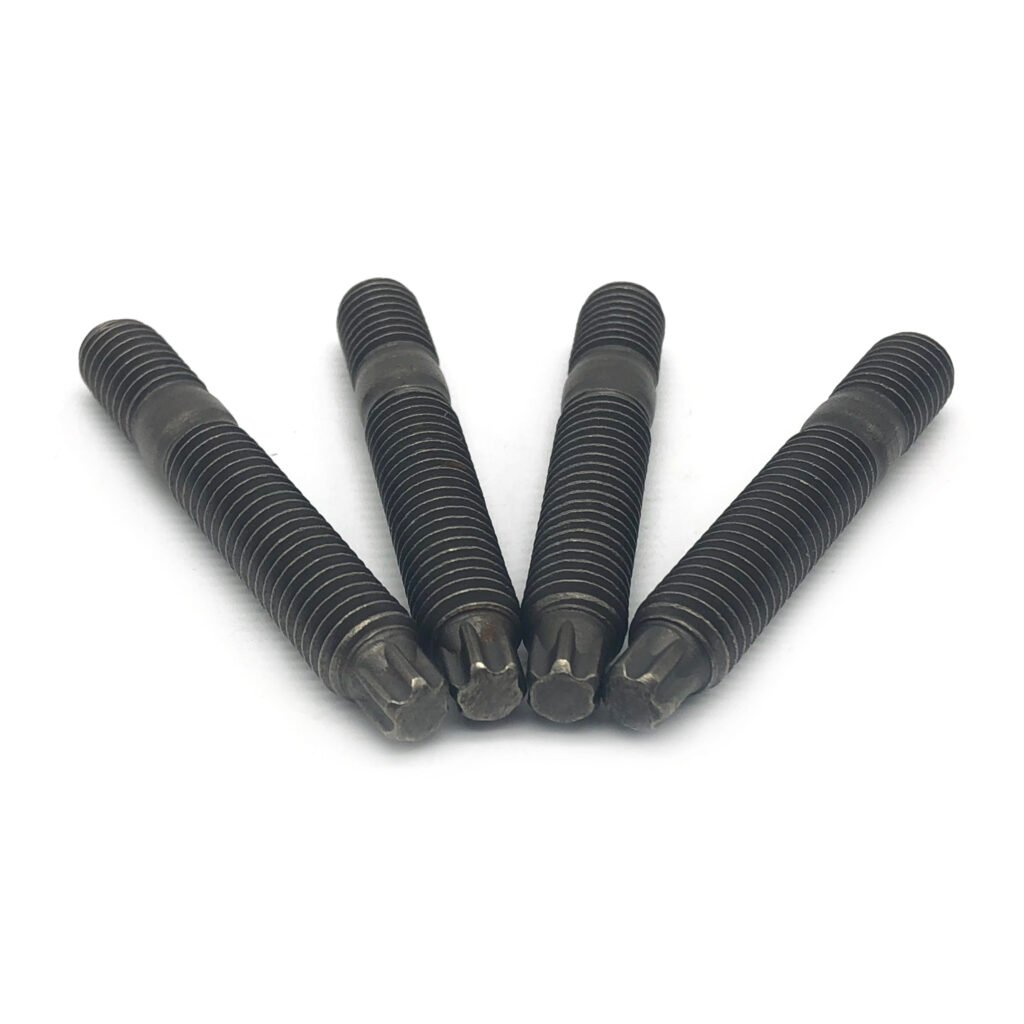
Automotive power screws are high-strength precision fasteners designed for critical load-bearing applications in vehicle powertrain, chassis, and structural assemblies. These specialized screws convert rotational motion into linear motion or withstand extreme torque and tensile loads in engines, transmissions, steering systems, and suspension components. As an IATF 16949 certified China automotive screws manufacturer, Keyfix delivers precision power screws engineered for demanding automotive performance, safety, and reliability standards worldwide.
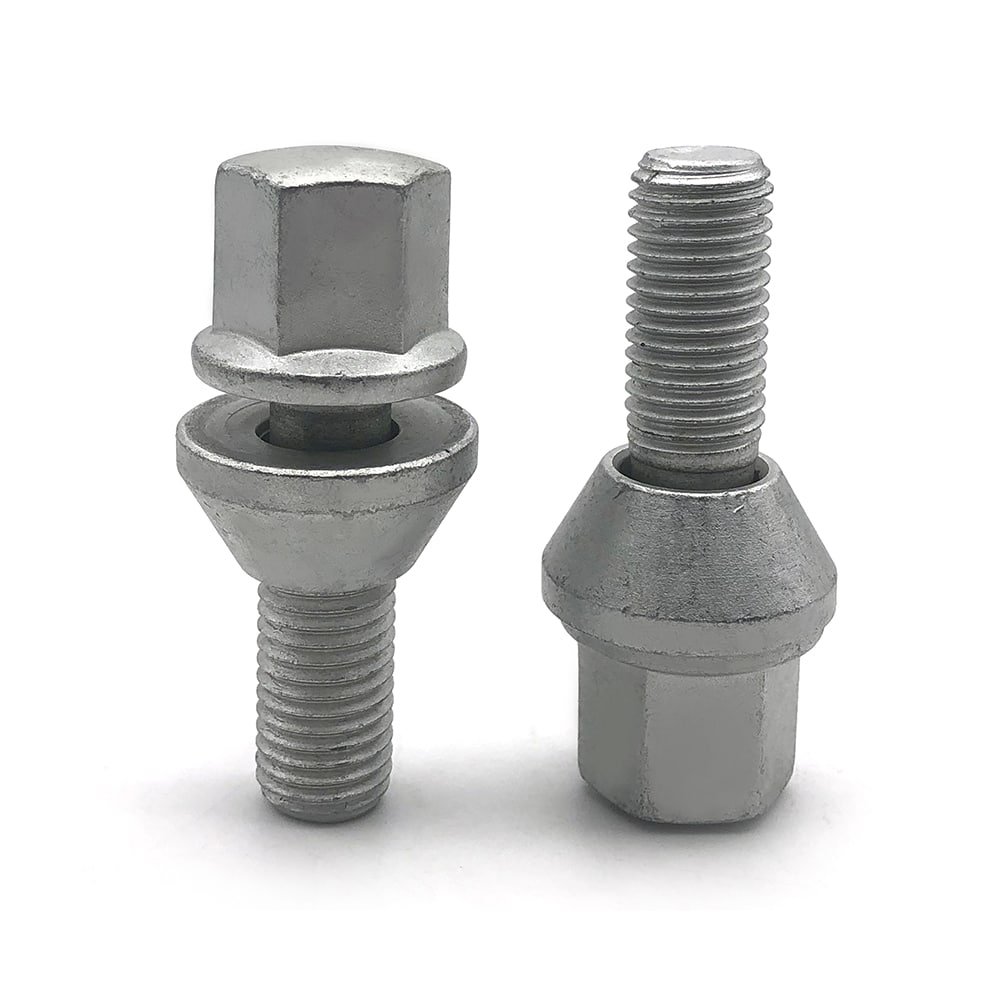
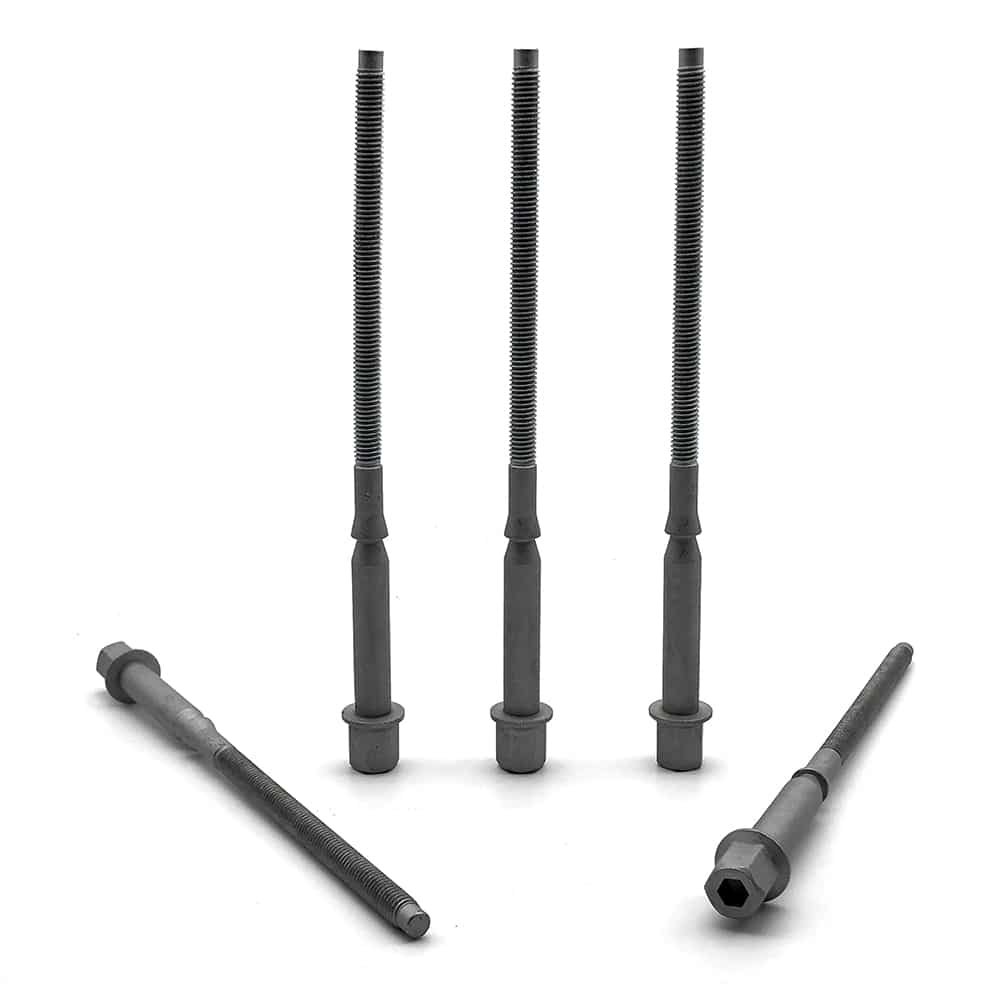
Product Introduction: Automotive Power Screws Explained
Understanding Automotive Power Screws
Automotive power screws serve dual functions as mechanical power transmission elements converting rotary to linear motion in actuators, jacks, and adjustment mechanisms, and as high-strength fasteners securing critical powertrain and chassis components under extreme loads. These precision components must provide exceptional tensile and shear strength for safety-critical applications, accurate thread forms for smooth power transmission, fatigue resistance for millions of operating cycles, precise dimensional control for proper fit and function, and corrosion resistance for long-term reliability.
Power screw applications in automotive systems include engine mounting bolts and head studs, transmission assembly high-torque fasteners, suspension and steering load-bearing connections, seat adjustment mechanisms and actuators, brake caliper mounting and high-stress applications, and chassis structural connections requiring maximum strength.
Why Choose Custom Automotive Power Screws?
Standard power screws serve general applications, but automotive manufacturing often demands specifications beyond catalog offerings. Custom manufacturing from a specialized China automotive factory allows you to specify exact thread specifications for load and motion requirements, high-strength materials and heat treatment, precise lead and pitch for power transmission, specialized coatings for extreme environments, unique head styles for specific applications, and integrated features optimizing performance. Explore our automotive fastener solutions for comprehensive power screw options.
Modern vehicles increasingly utilize power screws in electrification systems, active suspension, advanced driver assistance systems (ADAS), and lightweight structures requiring optimized high-strength fasteners.
Manufacturing Technologies for Automotive Power Screws
CNC Machining
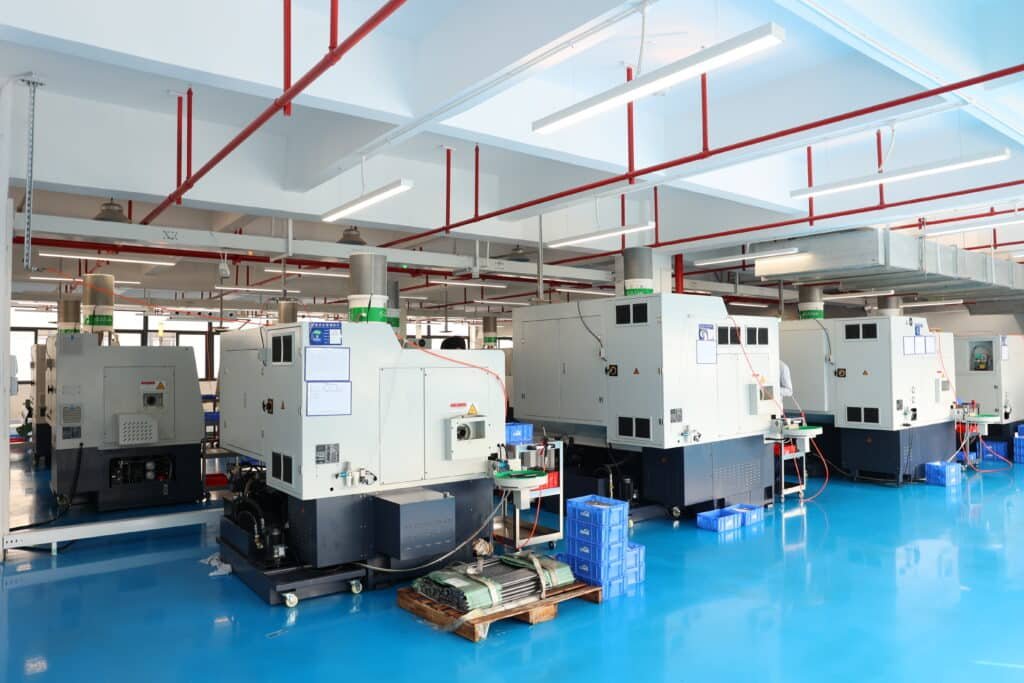
CNC Machining provides precision manufacturing for complex power screw designs, offering tight tolerances (±0.01mm to ±0.02mm) for critical thread and bearing surfaces, multi-axis capability for complex geometries and features, superior surface finish (Ra 0.8-3.2μm) for smooth operation, and compatibility with high-strength alloy steels and exotic materials. CNC machining excels at producing power screws for steering actuators, seat adjustment mechanisms, precision jack screws, and custom high-performance applications. Learn more about our CNC machining capabilities for power transmission components.
Cold Heading
Cold Heading produces high-strength automotive power screws through work hardening, creating enhanced material strength (30-50% increase) through cold forming, consistent head and thread geometry for reliable performance, excellent material utilization (95%+ efficiency), and cost-effective high-volume production for automotive assembly. Cold heading is ideal for engine mounting bolts, transmission fasteners, suspension bolts, and structural chassis connections. Discover our cold forging technology for high-strength automotive applications.
Thread Rolling (secondary operation) creates superior threads with work-hardened surfaces for maximum fatigue resistance, precise thread forms for power transmission efficiency, smooth finish reducing friction and wear, and enhanced tensile strength compared to cut threads. Learn more about our stamping and forming capabilities for specialized fastener production.
Heat Treatment optimizes mechanical properties through through-hardening for maximum strength (grades 10.9, 12.9), case hardening for wear resistance with tough core, tempering for optimal hardness/toughness balance, and stress relieving for dimensional stability.
Material Selection for Automotive Power Screws
High-Strength Steel Grades
| Material Grade | Tensile Strength | Typical Hardness | Primary Applications |
|---|---|---|---|
| Grade 8.8 | 800 MPa min | HRC 22-32 | General powertrain, chassis mounting |
| Grade 10.9 | 1040 MPa min | HRC 32-39 | Engine head bolts, high-stress connections |
| Grade 12.9 | 1220 MPa min | HRC 39-44 | Critical structural, racing applications |
| Alloy Steel (4140) | 850-1000 MPa | HRC 28-42 | Power transmission, actuator screws |
| Alloy Steel (4340) | 1100-1300 MPa | HRC 35-45 | Extreme load, safety-critical applications |
Stainless Steel Options
Stainless Steel (A4-70, A4-80) provides adequate strength with corrosion resistance, marine-grade durability for harsh environments, non-magnetic properties when required, and no coating requirements. Stainless steel power screws serve underbody applications, exhaust system mounting, and corrosion-prone areas requiring strength.
Surface Treatments for Power Screws
Zinc-Flake Coating (Geomet, Dacromet) offers superior corrosion protection (1000+ hours salt spray), excellent friction characteristics for consistent torque, high-temperature resistance up to 300°C, and standard for automotive underbody applications.
Phosphate + Oil provides lubricity for consistent installation torque, mild corrosion protection, excellent for torque-critical applications, and cost-effective for high-volume production.
Zinc-Nickel Plating delivers enhanced corrosion resistance (500-720 hours salt spray), good heat resistance, consistent friction coefficients, and ideal for chassis and powertrain fasteners. View our comprehensive surface treatment options for automotive power screws.
Automotive Power Screw Applications
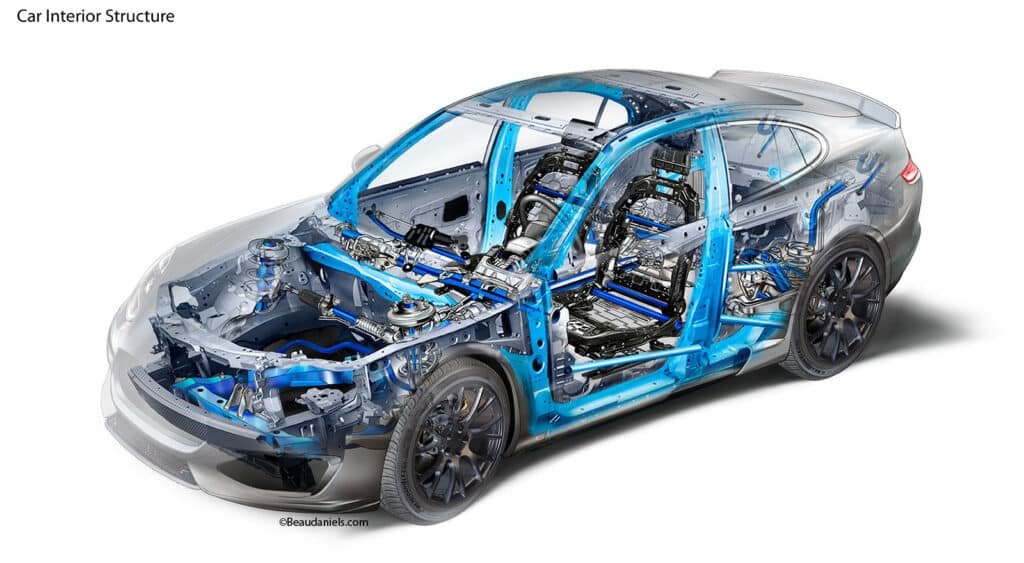
Engine and Powertrain Assembly
Power screws serve critical engine functions including cylinder head bolts requiring precise torque sequences, main bearing cap bolts with extreme clamping loads, connecting rod bolts under cyclic tensile stress, flywheel and flexplate mounting bolts, crankshaft pulley bolts, and timing cover high-torque fasteners. Explore our comprehensive custom fasteners for machinery applications that share similar high-strength requirements.
Requirements: Maximum tensile strength (grades 10.9-12.9), precise thread engagement and torque specifications, fatigue resistance for millions of combustion cycles, heat resistance for engine bay temperatures, complete material traceability for safety, and proven reliability in durability testing.
Typical Specifications: M8-M16 sizes, grades 10.9-12.9, lengths 30-150mm, zinc-flake or phosphate coatings.
Transmission and Drivetrain
Transmission applications include bellhousing mounting bolts, torque converter bolts under rotational stress, differential carrier bolts, axle mounting fasteners, CV joint retention bolts, and transfer case assembly fasteners.
Requirements: High shear strength for torque transmission, vibration resistance in rotating assemblies, precise torque-to-yield specifications, corrosion protection for underbody exposure, and compatibility with transmission fluids.
Typical Specifications: M10-M14 sizes, grade 10.9 minimum, various head styles, protective coatings.
Chassis and Suspension Systems
Chassis power screws serve control arm mounting bolts, subframe attachment points, suspension strut mounting, steering rack mounting bolts, sway bar link connections, and frame reinforcement fasteners.
Requirements: Extreme shear and tensile strength for safety, fatigue resistance for road loads and impacts, corrosion resistance for underbody exposure, precise fit for suspension geometry, thread-locking features for vibration, and compliance with automotive safety standards.
Typical Specifications: M10-M16 sizes, grades 8.8-10.9, flange head or hex head, zinc-flake coatings.
Steering System Components
Steering applications include steering column mounting, rack and pinion attachment, tie rod end retention, power steering pump mounting, and steering gear housing bolts.
Requirements: Absolute reliability for safety, precise torque specifications for proper preload, high strength for steering forces, vibration resistance, corrosion protection, and complete traceability.
Typical Specifications: M8-M12 sizes, grade 10.9, various configurations, protective coatings.
Seat Adjustment and Safety Systems
Seat applications serve seat track mounting bolts, seat back recliner mechanisms, power seat actuator screws, seat belt anchor bolts, and airbag housing fasteners.
Requirements: Safety-critical strength specifications, precise thread forms for smooth adjustment, corrosion resistance for cabin environment, fatigue resistance for repeated adjustments, and regulatory compliance for crash safety.
Typical Specifications: M6-M10 sizes, various grades, special head styles, corrosion protection.
Power Transmission Applications
Power transmission power screws include linear actuator lead screws, jack screw mechanisms, position adjustment systems, load-bearing translation screws, and mechanical advantage applications. For lightweight high-performance applications, consider our lightweight fastener solutions optimized for racing and electric vehicles.
Requirements: Precision thread forms for efficiency (Acme, trapezoidal), accurate lead and pitch for positioning, superior surface finish for smooth operation, wear-resistant materials and coatings, and dimensional stability under load.
Typical Specifications: Custom threads, various diameters, precise tolerances, specialized materials.
Inspection Methods for Automotive Power Screws
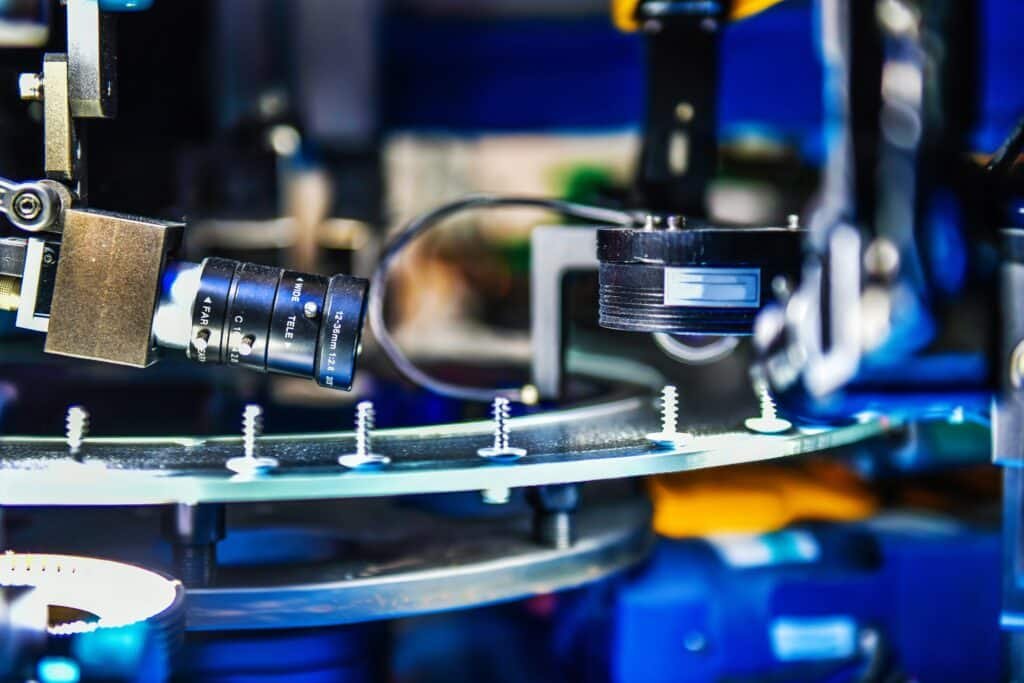
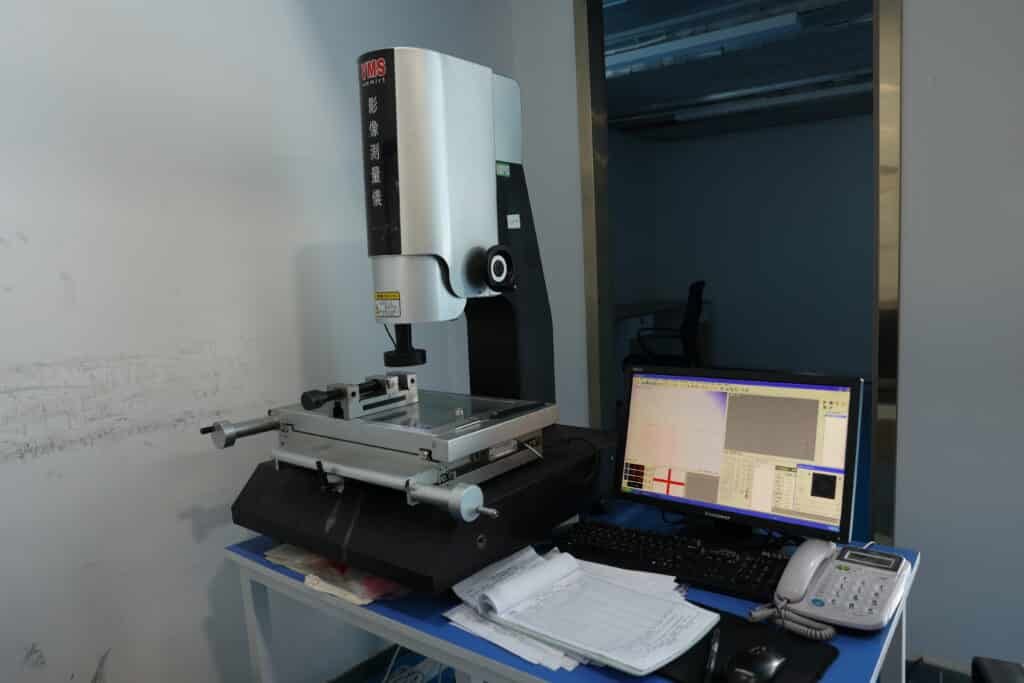
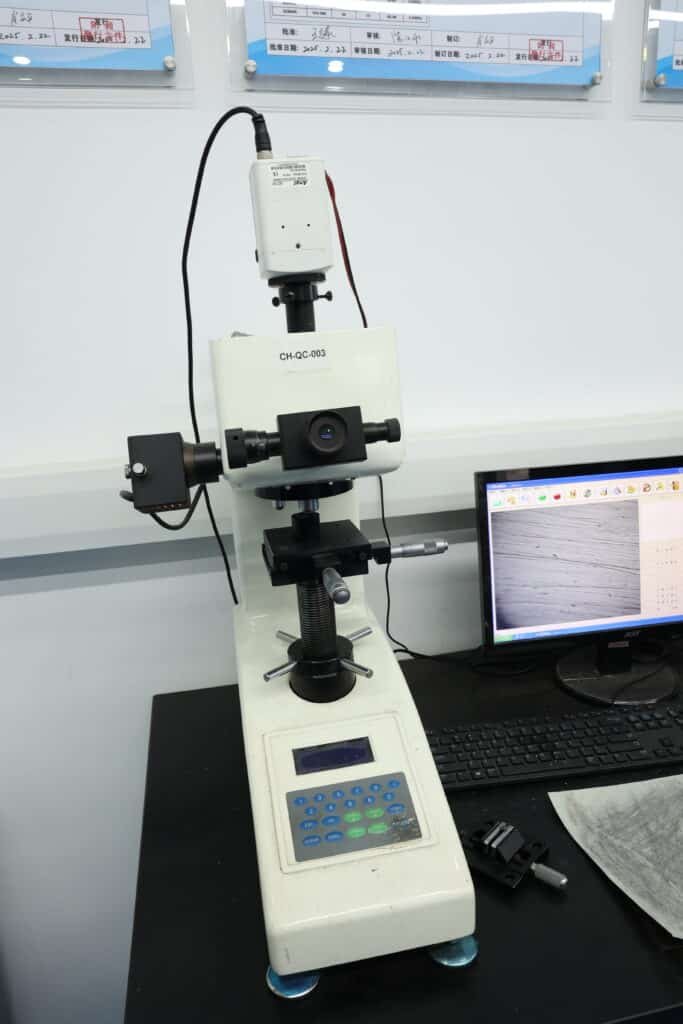
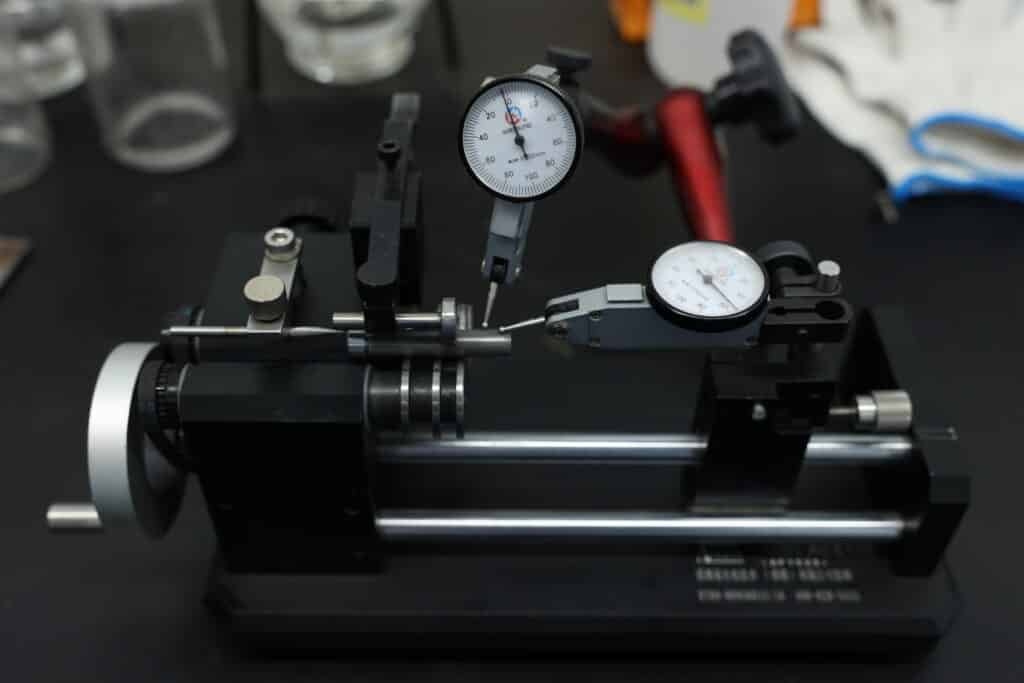
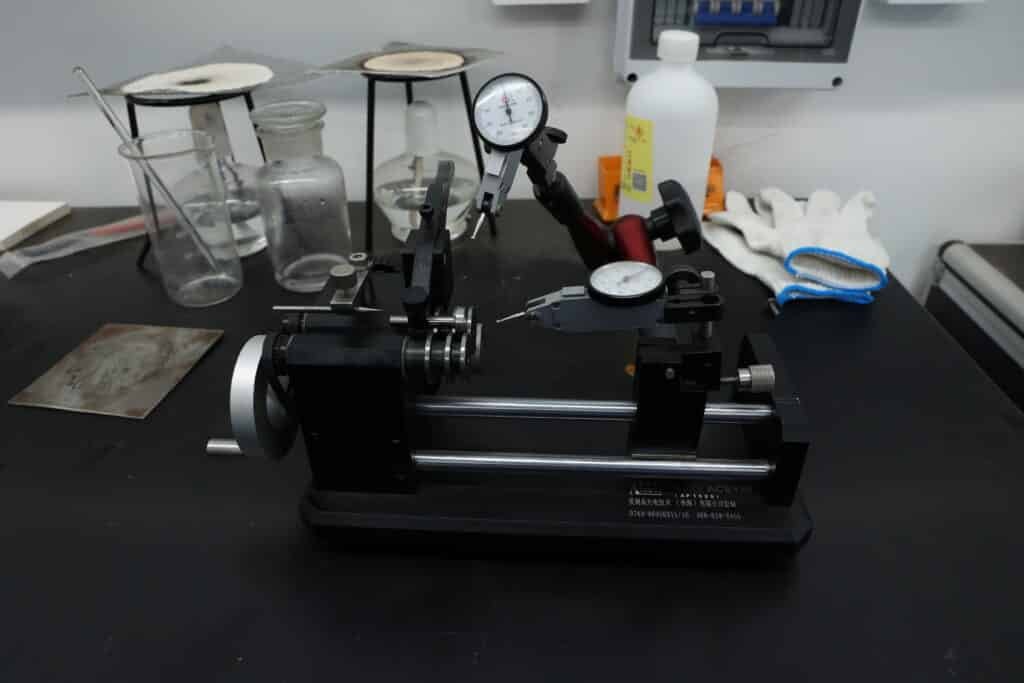
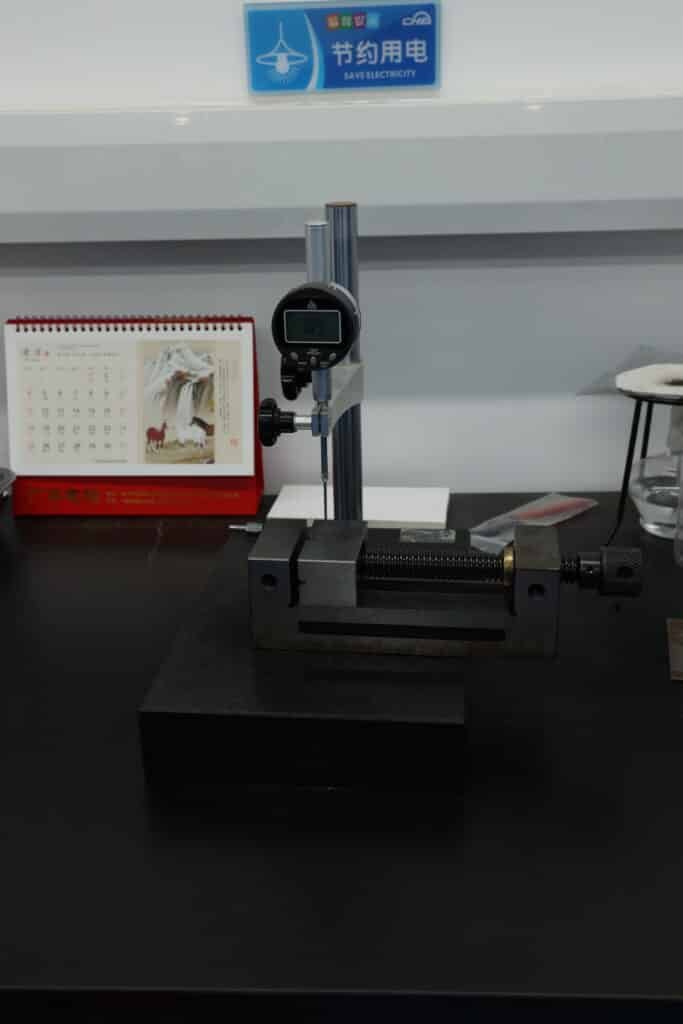
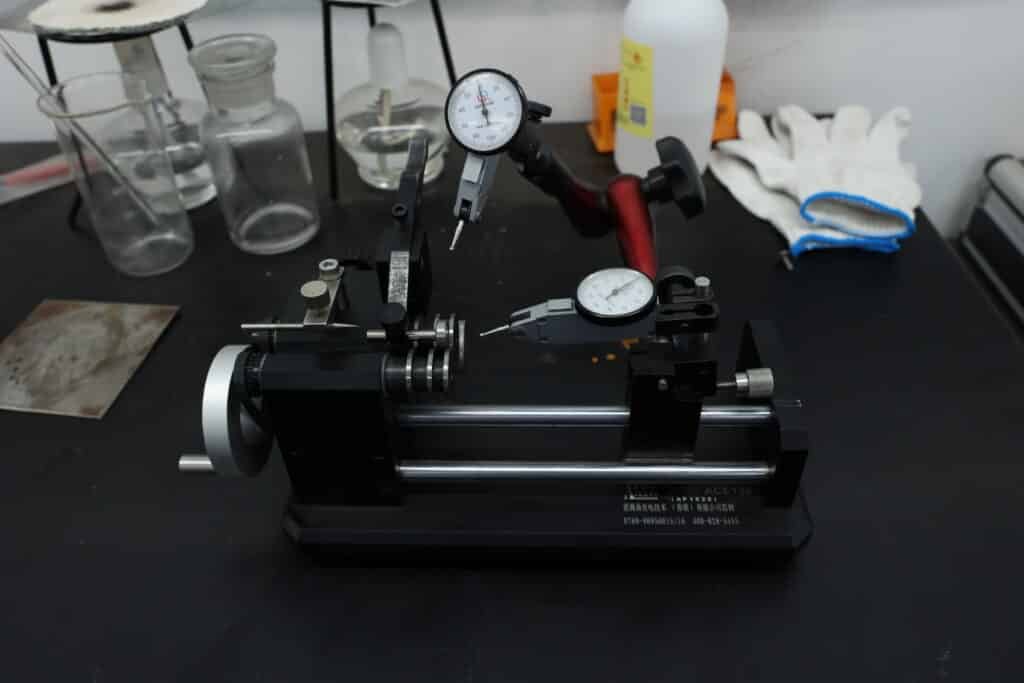
Dimensional and Thread Verification
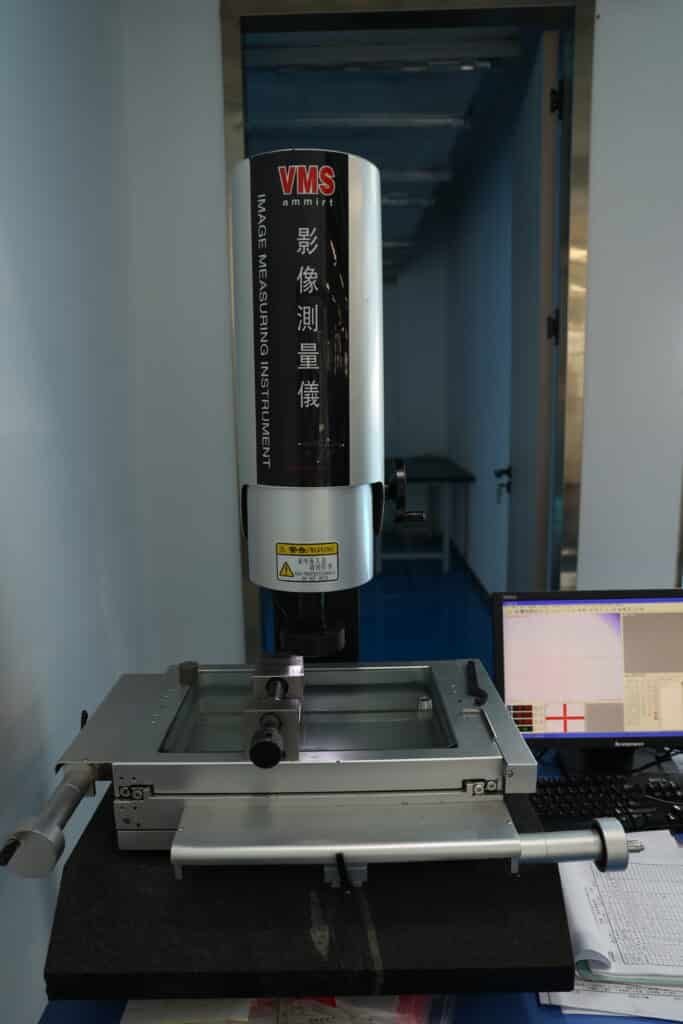
Thread Measurement using optical comparators and thread gauges verifies pitch diameter to ±0.02mm, major and minor diameter specifications, thread form accuracy, and lead/pitch precision for power transmission screws.
Dimensional Inspection confirms head dimensions and tolerances, overall length to ±0.1mm, shank diameter specifications, and special feature dimensions.
Mechanical Properties Testing
| Test Type | Purpose | Standard | Acceptance Criteria |
|---|---|---|---|
| Tensile Testing | Ultimate strength verification | ISO 898-1, ASTM F606 | Grade 8.8: 800 MPa min, 10.9: 1040 MPa min |
| Proof Load | Yield strength validation | ISO 898-1 | 80% of minimum tensile strength |
| Hardness Testing | Heat treatment verification | HRC, HV per grade | Grade 8.8: HRC 22-32, 10.9: HRC 32-39 |
| Wedge Tensile | Head-to-shank strength | ISO 898-1 | No premature failure |
| Torsional Strength | Thread strength | Customer specification | Minimum stripping torque requirements |
Material Verification and Coating Analysis
Chemical Composition Analysis using optical emission spectrometry (OES) verifies material grade specifications, ensures batch consistency, confirms alloy element content, and provides traceability documentation.
Hardness Testing validates heat treatment effectiveness across the screw, confirms core and case hardness for case-hardened parts, ensures consistency within specification range, and verifies batch-to-batch uniformity.
Coating Thickness Measurement using X-ray fluorescence (XRF) or magnetic methods confirms coating meets specifications (typically 8-15μm for zinc-flake), validates corrosion protection capability, ensures automotive standards compliance, and provides documentation for PPAP.
Functional Performance Testing
Torque Testing validates installation torque specifications, confirms breakaway and prevailing torque for thread-locking features, verifies torque-to-yield behavior for TTY fasteners, and ensures consistent friction coefficients with specified coatings.
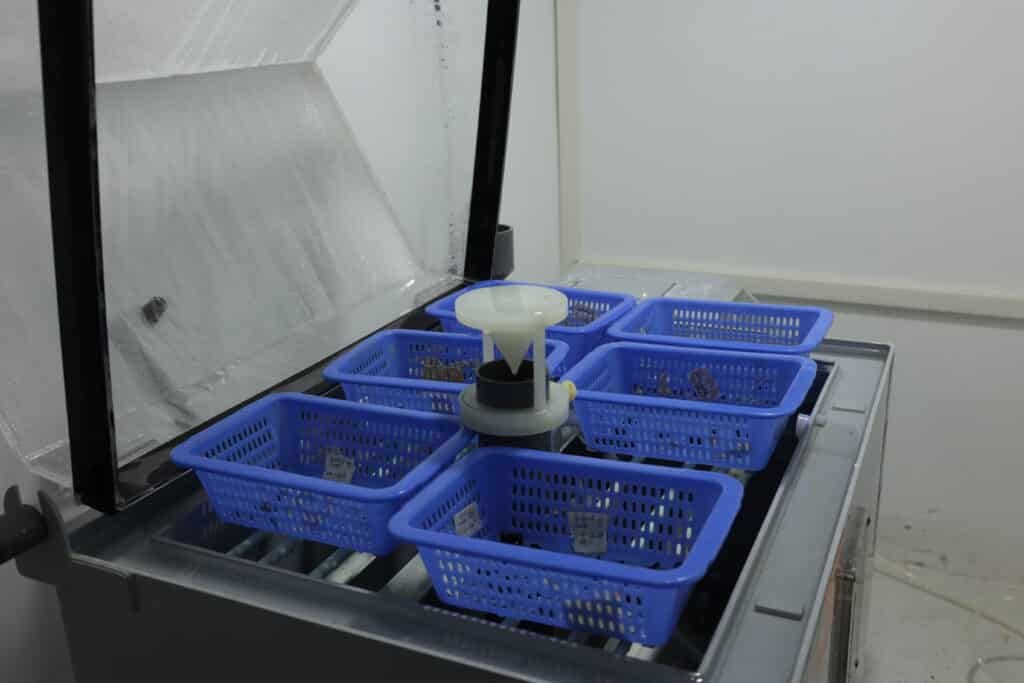
Salt Spray Testing per ASTM B117 and automotive standards (GMW 3044, VW PV 1210) confirms 720-1000 hours corrosion resistance for zinc-flake coatings, validates coating integrity, and ensures long-term durability in automotive environments.
Fatigue Testing simulates service life through cyclic tensile and shear loading, determines fatigue limit for critical applications, validates material and heat treatment, and correlates with field performance data for warranty confidence.
Statistical Process Control
Real-time SPC monitoring tracks critical dimensions including thread pitch and diameter, head dimensions and tolerances, and overall length. Process capability studies demonstrate Cpk >1.33 for automotive requirements, validate process centering and stability, and provide PPAP documentation for quality submissions.
Frequently Asked Questions
What differentiates automotive power screws from standard fasteners?
Automotive power screws are engineered for extreme loads and critical applications, featuring higher strength grades (8.8, 10.9, 12.9) versus standard grade 4.8-5.8, precise torque specifications often with torque-to-yield requirements, superior fatigue resistance for cyclic loading, enhanced thread forms for power transmission when applicable, specialized coatings for automotive environments, and complete material traceability for safety-critical applications. Standard fasteners serve general purposes where loads, safety factors, and performance demands are less stringent.
How do I select the correct strength grade for my application?
Grade selection depends on load analysis and safety factors. Grade 8.8 (800 MPa) serves general powertrain and chassis mounting with moderate loads and standard safety factors. Grade 10.9 (1040 MPa) is required for engine head bolts, high-stress structural connections, and safety-critical applications requiring higher strength. Grade 12.9 (1220 MPa) serves extreme load applications, racing and performance vehicles, and applications where maximum strength with minimal size is needed. Our engineering team can perform load calculations and recommend optimal grades based on your specific application requirements, safety factors, environmental conditions, and cost considerations.
What are torque-to-yield (TTY) fasteners and when are they used?
Torque-to-yield fasteners are designed to be tightened beyond the elastic limit into plastic deformation, creating consistent clamping force regardless of friction variations. TTY bolts are common in cylinder head applications ensuring uniform gasket compression, critical joints requiring precise preload, and assemblies where friction variations would affect standard torque specifications. TTY fasteners are typically single-use and must be replaced during service. We manufacture TTY-capable power screws with precise material properties, controlled elongation characteristics, and complete documentation for automotive applications.
Can power screws be reused in automotive service?
Reusability depends on screw type and application. Standard power screws (non-TTY) in chassis and suspension can typically be reused if threads show no damage, torque specifications are followed, and visual inspection passes. However, torque-to-yield (TTY) fasteners must never be reused as they’re permanently deformed during installation. Critical engine fasteners should be replaced per manufacturer service intervals. Damaged threads, corrosion, or elongation indicate replacement is required. When in doubt, replacement ensures safety and reliability.
Do you meet IATF 16949 requirements for automotive power screws?
Yes, Keyfix maintains IATF 16949:2016 certification specifically for automotive power screws and high-strength fasteners. Our quality system ensures rigorous material verification and grade certification, dimensional inspection with statistical process control, mechanical property testing (tensile, proof load, hardness), complete traceability from raw material through finished parts, PPAP documentation including test reports and capability studies, heat treatment validation and certification, coating performance verification through salt spray testing, and compliance with customer-specific requirements from major automotive OEMs. We provide complete documentation supporting safety-critical applications.
What lead times are typical for automotive power screws?
Lead times vary by complexity, strength grade, and coating requirements. Prototypes and samples typically ship within 7–14 business days, and production typically ships 4–6 weeks after sample approval, depending on part complexity, quantity and surface treatment. Custom high-strength grades may need extra time for material procurement and heat treatment validation, which we confirm at quotation.
Keyfix: Your Trusted China Automotive Power Screws Factory
IATF 16949 Certified Manufacturer Since 2005
Established in 2005, Keyfix specializes in automotive power screws for global OEMs and Tier 1/2 suppliers. Our own factory in Guangdong features cold heading equipment for high-strength fastener production, precision CNC machining centers for complex power screw designs, heat treatment and coating including zinc-flake, thread rolling equipment for superior thread strength, and complete IATF 16949:2016 certified quality systems, with mechanical testing arranged through third-party testing laboratories. Learn more about our manufacturing technology and advanced capabilities.
Start Your Automotive Power Screws Project Today
Whether developing new vehicle platforms, optimizing powertrain assembly, requiring high-strength chassis fasteners, or seeking a qualified automotive supplier for safety-critical applications, Keyfix delivers the strength and reliability your applications demand. Contact us through our contact page with your specifications for strength grade recommendations, material and heat treatment selection, load analysis and safety factor validation, comprehensive quotations with mechanical testing data, and prototype development with full material certification.
Contact Keyfix today—your trusted IATF 16949 certified China automotive power screws manufacturer for strength, safety, and performance.