
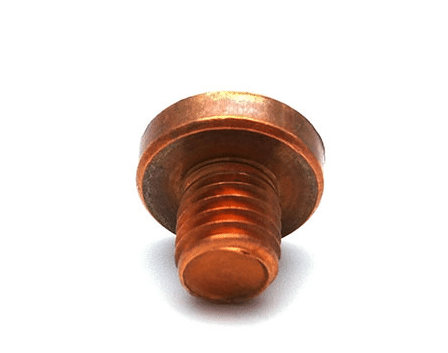
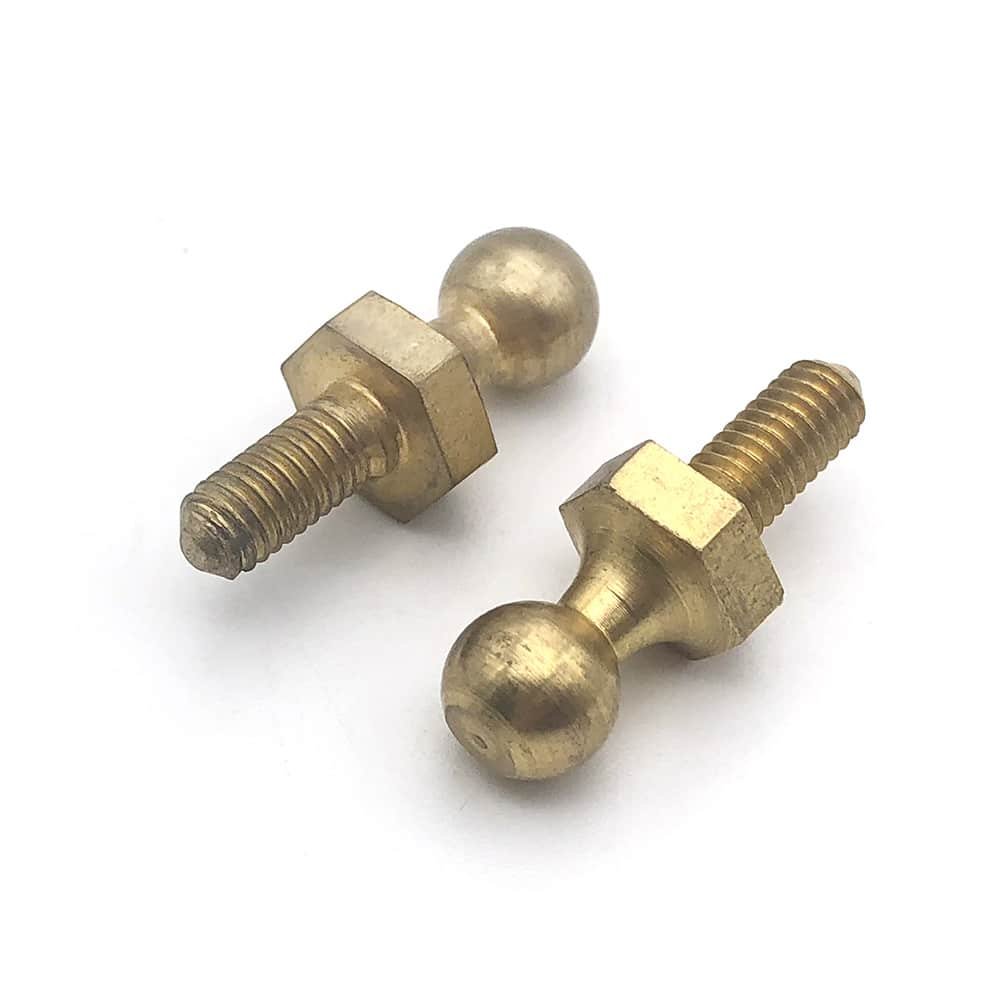
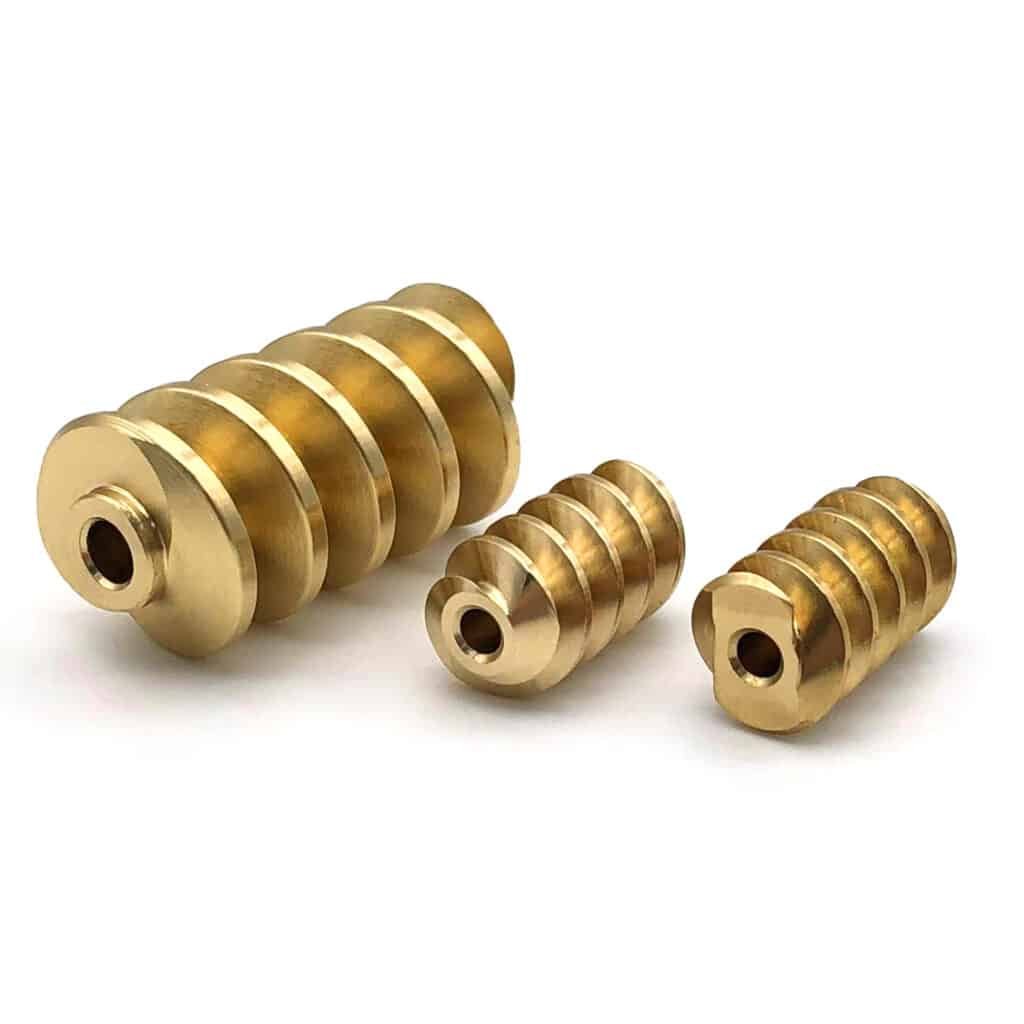
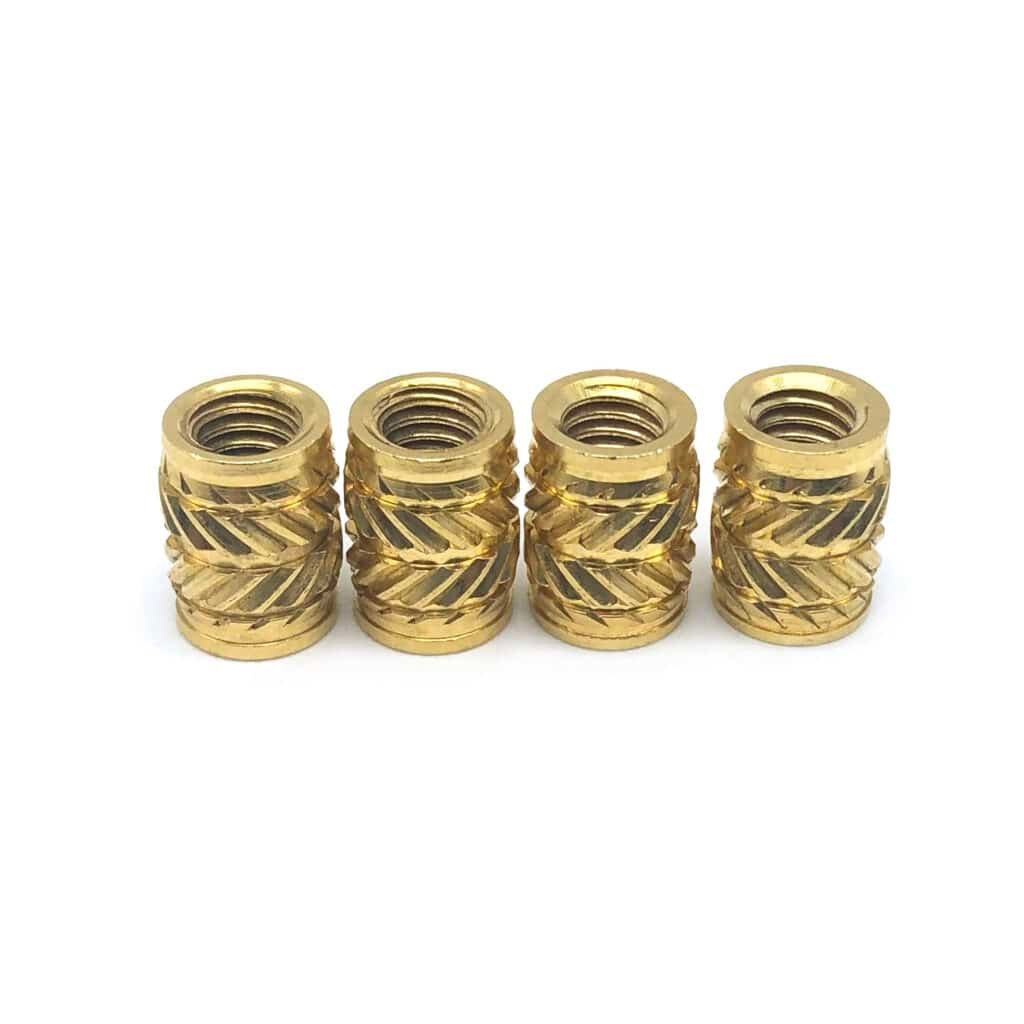
Brass screws offer unique advantages for automotive applications requiring superior corrosion resistance, electrical conductivity, attractive appearance, and non-magnetic properties. These specialized copper-zinc alloy fasteners serve electrical systems, decorative trim, fluid connections, and precision assemblies where brass’s distinctive properties provide performance benefits unattainable with steel or stainless steel. As an IATF 16949 certified China automotive screws manufacturer, Keyfix delivers precision brass screws engineered for demanding automotive electrical, aesthetic, and functional requirements worldwide.
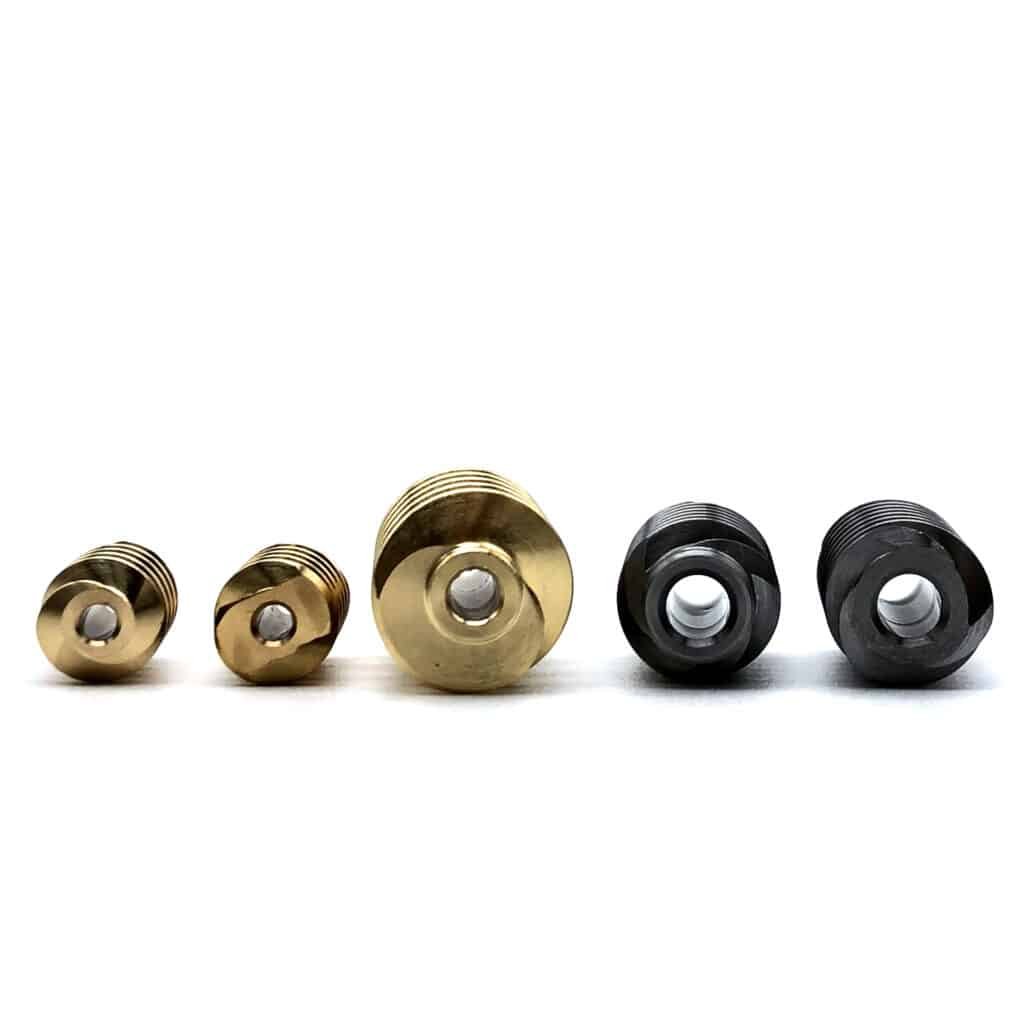
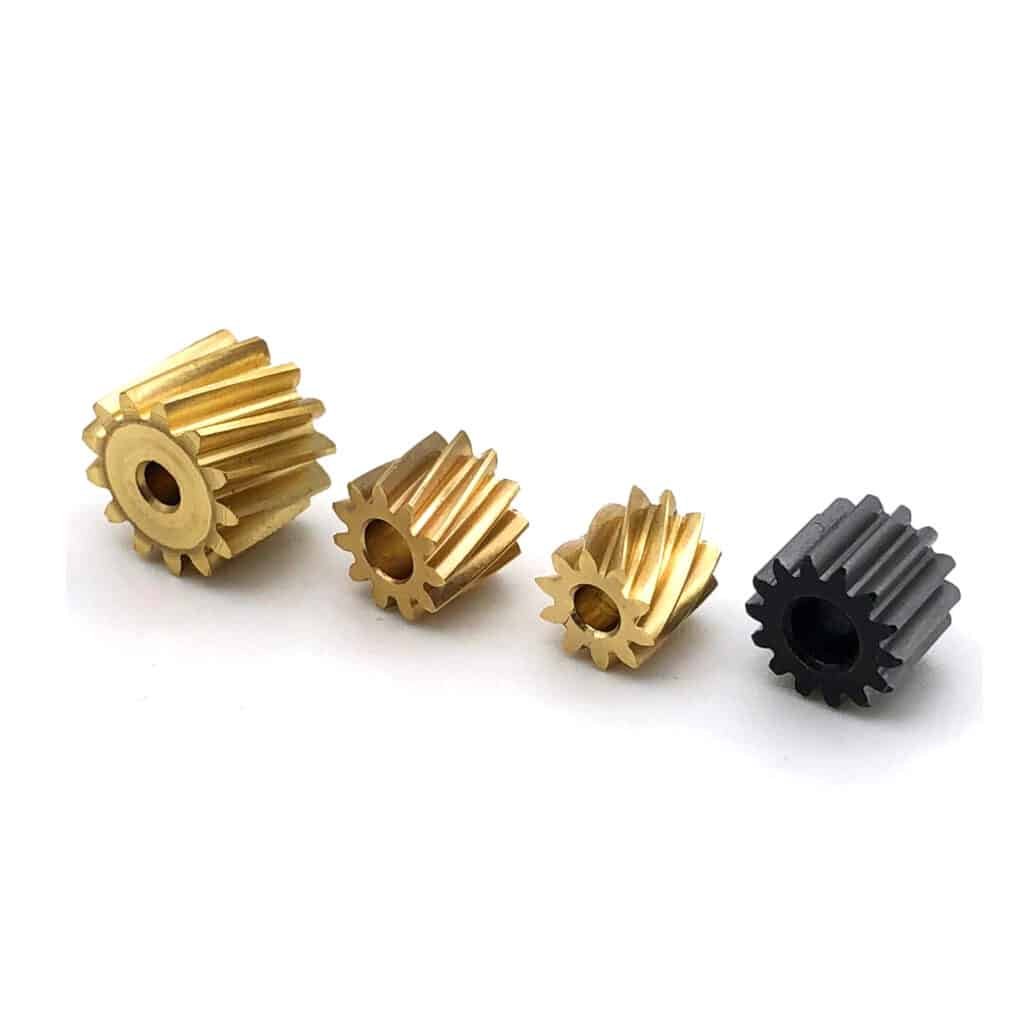
Understanding Brass Screws in Automotive Applications
What is Brass and Why Use It?
Brass is a copper-zinc alloy typically containing 60-70% copper and 30-40% zinc, offering a unique combination of properties ideal for specific automotive applications. The material provides excellent corrosion resistance in most environments without protective coatings, superior electrical conductivity (28-37% IACS) for electrical connections and grounding, attractive golden appearance for decorative applications requiring premium aesthetics, excellent machinability enabling complex geometries and tight tolerances, non-magnetic properties essential for sensor and electronic applications, natural antimicrobial properties beneficial in cabin environments, and good formability for cold heading and threading operations. Explore our comprehensive automotive fastener solutions including specialized brass options for electrical and decorative applications.
Brass screws resist dezincification in most automotive environments and maintain stable properties across typical operating temperature ranges (-40°C to +120°C), making them reliable for long-term automotive service.
Manufacturing Technologies for Brass Automotive Screws
CNC Machining
CNC Machining provides precision manufacturing for complex brass screw designs, offering exceptional machinability with brass being one of the easiest metals to machine, tight tolerances (±0.01mm to ±0.02mm) for electrical and decorative applications, superior surface finish (Ra 0.4-1.6μm) achieving polished appearance without secondary operations, high-speed production with minimal tool wear due to brass’s soft properties, and capability for intricate geometries including knurling, grooving, and custom features.
Brass’s machinability rating of 100% (the benchmark against which other metals are measured) enables efficient production of complex electrical connectors, decorative fasteners, and precision components. CNC machining excels at producing brass screws for electrical terminals, decorative trim applications, precision fluid fittings, and custom automotive components. Learn more about our advanced CNC machining capabilities optimized for brass and copper alloys.
Cold Heading
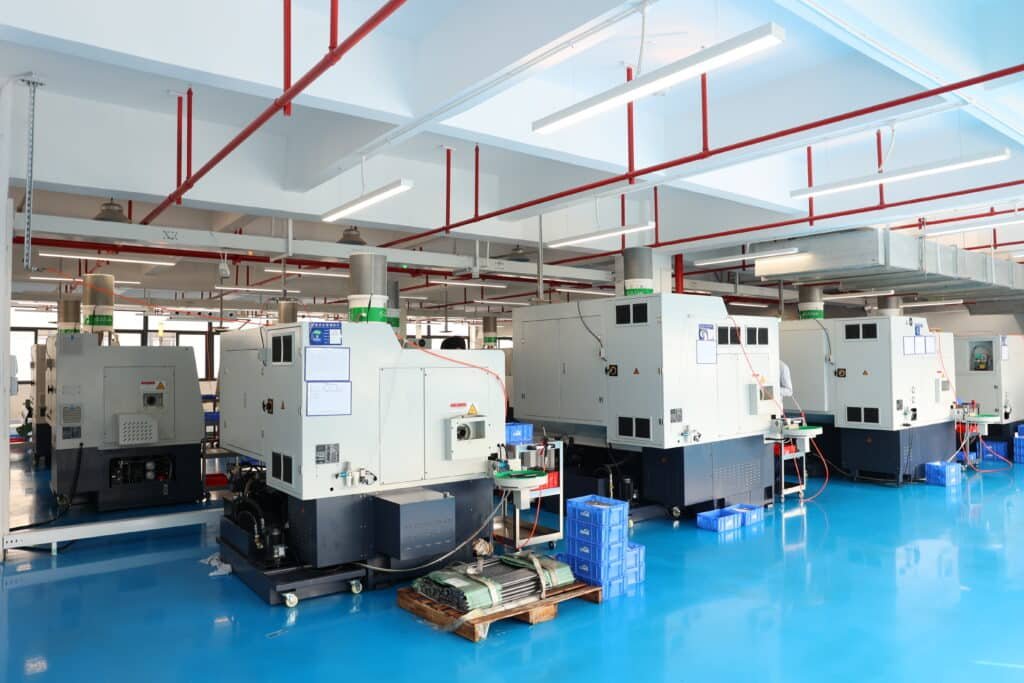
Cold Heading produces brass automotive screws efficiently through room-temperature forming, creating consistent head geometry for uniform electrical contact and appearance, excellent material flow in brass alloys optimized for cold forming, minimal work hardening compared to steel allowing complex multi-stage forming, cost-effective high-volume production for automotive electrical components, and material utilization exceeding 95% reducing expensive brass waste.
Cold heading is ideal for high-volume electrical terminals and connectors, standard brass fastener configurations, grounding screws and studs, and applications where moderate strength (300-400 MPa) is adequate. Brass cold heads more easily than steel or stainless steel, reducing tooling wear and enabling longer production runs. Discover our cold forging technology for efficient brass fastener manufacturing.
Secondary Operations enhance brass screw performance through thread rolling for improved thread strength and surface finish, knurling for grip on terminal screws and adjustable components, polishing or tumbling for aesthetic enhancement, and specialized coatings (clear lacquer, tin plating) when additional protection or solderability is required.
Key Benefits of Brass Screws in Automotive Industry
Superior Electrical Conductivity
Brass’s electrical conductivity (28-37% IACS, approximately 16-20 million Siemens/meter) far exceeds stainless steel (1-3% IACS) and approaches pure copper performance while offering superior mechanical strength. This conductivity provides reliable electrical connections with minimal voltage drop, effective grounding for electronic systems and safety, consistent contact resistance throughout service life, and reduced heat generation in current-carrying applications.
Automotive Electrical Applications include battery terminal connections requiring low resistance, ECU and control module grounding studs, sensor mounting screws with electrical continuity requirements, electrical panel and junction box hardware, grounding straps and bonding connections, and alternator and starter motor terminals. Brass maintains stable electrical properties across temperature ranges and vibration environments typical in automotive service. View our custom fasteners for machinery showing similar high-performance electrical applications.
Excellent Corrosion Resistance
Brass naturally resists corrosion in most automotive environments including excellent resistance to atmospheric corrosion and humidity, superior performance in fresh water and condensation, good resistance to many automotive fluids (coolants, oils, mild acids), formation of protective patina preventing further corrosion, and no red rust formation unlike steel fasteners. The protective patina that develops on brass provides additional corrosion protection while maintaining electrical conductivity.
Corrosion-Prone Applications where brass excels include radiator and cooling system connections exposed to coolant, fuel system fittings and connectors, HVAC system fasteners in condensation environments, electrical connections in engine bay heat and moisture, and exterior decorative trim in weather exposure. Brass outperforms carbon steel and competes with stainless steel in many environments while offering superior electrical properties.
Attractive Aesthetic Appearance
Brass’s natural golden color provides distinctive premium appearance for visible automotive applications. The material offers warm golden hue complementing luxury interior designs, ability to accept polished, brushed, or antiqued finishes, natural patina development adding character in vintage applications, no coating requirements maintaining appearance indefinitely, and compatibility with various plating options (chrome, nickel) for enhanced aesthetics.
Decorative Applications leverage brass’s appearance including classic and vintage vehicle restoration requiring period-correct fasteners, luxury vehicle interior accent screws and trim, dashboard and control panel decorative elements, door hardware and window mechanisms in premium vehicles, instrument cluster bezels and gauge mounting, and custom vehicle builds demanding distinctive aesthetics. Brass provides authentic appearance for classic car restoration where original fasteners were brass.
Non-Magnetic Properties
Brass is completely non-magnetic, essential for automotive applications sensitive to magnetic interference including sensor mounting screws preventing magnetic field distortion, proximity sensor installations requiring non-ferrous materials, electronic control module hardware, compass and navigation system components, audio system high-fidelity applications avoiding magnetic interference, and precision instrument mounting in gauge clusters. Steel or magnetic stainless steel screws can interfere with sensor accuracy and electronic system performance, making brass the optimal choice for these critical applications.
Natural Antimicrobial Properties
Copper alloys including brass exhibit natural antimicrobial properties, reducing bacterial growth on surfaces through oligodynamic effect killing bacteria on contact, self-sanitizing properties beneficial in cabin environments, reduction of odor-causing bacteria, and enhanced hygiene for frequently-touched components. This property provides subtle but measurable benefits for interior hardware, air conditioning system components, and frequently-handled controls, contributing to healthier cabin environments especially relevant in shared mobility and autonomous vehicles.
Excellent Machinability and Formability
Brass’s superior machinability (rated 100% on machinability index) enables cost-effective production including high-speed machining with minimal tool wear reducing production costs, capability for complex geometries and intricate features, excellent surface finish directly from machining, consistent dimensional accuracy across production runs, and reduced manufacturing time compared to harder materials. This machinability advantage translates directly to lower manufacturing costs for complex electrical terminals, precision threaded fittings, and custom decorative fasteners.
Automotive Applications Benefiting from Brass Screws
Electrical Systems and Grounding
Brass screws serve critical electrical functions including battery terminal bolts and connections requiring maximum conductivity, chassis grounding points for electrical system safety, ECU and sensor mounting with electrical continuity, fuse box and distribution panel hardware, alternator and starter motor terminals, and ignition system grounding connections. The combination of electrical conductivity, corrosion resistance, and mechanical strength makes brass ideal for automotive electrical applications where reliable long-term performance is essential.
Requirements: Low electrical resistance (typically <1 milliohm), corrosion resistance maintaining conductivity, adequate mechanical strength (300-500 MPa tensile), vibration resistance, and proven reliability in temperature cycling (-40°C to +150°C).
Cooling System and Radiator Components
Cooling system applications leverage brass’s fluid compatibility including radiator drain plugs and petcocks, coolant hose connection fittings, thermostat housing fasteners, cooling fan mounting screws, and expansion tank connections. Brass resists corrosion from glycol-based coolants and maintains integrity in pressurized cooling systems, providing reliable long-term service. Modern cooling systems increasingly utilize brass fittings for their corrosion resistance and leak-free performance.
Fuel System Connections
Fuel system brass components provide corrosion resistance including fuel line fittings and connectors compatible with gasoline, diesel, and ethanol blends, carburetor adjustment screws and jets in classic vehicles, fuel filter housing connections, fuel pump mounting and electrical connections, and vapor recovery system fittings. Brass’s compatibility with petroleum products and resistance to fuel-related corrosion makes it reliable for fuel system applications.
Interior Decorative and Functional Hardware
Interior applications leverage brass aesthetics including dashboard trim bezels and accent fasteners, control knob set screws and decorative hardware, door panel decorative screws, instrument cluster mounting and bezels, luxury vehicle interior accents, and classic vehicle restoration requiring period-correct brass fasteners. The warm golden appearance of brass complements wood, leather, and premium interior materials in luxury and classic vehicles.
HVAC and Climate Control Systems
Climate control systems benefit from brass properties including air conditioning refrigerant line fittings, heater core connections and mounting, ductwork assembly fasteners, blower motor electrical terminals, control panel assembly hardware, and temperature sensor mounting screws. Brass resists corrosion in humid HVAC environments and provides reliable electrical connections for climate control sensors and actuators. Explore our surface treatment and quality control capabilities ensuring optimal brass fastener performance.
Brass Alloy Selection for Automotive Applications
Common Brass Alloys for Fasteners
| Alloy | Composition | Strength | Machinability | Primary Uses |
|---|---|---|---|---|
| C360 (Free-Cutting) | 61% Cu, 36% Zn, 3% Pb | 340 MPa | Excellent (100%) | High-volume production parts |
| C385 (Architectural) | 57% Cu, 40% Zn, 3% Pb | 380 MPa | Excellent | Decorative applications |
| C464 (Naval Brass) | 60% Cu, 39.2% Zn, 0.8% Sn | 450 MPa | Good | Marine/corrosive environments |
| C260 (Cartridge Brass) | 70% Cu, 30% Zn | 320 MPa | Good | Forming applications, no lead |
| C272 (Yellow Brass) | 65% Cu, 35% Zn | 300 MPa | Excellent | General purpose, decorative |
C360 Free-Cutting Brass is most common for high-volume automotive screws offering maximum machinability for production efficiency, adequate strength for most automotive applications, cost-effectiveness through rapid machining, and excellent surface finish. The lead content (3%) enhances machinability but limits use in potable water applications.
C464 Naval Brass provides enhanced corrosion resistance for severe environments with tin addition improving seawater and acidic environment resistance, higher strength than standard brass alloys, and suitability for underbody and cooling system applications. Naval brass justifies premium cost for corrosion-critical applications.
Inspection and Quality Control for Brass Automotive Screws
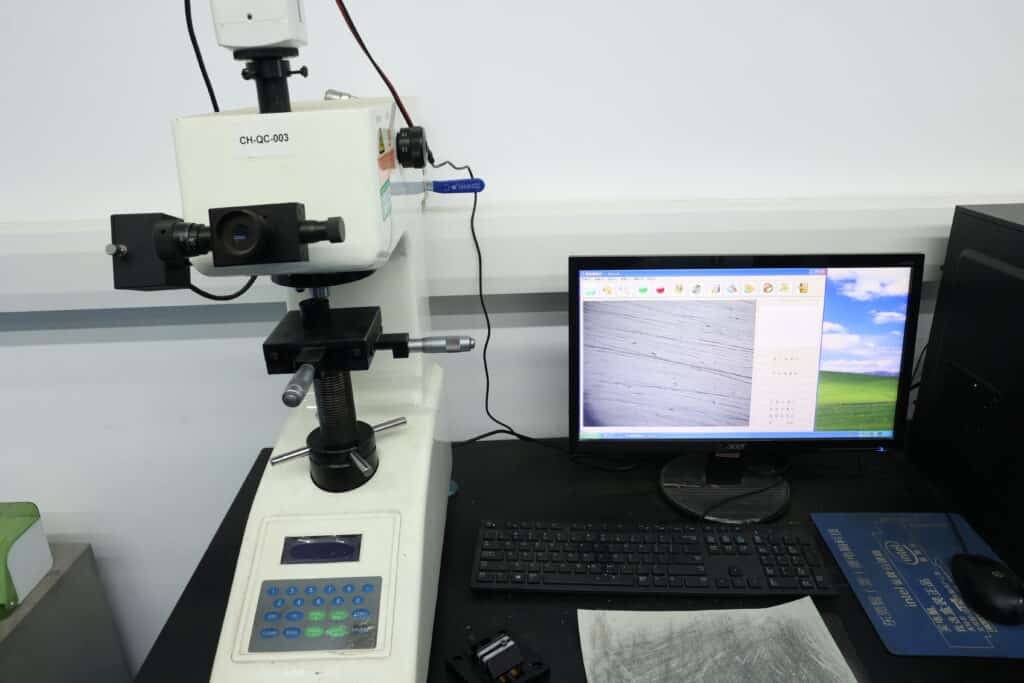
Material Verification
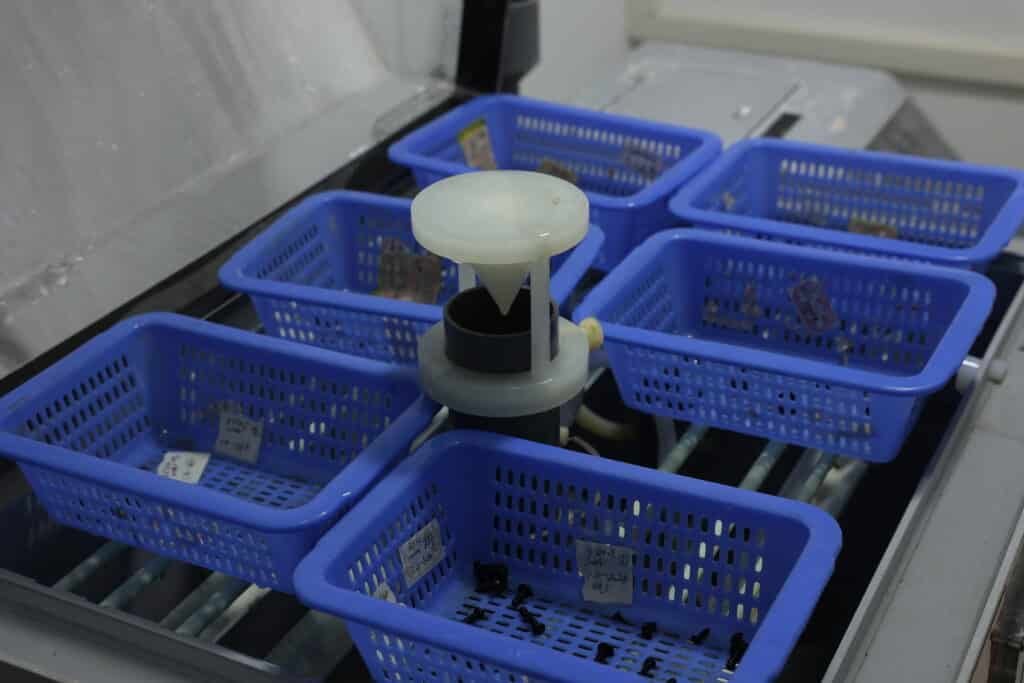
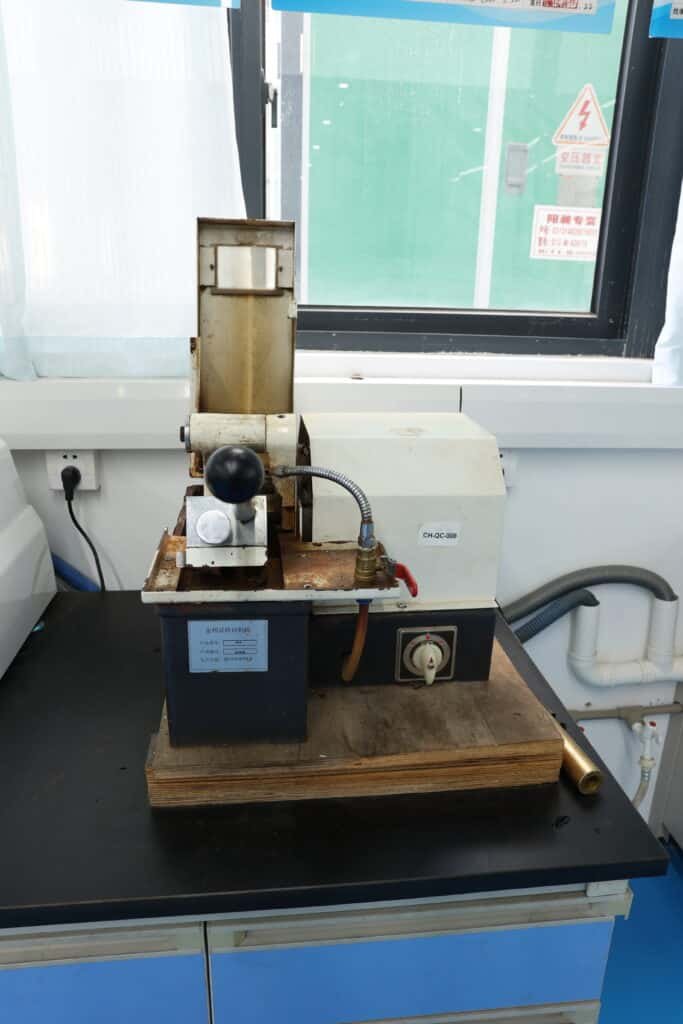
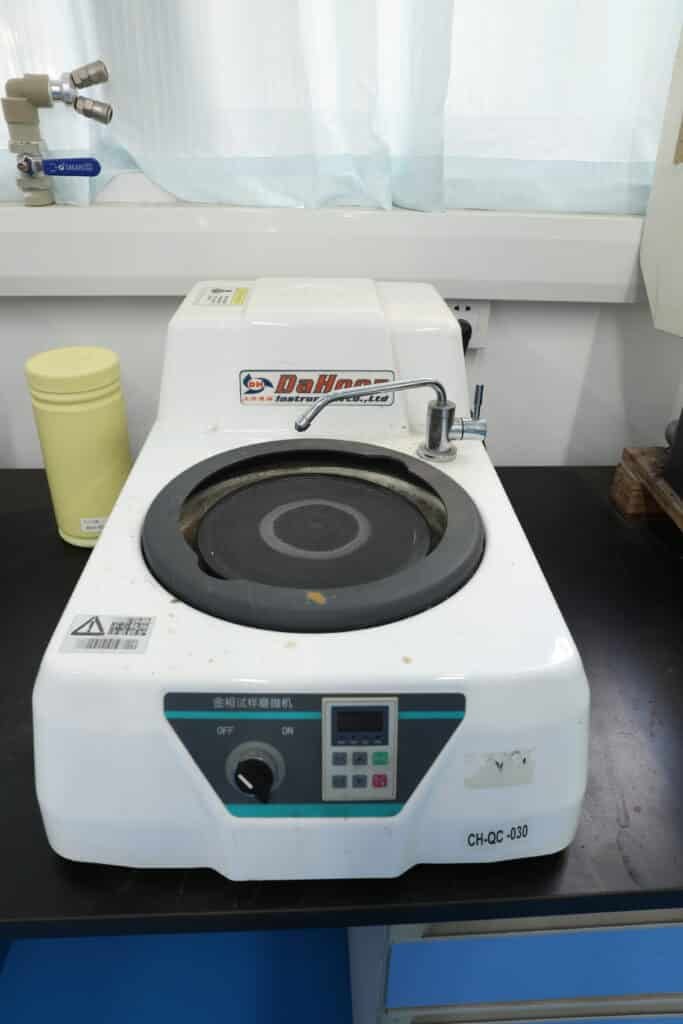
Alloy Verification using X-ray fluorescence (XRF) confirms copper and zinc content meeting specifications, detects alloy mixing or substitution, validates lead content for free-cutting grades, and ensures material consistency. Visual Inspection identifies surface defects, oxidation, or contamination, verifies material condition and color, and ensures aesthetic quality for decorative applications.
Dimensional and Functional Testing
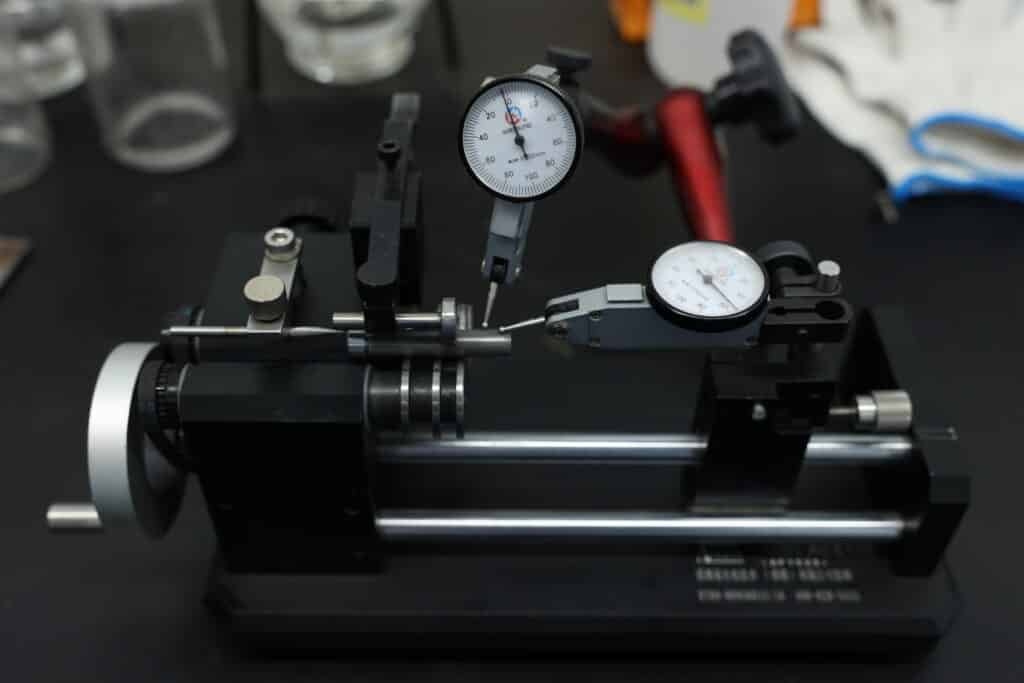
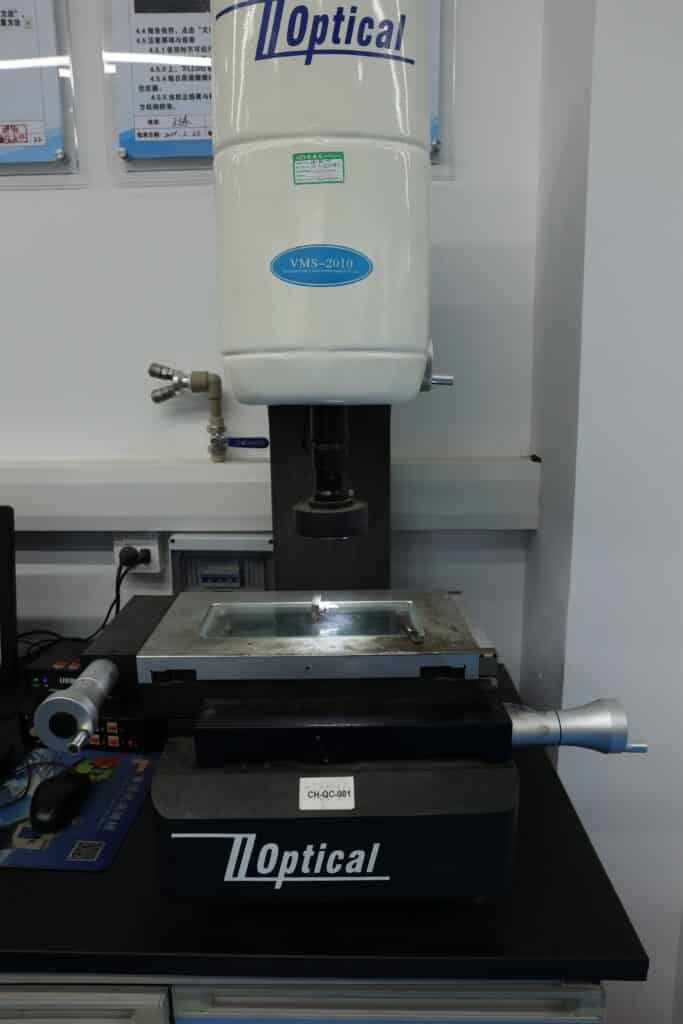
Dimensional Inspection verifies critical dimensions to ±0.05mm typical automotive tolerances, confirms thread pitch and diameter specifications, validates head geometry and concentricity, and ensures assembly compatibility. Electrical Resistance Testing measures contact resistance for electrical applications (typically <1 milliohm), validates conductivity meeting requirements, verifies consistent electrical properties, and documents performance for electrical specifications.
Corrosion and Performance Testing
| Test Type | Purpose | Standard | Acceptance Criteria |
|---|---|---|---|
| Salt Spray Testing | Corrosion resistance | ASTM B117 | 240+ hours minimal corrosion |
| Dezincification | Zinc leaching resistance | ASTM B858 | Depth <200 μm after exposure |
| Ammonia Exposure | Stress corrosion | ASTM B154 | No cracking after 24 hours |
| Electrical Conductivity | Conductivity verification | ASTM E1004 | >28% IACS minimum |
Functional Testing validates installation torque specifications, confirms no galling during assembly, verifies fit in mating components, and ensures long-term reliability in customer assemblies.
Frequently Asked Questions
When should I choose brass screws over stainless steel for automotive applications?
Choose brass when applications require superior electrical conductivity (brass: 28-37% IACS vs. stainless: 1-3%), decorative golden appearance without coatings, non-magnetic properties for sensors and electronics, better machinability for complex geometries reducing costs, and natural antimicrobial benefits. Choose stainless steel when maximum mechanical strength is required (stainless offers 2-3x higher strength), superior corrosion resistance in chloride environments is essential, magnetic properties are acceptable or desired, or aesthetic requirements favor silver appearance. For electrical grounding, battery terminals, and sensor mounting, brass is typically superior. For structural applications, stainless steel is preferred.
Are brass screws strong enough for automotive applications?
Yes, for appropriate applications. Brass alloys typically provide 300-450 MPa tensile strength, adequate for electrical connections, decorative trim, fluid fittings, non-structural assemblies, and sensor mounting where moderate clamping force is required. Brass is not suitable for high-stress structural connections, safety-critical chassis mounting, or applications requiring maximum strength. Our engineering team can perform load analysis, recommend appropriate brass alloys for your requirements, specify design factors of safety, and suggest alternative materials when brass strength is insufficient.
How does brass resist corrosion without protective coatings?
Brass naturally resists corrosion through protective patina formation where copper oxides form on the surface creating barrier preventing further corrosion, inherent resistance of copper-zinc alloy to atmospheric corrosion, and noble metal characteristics reducing reactivity. The patina maintains electrical conductivity while providing protection. For enhanced protection, clear lacquer coatings prevent tarnishing while maintaining appearance, tin plating improves solderability and corrosion resistance, and nickel or chrome plating provides decorative enhancement and additional protection. However, uncoated brass performs reliably in most automotive environments.
Can brass screws be used in electric vehicle applications?
Yes, brass excels in EV applications requiring electrical conductivity including battery pack electrical connections and grounding, motor and inverter terminals requiring low resistance, high-voltage connector assembly hardware, control module grounding and shielding, sensor mounting with electrical continuity, and charging port electrical connections. Brass’s combination of conductivity, corrosion resistance, and non-magnetic properties suits EV electrical systems. The material resists degradation in battery electrolyte environments and maintains stable electrical properties across operating conditions. Explore our lightweight fastener solutions for advanced EV applications.
What quality standards do your brass automotive screws meet?
Keyfix brass screws comply with IATF 16949:2016 automotive quality standards, ASTM B16 specification for free-cutting brass rod bar and shapes, RoHS and REACH compliance for environmental regulations, dimensional tolerances per ISO or customer specifications, electrical conductivity testing per ASTM E1004, and corrosion resistance testing per ASTM B117 and automotive standards. We provide complete documentation including material certifications showing copper and zinc content, dimensional inspection reports with measured values, electrical conductivity test results, corrosion test data (salt spray, dezincification), and PPAP documentation for automotive programs. Our quality systems ensure consistent brass screw performance meeting automotive requirements. Learn more about our comprehensive manufacturing technology and quality systems.
What are lead times for brass automotive screws?
Lead times depend on alloy, complexity, and quantity. For standard C360 brass in simple configurations, prototypes require 1-2 weeks with brass’s excellent machinability enabling rapid production. Custom designs or special alloys need 2-3 weeks for material procurement and manufacturing. Initial production runs take 2-4 weeks for tooling validation and quality approval. Once established, repeat orders are fulfilled in 1-3 weeks depending on quantity. Brass’s machinability advantage often enables faster delivery than stainless steel or specialty materials. For high-volume automotive programs, we maintain brass material inventory supporting just-in-time delivery and scheduled releases. Contact our team through our contact page to discuss specific requirements.
Keyfix: Your Trusted China Brass Automotive Screws Factory
IATF 16949 Certified Manufacturer Since 2007
Established in 2007, Keyfix specializes in brass automotive screws for global OEMs and Tier 1 suppliers requiring electrical, decorative, and functional brass fasteners. Our China factory features high-speed CNC machining centers optimized for brass’s excellent machinability, cold heading equipment for efficient brass fastener forming, comprehensive material testing including XRF alloy verification and electrical conductivity measurement, IATF 16949:2016 certified quality systems ensuring automotive compliance, and finishing capabilities including polishing, plating, and protective coating application.
Start Your Brass Automotive Screws Project Today
Whether requiring electrical connections with superior conductivity, decorative fasteners with premium golden appearance, non-magnetic screws for sensor applications, or fluid system fittings with corrosion resistance, Keyfix delivers brass screws meeting your automotive requirements. Contact us with specifications for brass alloy recommendations based on application, electrical conductivity and mechanical property validation, corrosion resistance testing and documentation, comprehensive quotations leveraging brass’s machinability, and prototype development with material certification.