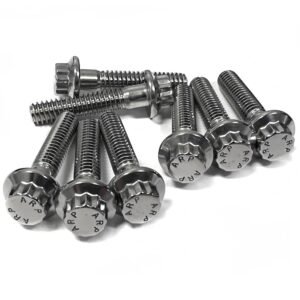
Precision Brass Micro Screw Manufacturing: Specialized Fasteners for Miniature Applications

The miniaturization trend across electronics, medical devices, and precision instruments drives demand for specialized micro fasteners combining dimensional precision with specific material properties. Custom brass micro screws address applications requiring non-magnetic characteristics, electrical conductivity, corrosion resistance, and aesthetic appearance in sizes as small as M0.8 (0.8mm diameter). A specialized manufacturer like KEYFIX produces these miniature components through CNC turning and cold heading, maintaining tolerances of ±0.005mm on machined features.
Unlike steel or stainless fasteners, brass offers unique advantages for miniature applications: superior machinability enabling intricate features at micro scale, natural lubricity reducing installation torque and preventing galling, non-magnetic properties critical for electronic assemblies, and warm golden appearance matching decorative hardware finishes.
Brass micro screws are the smallest end of KEYFIX’s range of custom brass parts and fasteners — the same alloys and Swiss-turning discipline, scaled down to M0.8.
Brass Alloy Selection for Micro Fasteners
Brass encompasses copper-zinc alloys with varying compositions exhibiting distinct machining characteristics, mechanical properties, and corrosion resistance—understanding these differences enables optimal material specification.
Brass Alloy Comparison for Micro Applications
| Alloy | Composition | Machinability | Strength | Primary Applications |
|---|---|---|---|---|
| C360 (Free-Cutting) | 61% Cu, 35.5% Zn, 3% Pb | Excellent (100% rating) | 55-70 ksi | Electronics, instruments, watch components |
| C464 (Naval Brass) | 60% Cu, 39.25% Zn, 0.75% Sn | Good (30% rating) | 60-75 ksi | Marine hardware, corrosive environments |
| C230 (Red Brass) | 85% Cu, 15% Zn | Fair (20% rating) | 40-55 ksi | Decorative trim, architectural details |
| Lead-Free C353 | 62% Cu, 35.4% Zn, 2.5% Si | Very good (80% rating) | 58-72 ksi | Plumbing, potable water, RoHS compliance |
C360 Free-Cutting Brass dominates precision screw machine applications due to superior machinability—lead additions act as chip breakers enabling high-speed automated production with excellent surface finish (Ra 0.4μm achievable). KEYFIX utilizes C360 for electronics assembly screws, optical instrument fasteners, and watch case components where dimensional precision and production efficiency matter most.
C464 Naval Brass incorporates tin improving corrosion resistance in marine and outdoor applications. While more difficult to machine than C360, naval brass withstands saltwater exposure and maintains strength in harsh environments—specified for marine electronics enclosures, yacht hardware, and coastal architectural applications.
Lead-Free Brass Alloys address environmental and health regulations restricting lead content. Silicon-based C353 provides machining characteristics approaching C360 while meeting California AB1953, NSF-61, and European RoHS compliance—critical for medical device components, food processing equipment, and potable water applications.
Swiss-Type CNC Micro Machining Technology
Manufacturing custom brass micro screws demands specialized equipment and expertise addressing challenges of miniature scale production: maintaining dimensional accuracy on features measuring fractions of millimeters, achieving thread precision with pitches as fine as 0.25mm, preventing material distortion during machining operations.

Micro Screw Manufacturing Capabilities
| Specification | Size Range | Tolerance | Technology |
|---|---|---|---|
| Diameter | M0.8 – M3.0 (0.8mm – 3.0mm) | ±0.005mm | Swiss-type CNC lathes |
| Length | 1.5mm – 25mm | ±0.02mm | Guide bushing support |
| Thread Pitch | 0.20mm – 0.50mm | ISO 2A/2B class | Thread rolling or cutting |
| Head Styles | Pan, flat, round, custom | ±0.01mm | Multi-axis live tooling |
| Drive Systems | Phillips, slotted, hex socket, Torx | Depth ±0.01mm | Precision form tools |
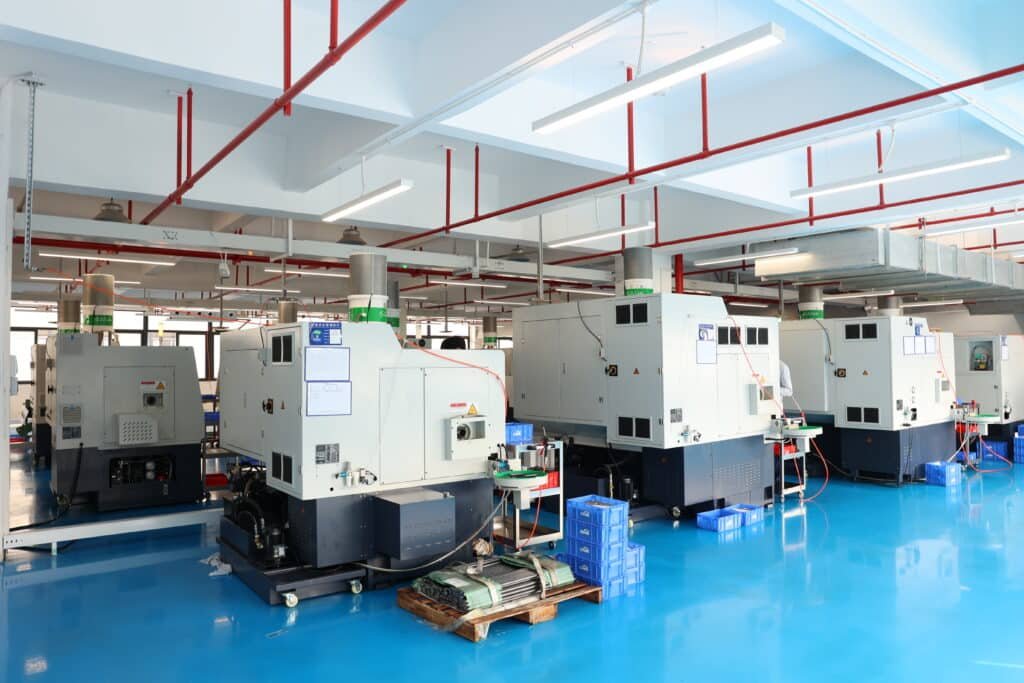
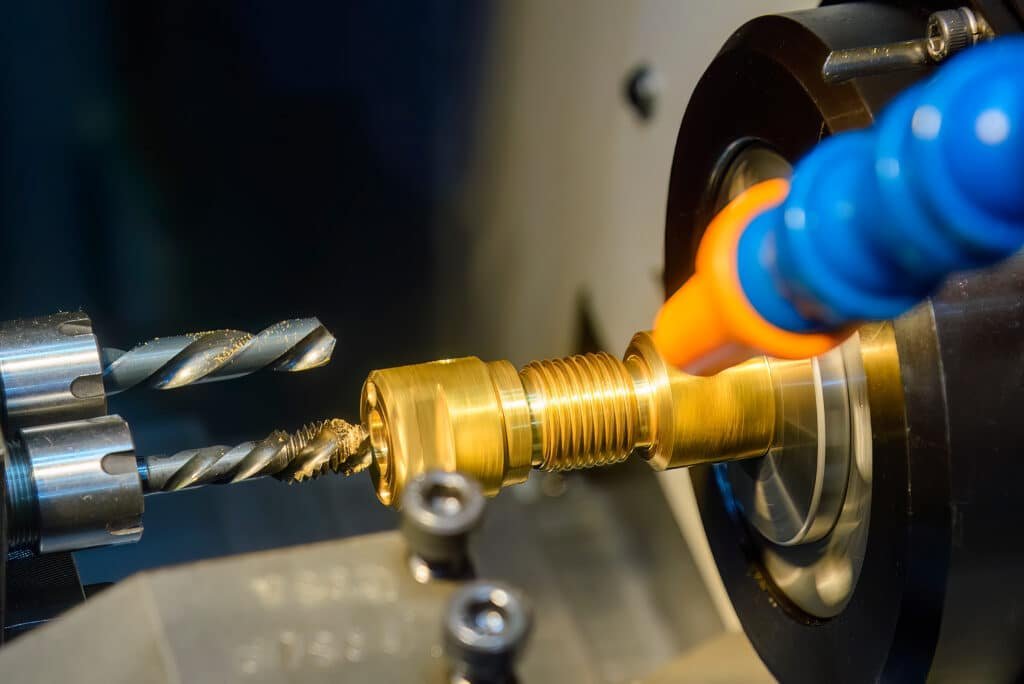
Swiss-Type CNC Lathes enable micro screw production through unique design principles—guide bushing supporting workpiece immediately adjacent to cutting zone minimizes deflection from cutting forces, critical when machining delicate miniature components.
Thread Production Methods for micro screws include precision thread rolling creating work-hardened threads with superior strength, or single-point thread cutting when geometries prevent rolling operations. Thread rolling micro brass screws proves challenging due to material softness causing thread tearing—KEYFIX employs carefully controlled rolling parameters with specialized lubricants achieving clean thread forms down to M1.0 size.
Live Tooling Operations add secondary features during primary turning operation—milling slots for flat or Phillips drives, drilling cross-holes, creating knurled sections for retention. Multi-axis capability enables complex head geometries: countersunk profiles, integrated washers, decorative patterns—all executed without secondary operations improving efficiency and dimensional consistency.
Surface Finishing Options enhance appearance and corrosion protection:
Brass Micro Screw Finish Options

| Finish | Appearance | Corrosion Protection | Typical Applications |
|---|---|---|---|
| Polished | Bright golden | Minimal (tarnishes) | Indoor decorative, jewelry |
| Clear Lacquer | Natural brass | Moderate (prevents tarnish) | Instruments, visible hardware |
| Nickel Plated | Silver-white | Excellent | Electronics, marine hardware |
| Tin Plated | Matte silver | Good | Electrical contact, RoHS compliant |
| Antique/Oxidized | Darkened patina | N/A (decorative only) | Vintage-style hardware, furniture |
Precision Requirements and Quality Control
Custom brass micro screws applications demand rigorous dimensional verification—tolerances measured in microns with thread geometry validation requiring specialized equipment.
Micro Screw Quality Verification
| Inspection Type | Equipment | Parameters | Standard |
|---|---|---|---|
| Dimensional | Optical comparator (50-100×) | Diameter, length, head dimensions | ±0.005mm |
| Thread Inspection | Thread plug gauges | Major/minor diameter, pitch | ISO 965-1, Class 2A/2B |
| Drive Recess | Vision measurement | Depth, width, profile | ±0.01mm |
| Surface Finish | Profilometer | Ra, Rz parameters | Ra 0.4-1.6μm typical |
| Material Verification | XRF spectrometry | Copper, zinc, lead content | ASTM B16 composition |
Optical Measurement Systems project magnified screw profiles (typically 50-100× magnification) onto calibrated screens enabling precise dimension verification. KEYFIX uses 2D video measuring and Mitutoyo gauges to measure diameter variations, head concentricity, and drive recess geometry—documenting actual measurements rather than simple pass/fail stamps.
Thread Inspection employs miniature thread plug gauges (go/no-go) validating functional size limits. Thread pitch micrometers measure pitch diameter precisely, while optical comparators examine thread profile angles and form accuracy. For production validation, statistical sampling plans per ISO 2859 provide confidence in batch quality without 100% inspection economics.
Material Composition Analysis using X-ray fluorescence (XRF) confirms brass alloy identity and lead content compliance. Critical for electronics and plumbing applications where material certifications must demonstrate RoHS or NSF-61 compliance—KEYFIX verifies incoming material lots with SPECTRO (Germany) OES, preventing costly grade mix-ups.
Application-Specific Engineering Solutions
Different industries utilizing custom brass micro screws impose distinct requirements affecting design features, material selection, and quality validation.
Industry Application Requirements
| Industry | Typical Sizes | Critical Features | Special Requirements |
|---|---|---|---|
| Electronics | M1.0 – M2.0 | Non-magnetic, ESD-safe | RoHS compliance, clean packaging |
| Precision Instruments | M1.2 – M2.5 | Dimensional stability, corrosion resistance | Lead-free alloys on request, tight head tolerances |
| Watches/Jewelry | M0.8 – M1.4 | Aesthetic appearance, precise fit | Polished finish, tight tolerances |
| Optical Instruments | M1.2 – M2.5 | Dimensional stability, non-magnetic | Low outgassing, precision threads |
| Musical Instruments | M1.5 – M3.0 | Corrosion resistance, appearance | Decorative finishes, tarnish protection |
Electronics Assembly requires non-magnetic fasteners preventing interference with sensitive components—brass naturally provides this characteristic unlike steel alternatives. Miniature circuit boards, connector assemblies, and sensor housings utilize M1.0-M2.0 brass screws with pan or flat heads. KEYFIX offers ESD-safe packaging preventing electrostatic discharge damage during handling and installation.
Medical Device Manufacturing demands biocompatible materials meeting ISO 10993 standards and lead-free compositions complying with health regulations. Surgical instruments, diagnostic equipment housings, and implantable device fixtures utilize C353 lead-free brass or nickel-plated C360. Surface finish specifications typically require Ra 0.8μm or smoother minimizing bacterial adhesion and facilitating sterilization.
Watchmaking and Jewelry applications prioritize aesthetic appearance and dimensional precision enabling smooth mechanical operation. Case back screws, crown assemblies, and clasp fasteners utilize M0.8-M1.4 sizes with polished or clear lacquered finishes. Tolerances of ±0.005mm ensure proper fit without binding or excessive clearance—KEYFIX collaborates with luxury brands developing proprietary screw designs matching brand identity.
Precision Instruments including surveying equipment, scientific apparatus, and optical assemblies specify brass micro screws for dimensional stability across temperature variations. Material thermal expansion coefficients matching mating components prevent loosening during thermal cycling. Custom head geometries accommodate specialized installation tools in confined spaces.
Musical Instrument Manufacturing utilizes decorative brass screws for string tensioners, key mechanisms, and trim hardware. Antique or oxidized finishes provide vintage aesthetics for reproduction instruments, while clear lacquer preserves bright golden appearance on modern designs. Corrosion resistance proves critical for instruments experiencing moisture exposure during performance.
Manufacturing Advantages and Global Supply
KEYFIX’s specialized micro screw manufacturing capabilities combine advanced equipment, material expertise, and quality systems addressing miniature fastener challenges.
KEYFIX Micro Manufacturing Capabilities
| Capability | Specification | Advantage |
|---|---|---|
| Size Range | M0.8 – M3.0 diameter, 1.5mm – 25mm length | Comprehensive micro range |
| Equipment | CNC lathes and thread rolling machines (from M1.2) | High-precision, high-volume |
| Tolerance | ±0.005mm on diameters, ±0.02mm on length | Optical instrument grade |
| Materials | C360, C464, C353 lead-free, custom alloys | RoHS compliant options |
| Finishes | Polished, plated (nickel, tin), lacquered | Aesthetic and functional |
| Volume | 1,000 – 500,000+ pieces | Prototype to production |
| Lead Time | Typically 7–14 business days samples, 4–6 weeks production | Rapid development cycles |
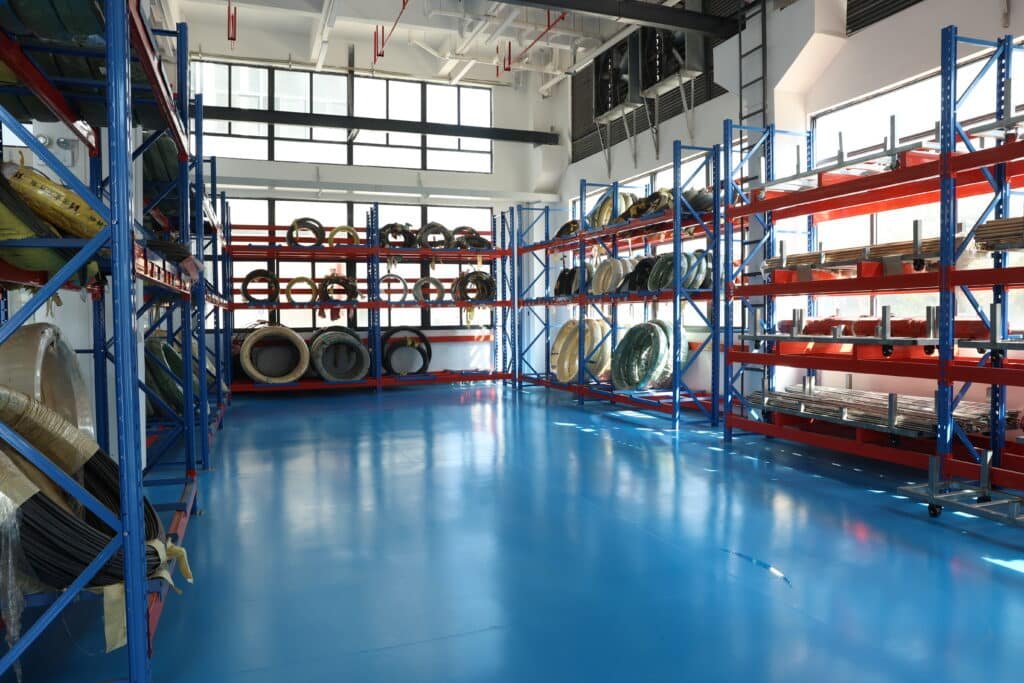
Vertical Integration enables complete in-house processing—material procurement, precision machining, thread production, surface finishing, and quality verification—eliminating coordination challenges inherent in multi-supplier approaches. KEYFIX maintains brass wire inventory in multiple alloys and diameters enabling rapid prototype turnaround without material procurement delays.
Quality Management Systems meeting ISO 9001:2015 provide framework for consistent micro component production. Statistical process control monitors critical dimensions in real-time, automated optical inspection examines 100% of head geometry and drive recesses, while statistical thread sampling validates engagement characteristics. Documentation includes dimensional reports with actual measurements, material certificates with composition analysis, and photographic records when specified.
Engineering Collaboration distinguishes KEYFIX from commodity suppliers. Design for Manufacturability analysis identifies potential challenges: thread specifications difficult to achieve at micro scale, head geometries requiring specialized tooling, drive systems preventing installation with standard tools. Early consultation prevents costly redesign after tooling investment—finite element analysis validates stress distributions when loading conditions demand optimization.
Selecting a Micro Screw Manufacturing Partner
Evaluating potential custom brass micro screws suppliers requires assessing specialized capabilities beyond general fastener manufacturing.
Supplier Evaluation Criteria
| Criterion | Basic Capability | KEYFIX Standard |
|---|---|---|
| Minimum Size | M1.5 | M0.8 (0.8mm diameter) |
| Equipment | Standard CNC lathes | Swiss-type micro specialists |
| Tolerance | ±0.02mm | ±0.005mm on critical features |
| Brass Alloys | C360 only | C360, C464, C353 lead-free, custom |
| Thread Capability | Cut threads only | Rolling + cutting, 0.20mm pitch |
| Finishing | Basic polishing | Plating, lacquer, custom finishes |
| Quality System | ISO 9001 | ISO 9001 + industry-specific validation |
| Minimum Quantity | 10,000+ | 1,000 production (100 samples) |
Micro Machining Experience distinguishes advanced manufacturers from general screw machine shops. Review portfolios demonstrating electronics, medical device, or precision instrument applications. Request samples evaluating dimensional accuracy, thread quality, and surface finish—miniature components reveal manufacturing discipline through execution quality.
Material Knowledge proves critical for brass fastener applications. Suppliers should articulate differences between alloys, recommend compositions based on environmental exposure and regulatory requirements, and provide material certifications documenting composition. KEYFIX maintains relationships with brass wire mills ensuring material availability and traceability.
Tooling and Setup Expertise affects project economics—micro screw production demands specialized form tools, miniature thread rolling dies, and precision collets. Experienced suppliers minimize setup costs through standardized tooling libraries and efficient changeover procedures. Request itemized quotations separating tooling from piece prices enabling informed cost analysis.
Conclusion
The specialized requirements of miniature brass fastener applications demand manufacturing partners combining Swiss-type machining expertise, material knowledge, and quality systems ensuring dimensional precision at micro scale. KEYFIX supplies brass micro screws from M0.8 (0.8 mm diameter), with multiple brass alloy options including lead-free compositions and finishes from polished to plated surfaces.
Whether your application involves consumer electronics requiring non-magnetic RoHS-compliant fasteners, precision instruments demanding lead-free brass, watch assemblies prioritizing aesthetic perfection, or measuring equipment needing dimensional stability, KEYFIX engineers optimize material selection and manufacturing specifications. Samples typically ship within 7–14 business days for design validation, and production typically ships 4–6 weeks after sample approval.
Contact our engineering team to discuss your custom brass micro screws requirements—we’ll analyze dimensional constraints, material requirements, finish specifications, and volume needs developing fastening solutions delivering precision performance in miniature scale applications.
Frequently Asked Questions
What is the smallest brass micro screw KEYFIX can manufacture?
Down to M0.8 (0.8 mm diameter), with lengths from 1.5 mm and thread pitches from 0.20 mm. Critical diameters are held to ±0.005 mm on Swiss-type CNC lathes, where a guide bushing supports the workpiece next to the cutting zone to prevent deflection at micro scale.
Which brass alloy is best for micro screws?
C360 free-cutting brass is the default for its machinability and surface finish. C464 naval brass is specified for marine and corrosive environments, and C353 silicon brass is the lead-free choice for RoHS, NSF-61 and medical applications. KEYFIX confirms alloy and lead content by XRF/OES on every incoming lot.
Are lead-free, RoHS-compliant brass micro screws available?
Yes. Lead-free C353 silicon brass, as well as nickel- or tin-plated C360, meet RoHS, REACH and California AB1953 requirements. Material certificates documenting composition are supplied with the order.
What head styles and drive types can you produce at micro sizes?
Pan, flat/countersunk, round and custom heads, with slotted, Phillips, hex-socket and Torx drives. These features are machined with multi-axis live tooling and precision form tools during the primary turning operation, holding drive-recess depth to ±0.01 mm.
Can you roll threads on micro brass screws, or only cut them?
Both. Thread rolling produces work-hardened, stronger threads and is used from about M1.2; single-point thread cutting covers finer pitches down to 0.20 mm and geometries that cannot be rolled. Rolling soft brass at micro scale uses carefully controlled parameters and specialized lubricants to avoid thread tearing.
What is the minimum order quantity and lead time?
Production runs start from around 1,000 pieces, with samples from about 100. Samples typically ship in 7–14 business days, and production 4–6 weeks after sample approval, depending on finish and complexity.
How are brass micro screws inspected?
2D video measuring and optical comparators (50–100×) verify diameters, length and head geometry; go/no-go thread plug gauges validate threads per ISO 965; a profilometer checks surface finish; and XRF confirms alloy and lead content. Actual measured values are reported rather than a simple pass/fail.
Author: KEYFIX Engineering Team Published: February 9, 2026 Last Updated: October 22, 2026